The best road trips in Canada for summer are the Icefields Parkway, the Cabot Trail, and the Sea to Sky Highway. Between June and September the whole country opens up: mountain passes clear of snow, Atlantic fog lifts, and even the gravel highways to the Arctic Circle become drivable. This is the short, golden window when a Canadian road trip is at its very best.
We ranked ten drives that make the most of that window, from a two day glacier run in the Rockies to a 25 day coast to coast epic. Every one is pulled from our catalog with real distances, durations, and seasons, so you can plan around the facts rather than the hype. For the full country picture, browse every drive on our Canada road trips hub.
The 10 best summer road trips in Canada at a glance
| # | Route | Region | Distance | Duration | Best season |
|---|---|---|---|---|---|
| 1 | Icefields Parkway | Alberta | 232 km | 2 days | Jun to Sep |
| 2 | Cabot Trail | Nova Scotia | 298 km | 3 to 4 days | Jun to Oct |
| 3 | Sea to Sky Highway | British Columbia | 125 km one way | 2 days | May to Oct |
| 4 | Vancouver Island | British Columbia | About 950 km | 7 days | May to Sep |
| 5 | Gaspésie Loop | Quebec | 885 km | 6 to 7 days | Jun to Sep |
| 6 | Viking Trail | Newfoundland | 489 km | 4 to 5 days | Jun to Sep |
| 7 | Alaska Highway | BC and Yukon | 2,400 km | 8 to 10 days | May to Sep |
| 8 | Dempster Highway | Yukon and NWT | About 780 km | 4 to 5 days | Jun to Sep |
| 9 | Yukon Golden Circle | Yukon and Alaska | 740 km | 4 days | Jun to Aug |
| 10 | Trans-Canada Highway | Coast to coast | About 7,820 km | 25 days | Late spring to early fall |
If you only do one
Drive the Icefields Parkway. Highway 93 runs 232 km from Lake Louise to Jasper through the Canadian Rockies, past glaciers, turquoise lakes, and peaks over 3,000 m at nearly every turn, and it fits into two unhurried days. Nothing else in Canada delivers this much scenery per kilometre, and summer is the only season it runs reliably clear. If you have one Canadian week, build it around this drive.
1. Icefields Parkway, Alberta
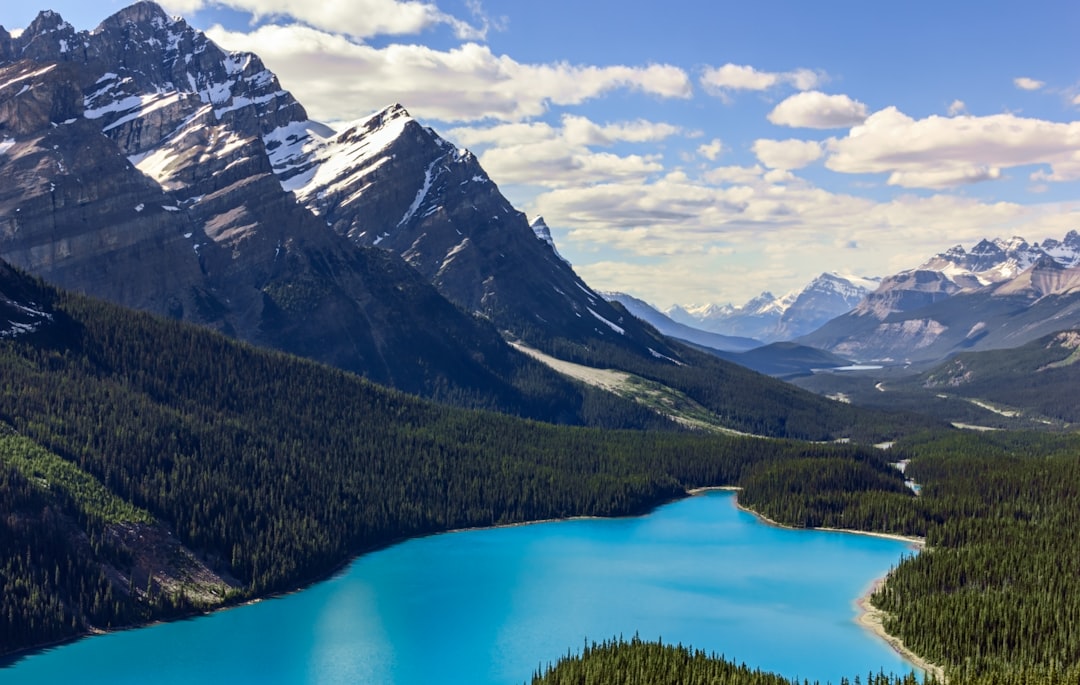
This is one of the most spectacular mountain drives on Earth, and the benchmark every other route here is measured against. In 232 km you pass Bow Lake, the Peyto Lake viewpoint, the Columbia Icefield, and the twin drops of Sunwapta and Athabasca falls, all easy pull-offs on a paved highway that any car can handle. Two days is the sweet spot, with Banff and shuttle-only Moraine Lake best kept as a separate pre-trip extension. Summer, June to September, is the only dependable window, and it is glorious. Read the full route on our Icefields Parkway guide.
2. Cabot Trail, Nova Scotia
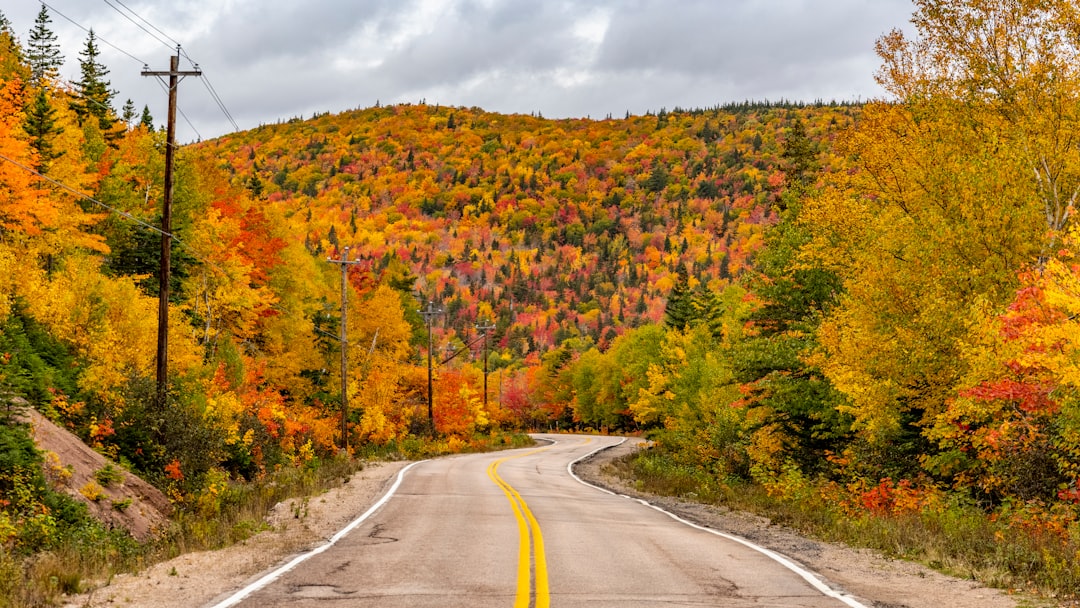
The Cabot Trail is one of the most scenic drives in North America and Atlantic Canada's showpiece. Over 298 km it climbs across the Cape Breton Highlands, drops to sea-level fishing villages like Cheticamp and Pleasant Bay, and traces cliff edges with 300 m drops into the Gulf of St. Lawrence. Give it three to four days so you can hike the Skyline Trail (book your parking window in advance for 2026) and linger over a lobster supper. The season stretches June to October, later than the mountain drives, which makes it a fine early-autumn option too. See the Cabot Trail route.
3. Sea to Sky Highway, British Columbia
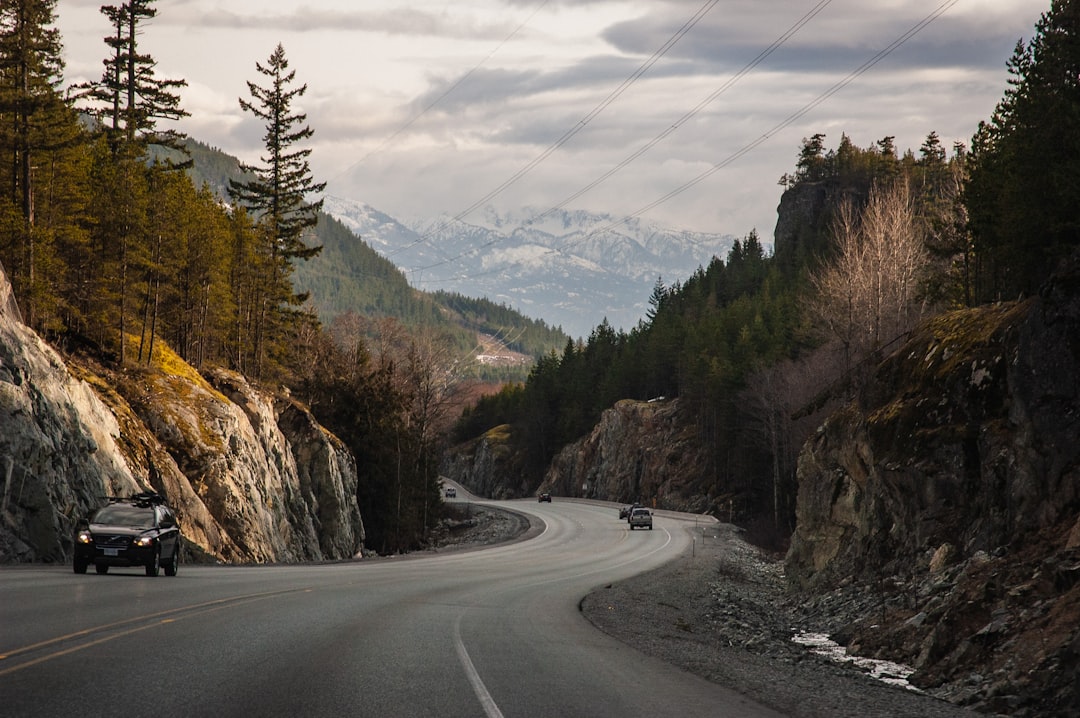
If your time is short, this is the drive to take. BC-99 runs just 125 km one way from Vancouver to Whistler, yet it is one of the world's great short routes: Howe Sound's fjord on one side, the Coast Mountains on the other, threading past Shannon Falls and the granite dome of the Stawamus Chief. Two days, or a single long one, is enough, and it needs no special vehicle. Reserve a Garibaldi day-use pass if you plan to hike between June and October. Details on the Sea to Sky Highway page.
4. Vancouver Island, British Columbia
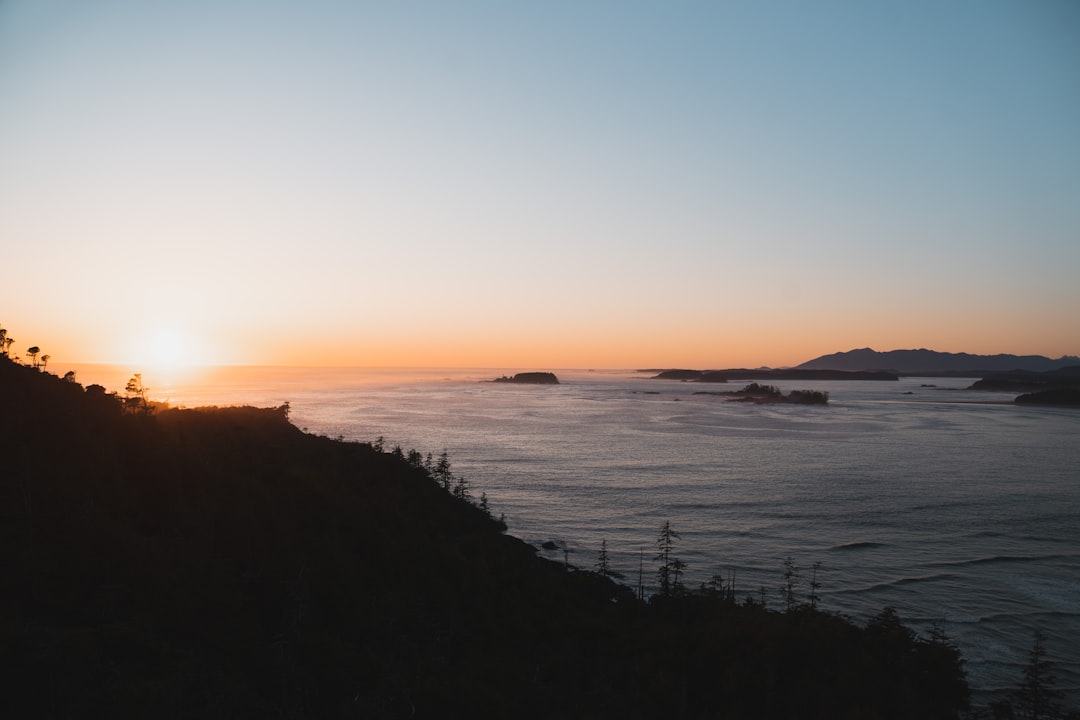
For coast and rainforest in one trip, Vancouver Island is the most accessible wild coastline in Canada. About 950 km of driving links Victoria's Empress Hotel and Butchart Gardens, the surf and old-growth of Pacific Rim National Park, Tofino's whale-watching, and Telegraph Cove's orca colony in Johnstone Strait. Plan seven days one way, or nine to ten for a closed loop, and reserve your BC Ferries sailings in advance. May to September is the window, and it pairs beautifully with the Sea to Sky. More on the Vancouver Island route.
5. Gaspésie Loop, Quebec
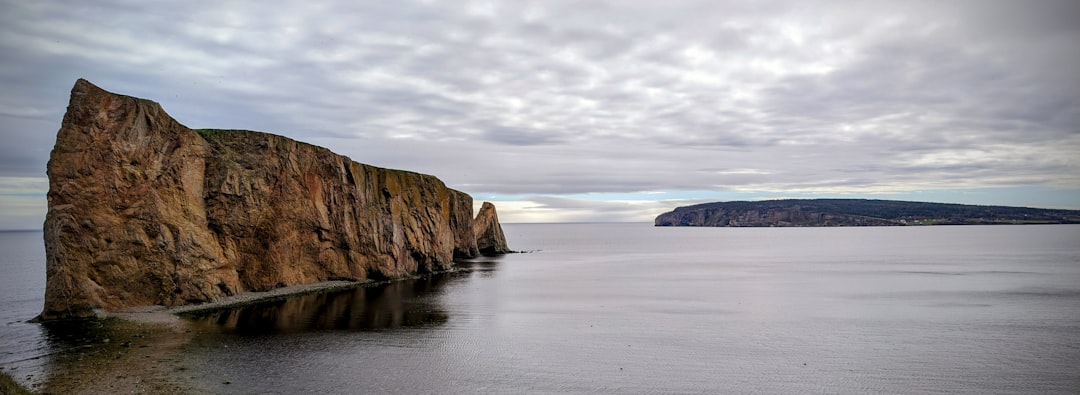
Quebec's classic Route 132 loop is a 885 km circle from Sainte-Flavie that never leaves the coast for long. It passes the fishing villages of the Saint Lawrence, the sea cliffs of Forillon National Park, the monumental Percé Rock, and the gannet colony on Bonaventure Island before curving back along the Baie des Chaleurs. Six to seven days lets you slow down for the seafood and the light. The paved road is easy, but fuel up in Matane, Sainte-Anne-des-Monts, and Gaspé where services thin out. Explore the Gaspésie Loop.
6. Viking Trail, Newfoundland
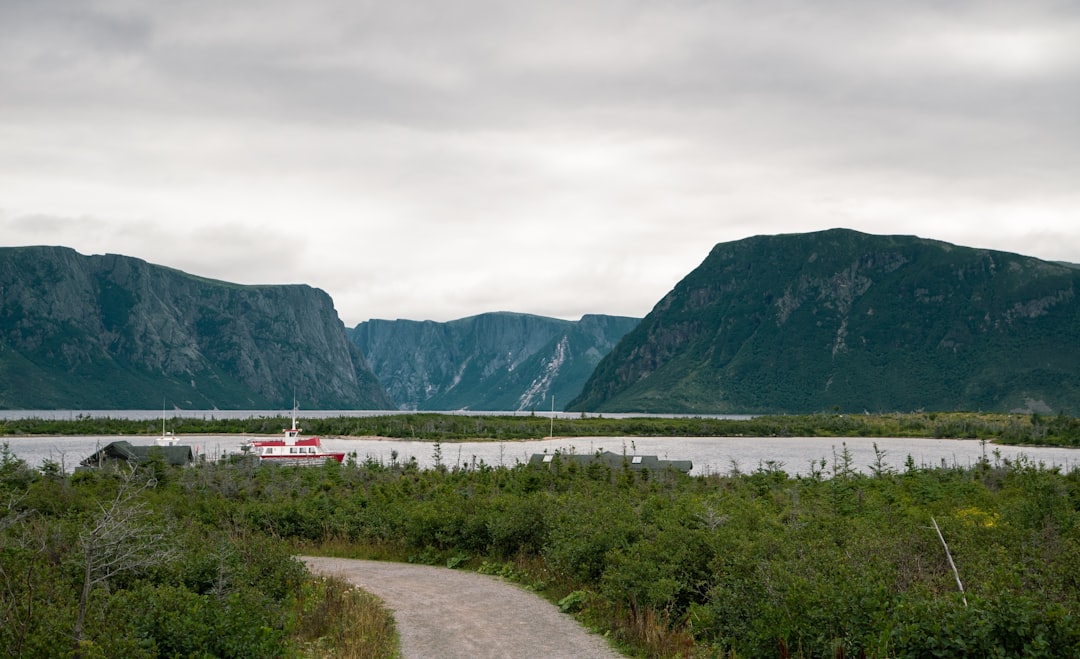
The Viking Trail earns its place for sheer remoteness and history. Its 489 km link the UNESCO fjords of Gros Morne National Park, 5,000 year old burial grounds at Port au Choix, and icebergs drifting past sea stacks, ending at L'Anse aux Meadows, a Norse settlement built five centuries before Columbus reached the Americas. Allow four to five days, June to September, and book the Western Brook Pond boat tour ahead since departures hinge on the weather. See the Viking Trail route.
7. Alaska Highway, BC and Yukon
The ALCAN was cut through boreal wilderness in eight months in 1942, and it remains the last great North American frontier road. Its 2,400 km run from Dawson Creek through Muncho Lake, the quirky Sign Post Forest at Watson Lake, and Whitehorse, with more wildlife per kilometre than almost anywhere on the continent. Budget eight to ten days, carry passports for the Canada and US crossing, and expect frost heaves and long service gaps. It is a summer drive, May to September, and a rite of passage. Read the Alaska Highway guide.
8. Dempster Highway, Yukon and NWT
For a genuine adventure, the Dempster is Canada's loneliest highway. About 780 km of gravel branch off the Klondike near Dawson City and swing north over the Arctic Circle and two river ferries to Inuvik and the Mackenzie Delta. There is no phone reception, so you carry two full-size spares, fuel, and emergency supplies. This is the hardest drive on the list and the most rewarding for it, drivable only in the June to September summer window when the ferries run. See the Dempster Highway route.
9. Yukon Golden Circle, Yukon and Alaska
A compact 740 km loop that packs in Klondike history and the most dramatic scenery in the northern Rockies. From Whitehorse you cross to Carcross and the world's smallest desert, climb the White Pass into gold-rush Skagway, and return via Haines with a ferry across the Lynn Canal. Four days is enough, June to August, but book the Alaska Marine Highway sailing first and build the loop around it, because the driving fallback is far longer. Details on the Yukon Golden Circle.
10. Trans-Canada Highway, coast to coast
If you have the time, this is the ultimate Canadian summer road trip. The Trans-Canada Highway runs about 7,820 km from St. John's, Newfoundland, across Atlantic coastlines, Quebec's river valleys, the vast Canadian Shield, the prairies, and the mountains of British Columbia before ending at Victoria. Plan 25 days, reserve the Marine Atlantic and BC Ferries crossings, and account for six time zones and every kind of weather. It is the whole country in one drive. Follow the Trans-Canada Highway route.
How to choose your Canadian summer drive
Short on time? Take the Sea to Sky Highway or the Icefields Parkway, both doable in two days. Chasing coastline? The Cabot Trail, Gaspésie Loop, and Vancouver Island trade mountains for ocean. Want a true expedition? The Alaska Highway and Dempster reward the extra days and planning. Most of these are coastal at heart, so if the sea is what pulls you, see our scenic coastal drives collection, and map any of them on the interactive route map.
Frequently asked questions
What is the best month for a road trip in Canada?
July and August are the safest bets, when mountain passes, ferries, and northern gravel highways are all reliably open. June and September are quieter and still excellent for most routes, and the Cabot Trail stays good into October as the leaves turn.
What is the best road trip in Canada for first-timers?
The Sea to Sky Highway and the Icefields Parkway are the easiest to plan and drive. Both are fully paved, need no special vehicle, and fit into two days, so they suit a first Canadian trip or a short add-on to a city break.
How long do you need for a Canadian road trip?
It depends on the route. Short scenic drives like Sea to Sky take two days, coastal loops such as the Cabot Trail or Gaspésie take three to seven, and the epic northern and coast-to-coast routes run from eight days to nearly a month.
Do you need a 4x4 for road trips in Canada?
Most of these drives are paved and fine for any car, including the Icefields Parkway, Cabot Trail, and Sea to Sky. The Dempster Highway is the exception: its gravel surface and remoteness call for an SUV, two spare tyres, and full emergency supplies.
Ready to plan? Start with our Icefields Parkway guide, compare every Canadian drive on the Canada road trips hub, and plot your route on the interactive map.