The right rental car for a road trip is the smallest, simplest vehicle the road needs, booked with insurance you understand and no fees waiting at the desk. Most paved classics like Route 66 run fine on an economy car, while a gravel route through Patagonia or the Australian outback needs a high-clearance SUV or a proper 4x4. Match the car to the road first, then handle the protection and the fine print, and you avoid overpaying or getting stranded.
A rental comes down to three choices: the vehicle class, the insurance, and the fees that stack up after you sign.
Rent the smallest car the road allows
The surface and the remoteness set the vehicle class, not how the car looks in the brochure. Rent the smallest car that clears the road comfortably, because a bigger vehicle costs more to rent, drinks more fuel, and handles worse on the narrow stuff.
Paved, well-signed drives take any car. Route 66 is 3,940 km of sealed road from Chicago to Santa Monica, easy enough that an economy car is fine. The Pacific Coast Highway is the same over 1,055 km of California coast. On Scotland's North Coast 500, the official advice runs the other way. The single-track west coast is unsuitable for oversized vehicles, so a small or midsize car beats a bulky SUV you have to reverse into passing places.
Gravel and high desert change the answer. The Namib Desert Circuit runs 1,400 km mostly on gravel and sand, where a high-clearance SUV earns its cost. Chile's Carretera Austral mixes pavement with long gravel sections over 1,240 km, another SUV route. Iceland's Ring Road is paved the whole 1,332 km loop and a 2WD handles it, but the moment you turn onto an F-road into the highlands you need a true 4x4. Renting a standard car for them voids your insurance and is dangerous.
Then there is real four-wheel-drive country. Australia's Gibb River Road is 660 km of Kimberley track that the road authority says to drive only in a high-clearance 4WD carrying two spare tyres. For routes like these, browse the Adventure and Overland hub and book what the terrain demands.
| Route | Country | Distance | What to rent | Why |
|---|---|---|---|---|
| Route 66 | United States | 3,940 km | Any car, economy is fine | Fully paved, easy driving |
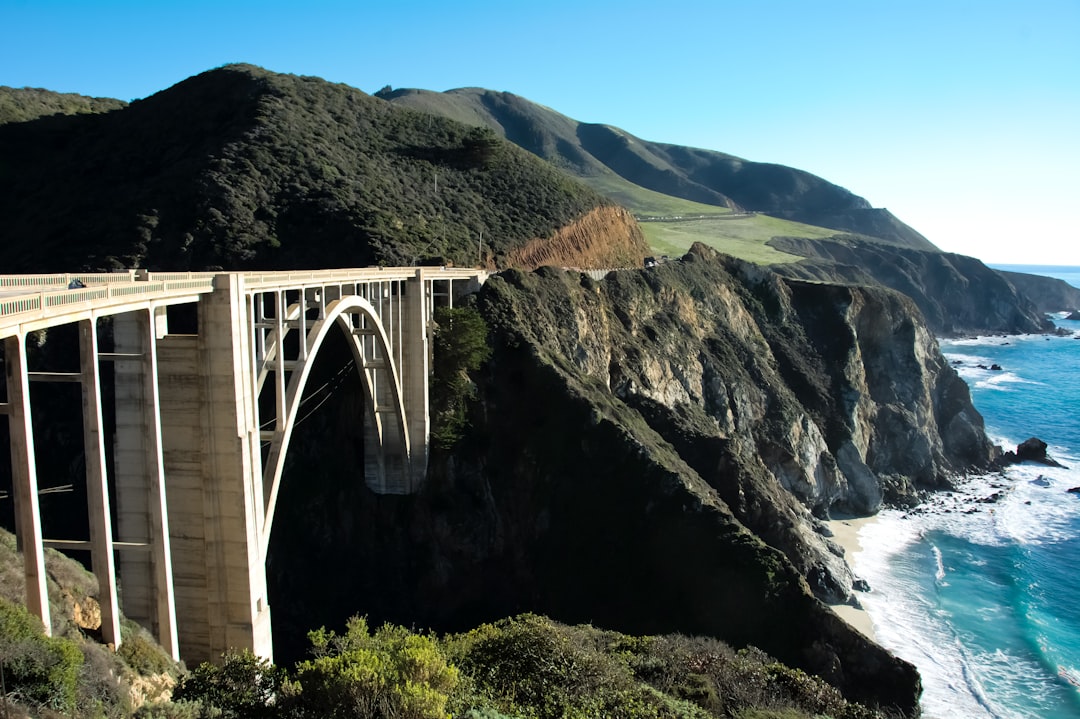
| Pacific Coast Highway | United States | 1,055 km | Any car, EV works well | Paved coast with chargers |
| North Coast 500 | Scotland | 830 km | Small or midsize car | Narrow single-track sections |
| Ring Road | Iceland | 1,332 km | 2WD for the ring, 4x4 for F-roads | Paved loop, unpaved highlands |
| Carretera Austral | Chile | 1,240 km | High-clearance SUV | Long gravel stretches |
| Namib Desert Circuit | Namibia | 1,400 km | High-clearance SUV | Gravel and sand throughout |
| Gibb River Road | Australia | 660 km | 4WD with two spares | Rough Kimberley track |
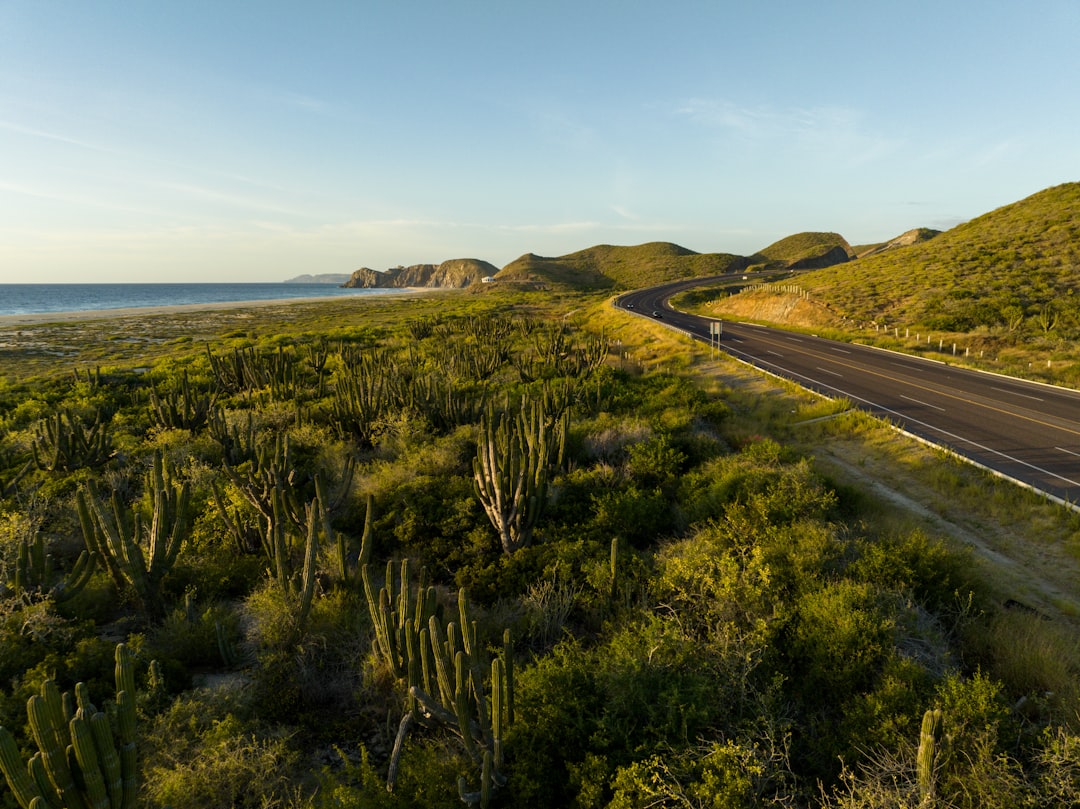
| Baja California Highway 1 | Mexico | 1,700 km | Any car plus Mexico insurance | Paved, but a border crossing |
Insurance, excess, and the words that cost you
The base rental price rarely includes the protection you want. The number that matters is the excess, which North America calls the deductible. It is what you pay out of pocket if the car is damaged or stolen, so a cheap daily rate with a high excess stops being cheap the moment a stone cracks the windscreen.
Three terms do the heavy lifting. Collision damage waiver, or CDW, caps your liability for damage to the rental car. Theft protection covers the car being stolen. Third-party liability covers damage you do to other people and their property, and it is the cover that is legally required. In most of Europe and Australia, basic CDW and liability come bundled into the price. In the United States they are usually extra, and your own car insurance or credit card may already cover part of it, so check before paying twice.
Cross-border rentals add a layer. The Baja California Highway 1 runs 1,700 km into Mexico, and a United States policy does not travel with you. Baja requires Mexico-valid liability insurance, which you buy as a separate product. The Alaska Highway crosses between Canada and the United States, so you carry passports and confirm the rental company allows the car across the line. Your home cover does not automatically follow the car over a border.
The policies that quietly add up
Once the car and the cover are sorted, the extras decide whether the final bill matches the quote.
- Mileage caps. Long drives eat distance fast. A 3,940 km run down Route 66 will blow through a low daily mileage allowance, so book an unlimited-mileage rate for anything long-distance.
- Young and senior driver fees. Drivers under 25, and often over 70, pay surcharges and face vehicle restrictions. Budget for it rather than meeting it at the counter.
- Fuel policy. Full-to-full is the fair one. You collect a full tank and return it full. Prepaid and full-to-empty deals charge you for fuel you never use.
- Additional drivers. Sharing the wheel on a long drive is safer, but every named driver usually costs extra per day. Add the drivers you need and no more.
- One-way drop fees. Linear routes mean dropping the car in a different city, which carries a repositioning fee. We cover that in the guide to one-way rentals.
Plot your route on the interactive map first, so you know the pickup and drop-off cities, the total distance, and whether it is a loop or a line before you price anything.
When renting is the wrong move
A handful of drives are not self-drive rentals at all. The Karakoram Highway from Gilgit to Kashgar is an operator-led international crossing, with temporary vehicle import, plates, and a local licence arranged in advance. No rental desk will hand you the keys for it. Bolivia's Salar de Uyuni circuit is best done with a reputable operator in a maintained 4WD, because the salt flats and the Sur Lipez high desert punish a breakdown. On routes like these, your money goes to a guide and a vehicle built for the terrain, cheaper than a recovery from the middle of a salt pan.
Two middle options sit between a rental car and an operator. A campervan folds transport and accommodation into one booking, good for long remote drives. See how to plan a campervan road trip. On paved routes with charging, an electric rental is now straightforward. Route 66, the Pacific Coast Highway, and the Iceland Ring Road all support one, and the guide to planning an EV road trip covers the range maths.
Frequently asked questions
What kind of car should I rent for a road trip?
The smallest vehicle the road surface allows. Paved, well-signed routes like Route 66 or the Pacific Coast Highway take any economy car. Gravel and desert routes such as the Namib Desert Circuit or the Carretera Austral want a high-clearance SUV. Rough tracks like the Gibb River Road require a true 4x4, often with two spare tyres.
Do I need full insurance on a rental car?
You need third-party liability, which is legally required, and you almost always want collision damage waiver and theft protection to cap your excess. Check whether your own car insurance or credit card already covers part of it before buying the rental company's version, and do not rely on home cover across a border.
Is a 4x4 worth it for a road trip?
Only when the route needs one. A 4x4 costs more to rent and to fuel, and on narrow or paved roads it works against you. Book one for genuine off-pavement routes like the Gibb River Road, and save the money on anything sealed.
How do I avoid hidden rental fees?
Book an unlimited-mileage rate for long drives, choose a full-to-full fuel policy, add only the drivers you need, and check young or senior driver surcharges before you travel. For point-to-point routes, build the one-way drop fee into the budget from the start.
Can I rent a car and drive it into another country?
Sometimes, but not on your home insurance. Cross-border drives like Baja California or the Alaska Highway need the rental company's written permission, the right paperwork, and country-valid liability cover bought separately. Some companies forbid taking the car abroad at all, so confirm it before you book.
Ready to pick the car for your trip? Start with the full Route 66 guide for an easy, any-car classic, then open the interactive map to set your pickup and drop-off cities and total distance before you book.