To plan an electric road trip, work backward from three numbers: your car's real-world range in the conditions you will actually drive, the distance between reliable fast chargers on your route, and the time each stop adds to your day. Get those three right and an EV road trip is no harder than a petrol one. Get them wrong and you spend the holiday watching a battery gauge.
The good news is that on the well-travelled scenic routes, the charging network has caught up. The trick is matching the drive to the network, then building the stops into your rhythm instead of fighting them. This guide walks through it in order, with real routes and real distances so you can copy the method onto any drive. When you are ready to plot your own, open the interactive map and start dropping pins.
Start with your car's real range, not the sticker number
The number on the window sticker is a laboratory figure. On a road trip you will almost never see it, because the things that make a drive fun are the same things that drain a battery: motorway speeds, mountain climbs, heat, cold, roof boxes, and a full car.
A useful planning rule is to treat your usable range as about 70 percent of the rated figure, and to plan on charging from roughly 10 percent up to 80 percent rather than zero to full. Fast chargers slow down dramatically above 80 percent, so topping off the last fifth wastes far more time than it is worth. That means a car rated for 400 km is realistically a 200 km-between-stops car once you keep a safe buffer. Plan around that honest number and you will never be the person crawling at 90 km/h to limp into town.
Cold weather is the big one. Below freezing, range can fall by a quarter or more, which matters on high routes like the Icefields Parkway even in its June to September season, where the mountain air stays cold and chargers are sparse between Lake Louise and Jasper.
Map the chargers before you leave, not on the road
The single biggest difference between a relaxed electric road trip and a stressful one is doing the charger homework at home. Before you go, plot every fast-charging stop along the route and note a backup for each, because a single broken or occupied charger in a remote spot is the classic way an EV day falls apart.
- Use a route planner that knows your car. Enter your exact model so it accounts for real consumption, elevation, and charging curves rather than a generic average.
- Prefer high-power stops. A 150 kW or faster charger can add 200 km in the time it takes to drink a coffee. A slow 50 kW unit can double your stop.
- Always have a plan B. For every planned stop, know the next charger within your buffer. Screenshot the list in case you lose signal.
- Check connector types. Confirm the plug standard and that your network memberships or apps cover the operators on your route.
Match the route to the charging network
Not every great drive is an easy first electric trip. Short, popular routes through well-populated regions are forgiving. Long crossings through desert or wilderness demand real planning. Here is how a handful of catalog favourites compare for an EV, using their real distances and seasons.
| Route | Country | Distance | Charging along the way | Best season |
|---|---|---|---|---|
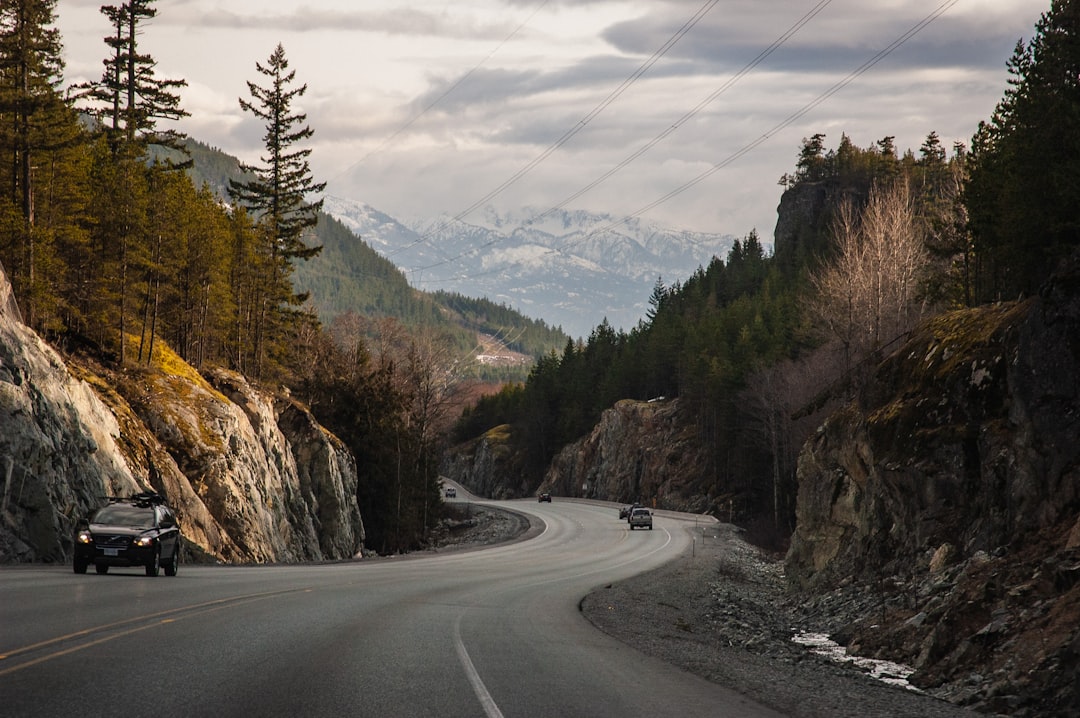
| Sea to Sky Highway | Canada | 125 km one-way | Easy, dense stops Vancouver to Whistler | May to October |
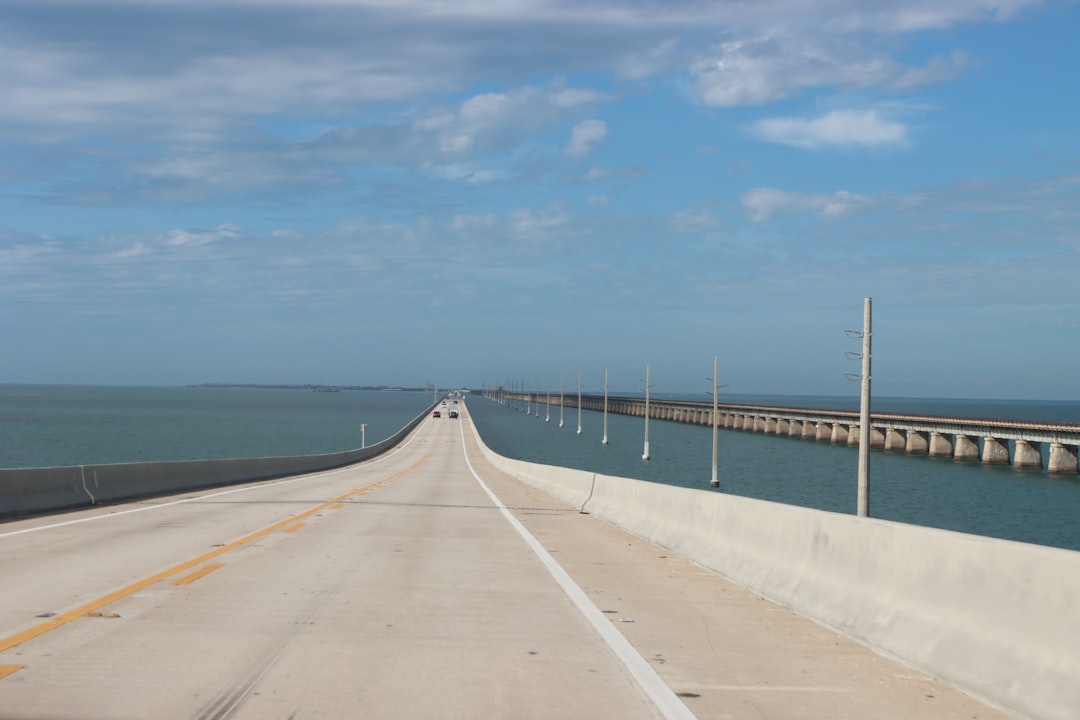
| Overseas Highway | United States | 230 km | Easy, chargers island to island | November to April |
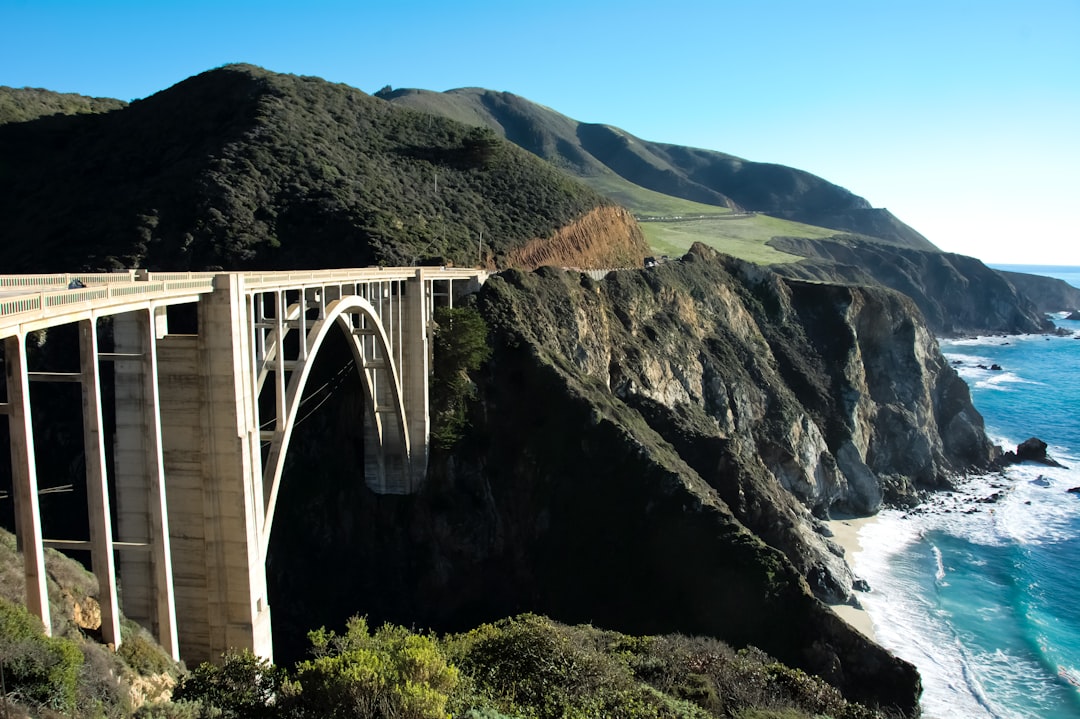
| Pacific Coast Highway | United States | 1,055 km | Excellent, dense California network | Summer to fall |
| Grand Teton to Yellowstone | United States | 320 km | Moderate, plan around park gaps | May to October |
| Icefields Parkway | Canada | 232 km | Sparse, charge full at each end | June to September |
| Route 66 | United States | 3,940 km | Improving, long desert gaps to plan | Spring and fall |
The pattern is clear. A short hop like the 125 km Sea to Sky Highway barely counts as a charging challenge, and the 230 km Overseas Highway through the Florida Keys is nearly as simple. The long, remote drives are where the homework pays off.
If you only plan one as your first electric road trip
Make it the Pacific Coast Highway. Over 1,055 km of easy California driving from summer into fall, it runs through the densest fast-charging network on any scenic route in the world, so you can relax into the coast instead of counting kilowatts. It is the drive that proves an EV road trip can be pure pleasure. For more curated ideas, browse our full EV road trips collection.
Build charging into the day's rhythm
Once the planning is done, the on-road part is about attitude. Stop treating charging as an interruption and start treating it as the structure of your day. A 30 to 40 minute fast charge is roughly a meal, a coffee, a walk to a viewpoint, or a museum. Line your stops up with the places you wanted to see anyway and the "lost" time mostly disappears.
Two habits make it effortless. First, charge on arrival, not on departure: plug in when you reach a town for lunch or the night, so the car is topping up while you are busy. Second, keep the battery in its happy middle band. Arriving somewhere at 15 percent and leaving at 80 is faster and kinder to the battery than chasing a full charge every time. On a relaxed route like the Cabot Trail at 298 km over three to four days, you may only need one deliberate charging stop a day.
What to pack for an electric road trip
Beyond the usual road-trip kit, bring the cables and adapters your car did not come with, a portable charger for slow overnight top-ups at accommodation, and a paper or offline note of your charging plan. A membership card or app for the major networks on your route saves fumbling at the machine. And pack patience for the rare bad charger: it happens, and a calm plan B is the whole difference.
Frequently asked questions
How much extra time does charging add to a road trip day?
Plan on 30 to 45 minutes of dedicated charging per 250 to 300 km of driving, though much of that overlaps with meals and sightseeing. On a well-networked route you might add under an hour to a full driving day. On remote routes with slow chargers, budget more and drive shorter days.
Can you drive Route 66 in an electric car?
Yes, and it gets easier every year, but Route 66 is not a beginner EV trip. Its 3,940 km include long desert gaps in the Southwest where chargers are still spread thin. Map every stop with a backup, keep the battery high before each gap, and drive it in spring or fall to avoid the heat that saps range.
What is the best EV road trip for a first-timer?
A short, popular route in a well-populated region. The 125 km Sea to Sky Highway near Vancouver or the 230 km Overseas Highway in Florida both have dense charging and forgiving distances, so you learn the rhythm without range anxiety.
How do I avoid range anxiety on an EV road trip?
Plan around 70 percent of your rated range, charge from 10 to 80 percent rather than to full, and always know your next charger and a backup before you leave each stop. Range anxiety is almost always a planning gap, not a car problem.
Should I charge to 100 percent before a long drive?
Only when you genuinely need the range to reach the next reliable charger, such as before a remote gap on the Icefields Parkway. Otherwise charging past 80 percent is slow and unnecessary. It is usually faster overall to stop again sooner.
An electric road trip rewards the planner. Do the charger homework once, keep your battery in its comfortable middle, and let the stops shape a slower, richer trip. Start with a forgiving classic like the Pacific Coast Highway, explore more ideas in the EV road trips collection, and plot your own charging plan on the interactive map.