A one-way rental lets you pick a car up in one city and drop it off in another, which is exactly what most of the world's great drives need. The trade-off is a one-way drop fee, and the smart move is knowing when that fee is worth paying and when a loop route lets you skip it entirely. This guide covers both, with real routes from our catalog.
Point-to-point classics like Route 66 or the Pacific Coast Highway simply are not loops. Renting a car and driving it back to the start would mean retracing thousands of kilometres you have already seen. A one-way rental fixes that, and once you understand how the fees work, it stops feeling like a penalty and starts feeling like the price of an open road.
What is a one-way rental, and when do you actually need one?
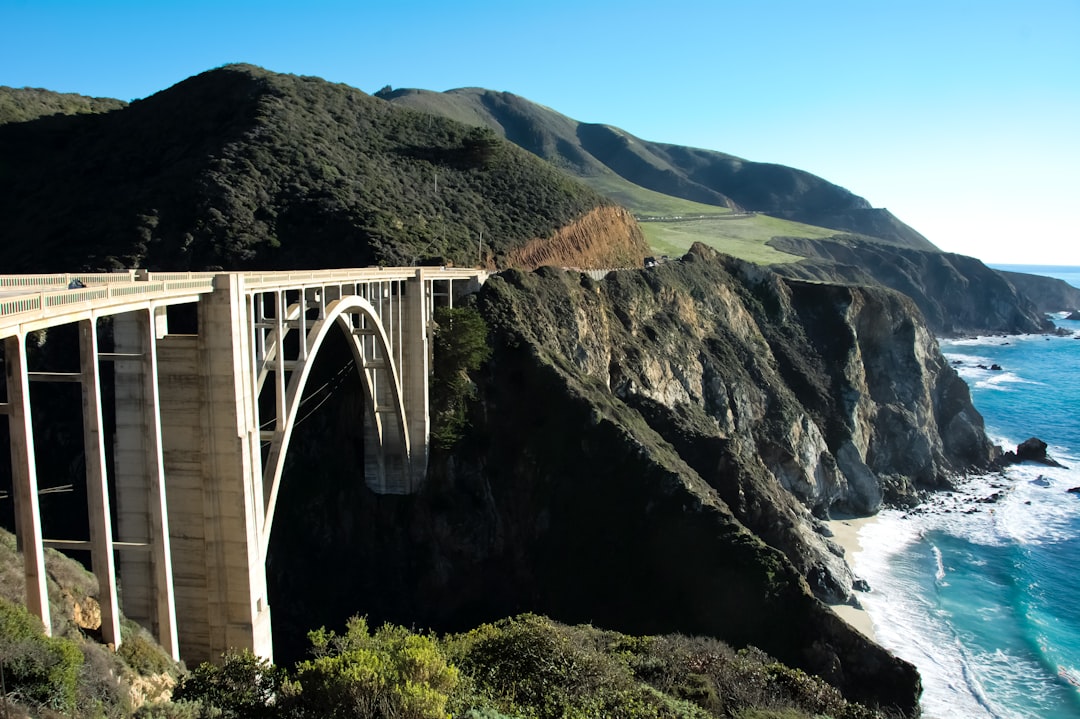
A one-way rental is a booking where the pickup and drop-off locations are different. You need one whenever your route is linear rather than circular. The Mother Road runs from Chicago to Santa Monica and never doubles back. The Pacific Coast Highway threads the California coast from north to south. Neither returns you to where you started, so a one-way booking is the natural fit.
You do not need a one-way rental for a loop. Iceland's Ring Road circles the whole island and delivers you back to Reykjavik. Scotland's North Coast 500 begins and ends in Inverness. On routes like these, a standard same-location rental is cheaper and simpler, because there is no drop fee at all.
The decision is that clean. Linear route, one-way rental. Circular route, same-location rental. Everything else is about managing the cost.
The one-way drop fee, explained
When you return a car to a different location, the rental company has to get that vehicle back into its home fleet or absorb it into a new market. They charge a one-way fee to cover that repositioning. The size of the fee depends on three things: the distance between pickup and drop-off, whether both locations are busy rental hubs, and the direction of demand.
That last point is the one travellers miss. Fees are lower when you drive in the direction the company already needs cars to move. A car dropped in a high-demand pickup city is useful to them, so the fee shrinks or disappears. Drive against the flow, into a quiet return market, and the fee climbs. Within a single metro area or a single country, one-way fees are often small or waived. Cross a state line or a national border and they can jump sharply.
Iconic one-way drives worth the drop fee
Some routes are so linear, and so worth it, that the drop fee is simply part of the budget. Here are grounded examples from the catalog, all point-to-point, ranked by how strongly they justify a one-way booking.
| Route | Country | Distance | Duration | Best season |
|---|---|---|---|---|
| Route 66 | United States | 3,940 km | 14 to 21 days | Spring / Fall |
| Alaska Highway | Canada | 2,400 km | 8 to 10 days | May to Sep |
| Pacific Coast Highway | United States | 1,055 km | 4 to 7 days | Summer / Fall |
| Cape Town and Garden Route | South Africa | About 850 km | 7 days | Oct to Apr |
| Blue Ridge Parkway | United States | 755 km | 5 to 6 days | May to Jun, Sep to Oct |
| Natchez Trace Parkway | United States | 715 km | 5 days | Spring / Fall |
| Icefields Parkway | Canada | 232 km | 2 days | Jun to Sep |
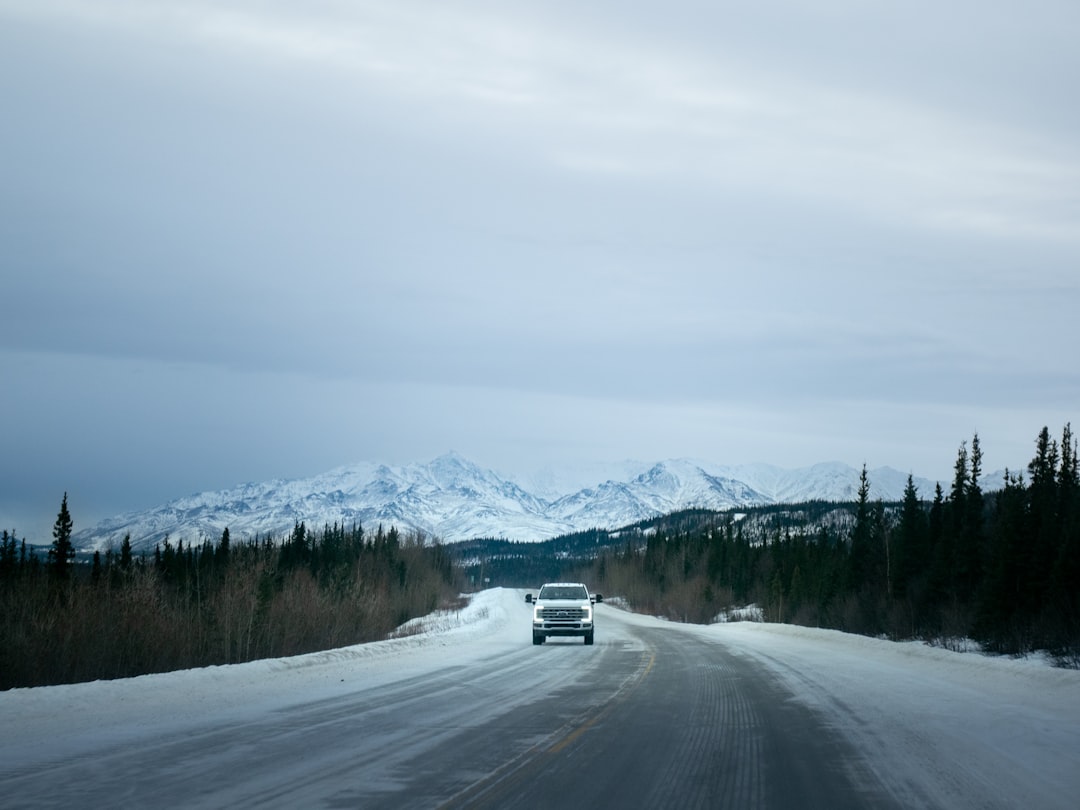
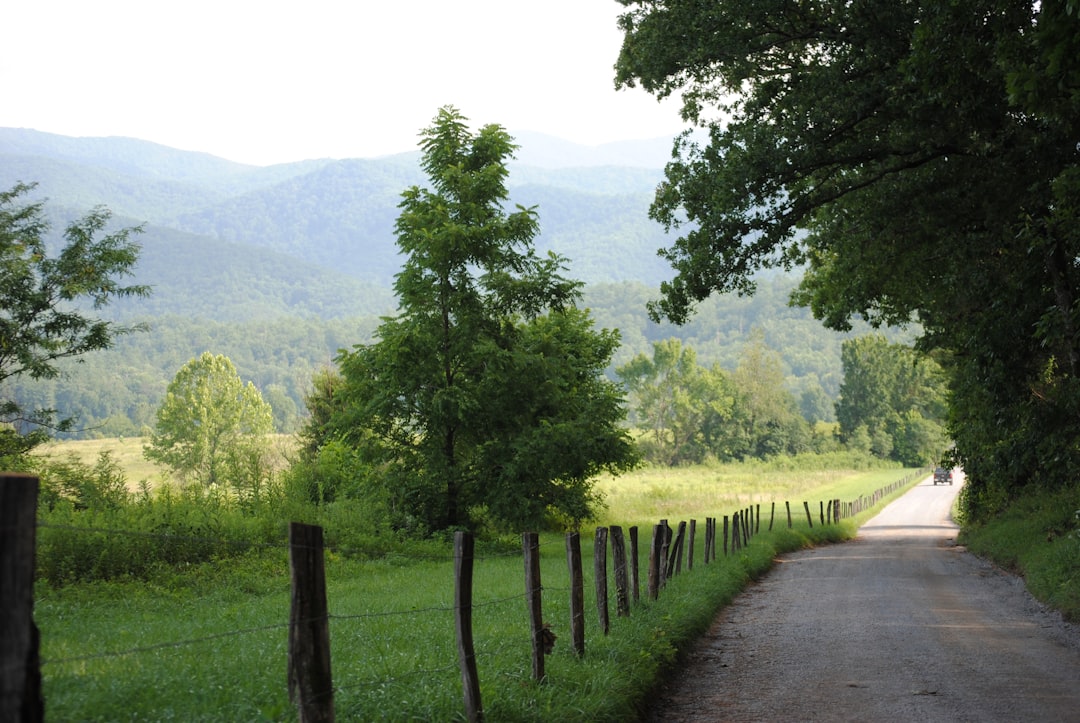
Route 66 tops the list because retracing 3,940 km of desert and plains to return your car would undo the entire trip. Fly into Chicago, drive to Santa Monica, drop the car, fly home. The Alaska Highway is the same logic at a wilder scale, a 2,400 km run best driven from May to September where doubling back through the Yukon is unthinkable. The Blue Ridge Parkway and the Natchez Trace Parkway are gentle linear parkways where a one-way booking turns a there-and-back slog into a clean line across the map. For a big linear adventure, browse the Epic Long Drives hub, where almost every route rewards a one-way plan.
If you only do one
Do Route 66 one-way. It is the drive that most needs it and the one that pays back the drop fee in full. A car returned in Los Angeles is exactly where the rental fleets want it, so the fee is often reasonable, and the payoff is 3,940 km of neon, desert, and open sky with no backtracking. Book the pickup in Chicago and the drop-off in the Santa Monica area, and let the road do the rest.
Loop drives that skip the drop fee entirely
If your budget is tight, a loop route sidesteps the one-way fee completely. You collect the car and return it to the same desk, so there is nothing extra to pay.
Iceland's Ring Road is the classic example: 1,332 km around the island over about nine days, back to where you began. Scotland's North Coast 500 is an 830 km loop from Inverness. Ireland's Ring of Kerry is a single-day circuit you can start and finish in Killarney. Canada's Cabot Trail loops Cape Breton Island in three to four days. On all of these, a same-location rental keeps the sums simple.
The takeaway: if you want to avoid one-way fees on principle, choose a loop and rent locally. If the drive you love happens to be linear, pay the fee and enjoy the point-to-point freedom.
How to book a one-way rental for less
The fee is negotiable in practice, even if the counter staff will not haggle. These moves reliably lower it.
- Drive with the demand. Returning a car to a bigger, busier city than you picked it up in often means a smaller fee, or none, because the company wants cars there.
- Compare pickup and drop-off airports. The same route priced from two different airport pairs can vary a lot. Try the neighbouring city.
- Book early and compare providers. One-way fees are set per route and per company, so quotes differ widely. Price two or three before committing.
- Keep it in one country where you can. Cross-border one-way rentals carry the steepest fees and the most paperwork. A domestic drop-off is almost always cheaper.
- Watch the season. Fees track demand, so a one-way booking in a route's peak window can cost more than the same trip a few weeks either side.
Plot your linear route on the interactive map first, confirm the start and end cities, then price the one-way rental for exactly those points.
Frequently asked questions
What is a one-way car rental fee?
It is a surcharge for returning a rental car to a different location than you collected it from. The company charges it to reposition the vehicle. The amount depends on the distance between the two points, how busy each location is, and whether you are driving with or against the direction they need cars to move.
How much does a one-way rental cost?
There is no fixed figure, because the fee is set per route and per company. Within one city or one country it is often small or waived. Cross a state line or a national border and it can rise sharply. Always price the exact pickup and drop-off pair, and compare a couple of providers before booking.
Which road trips need a one-way rental?
Any linear, point-to-point route. Route 66 from Chicago to Santa Monica, the Pacific Coast Highway down the California coast, the Alaska Highway, the Blue Ridge Parkway, and the Natchez Trace all run in a straight line and never return to the start.
Can I avoid the one-way fee?
Yes, by choosing a loop route and renting locally. Iceland's Ring Road, Scotland's North Coast 500, and Ireland's Ring of Kerry all return you to the pickup city, so a same-location rental applies with no drop fee. For linear routes, driving toward a high-demand return city is the best way to keep the fee low.
Are one-way rentals available internationally?
Often yes, but cross-border one-way rentals carry the highest fees and the most paperwork, and some companies do not allow the car to leave the country at all. Keeping the pickup and drop-off within one country is cheaper and simpler wherever your route allows it.
Ready to plan a point-to-point drive? Start with the full Route 66 guide, then open the interactive map to set your pickup and drop-off cities and price the one-way rental for exactly those points.