To plan a campervan road trip, sort out three things before anything else: what kind of van you actually need, where you are legally allowed to sleep in it, and how many kilometres a day the road will really let you cover. Get those right and the van becomes the best part of the trip. Get them wrong and you spend your evenings driving in circles looking for somewhere to park.
A campervan changes how a road trip works. You carry your bed, your kitchen and your plans with you, so you can slow down for a good view or move on when a place disappoints. You are also driving a taller, heavier, thirstier vehicle on roads often built for small cars. This guide covers the planning in order, with real routes and distances you can copy onto any drive. When you are ready, open the interactive map and start dropping pins.
Pick the van that fits the road, not the brochure
The brochure photo shows a big motorhome parked at the edge of a fjord, but the roads on most great drives are narrower than that suggests. A big coachbuilt van gives you a fixed bed, a proper shower and standing headroom, but it also needs wide roads, generous campsites and more fuel. A small camper or converted van sleeps two, parks almost anywhere and handles tight lanes, at the cost of comfort in bad weather.
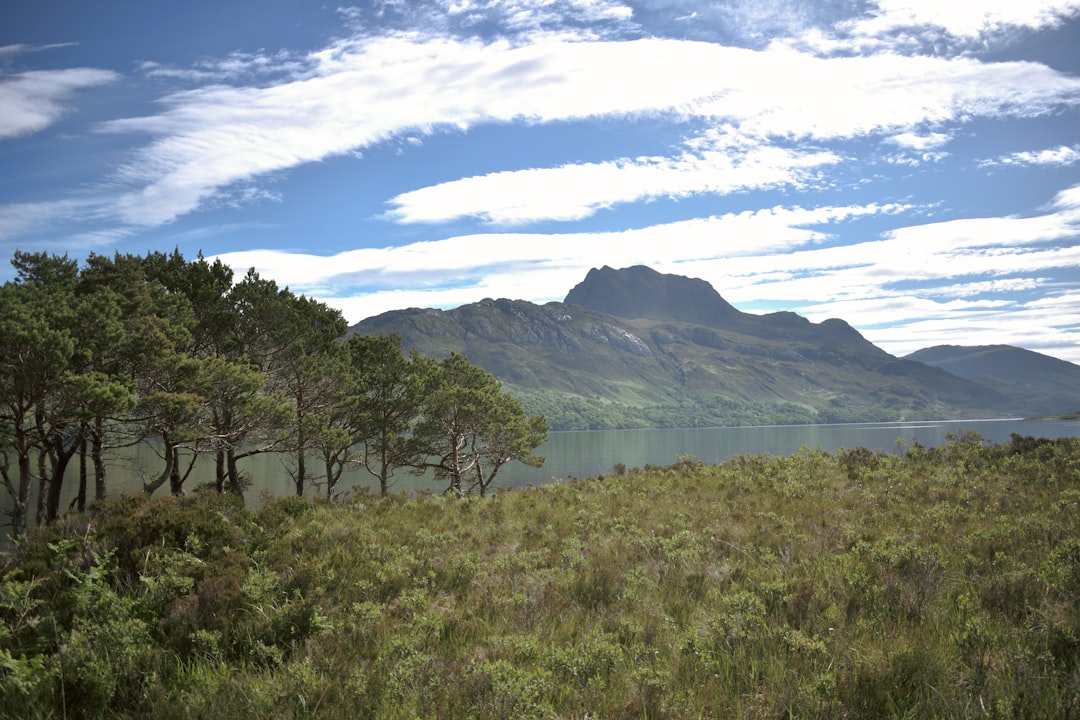
Match the size to the terrain you will actually meet. The single-track sections of the North Coast 500 in Scotland run for miles with passing places rather than two lanes, and an oversized motorhome turns every oncoming car into a slow reverse. On Iceland's Ring Road the paved circuit is fine for a camper, but the interior F-roads are closed to any standard vehicle, so a two-wheel-drive van keeps you on Route 1 and its side roads only. Decide where you want to go before you book the van, not after.
Two questions settle most bookings. Do you need to stand up and cook inside when it rains, or is a pop-top and an awning enough? And is the van self-contained, meaning it carries its own fresh and waste water and a sealed toilet? Self-containment is also a legal matter. In New Zealand and a growing list of regions it decides where you can and cannot stay overnight.
Know where you are allowed to sleep
Where you park for the night is the easiest thing to get wrong, and the likeliest to end in a knock on the window at 2am. Wild or free camping is romantic and, in a few countries, genuinely allowed. In most it is restricted, seasonal or banned outright, and the pressure from vans has tightened the rules on popular routes.
Sort your nights into three types and plan roughly how many of each you want:
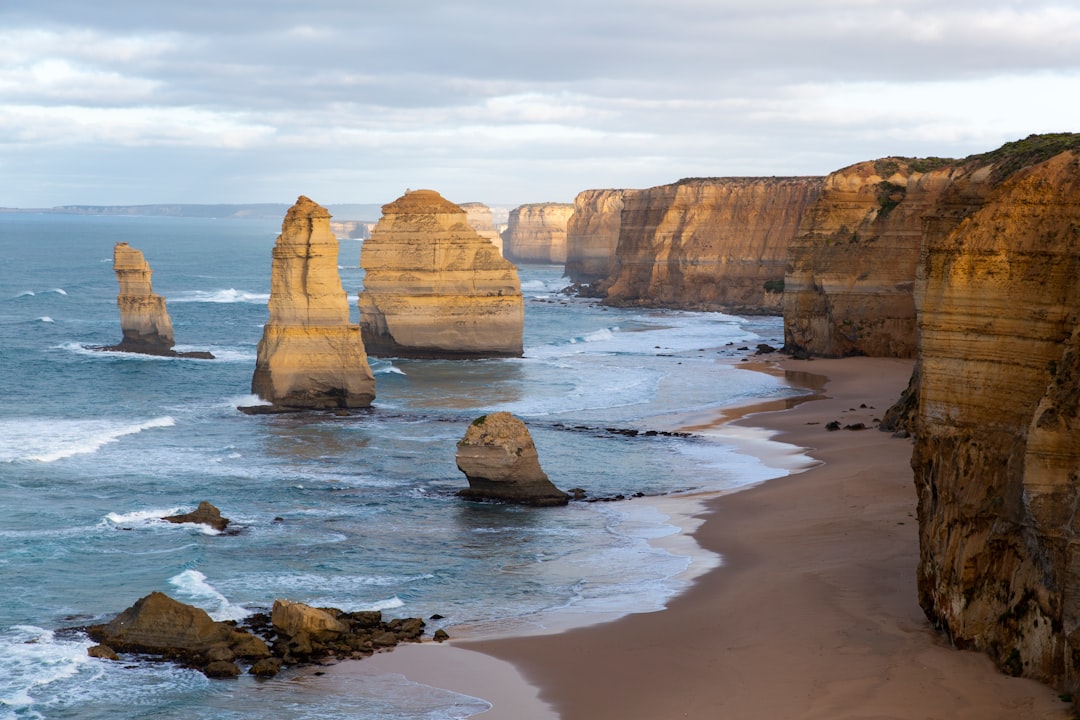
- Booked campsites and holiday parks. Powered pitches, showers, water and waste disposal. Book ahead in peak season on busy drives, especially near the Great Ocean Road over the November to April Australian summer, when coastal parks fill fast.
- Designated free or low-cost stopovers. Aires in France, farm stays, and official motorhome bays. Reliable, legal and often scenic, but you need to know they exist before you arrive.
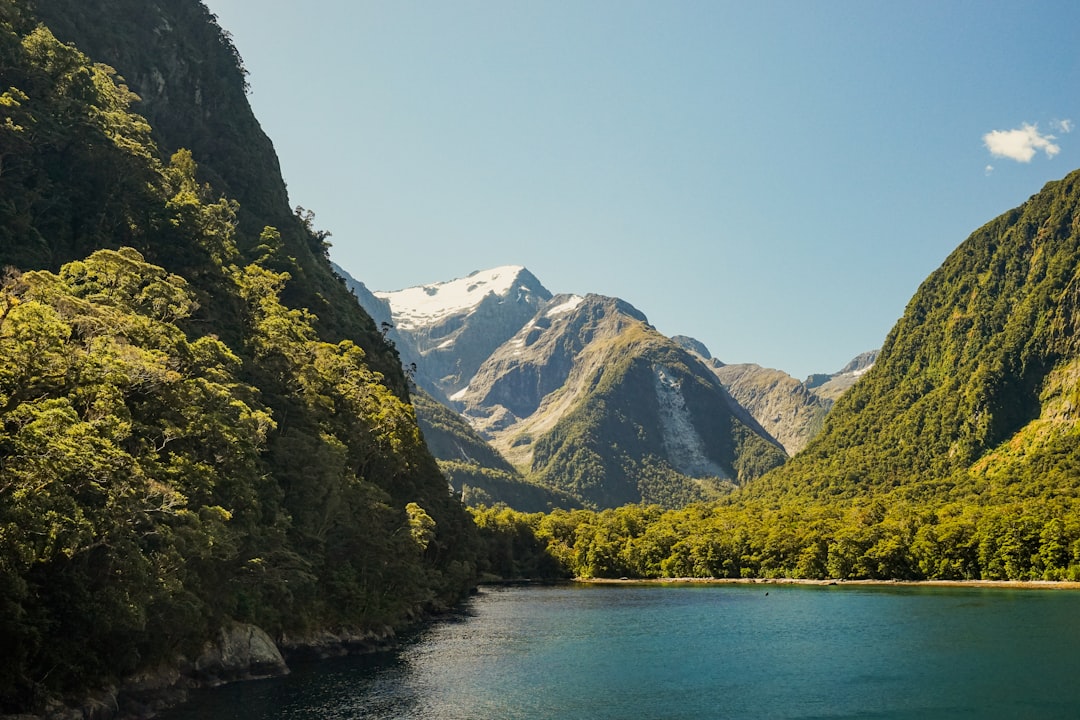
- Genuine wild camping. Only where the law and the landowner allow it, and only if your van is set up to leave no trace. On the Milford Sound Drive and across New Zealand, freedom camping is largely limited to self-contained vehicles in marked areas, and rangers check.
A workable pattern is to book the nights you know will be busy, use a stopover app for the flexible ones, and keep a paid campsite in reserve for laundry, a long shower and a full recharge every few days.
Match the route to your van and your nerve
Not every celebrated drive is an easy first van trip. Short, well-serviced routes through populated regions leave room for a beginner to find their feet, while long, remote crossings give you little margin for error. Here is how a handful of catalog favourites compare for a campervan, using their real distances and seasons.
| Route | Country | Distance | Days | Best season |
|---|---|---|---|---|
| Milford Sound Drive | New Zealand | 240 km return | 2 | November to April |
| Great Ocean Road | Australia | 660 km | 3 | November to April |
| North Coast 500 | Scotland | 830 km | 6 | May to September |
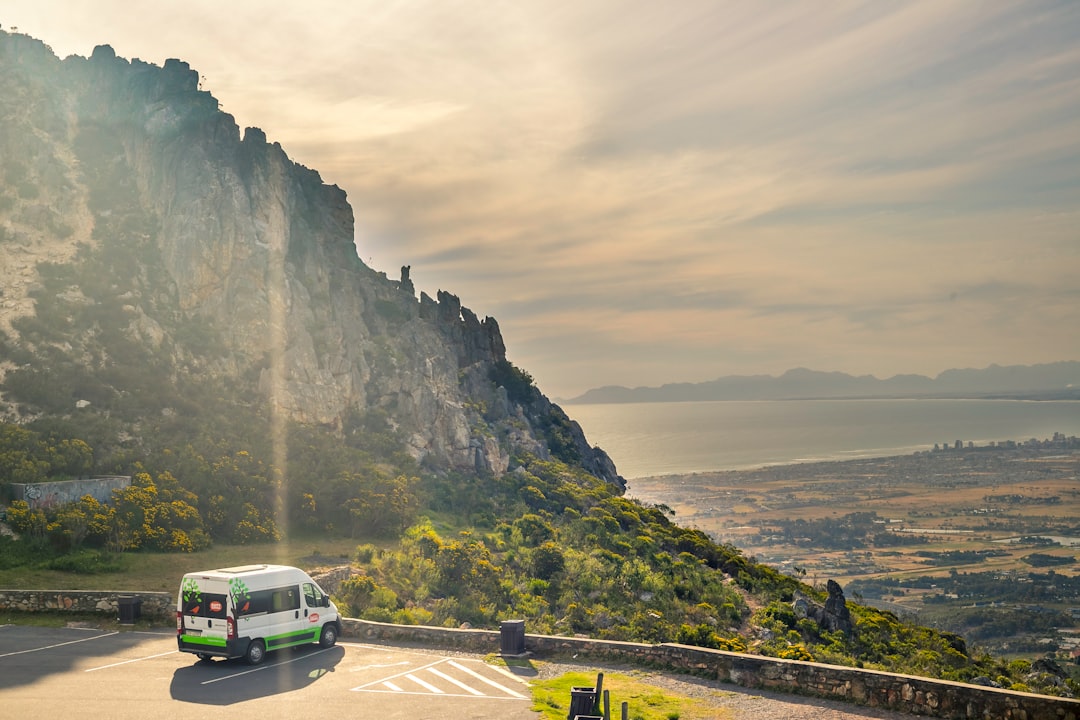
| Garden Route | South Africa | about 850 km | 7 | October to April |
| Iceland Ring Road | Iceland | 1,332 km | 9 | June to September |
Distance and remoteness set the difficulty here. The 240 km return run to Milford Sound over two days is short enough that a first-timer can focus on the driving, though the road funnels through the single 1.2 km Homer Tunnel and fills with day traffic by mid-morning. The 1,332 km Iceland circuit over nine days is the opposite: long, exposed, and dependent on fuel and water stops you have to plan around the East Fjords and north coast.
If you want the gentlest introduction, the Great Ocean Road packs coast, rainforest and the Twelve Apostles into three easy days a new van driver can handle, with holiday parks the whole way. For the full self-contained loop, the Iceland Ring Road is the one people plan for years, as long as you respect its season and remoteness. Browse the wider coastal drives collection for more routes that suit a camper.
Plan shorter days than you think
The biggest first-trip mistake is treating a campervan like a car. It is slower to drive, slower to park and slower to pack up each morning, and the whole point is the places you stop, not the distance you cover. Plan around driving hours, not map distance.
A comfortable van day is three to five hours of actual driving, which leaves time to reach a site before dark, level the van, cook and still enjoy where you are. On the Garden Route's roughly 850 km over seven days, that is easy half-days with long afternoons. Add buffer for the slow bits: mountain passes, single-track lanes, ferry queues and the fact that a loaded van climbs hills at its own pace.
Arrive early too. Campsites and the best free stopovers fill through the afternoon in high season, and setting up in daylight beats hunting for a level spot with a head torch.
Pack for a small kitchen and changeable weather
A van is a tiny home, so pack like you are moving into one rather than going on holiday. The kit that earns its space is the boring kind:
- Levelling ramps and chocks. A sloping pitch ruins sleep and stops the fridge working properly.
- A long fresh-water hose and a filter. Site taps vary, and a filter means you can fill anywhere without second-guessing the water.
- Warm layers and proper bedding. Even summer routes turn cold at night, and the Iceland and Scotland drives can be cold and wet in any month.
- Offline maps and a paper backup. Signal drops out across the Highlands, the East Fjords and much of the New Zealand fiordland, exactly where you most need directions.
- A simple two-pot cooking setup. Most van meals come down to one pan and one pot, so pack for that rather than a full kitchen you will never use.
Keep a launderette and a supermarket in your rough plan every few days, so you never spend a morning hunting for clean clothes or a gas refill.
Frequently asked questions
Do I need a special licence to drive a campervan?
For most small and medium campervans a standard car licence is enough. Larger, heavier motorhomes can cross the weight limit of a basic licence in some countries, so check the van's laden weight against your licence category before you book.
Is it cheaper to camp in a van than to book hotels?
Often, but not always. You save on hotels and restaurant meals, and you spend more on fuel, campsite fees and the van hire. A van pays off most on longer trips through expensive regions where hotels and eating out would cost far more than pitch fees.
Can I sleep anywhere in a campervan?
No. Rules vary by country and often by region, and popular routes have tightened them. Booked campsites and designated stopovers are always safe, while genuine wild camping is legal only in specific places and usually only for self-contained vans. Check local rules before each night rather than assuming.
How many hours a day should I drive in a campervan?
Aim for three to five hours of actual driving. A van is slower to drive and pack up than a car, and shorter days leave time to reach a site in daylight, set up and enjoy the stop.
What is the best campervan road trip for beginners?
A short, well-serviced route through a populated region. The three-day Great Ocean Road in Australia and the two-day Milford Sound Drive in New Zealand keep distances low and campsites frequent, so a first-timer can settle into van driving before a long remote loop.
Ready to plan your own? Start with the full Iceland Ring Road guide for the definitive self-contained loop, then open the interactive map to build the route night by night.