To plan a road trip with a dog, choose a route with short daily legs and frequent places to walk, book dog-friendly rooms before you go, and keep water, shade, and rest at every stop so your dog never waits in a hot car. A dog turns the trip into a string of short walks between drives, which happens to be the healthiest way to road trip anyway.
A good dog road trip runs on a simple rhythm: drive an hour or two, stop, let everyone stretch and drink, then drive again. This guide covers how to pick a route that suits that pace, how to pack for the back seat, and how to keep your dog safe in heat, on ferries, and across borders.
What makes a route work with a dog?
Dogs cope badly with two things on a road trip: long unbroken drives, and heat with nowhere to cool down. The best routes avoid both. Check any drive against four things before you commit.
- Short legs and frequent stops. Two hours of driving between proper breaks is plenty. A road with regular pull-offs matters more than a short total distance.
- Walks at the stops. Trailheads, grassy verges, beaches, and quiet overlooks give a dog a reason to get out and burn energy, which keeps the next leg calm.
- A climate you can manage. Shade, mild temperatures, and a season when you are not fighting midday heat. A parked car on a warm day climbs into the danger zone within minutes.
- Dog-friendly places to sleep and eat. Rooms, campsites, and cafes that take dogs, booked ahead. Rural loops have fewer options, so plan the nights early.
National parks are the common trap. Many limit dogs to paved areas and campgrounds and keep them off the trails, so check each park's pet rules before you build a day around a hike.
Choose a route built for short walks
Start from a drive whose pace already suits a dog, then shape the days around the stops. These catalogue routes all pair easy driving with frequent places to pull over and walk. Every figure comes from the RoadAtlas route guides.
| Route | Country | Distance | Duration | Best season | Why it suits a dog |
|---|---|---|---|---|---|
| Blue Ridge Parkway | United States | 755 km | 5 to 6 days | May to Jun, Sep to Oct | Low speed limit, overlooks every few km, no commercial traffic |
| Natchez Trace Parkway | United States | 715 km | 5 days | Spring, Fall | 50 mph limit, forest pull-offs, quiet the whole way |
| Cabot Trail | Canada | 298 km | 3 to 4 days | Jun to Oct | A short coastal loop you can do over a long weekend |
| Seattle to Olympic Peninsula | United States | about 720 km | 3 days | Late spring to early fall | Forests, Pacific beaches, a loop with a ferry |
| Ring of Kerry | Ireland | 179 km | 1 day | Late spring to early autumn | Easy one-day loop, short enough for a nervous traveller |
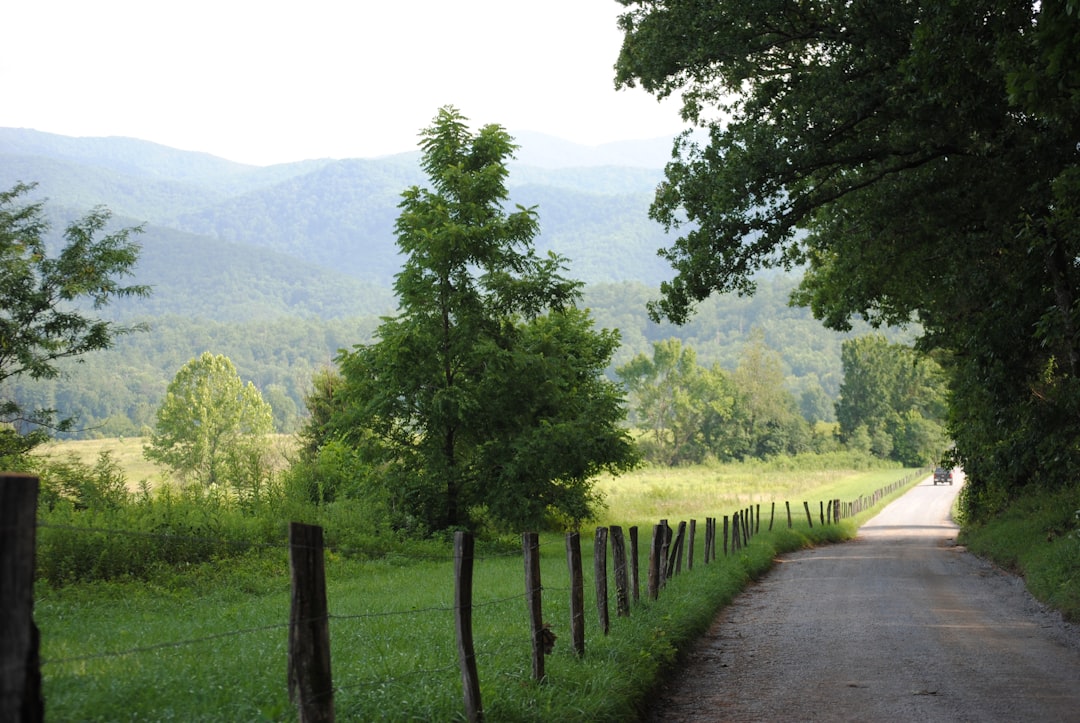
For a first road trip with a dog, the Blue Ridge Parkway is hard to beat. Its 755 km run along the ridge-tops with no commercial traffic, no stoplights, and a low speed limit, and named overlooks appear every few kilometres, so you can stop to walk almost whenever your dog needs it. Spread across five or six unhurried days in late spring or autumn, the heat stays manageable and the legs stay short.
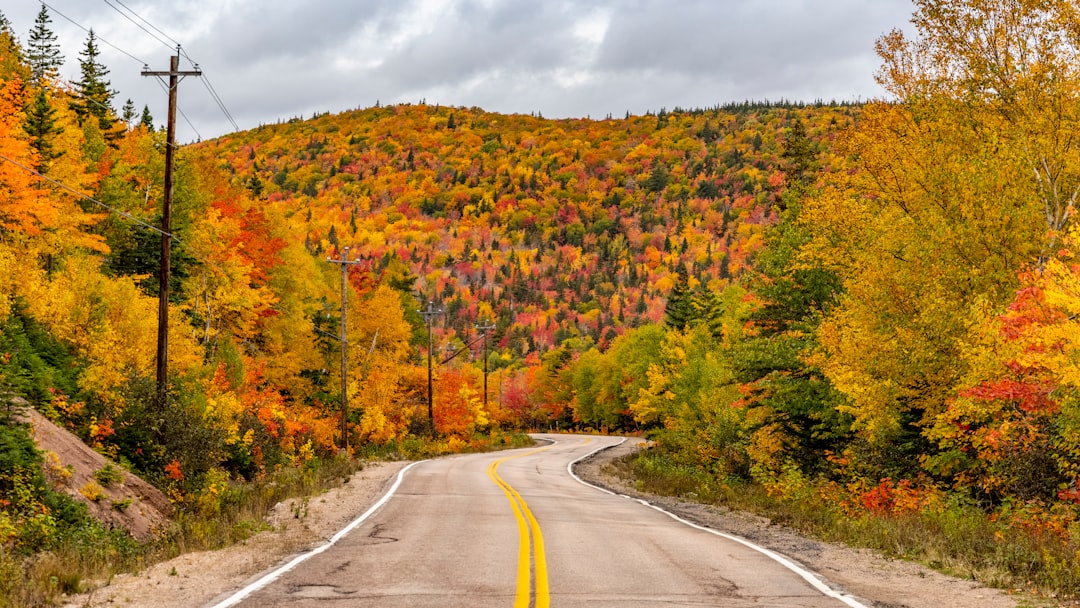
For the same slow-parkway rhythm with even less traffic, the Natchez Trace Parkway holds a 50 mph limit across 715 km of forest and historic sites. It has little fuel or food and thin phone coverage along the way, so carry water, keep the tank full, and fix your dog-friendly stops in advance. For a long weekend, Nova Scotia's 298 km Cabot Trail loops the Cape Breton Highlands in three or four days, though its steep grades and cliff-edge curves ask for a confident driver.
Want to see every option and map the stops? Browse the full catalogue on the interactive map.
Pace the days around walks, not distance
The most common mistake is treating the route's total distance as a daily target. Break it into short legs and let each one end at a walk.
- Halve your usual daily distance. If you would drive 500 km alone, plan 200 to 250 with a dog and use the rest of the day for stops.
- Stop every two hours at least. Water, a short walk, and a chance to toilet. Set the reminder even when the dog seems settled.
- Anchor each day to one good walk. A beach, a forest trail, a lakeshore. The walk is the point of the day, and the drive just links them.
- Drive in the cool hours. Mornings and evenings keep the car comfortable and leave the hot middle of the day for a long shaded break.
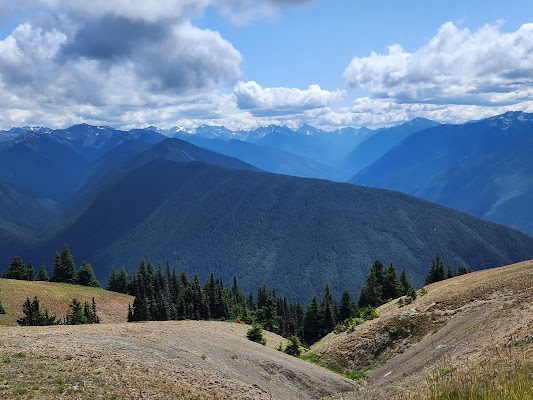
The Seattle to Olympic Peninsula circuit builds this rhythm in: about 720 km over three days, with rainforest, lake shores, and Pacific beaches between short drives, plus a ferry crossing to plan around.
Pack for the dog
Most of a dog kit is small and easy to forget. Pack it where you can reach it from a stop, not buried in the boot.
- Water and a travel bowl. More than you think, plus a collapsible bowl for every stop. Dogs dehydrate fast in a warm car.
- A crate or a crash-tested harness. A secured dog is safer for everyone and legal in more places than a loose one. Fit it before you leave, not at the first rest area.
- Food with a few days' buffer. Keep to the usual food to avoid an upset stomach far from home, and pack a little extra for delays.
- Vaccination and microchip records. Paper or photos on your phone. You may need them for campsites, borders, or a vet visit.
- A dog first-aid kit and any medicines. Tick remover, paw balm, regular medication, and the number of a vet near your route.
- Towels, waste bags, and a familiar blanket. The blanket gives a nervous dog its own scent in a strange room, and the rest you will use daily.
Keep your dog safe and comfortable
Dog safety on the road comes down mostly to heat and restraint. Never leave a dog in a parked car on a warm day, even in shade with the windows cracked, because the inside temperature climbs into a dangerous range within minutes. Plan stops where the dog can come with you or where someone can stay with it. Secure the dog in a crate or harness for every leg so a hard stop does not throw it forward. Walk on a lead near traffic and at viewpoints, carry water for the dog as well as for yourselves, and watch hot pavement, which burns paws in summer. On remote stretches like the Natchez Trace, download offline maps and note the nearest vet before you lose signal.
Crossing a border adds paperwork. Pet rules, vaccination requirements, and tapeworm or rabies treatments vary by country and can need weeks of lead time, so check the destination's import rules early. Our guide to planning an international road trip covers the documents and timing.
Frequently asked questions
What is the best road trip for a dog?
A slow, paved route with frequent stops, like the Blue Ridge Parkway, suits a dog best. Its low speed limit and overlooks every few kilometres let you break the drive into short legs with a walk at almost every stop.
How often should you stop on a road trip with a dog?
Stop at least every two hours for water, a short walk, and a toilet break. Keep individual driving legs to roughly two hours and plan each day around one longer walk rather than a big distance.
Can you leave a dog in the car on a road trip?
Not on a warm day. A parked car heats into a dangerous range within minutes, even in shade with the windows cracked, so plan stops where the dog can come with you or someone can stay with it.
How do you keep a dog calm in the car?
Secure it in a familiar crate or harness, bring a blanket that smells of home, and drive in the cooler morning and evening hours. Short legs with regular walks burn energy and settle most dogs within a day or two.
What do you need to cross a border with a dog?
Up-to-date vaccination and microchip records, plus any treatments the destination requires, such as rabies or tapeworm, which can need weeks of lead time. Check the country's pet import rules well before you go.
Ready to plan a drive your dog will love? Start with the slow, stop-friendly Blue Ridge Parkway route guide, compare the whole catalogue on the interactive map, and keep the legs short enough to end every one at a walk.