To plan an international road trip, sort out six things before you fly: which side of the road you will drive on, whether you need an International Driving Permit, how the country charges for its roads, your rental and insurance, the season the route is actually open, and a realistic daily pace. Get those right at home and the driving abroad feels no harder than driving down the road.
A road trip in another country is one of the best ways to see it, but the friction is rarely the driving itself. It is the small unfamiliar rules: a toll sticker you were supposed to buy at the border, a licence translation the rental desk asks for, a mountain pass that does not open until July. This guide walks through the planning in the order that matters, using real routes so you can copy the method onto any drive. When you are ready to sketch your own, open the interactive map and start dropping pins.
Step 1: check which side of the road you will drive on
This is the single fact that decides how relaxed your first day feels, so settle it first. Most of the world drives on the right, but a large and popular list of road trip countries drives on the left, including the United Kingdom, Ireland, Australia, New Zealand, and Japan.
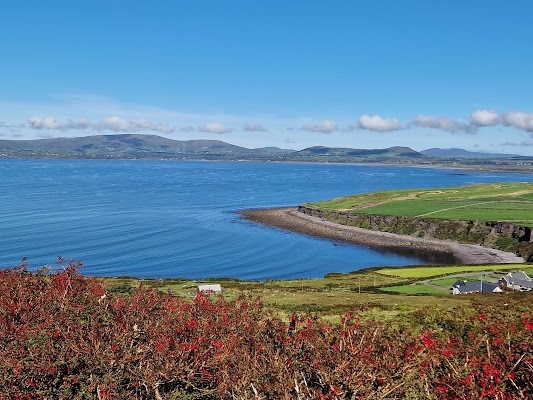
If you are switching sides from what you know at home, plan an easy first leg. A gentle single-day loop like Ireland's Ring of Kerry, 179 km of coast at an unhurried pace, is a far kinder introduction to driving on the left than a motorway in the dark. The two habits that catch people out are roundabouts, which turn the opposite way, and judging the left edge of the car. Give yourself a quiet morning to let both become automatic.
Step 2: sort your licence and International Driving Permit
Your home driving licence is usually valid abroad for a visit, but many countries also want an International Driving Permit (IDP) alongside it. An IDP is not a licence in its own right. It is an official translation of yours into several languages, and it only works when carried with the original licence.
The important thing is that you almost always have to obtain an IDP in your home country before you leave, from the body that issues them where you live. You cannot buy one at the destination. Check the rules for your specific nationality and destination well ahead of time, because processing can take days or weeks, and carry both documents whenever you drive.
Step 3: learn how the country charges for its roads
Road pricing is where unprepared travellers get fined, because the systems are completely different from country to country. There are broadly two models, and some countries mix them.
| Country | Side of the road | Typical road charging | A signature drive |
|---|---|---|---|
| UK and Ireland | Left | Mostly free, a few bridge and city charges | North Coast 500, Scotland |
| Italy | Right | Ticket-and-pay motorways, city ZTL zones | Amalfi Coast |
| Austria and Switzerland | Right | Vignette sticker or e-vignette required | Grossglockner High Alpine Road |
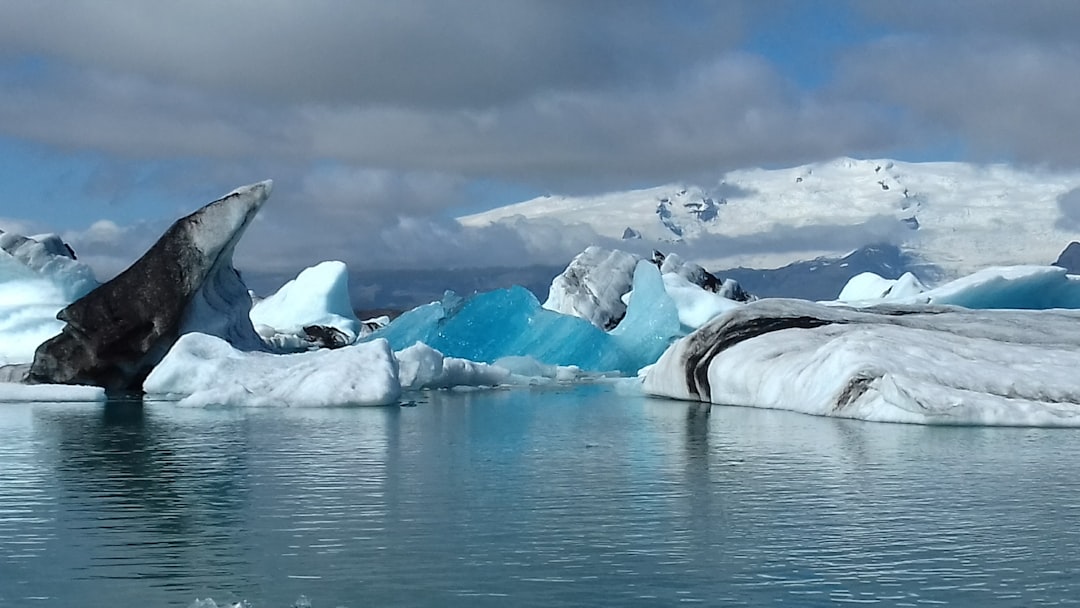
| Iceland | Right | Mostly free, one paid tunnel | Ring Road |
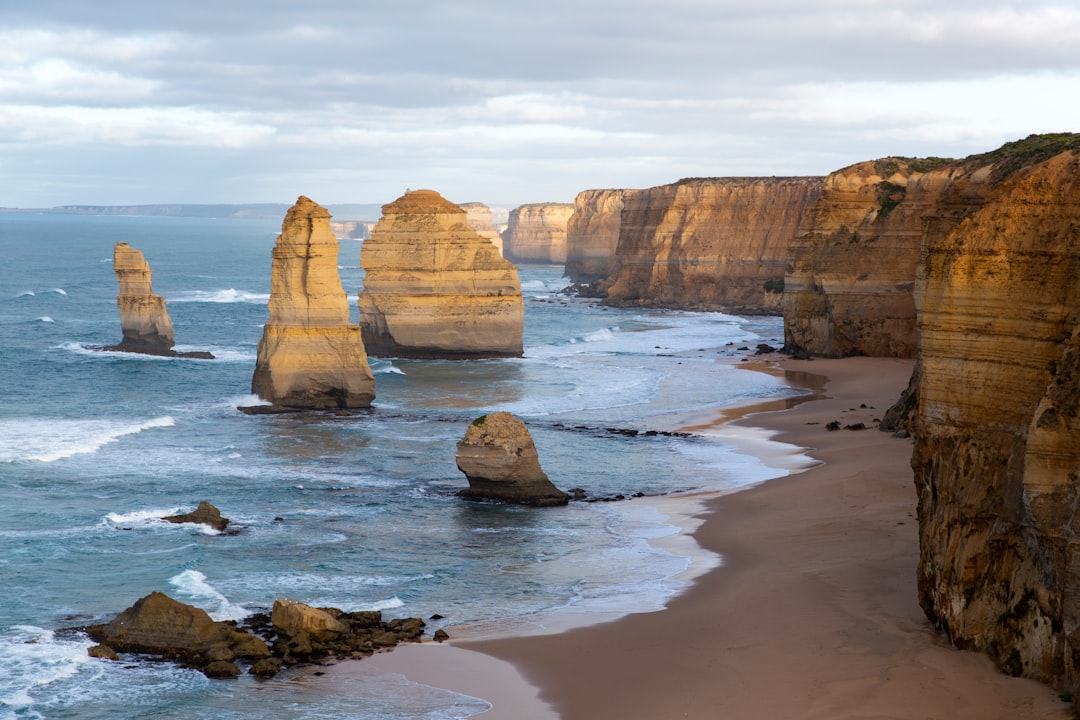
| Australia | Left | Electronic tolls near big cities | Great Ocean Road |
Vignette countries ask you to buy a sticker or an electronic pass before you use the motorways, and driving without one is a fine, not a toll booth. Austria, Switzerland, Slovenia, and several central European countries work this way, so buy the vignette at the border or online before you set off. Pay-as-you-go countries like Italy, France, and Spain hand you a ticket on entry and charge you on exit. And watch for city rules: Italy's limited-traffic zones, the ZTL, ring many historic centres with cameras, so on a drive like the Amalfi Coast you park outside the old town rather than nosing into it.
Step 4: choose the rental and the right insurance
Book a car that suits the terrain, not just the price. A compact is perfect for the narrow lanes above the Amalfi Coast, while a bigger, higher car earns its keep on the gravel and river gaps of remote regions.
- Read the insurance line by line. The headline rate rarely includes full cover. Look at the excess, or deductible, and decide whether to reduce it through the rental company or a separate annual policy.
- Declare your route. Some companies restrict gravel roads, mountain passes, or taking the car across a border. If your plan crosses a frontier, get that written on the agreement.
- Ask who pays the tolls. On Iceland's Ring Road, for example, the Vaðlaheiðargöng tunnel toll is paid online within a day of passing through, and rental companies differ on whether they cover it or add a surcharge. Ask at the desk.
- Consider a one-way fee. Point-to-point drives can beat loops for scenery, but confirm the drop-off charge before you commit.
Step 5: time it to the season the road is open
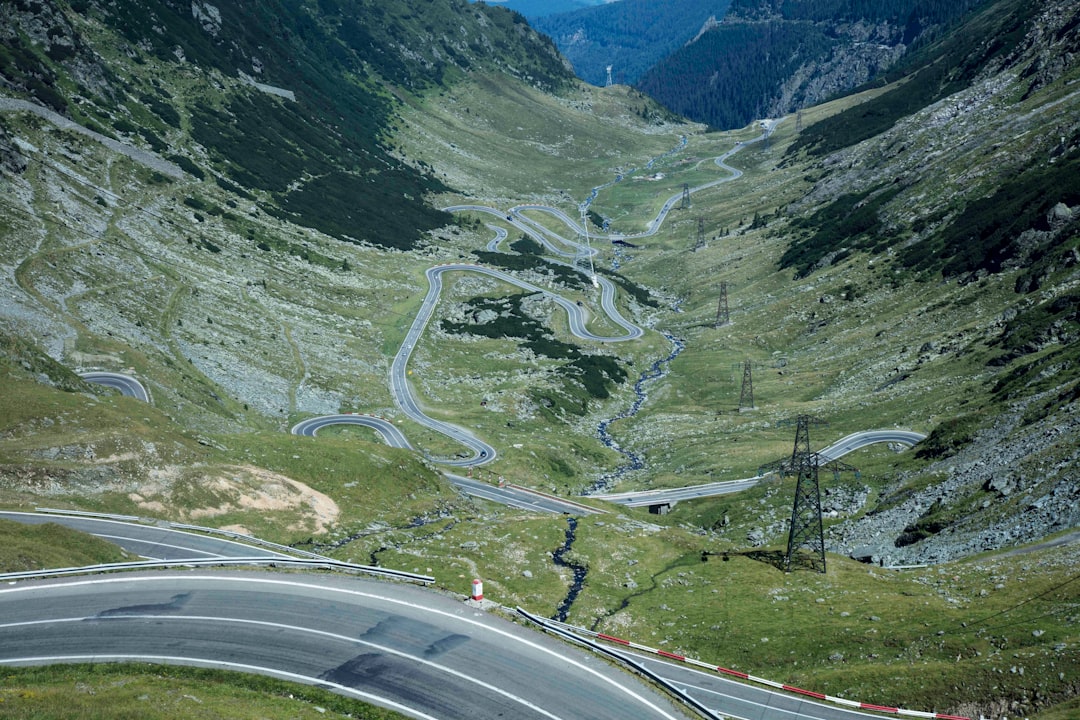
A great foreign road in the wrong month can be shut by snow or washed out by rain, and abroad you have less local knowledge to fall back on. High mountain routes are the strictest: Romania's Transfagarasan is only clear of snow from roughly July to October and closed the rest of the year, and Austria's Grossglockner High Alpine Road opens only from early May to early November.
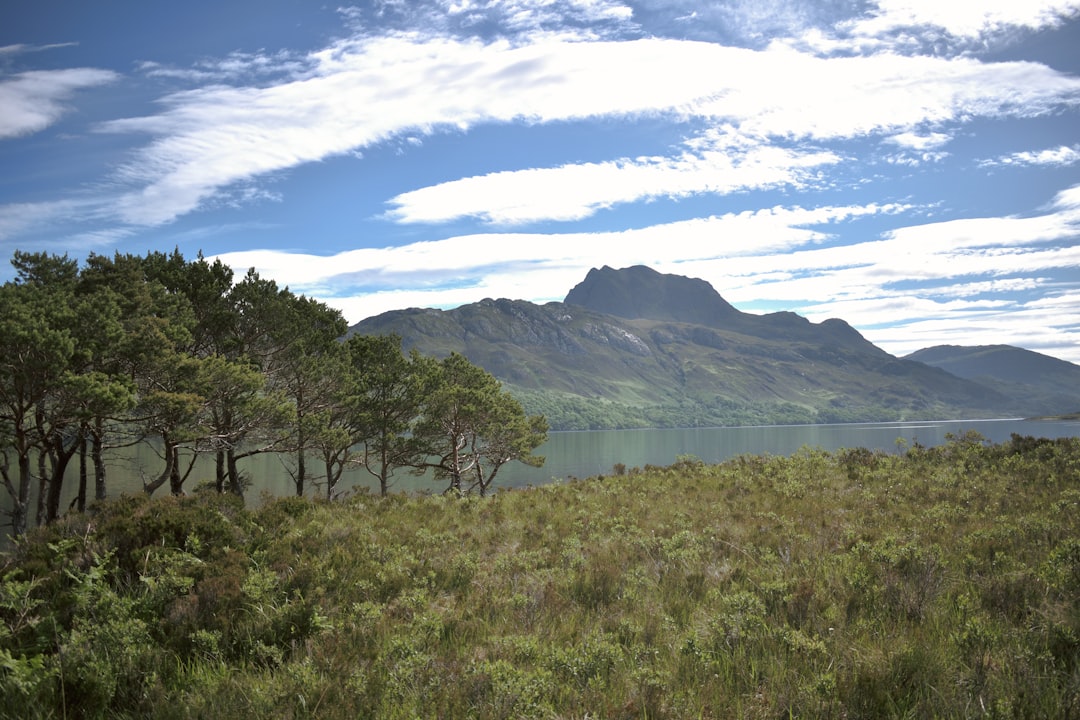
Coastal and island drives have gentler but real windows. Scotland's North Coast 500 is at its best from May to September across its 830 km, Iceland's Ring Road is easiest from June to September, and because the southern hemisphere flips the calendar, the Great Ocean Road shines from November to April. Cross-check your travel dates against the route's season before you book flights, because it is far easier to change the route than to fight the weather.
Step 6: plan a gentler daily pace than you would at home
Everything takes longer in an unfamiliar country. Signs read differently, fuel stops need a moment of translation, and you will want to actually stop and look. Plan shorter driving days than you would on home roads, and build in slack for the unexpected road closure or the village you did not want to leave.
A useful rule is to treat catalog durations as the honest minimum. When the Ring of Kerry is listed as a full day and the Amalfi Coast as three, that assumes you are stopping to enjoy the road, not setting a personal best. Leave the last hour of daylight free so you are never hunting for a hotel in the dark on the wrong side of the road.
Frequently asked questions
Do I need an International Driving Permit to drive abroad?
Often, yes. Many countries require or recommend an IDP alongside your home licence, and it must usually be obtained in your own country before you travel. Check the specific rules for your nationality and destination, and always carry both the permit and your original licence.
Which countries drive on the left?
The best known are the United Kingdom, Ireland, Australia, New Zealand, Japan, and much of southern Africa and the Caribbean. If you normally drive on the right, plan an easy first day, watch the roundabouts, and give yourself time to adjust.
How do road tolls work in Europe?
It depends on the country. Some, like Austria and Switzerland, use a vignette sticker or e-vignette you must buy before using the motorways. Others, like Italy and France, give you a ticket and charge you on exit. Sort out the vignette countries at the border so you are not fined.
Is it safe to drive a rental car across a border?
Usually, but only if the rental company allows it. Some agreements restrict cross-border travel or specific countries, and insurance may not follow you across. Tell the rental desk your route and get permission noted on the contract before you leave.
How many hours a day should I drive on an international road trip?
Fewer than you think. Plan shorter days than you would at home to absorb unfamiliar signs, navigation, and stops, and keep the final hour of daylight free for finding your accommodation.
Pick a country, settle these six questions, and the foreign road stops being intimidating and starts being the best part of the trip. Browse the full route catalogue and start plotting your border-crossing itinerary on the interactive map.