The best wildlife road trips in the Americas let you drive to the animals, from jaguars in the Brazilian Pantanal to whales off the Patagonian coast. Our top pick is the Transpantaneira in Brazil, 147 km of raised dirt track on 122 wooden bridges into the Northern Pantanal, where the dry season pulls jaguars onto the riverbanks. The nine drives that follow run the length of the hemisphere, from grizzly country in Wyoming to the penguin colonies of the Argentine coast, each one drawn from our catalog with its real distance, season, and stops.
Wildlife here runs on two calendars. The North American routes peak through the northern summer and into October, while the southern drives wake up from October onward as spring spreads down the continent. This guide ranks ten self-drive routes by how much you are likely to see and how close the road gets you, with the best months for each.
The best wildlife road trips at a glance
| Rank | Route | Country | Distance | Duration | Best season |
|---|---|---|---|---|---|
| 1 | Transpantaneira | Brazil | 147 km | 3 days | Jul to Oct |
| 2 | Grand Teton to Yellowstone | United States | 320 km | 4 to 5 days | May to Oct |
| 3 | Península Valdés and Atlantic Patagonia | Argentina | 850 km | 6 days | Oct to Apr |
| 4 | Costa Rica Parks and Wildlife | Costa Rica | 600 km | 5 to 7 days | Dec to Apr |
| 5 | Baja California Highway 1 | Mexico | 1,700 km | 10 to 14 days | Oct to Apr |
| 6 | Vancouver Island | Canada | 950 km | 7 days | May to Sep |
| 7 | Seward Highway | United States | 202 km | 1 to 2 days | May to Sep |
| 8 | Iberá Wetlands | Argentina | 360 km | 3 days | May to Oct |
| 9 | Sierra Nevada and Tayrona | Colombia | 190 km | 3 days | Dec to Apr |
| 10 | Cape Ann | United States | 86 km | 2 days | May to Oct |
1. Transpantaneira, Brazil
The Transpantaneira is the only road into the Northern Pantanal, 147 km of raised dirt and 122 wooden bridges across the world's largest tropical wetland. Drive it in the dry season, from July to October, and the water pulls back to leave the animals in the open: caimans basking at the foot of every bridge, capybaras grazing the verges, and, at the end of the road at Porto Jofre, the Cuiabá River banks where wild jaguars come down to the water. Three days is enough to reach the river and work your way back. Book a riverboat morning at Porto Jofre, where the cats are easiest to find.
2. Grand Teton to Yellowstone, United States
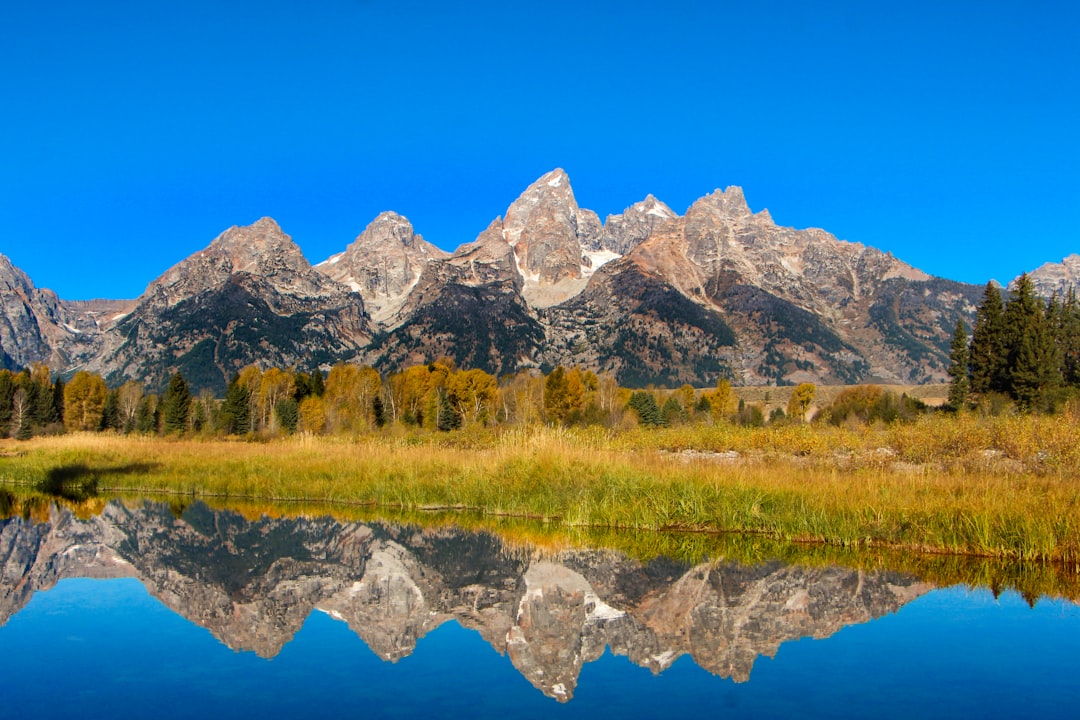
The 320 km run from the Tetons into Yellowstone is the strongest wildlife drive in North America. It starts under the jagged skyline above Jackson Hole, climbs through moose meadows and bison herds, and crosses into the world's first national park past Old Faithful and the Grand Prismatic Spring. Save your evenings for the Lamar Valley in the northeast, where wolves and grizzlies work the grasslands and the bison move in thousands. Give it four to five days from May to October, keep a safe distance from everything, and carry bear spray on any trail.
3. Península Valdés and Atlantic Patagonia, Argentina
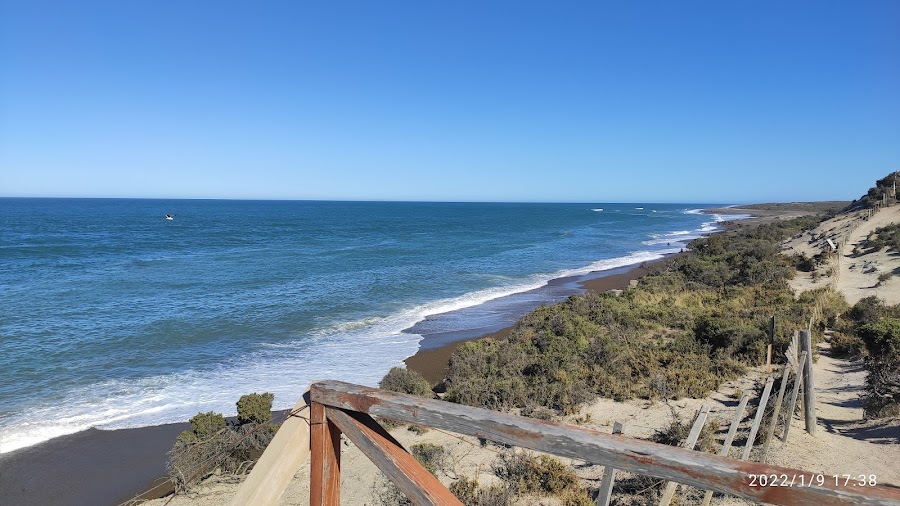
This 850 km Atlantic Patagonia drive links Puerto Madryn with Península Valdés and the long coast south toward Punta Tombo. The season opens in October with southern right whales still off the cliffs at Puerto Pirámides and hundreds of thousands of Magellanic penguins returning to nest at Punta Tombo. Around Punta Norte, orcas patrol the shoreline and sea lions pack the beaches. Plan six days on paved roads with long detours out to the headlands, and keep well back where the whale lookouts crowd close to the drop.
4. Costa Rica Parks and Wildlife, Costa Rica
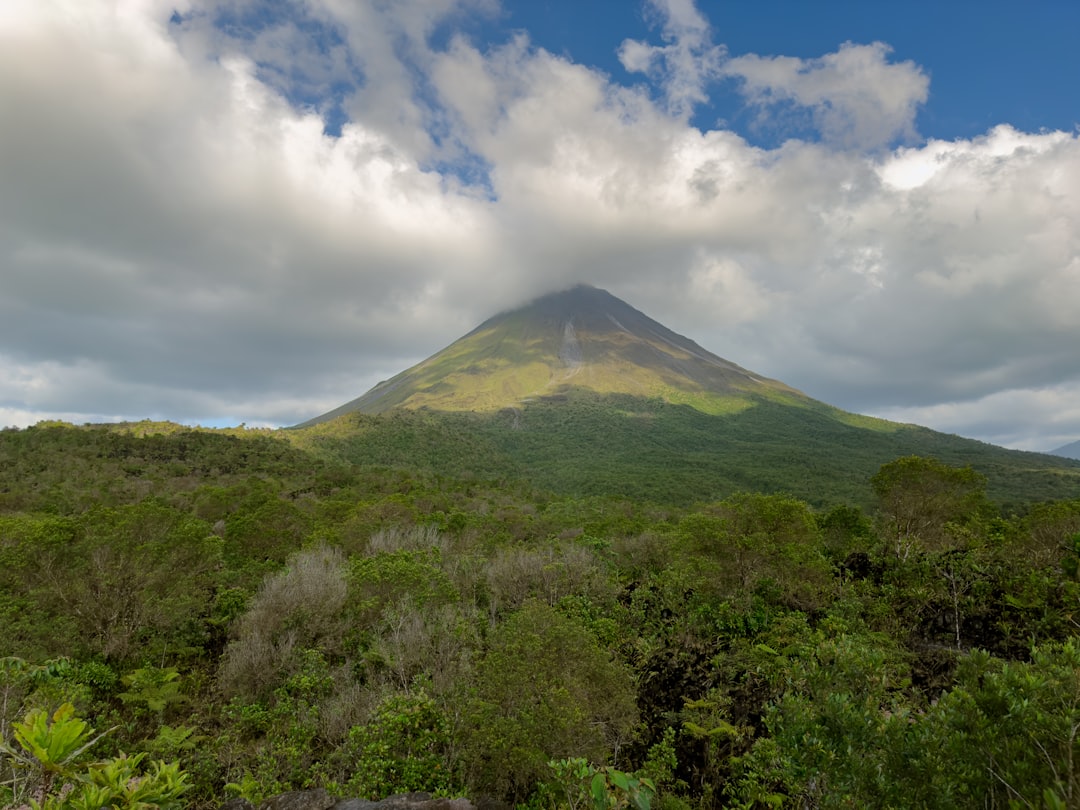
A country the size of West Virginia holds about 5 percent of the world's species, and this 600 km Costa Rica loop strings together the best of it. From San José the road climbs to the cloud forest of Monteverde, drops to the lava fields and hot springs below Arenal Volcano, and finishes at Manuel Antonio, where sloths hang in the canopy above the beach and monkeys raid the picnic tables. The dry months, December to April, make the gravel detours easier and the trails less slick. Allow five to seven days and start your wildlife walks early.
5. Baja California Highway 1, Mexico
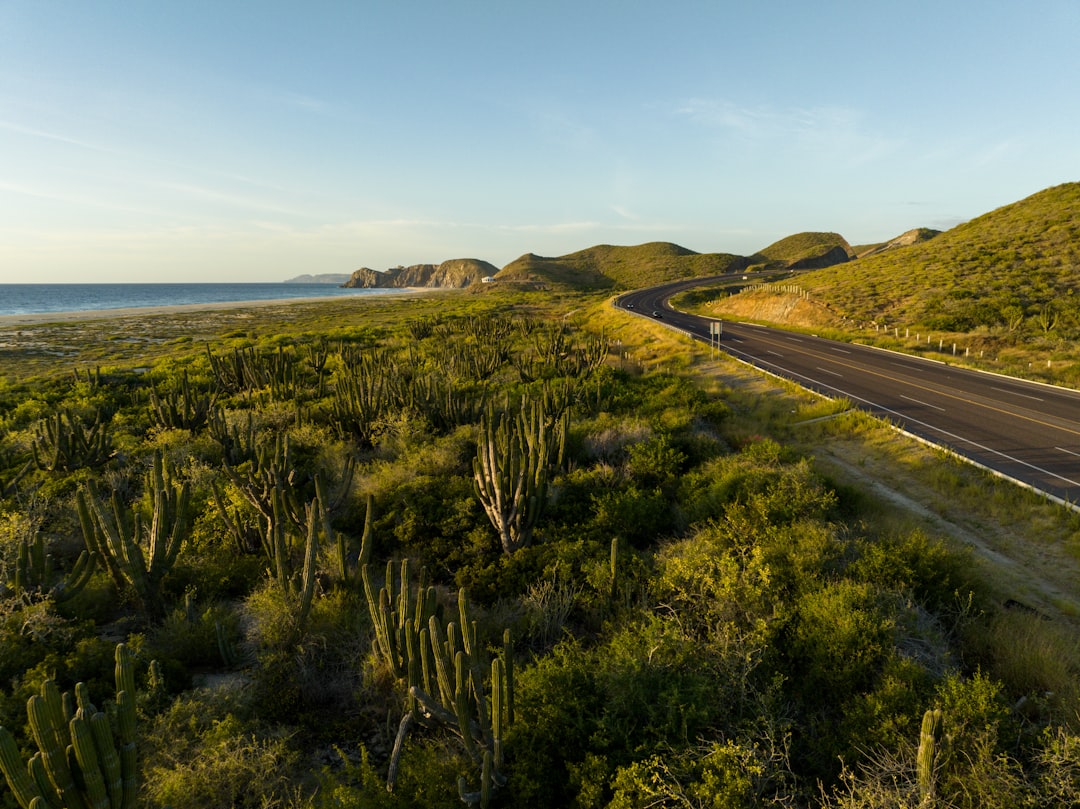
Highway 1 runs 1,700 km down the Baja peninsula from Tijuana to Cabo San Lucas, between Pacific surf on one side and the Sea of Cortez on the other. The wildlife reason to come is the gray whale. From winter into spring the lagoons at Guerrero Negro and San Ignacio fill with mothers and calves, and the boats get close enough that the whales surface alongside. Giant cardón cacti stand over the desert between the towns, and sea lions haul out on the Cortez islands. The window runs October to April and the full drive wants ten to fourteen days, so pick your lagoon and build around it.
6. Vancouver Island, Canada
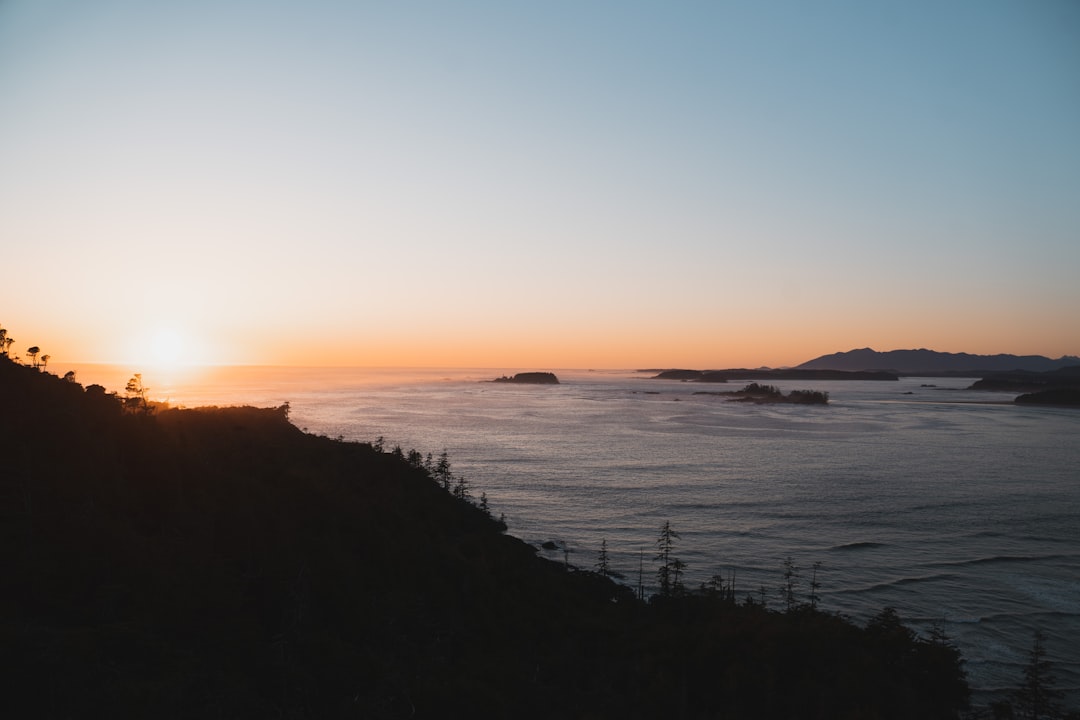
Vancouver Island packs the most accessible wild coast in Canada into about 950 km, from Victoria north to Telegraph Cove. Base a few days in Tofino, inside Pacific Rim National Park, for gray and humpback whale trips off the open Pacific and bear watching along the inlets. Carry on to Telegraph Cove and Johnstone Strait, where resident orca pods pass through in summer and the salmon runs draw everything that feeds on them. Seven days covers the one-way route from May to September, and the whale and bear boats book out well ahead in peak weeks.
7. Seward Highway, United States
The Seward Highway covers 202 km from Anchorage down the Kenai Peninsula, hugging Turnagain Arm under glacier-capped peaks. Pull in at Beluga Point to scan for the white whales that chase salmon up the arm on a rising tide, and watch the cliffs above the road for Dall sheep. At the far end, Seward is the launch point for Kenai Fjords boat tours, which run out past humpbacks, orcas, sea otters, and puffin colonies. It is one long day of driving, or two with a night in Seward, and the season holds from May to September.
8. Iberá Wetlands, Argentina
The Iberá Wetlands in Corrientes are Argentina's quieter answer to the Pantanal, and this easy 360 km drive trades city streets for estero country and ranchland horizons. Base yourself in the small village of Colonia Carlos Pellegrini on Laguna Iberá, where capybaras sit out in the open, caimans line the channels, and dawn boat trips slide past bird-crowded marshes. The access roads are sandy rather than rough, so an ordinary car handles it with care. Three days is plenty, best from May to October when the tracks are dry.
9. Sierra Nevada and Tayrona, Colombia
On Colombia's Caribbean coast, this 190 km drive climbs from Santa Marta into the foothills of the Sierra Nevada de Santa Marta and out to Tayrona National Natural Park. Stop at Minca, a cool village in the coffee hills that has become one of Colombia's best bases for birdwatching, then carry on through banana country to the granite headlands and palm-backed bays of Tayrona. Three days lets you pair the mountains with a day inside the park. Come in the drier months from December to April, and book Tayrona ahead, as the park caps daily entries.
10. Cape Ann, United States
For a wildlife drive you can fit into a weekend, Cape Ann runs 86 km along the Massachusetts North Shore from Newburyport down to Gloucester. On Plum Island, the Parker River refuge protects around 800 species of birds and plants across its dunes and marshes, a major stop on the Atlantic flyway. Gloucester, the old fishing port at the tip, sends whale-watching boats out to Stellwagen Bank, where humpbacks feed through the warm months. Two days covers it between May and October, with clam shacks and Crane Beach to fill the gaps.
If you only do one
Drive the Transpantaneira. No road in the Americas puts you closer to big wildlife: in three dry-season days you pass caimans and capybaras at arm's length, and the riverboats at Porto Jofre give you the best odds of a wild jaguar anywhere on Earth. Go between July and October, book the boat mornings ahead, and treat the heat and the bridges with respect. If you want the African counterpart to this list, our dry-season safari drives cover that side of the map.
Frequently asked questions
What is the best wildlife road trip in the Americas?
The Transpantaneira in Brazil, for sheer density and access. Its 147 km of raised track through the Pantanal end at Porto Jofre on the Cuiabá River, the best place in the world to see a wild jaguar, with caimans and capybaras lining the road the whole way. For big mammals on paved roads, Grand Teton to Yellowstone is the closest rival.
When is the best time for a wildlife road trip in the Americas?
It depends on the hemisphere. North American drives such as Yellowstone, the Seward Highway, and Vancouver Island are best from late spring through October. The southern routes run on the opposite calendar: Península Valdés and the Pantanal peak from winter into October, while Costa Rica and Colombia are driest and easiest from December to April.
Where can you see jaguars on a road trip?
On the Transpantaneira in Brazil's Northern Pantanal. The cats come down to the Cuiabá River to drink and hunt in the dry season, roughly July to October, and most sightings come from the riverboats that leave Porto Jofre at the end of the road. The Iberá Wetlands in Argentina are a quieter wetland alternative for capybaras, caimans, and birds.
Which of these drives is best for whale watching?
Three stand out. Baja California Highway 1 reaches the gray whale lagoons at Guerrero Negro and San Ignacio from winter into spring. Península Valdés has southern right whales off its cliffs from spring. Vancouver Island runs gray, humpback, and orca trips from Tofino and Telegraph Cove through the summer.
Do you need a four-wheel drive for these routes?
For most of them, no. Yellowstone, the Seward Highway, Vancouver Island, and Cape Ann are sealed roads that any car handles. The Transpantaneira and the Iberá access roads are dirt and sand, firm enough in the dry season for a careful two-wheel drive, though higher clearance helps on the rougher bridges and tracks.
Plan your wildlife road trip
Every drive here is mapped stop by stop in our route guides, starting with the Transpantaneira. Open the interactive map to line up the seasons across both hemispheres, and compare the wider set through our Wildlife and Safari collection.