
Transpantaneira
Brazil
In short: Transpantaneira is a 147 km wildlife road trip in Brazil, typically driven over 3 days, best in Jul–Oct. Highlights: Cuiabá, Poconé, Pixaim River Bridge.
The only road into the Northern Pantanal, 147km of raised dirt track on 122 wooden bridges through the world's largest tropical wetland. In the dry season, caimans line every bridge, capybaras graze the shoulders, and the Cuiabá River banks are the best place on Earth to see a wild jaguar.
Make this route yours
Set your dates, pace, and taste, and RoadAtlas AI rebuilds this trip day by day with real, verified places.
Included with Traveler and Explorer plans.
Plan this trip
Third-party planning links may be affiliate links. RoadAtlas stays independent, and you should verify details with the provider.
Day-by-day itinerary
Day 1Cuiabá/Poconé to a prebooked mid-road lodge
Historic Center Walk in Poconé · Night Safari in Pantanal · Churrascaria do Gaúcho
Day 2Slow wildlife drive from the lodge to Porto Jofre
Birdwatching at Pixaim River · Booked lodge breakfast, packed lunch and Porto Jofre dinner
Day 3Porto Jofre licensed jaguar boat day
Jaguar Spotting Tours · Booked Porto Jofre lodge meals
Stops along the route
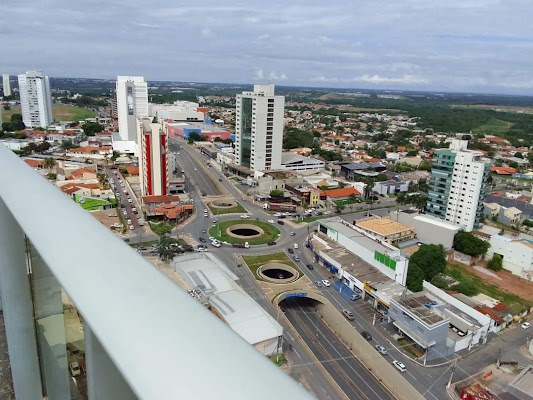
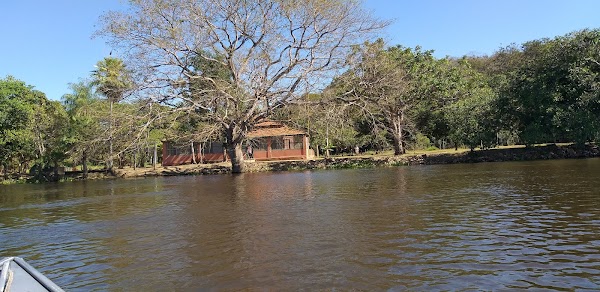
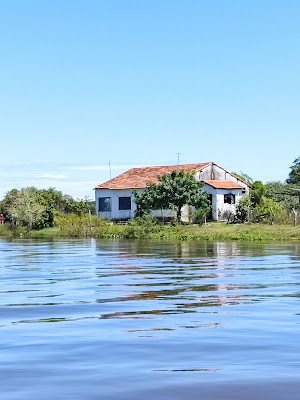
Things to Do
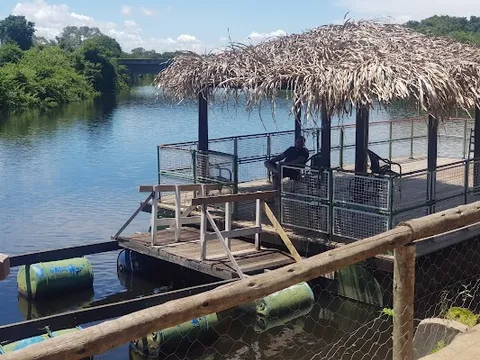
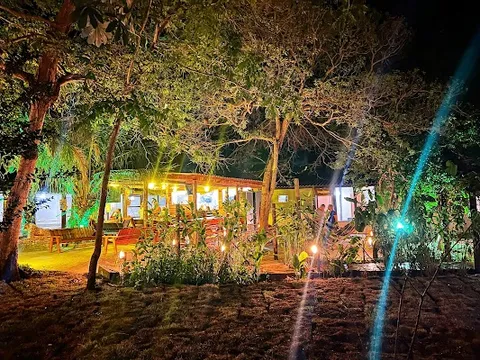
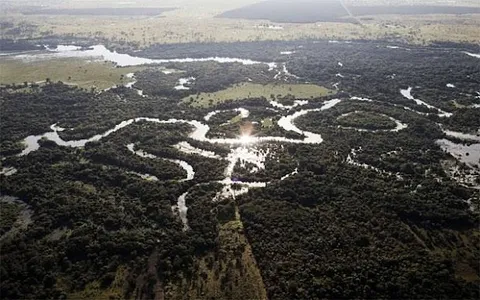

Where to Eat


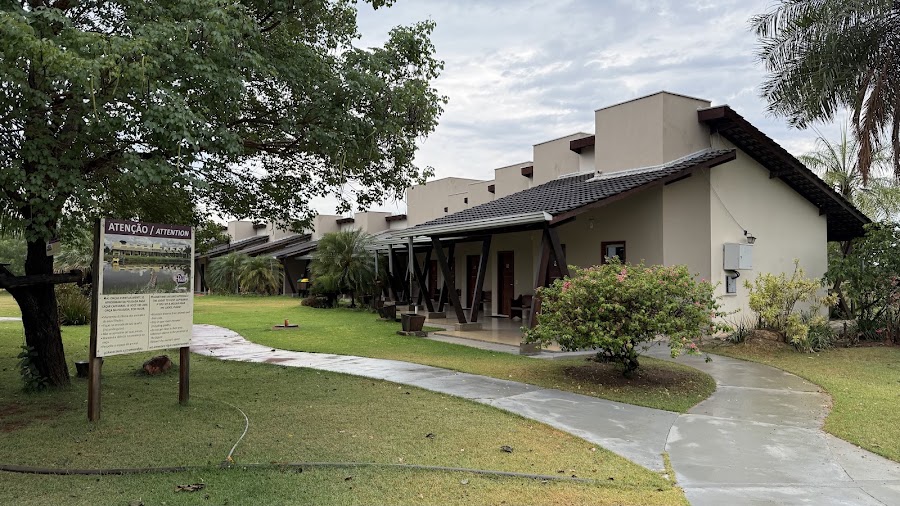
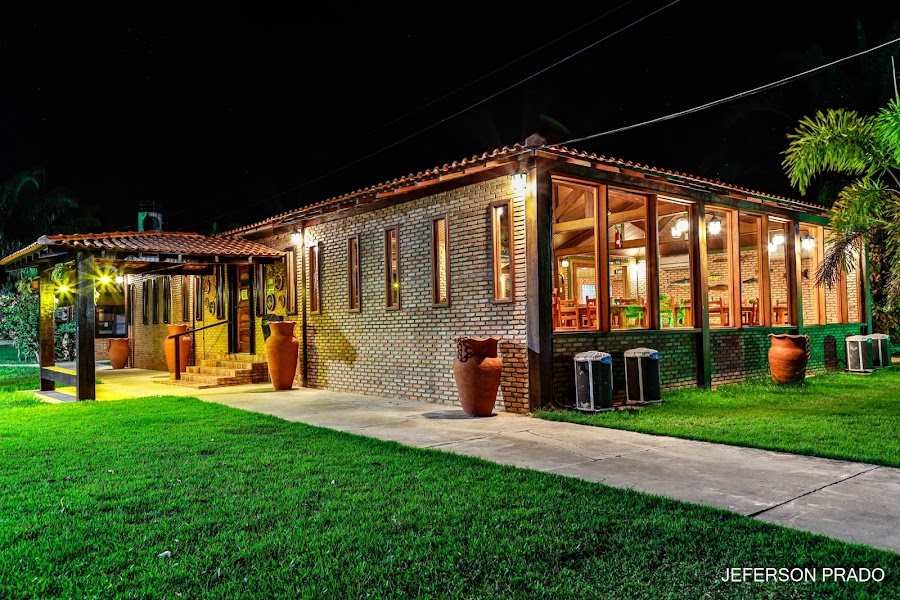
Nearby and similar drives
Frequently asked questions
How long is the Transpantaneira drive?
The Transpantaneira covers 147 km from start to finish.
How long does the Transpantaneira take to drive?
Most travellers spend 3 days on the Transpantaneira, depending on stops and pace.
When is the best time to drive the Transpantaneira?
The recommended season for the Transpantaneira is Jul–Oct.
Where does the Transpantaneira start and end?
The Transpantaneira runs from Cuiabá to Porto Jofre.
What are the main stops on the Transpantaneira?
The Transpantaneira passes through Cuiabá, Poconé, Pixaim River Bridge.
How difficult is the Transpantaneira to drive?
The Transpantaneira is rated moderate and is best handled with 4wd only.
Do I need a 4WD for the Transpantaneira?
Yes — the Transpantaneira includes off-road or rough sections that require 4wd only.
Do I need a permit or border paperwork for the Transpantaneira?
Yes — the Transpantaneira requires permits, fees, or border paperwork. Plan ahead: Prebook a licensed lodge and jaguar-boat package with breakfast, packed lunch and dinner. Carry offline maps, satellite/offline communications, water, reserve fuel and recovery gear, and check road/wooden-bridge conditions the same day. Never feed, approach or crowd wildlife. May–September is the broad dry season; July–October is the usual peak jaguar window. Drive slowly in daylight and keep the night safari with the first lodge stay only.
Is the Transpantaneira safe to drive?
Prebook a licensed lodge and jaguar-boat package with breakfast, packed lunch and dinner. Carry offline maps, satellite/offline communications, water, reserve fuel and recovery gear, and check road/wooden-bridge conditions the same day. Never feed, approach or crowd wildlife. May–September is the broad dry season; July–October is the usual peak jaguar window. Drive slowly in daylight and keep the night safari with the first lodge stay only.
What scenic tier is the Transpantaneira?
The Transpantaneira is a iconic drive — Iconic road trips that anchor a region's reputation — postcard scenery, headline highways, and the routes most travellers want to drive.