The best volcano road trips drive you straight into living geology: Iceland's Ring Road across lava fields and geothermal valleys, Java's pre-dawn run to Bromo and Ijen, and Ecuador's Avenue of the Volcanoes below Cotopaxi and Chimborazo. Each one puts an active or recently active peak in your windscreen for days at a time, on roads that range from an hour of paved coastal descent to a two-week high-altitude expedition.
This is a ranked list of ten drives built around volcanoes, using real catalog data for distances, durations, and the months each road is reliably open. Several of these are serious undertakings with guides and permits, so you can browse more in our Adventure and Overland Routes hub, and every entry links to its full route guide.
The 10 best volcano road trips at a glance
Here is the ranked shortlist. Distances and best-season windows come straight from each route's page, so you can plan around real opening months and monitoring rather than guesswork.
| # | Route | Country | Distance | Duration | Best season |
|---|---|---|---|---|---|
| 1 | Iceland Ring Road | Iceland | 1,332 km | 9 days | June to September |
| 2 | Java Volcano Route | Indonesia | About 850 km | 7 to 8 days | May to September |
| 3 | Avenue of the Volcanoes | Ecuador | About 450 km | 5 days | June to September |
| 4 | Chain of Craters Road | United States | 55 km | 1 day | Year-round |
| 5 | Kyushu Volcano Route | Japan | About 620 km | 7 days | March to May, October to November |
| 6 | Nicaragua Volcano Route | Nicaragua | 420 km | 5 to 7 days | December to April |
| 7 | Shadow of Vesuvius | Italy | 90 km | 3 days | April to June, September to October |
| 8 | Arica to Lauca Altiplano | Chile | 315 km | 3 days | April to November |
| 9 | Fuji to Hakone Traverse | Japan | About 125 km | 3 days | March to May, October to November |
| 10 | Quilotoa Loop | Ecuador | 200 km | 3 days | June to September |
If you only do one
Drive the Iceland Ring Road. In 1,332 km over nine days, Route 1 circles an entire volcanic island on paved road, so a single loop takes you from the tectonic rift at Þingvellir, where the North American and Eurasian plates pull apart, to the steaming mud pots and lava fields around Lake Mývatn and the Krafla system in the north. Go from June to September, when the weather settles and the daylight runs long enough to keep driving after dinner. A standard car handles Route 1 in summer, though the highland F-road shortcuts stay 4WD only. No other volcano drive combines this much active geology with this little logistics.
1. Iceland Ring Road, Iceland
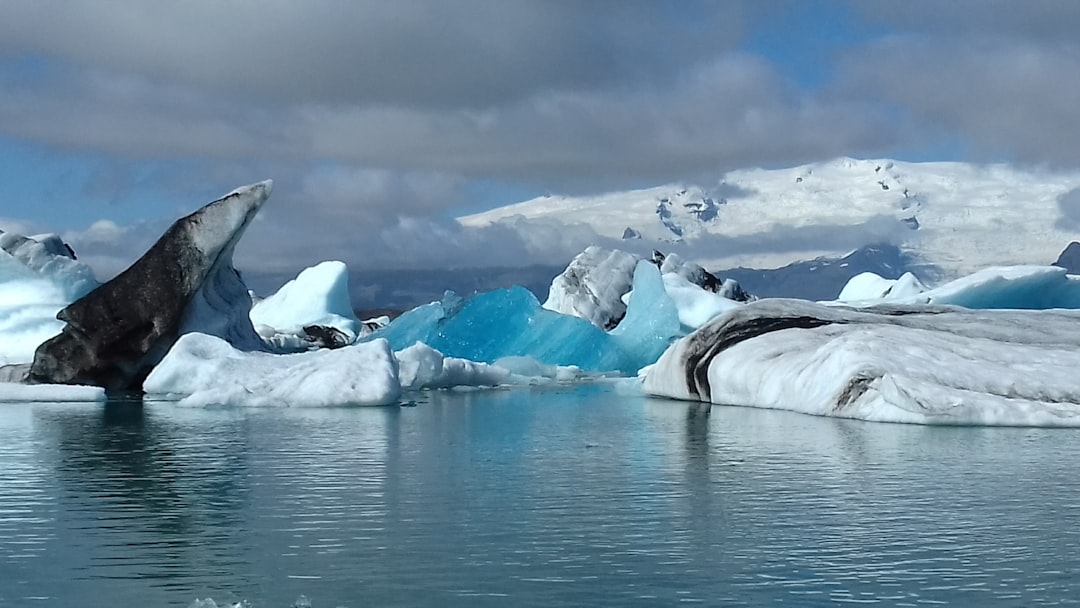
The Iceland Ring Road loops the whole island clockwise from Reykjavík in 1,332 km, and the volcanic thread runs the entire way. You start at Þingvellir, walk down into the rift between two continental plates, then work east past Seljalandsfoss and the black-sand coast at Vík to the glacier lagoon at Jökulsárlón. The north is where it pays off for volcano travelers, around Lake Mývatn, with its bubbling Hverir mud pots and the young lava of the Krafla fissures. Give it nine days, book an SUV for the weather, and check road.is and SafeTravel before every leg.
2. Java Volcano Route, Indonesia
Indonesia sits on the most crowded stretch of the Ring of Fire, and the Java Volcano Route strings its two headline craters into one 850 km run from Yogyakarta to Banyuwangi over seven or eight days. Cemoro Lawang is the base for the Bromo caldera, where a pre-dawn drive delivers the sand sea and the smoking cone at sunrise. Two days later comes Ijen, one continuous pre-dawn excursion to a turquoise acid lake where sulfur miners work the fumaroles. This is the hard entry on the list: buy Bromo access through the official system, use the required local 4WD in the visitor zone, and verify Ijen's opening and health rules before you go.
3. Avenue of the Volcanoes, Ecuador
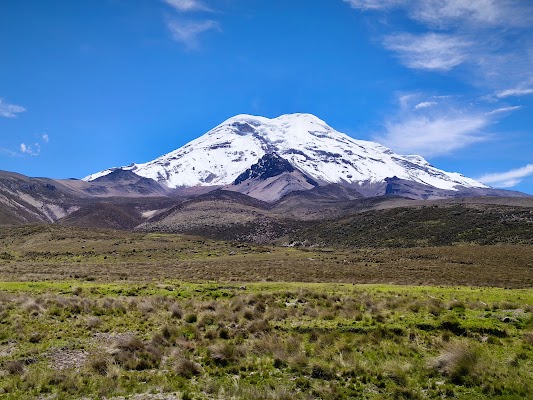
Alexander von Humboldt named this highland corridor, and the Avenue of the Volcanoes still earns it across 450 km and five days from Quito toward Chimborazo. The road follows the Andean spine past Cotopaxi National Park, the market town of Latacunga, and the hot springs and waterfalls around Baños de Agua Santa. It finishes under Chimborazo, whose summit is the farthest point from the center of the Earth thanks to the equatorial bulge. Add an easy acclimatization day after you land, preregister where the parks require it, and check the daily IG-EPN volcano bulletin for Cotopaxi status.
4. Chain of Craters Road, United States
The Chain of Craters Road drops 1,200 m in 55 km from the summit of Kīlauea to the Pacific in a single paved day on Hawaii Island. It runs past pit craters, the walk-through Thurston Lava Tube, the black expanse of the Mauna Ulu flows, and the Puʻu Loa petroglyphs, then ends at the Hōlei Sea Arch near the point where an eruption swallowed the road whole. There is no food, water, fuel, or reliable signal along it, so fill up first and read the dated NPS conditions page, since storm and volcanic closures shift often.
5. Kyushu Volcano Route, Japan
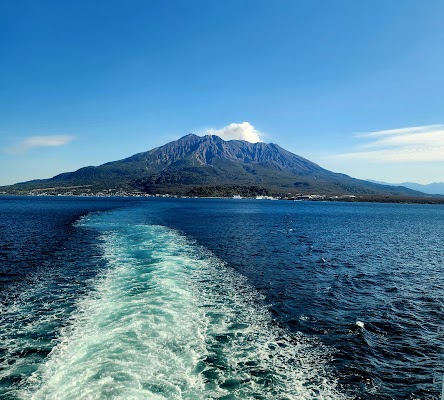
Southern Japan packs a chain of active volcanoes into one traverse, and the Kyushu Volcano Route links them across about 620 km and three ferry crossings over seven days from Fukuoka to Kagoshima. The centerpiece is Mount Aso, one of the largest calderas on Earth, with the grassy Kusasenri plain inside its ancient rim. From there the road reaches the steaming hells of Unzen Onsen, the volcanic landscape of Kirishima, and finally Sakurajima, which vents ash across the bay from Kagoshima. Check the Japan Meteorological Agency warnings each morning, because crater and ropeway access can close for gas or eruption risk.
6. Nicaragua Volcano Route, Nicaragua
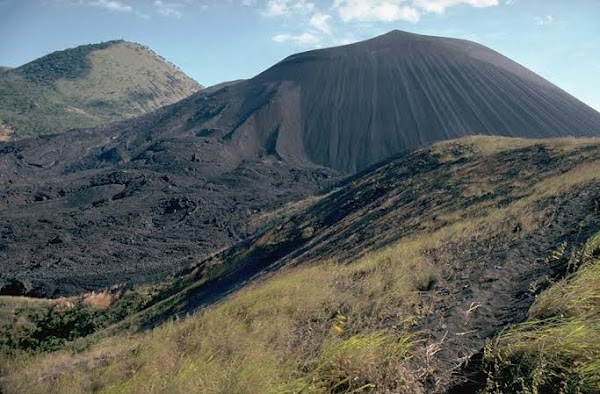
The Nicaragua Volcano Route runs one way from León to Ometepe in 420 km over five to seven days, and it is the most hands-on drive here. Cerro Negro is the cinder cone where travelers sled the black slope, Telica often shows a glow at the rim, and Masaya Volcano National Park lets you drive close to a crater that can hold a visible lava lake. The route ends on Ometepe, a twin-volcano island rising from Lake Nicaragua. Intercity roads are mostly paved, but the access tracks to Cerro Negro and Telica are steep, so book licensed operators and their 4WD transfers rather than a standard rental.
7. Shadow of Vesuvius, Italy
Few volcanoes come with this much history, and the Shadow of Vesuvius covers just 90 km over three days around the Bay of Naples. You walk the intact Roman houses of Herculaneum, spend a full day in the preserved streets of Pompeii, then climb to the crater rim of the volcano that buried both cities in 79 CE. The drive finishes in clifftop Sorrento, with the Amalfi Coast across the water. Buy the Vesuvius crater ticket online before you arrive and reserve the municipal parking separately, since weather or a volcanic alert can close the summit path.
8. Arica to Lauca Altiplano, Chile
For high, thin-air volcano country, the Arica to Lauca Altiplano climbs from the Pacific heat of Arica into Chile's altiplano across 315 km in three days. The road follows the Lluta Valley up to the village of Putre, then enters Lauca National Park, where the near-perfect cone of Parinacota rises over turquoise Lake Chungará and herds of vicuñas graze the bofedales. The altitude gain is steep, from sea level to well above 4,000 m, so build in time to acclimatize in Putre and drive the season window from April to November when the highland roads are clear.
9. Fuji to Hakone Traverse, Japan
Japan's most recognizable volcano anchors a compact one-way drive, and the Fuji to Hakone Traverse covers about 125 km over three days from Lake Kawaguchi to Odawara. The first day works the strongest northern viewpoints of Mount Fuji, from Oishi Park on the lake to the Chureito Pagoda and the spring-fed ponds of Oshino Hakkai. The route then crosses into Hakone for Owakudani's sulfur vents and a cruise on Lake Ashi under the cone. Fuji is an active stratovolcano that last erupted in 1707, and it shows clearest in the cold, dry air of spring and autumn.
10. Quilotoa Loop, Ecuador
The Quilotoa Loop is a 200 km high-Andean circuit west of Quito over three days, and its center is a caldera. The back roads run through Isinliví, Sigchos, and Chugchilán to the rim of Laguna Quilotoa, a green crater lake that fills an old volcanic collapse, then close the loop to Latacunga through Zumbahua. Expect winding paved and gravel road, big altitude swings, and slow driving through farmland and Indigenous communities. Time your stops around the Saquisilí market on Thursday and Zumbahua on Saturday, and acclimatize before you stand on the crater edge.
Frequently asked questions
What is the best volcano road trip for a first-timer?
Start with the Iceland Ring Road or the Chain of Craters Road. Both are paved and drivable in a standard vehicle, with volcanic scenery reachable straight from the car rather than a guided crater hike. Iceland gives you nine days of it, while Chain of Craters packs the experience into a single afternoon on Hawaii Island.
Is it safe to drive near active volcanoes?
It is when you follow the official monitoring. Ecuador's IG-EPN, the Japan Meteorological Agency, and the National Park Service in Hawaii all publish current volcano status, and crater roads, ropeways, and summit paths close when alert levels rise. Read the dated bulletin for your route before each day, never cross a closure barrier, and note that gas near vents can affect people with asthma or heart conditions.
Do I need a 4x4 for a volcano road trip?
Not for the main roads on most of these. Iceland's Route 1, the Avenue of the Volcanoes, and the Chain of Craters Road are all paved. The four-wheel drive matters for crater access: the visitor zone at Bromo, the tracks up Cerro Negro and Telica, and Iceland's highland F-roads all require it, usually through a local operator rather than your own rental.
When is the best time of year for a volcano road trip?
It depends on the hemisphere. The Northern Hemisphere drives here peak in their local summer and shoulder seasons, with Japan and Italy at their clearest in spring and autumn and Iceland open from June to September. In the Southern Hemisphere, the Chile altiplano runs April to November, while Nicaragua drives best in its December to April dry season. The comparison table lists the exact window for each route.
Plan your volcano road trip
Ten volcanoes, ten very different drives, from an hour on Kīlauea to a full ring of Iceland. Start with the Iceland Ring Road guide for the most complete volcanic loop, then open the interactive map to see how these routes sit along the Ring of Fire and the world's other active margins.