The safest road trips rely on three habits: check the road and weather the same day you drive, carry enough water, fuel, and recovery gear for the gaps between towns, and set your pace by the terrain instead of the clock. Most trouble on the road is predictable, and you can plan around nearly all of it before you leave home.
None of this takes special skill. It comes down to knowing a route's real hazards in advance, then packing and pacing for them. Start by dropping your stops on the map and checking the drive time and terrain between each one.
| Hazard | Where it shows up | What to do |
|---|---|---|
| Fast-changing weather | Ring Road, Iceland | Check road.is and SafeTravel before every leg; never take an F-road in a standard car |
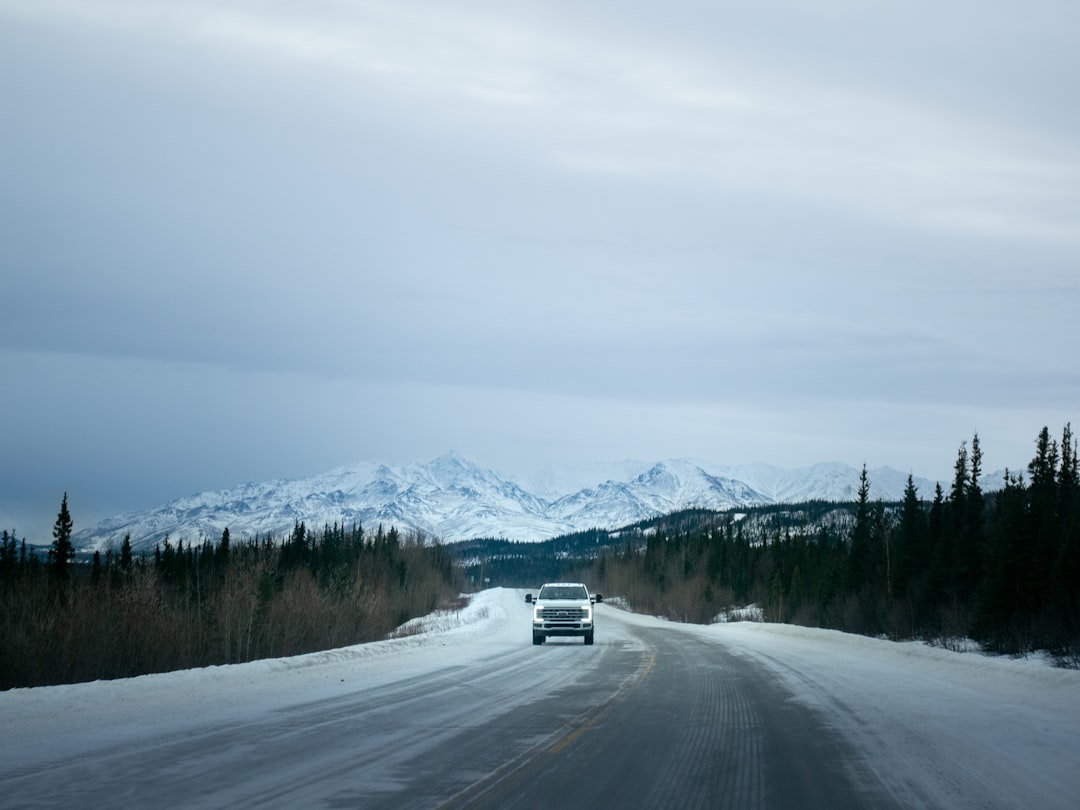
| Long service gaps | Alaska Highway, Canada | Carry a full-size spare and contingency food, and refuel at every town |
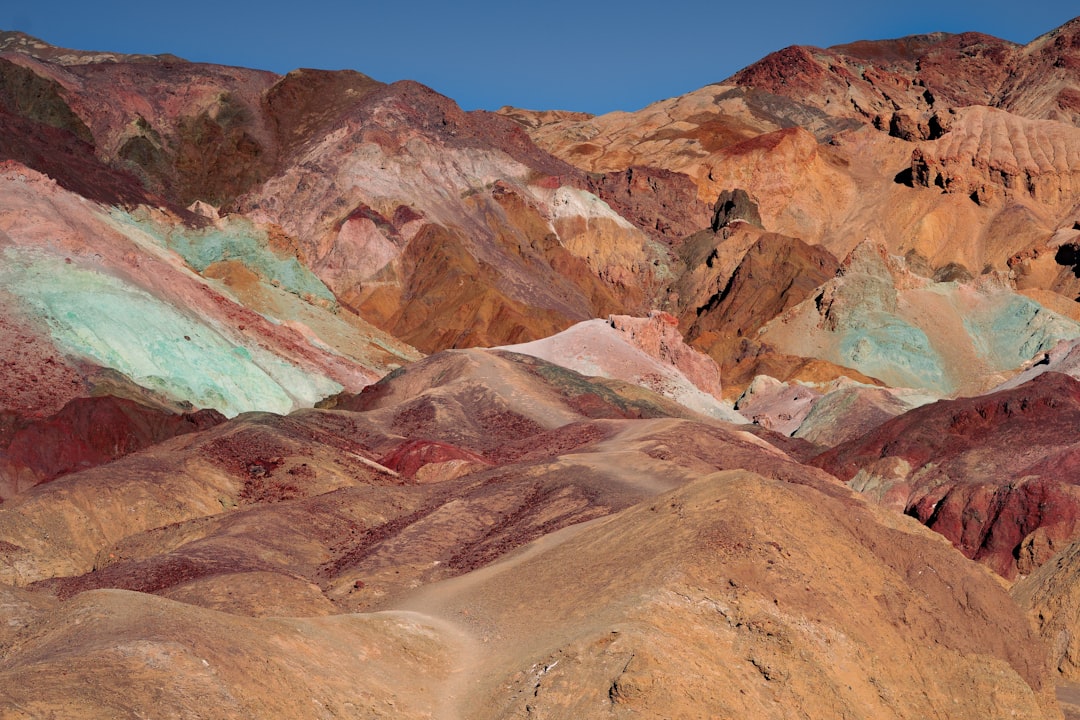
| Extreme heat | Death Valley, USA | Carry extra water; summer heat over 48°C can disable a car |
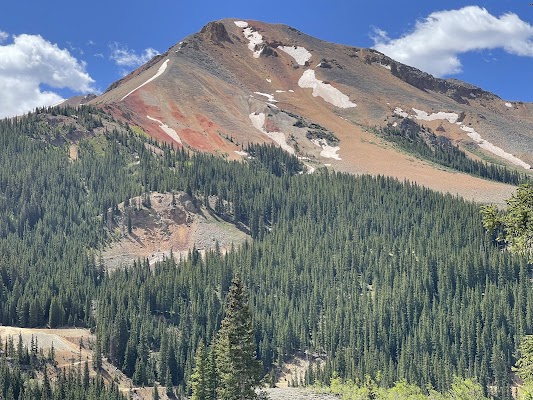
| Steep drop-offs | Million Dollar Highway, USA | Slow down, and postpone the drive for ice or poor visibility |
| Landslides and ferries | Carretera Austral, Chile | Check road and fuel status daily, reconfirm ferries the same day, carry cash and offline maps |
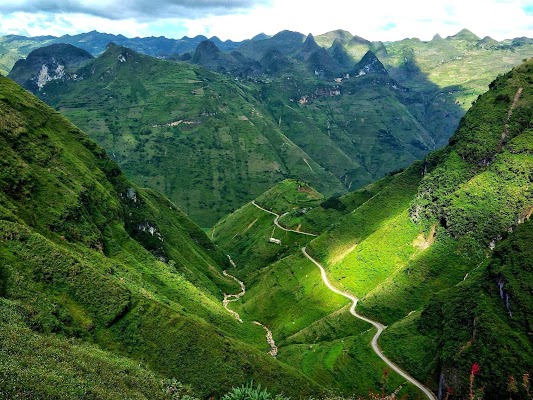
| Night riding on two wheels | Ha Giang Loop, Vietnam | Wear an approved helmet, skip alcohol, and stay off the road after dark |
Check the road and weather the day you drive
Conditions change fast on the best roads, and the route advisories say so one by one. On Iceland's Ring Road, the standing advice is to check road.is and SafeTravel before every leg and again whenever the weather turns, and to never put a standard car on an F-road. Colorado's Million Dollar Highway asks you to check the state road conditions right before you set off and postpone for snow, ice, or poor visibility, because US 550 runs along steep drop-offs with limited shoulders. On Chile's Carretera Austral, fuel, landslides, and road status are a daily check, and the vehicle ferries need reconfirming the same day you sail.
Build the same-morning check into your routine on any route. It costs ten minutes and catches the closure, storm, or washout that would otherwise strand you far from help.
Pack for the gaps between fuel, water, and signal
Remote roads put long distances between services, and that is where most emergencies start. Canada's Alaska Highway runs 2,400 km with long service gaps, frost heaves, and roadworks, so a full-size spare and a box of contingency food belong in the car, and you refuel at every town while you can. In Death Valley, several remote sites have no drinking water and no mobile signal, and summer heat routinely tops 48°C, enough to disable a vehicle, so you carry extra water and food and check the live park conditions before leaving the paved road.
The Carretera Austral rewards offline maps, cash, a spare tyre, and a basic recovery kit, because signal and card readers both vanish between settlements. For the remote, overland drives where this matters most, our adventure and overland routes collect the ones with real service gaps. Fill the tank at the halfway mark, not on empty, and treat water as the one thing you never ration.
Slow down for the terrain, not the schedule
Switchbacks, altitude, and gravel all ask for a lighter foot. The Million Dollar Highway packs steep drop-offs, exposed curves, and high altitude into 40 km, which is a good reason to take it slowly. On gravel, keep speeds conservative and leave extra braking distance, since loose surfaces throw a car off line far more easily than tarmac.
Match the vehicle to the hardest section you plan to drive. The Ring Road is paved end to end but flagged as a moderate, SUV-friendly route, because side roads and sudden weather reward clearance and grip. Add altitude and you also plan for thinner air and slower reactions. If a stretch makes you tense, slow down rather than push through; most drop-offs and blind curves have a comfortable speed that sits well under the posted limit.
Drive rested, and get off the road before dark
Fatigue and darkness turn manageable roads dangerous. Vietnam's Ha Giang Loop tells riders to avoid alcohol and night riding and to check fog, rain, and landslides every day. The Alaska Highway's long legs are easier split across at least eight days with an overnight at Watson Lake, so no single day becomes a marathon behind the wheel.
Aim for four to six hours of real driving, less on mountain and coastal roads where you stop often, and stop for the night with daylight to spare. Darkness hides the pothole, the animal, and the edge of the shoulder at the same time, and tired eyes miss all three.
Know when to hand over the driving
Some roads are safer with a local or a professional at the wheel, and choosing that is not a failure of nerve. The Ha Giang Loop advises inexperienced riders to hire an experienced easy rider or take a private car with a local driver instead of learning a mountain pass on the fly. On high, remote circuits, a reputable operator brings a maintained vehicle, communications, and an emergency plan you cannot pack yourself.
Book the guide wherever the route advisory or a trusted operator recommends one, and keep your own plan simple. Know where you will sleep each night, carry more water than you think you need, and tell someone your route and expected arrival.
Frequently asked questions
Is it safe to drive a road trip alone?
Yes, with preparation. Share your route and expected arrival with someone, carry a charged phone plus offline maps for the stretches with no signal, and favour routes rated easy or moderate until you have the miles. On remote drives like the Carretera Austral, the real risk is a breakdown with no one around, so spares, water, and cash matter more than having company.
What should I always pack for road trip safety?
Water first, then food, a full-size spare and the tools to fit it, a basic first-aid kit, a phone charger, and offline maps. Adjust for the route: double the water in Death Valley, and add warm layers and contingency food on remote northern drives like the Alaska Highway in case you are forced to stop overnight.
How do I stay safe driving in the mountains?
Check the road authority's conditions the same morning and postpone for ice or poor visibility, as the Million Dollar Highway advises. Use a low gear on long descents to save your brakes, hold conservative speeds through switchbacks, and give yourself extra room on roads with steep drop-offs and narrow shoulders.
How many hours a day is safe to drive?
Four to six hours of actual driving is a comfortable ceiling for most people, and less on scenic roads where you stop constantly. Break every couple of hours, swap drivers when you can, and stop for the night before the light goes.
Do I need a guide or a special vehicle to be safe?
Usually not. Most catalogued routes are paved and fine in any car during their season. A few differ: the Ring Road recommends an SUV for weather and side roads, and high, remote circuits are safest with a licensed operator who carries communications and an emergency plan.
Pick your route, read its advisory in full, and map the drive before you pack a thing. For a first trip where weather is the main variable, the Ring Road is a forgiving place to build these habits, and you can sketch the whole loop on the map.