To plan a solo road trip, choose a route that removes as many variables as possible: paved, easy to navigate, with reliable fuel and phone coverage, then pace it gently and tell someone your plan. A first solo drive is not about covering the most ground. It is about picking a road you can enjoy alone, at your own rhythm, without a co-driver to share the navigating, the reservations, or the long stretches behind the wheel.
Driving alone is one of the most freeing ways to travel. You stop when you want, eat where you like, and follow your own curiosity down every side road. This guide covers how to choose the right route, what to plan before you leave, how to stay safe, and how to keep the long hours enjoyable, with real drives that suit a solo traveller.
What makes a road trip good for driving solo?
Alone, you carry every job yourself: navigating, booking beds, watching the fuel gauge, and staying alert for hours. So the best solo routes make those jobs easier rather than harder. Look for four things.
- Easy driving. A paved, well-signposted road with gentle grades lets you relax and enjoy the view instead of white-knuckling every bend.
- Simple logistics. Loops that return you to your start point remove one-way car drop fees and the hassle of arranging onward transport.
- Reliable services. Regular towns, fuel, and phone coverage matter more when there is no one else to help if something goes wrong.
- A sensible pace. A shorter route driven slowly beats a long one rushed. You are the only driver, so daily distances should stay comfortable.
Get those right and the solitude becomes the best part, not a worry.
Best routes to drive solo
Here are catalogue drives that reward a solo traveller, ranked from the gentlest first-timer loop to a bigger bucket-list run. All figures come from the RoadAtlas route guides.
| Route | Country | Distance | Duration | Best season |
|---|---|---|---|---|
| Ring of Kerry | Ireland | 179 km | 1 day | May to Sep |
| Cabot Trail | Canada | 298 km | 3 to 4 days | Jun to Oct |
| Blue Ridge Parkway | United States | 755 km | 5 to 6 days | May to Jun, Sep to Oct |
| North Coast 500 | Scotland | 830 km | 6 days | May to Sep |
| Pacific Coast Highway | United States | 1,055 km | 4 to 7 days | Summer, Fall |
| Iceland Ring Road | Iceland | 1,332 km | 9 days | Jun to Sep |
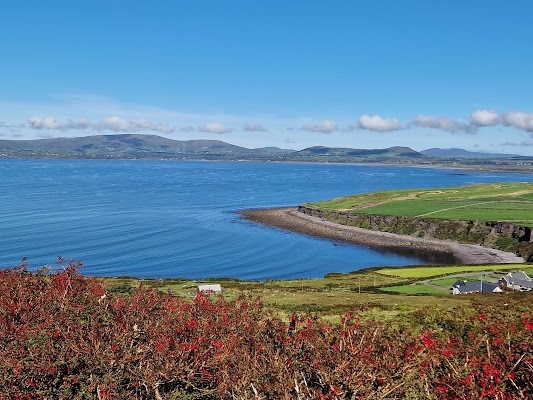
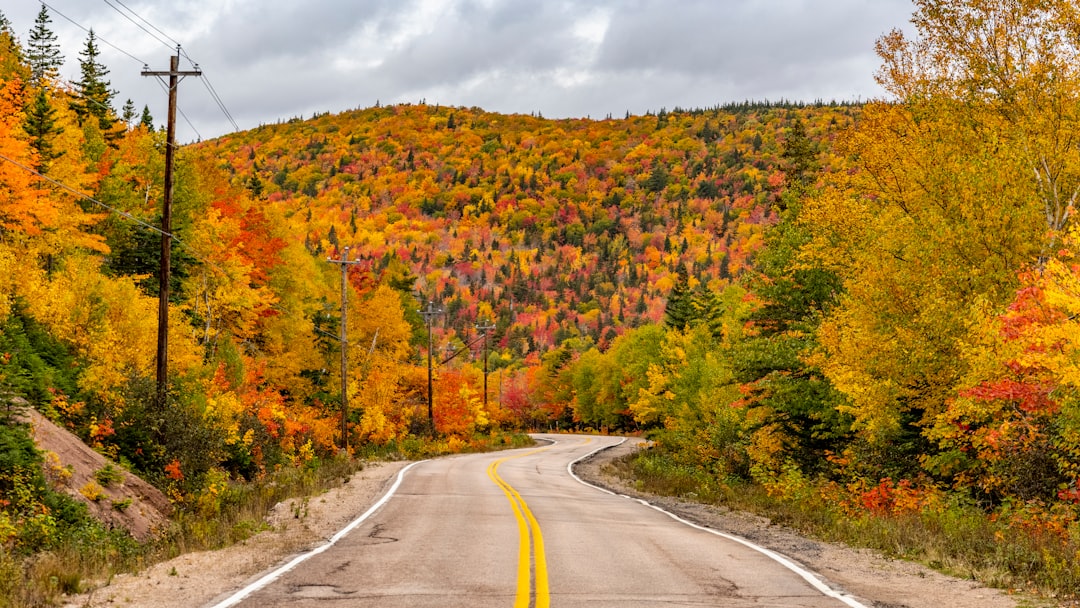
The Ring of Kerry is the gentlest way in: a signposted 179 km loop you can drive in a single unhurried day, then sleep in Killarney both nights so you never have to pack up and move. The Cabot Trail in Nova Scotia is a compact 298 km circuit with dramatic coastline and short daily stages, moderate only because of a few climbs.
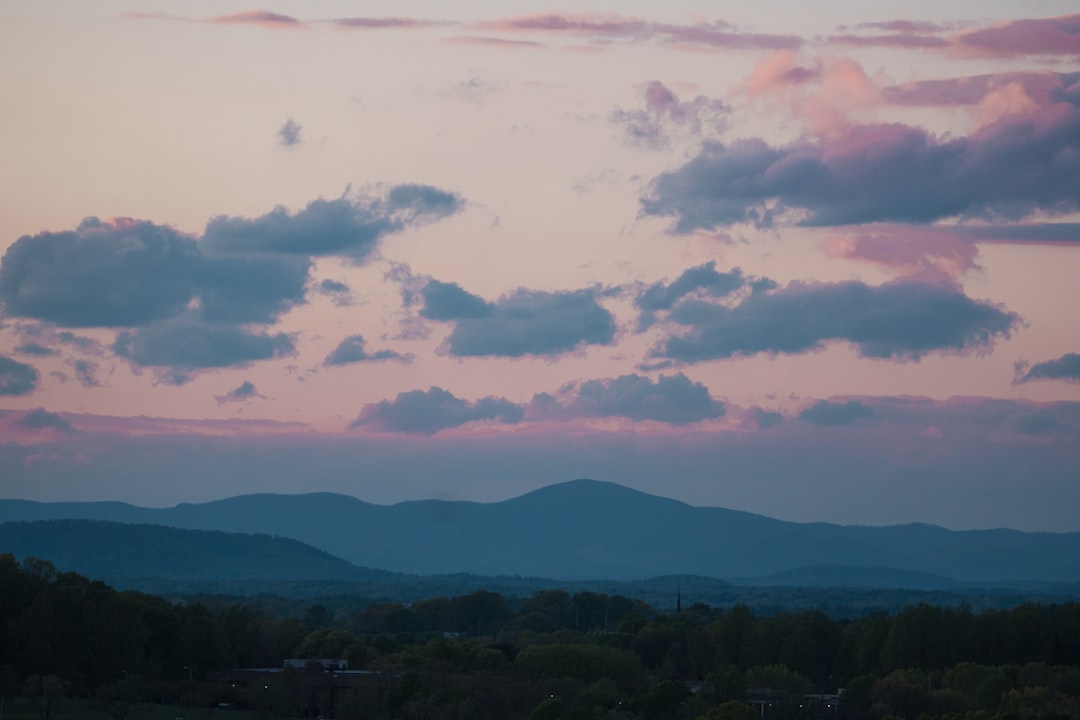
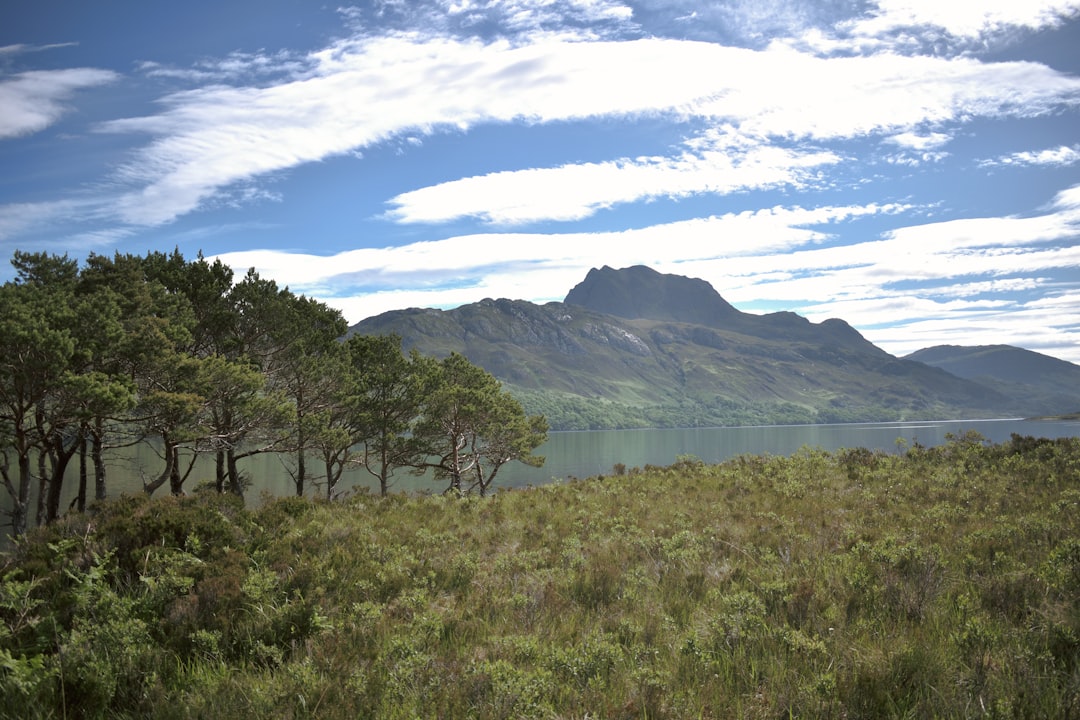
For a longer trip with training wheels, the Blue Ridge Parkway is hard to beat. It is a slow, commercial-traffic-free scenic road with a low speed limit and frequent overlooks, so there is no pressure and nowhere to get lost. Scotland's North Coast 500 is a true loop back to Inverness, popular enough that you meet other travellers at every stop, which takes the edge off driving alone.
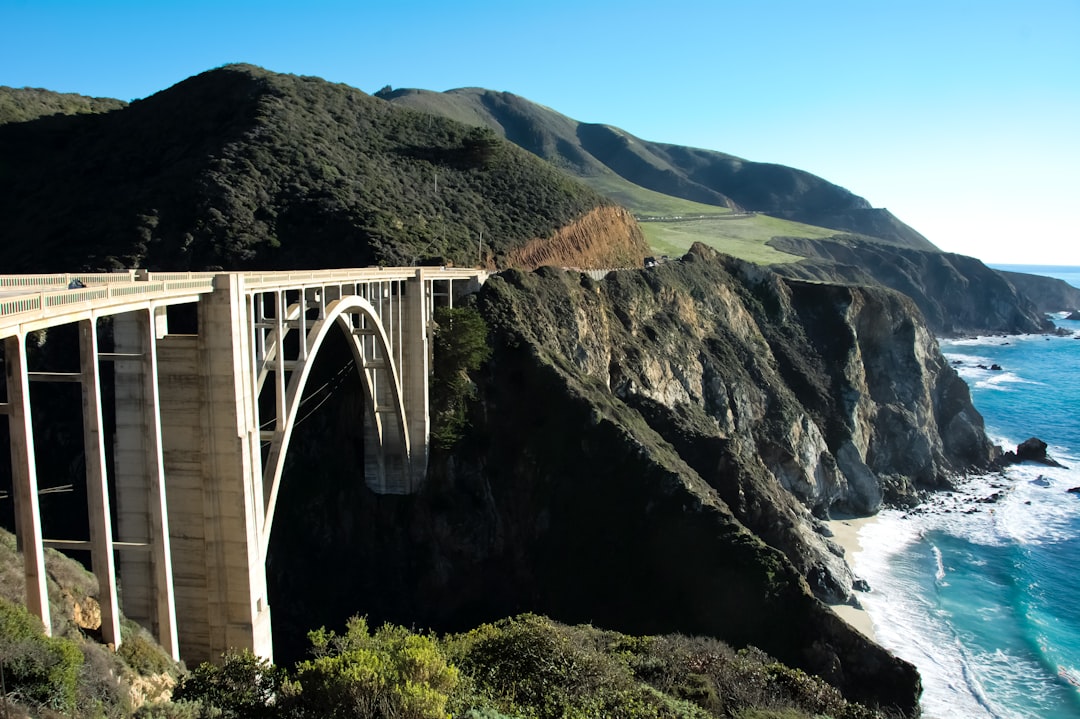
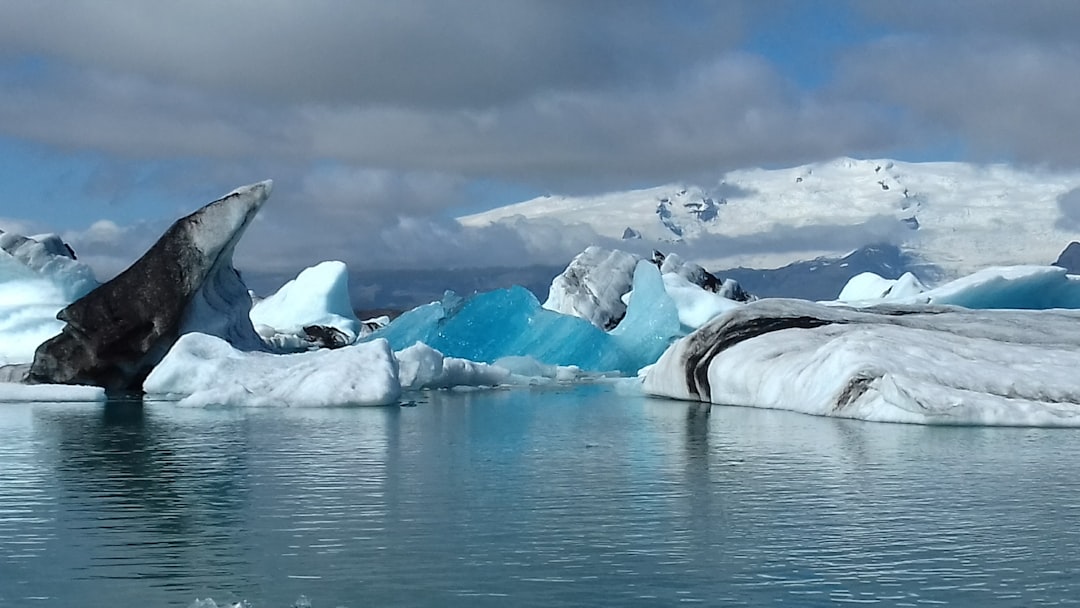
When you are ready for the classic, the Pacific Coast Highway delivers the definitive solo daydream between San Francisco and Los Angeles, all of it easy driving with towns every hour. And the Iceland Ring Road is a genuine bucket-list solo loop, doable in nine summer days, though its moderate rating and remote stretches reward careful planning.
If you only do one
Start with the North Coast 500. It is a self-contained loop, so your logistics are simple, the driving is straightforward, the scenery is world class, and there are enough fellow road-trippers that you are never truly alone when you do not want to be. It is the ideal balance of adventure and reassurance for a first big solo drive.
Your solo road trip planning checklist
Because there is no one to catch what you miss, do the planning properly before you leave.
- Map the route in advance. Sketch each day's driving and where you will sleep. Use the interactive map to see the whole route, then download offline maps for any area with patchy coverage.
- Book the first two nights. You do not have to plan every bed, but arriving somewhere with a room already secured takes the pressure off the first days when you are finding your rhythm.
- Share your itinerary. Send a friend or family member your rough route and daily stops, and agree a simple check-in, for example a text each evening.
- Prep the car. Check tyres, oil, coolant, and the spare before you go, or ask the rental desk to confirm them. Know where the jack lives and how to use it.
- Pack for self-reliance. Water, snacks, a phone charger and power bank, a paper map as backup, a first-aid kit, and a warm layer even in summer.
- Sort connectivity and roadside cover. A local SIM or roaming plan and a breakdown or roadside-assistance number saved offline are worth every cent when you are on your own.
How to stay safe on a solo road trip
Solo travel is safe when you plan for the small things. Keep the fuel tank above a quarter so a wrong turn never becomes a stranded night. Arrive at your accommodation before dark on unfamiliar roads, especially on rural loops like the Cabot Trail where wildlife and blind bends reward daylight driving. Trust your instincts about places and people, and keep valuables out of sight when you park. Save the local emergency number and your accommodation's contact details somewhere you can reach them without signal.
How to beat solo driving fatigue
With no co-driver to swap in, fatigue is your main enemy, so build the trip around it. Cap yourself at four to six hours of actual driving a day and treat the route's daily stages as a guide, not a target. Stop every ninety minutes to two hours, even briefly, to walk and reset your eyes. Line up a podcast or playlist for the quiet stretches, and never push through heavy tiredness to reach the next town. On a solo trip, the point is the drive itself, so let the miles come slowly. Routes like the Blue Ridge Parkway, with its low speed limit and constant overlooks, almost force the relaxed pace that keeps you sharp.
Frequently asked questions
Is it safe to go on a road trip alone?
Yes, for most travellers on well-travelled routes it is very safe. Choose paved roads with regular services and phone coverage, share your itinerary with someone at home, keep your fuel topped up, and arrive before dark. The loops and parkways above are popular, straightforward drives that suit solo travellers well.
What is the best road trip to do alone for the first time?
A short, signposted loop with easy logistics. The Ring of Kerry (a one-day loop from Killarney) or the North Coast 500 (a self-contained circuit from Inverness) let you focus on driving and scenery without one-way rental drop-offs or complex route-finding.
How many hours should you drive per day on a solo trip?
Aim for four to six hours of actual driving, less than you might manage with a co-driver. Without someone to share the wheel, shorter days keep you alert and leave time to enjoy the stops, which is the whole reason to go.
How do I avoid feeling lonely on a solo road trip?
Pick popular routes where you meet other travellers at viewpoints and cafes, stay in guesthouses or hostels rather than isolated spots, and plan a podcast or music for long stretches. Many solo drivers find the solitude becomes the highlight within a day or two.
Is a one-way or a loop route better for solo driving?
A loop is usually simpler solo, because you return to your starting point and avoid one-way drop fees and arranging onward transport. Loops like the North Coast 500, Ring of Kerry, and Cabot Trail are ideal. Save the one-way epics for when you want the extra logistics.
Ready to plan your own? Explore the full route guides and build a solo trip that fits your pace on the interactive map, then read how to plan a road trip for the full step-by-step method.