To plan a road trip, work through five decisions in order: pick a route that matches your interest, size it to the number of days you actually have, time it to the route's best season, choose a vehicle that suits the terrain, and map the drive with room left to wander. Get those five right and the rest of the trip tends to fall into place.
Most road trips go wrong for boring reasons: too many kilometres crammed into too few days, or the right road driven in the wrong month. This guide walks through the planning in the order that matters, using real routes and real numbers so you can copy the method onto any drive. When you are ready to sketch your own, open the interactive map and start dropping pins.
Step 1: pick a route by what you love, not just what is famous
Before distances or dates, decide what kind of drive you want, because that single choice shapes everything else. Coastal roads, mountain passes, desert crossings, and historic highways each ask for different timing, pacing, and gear.
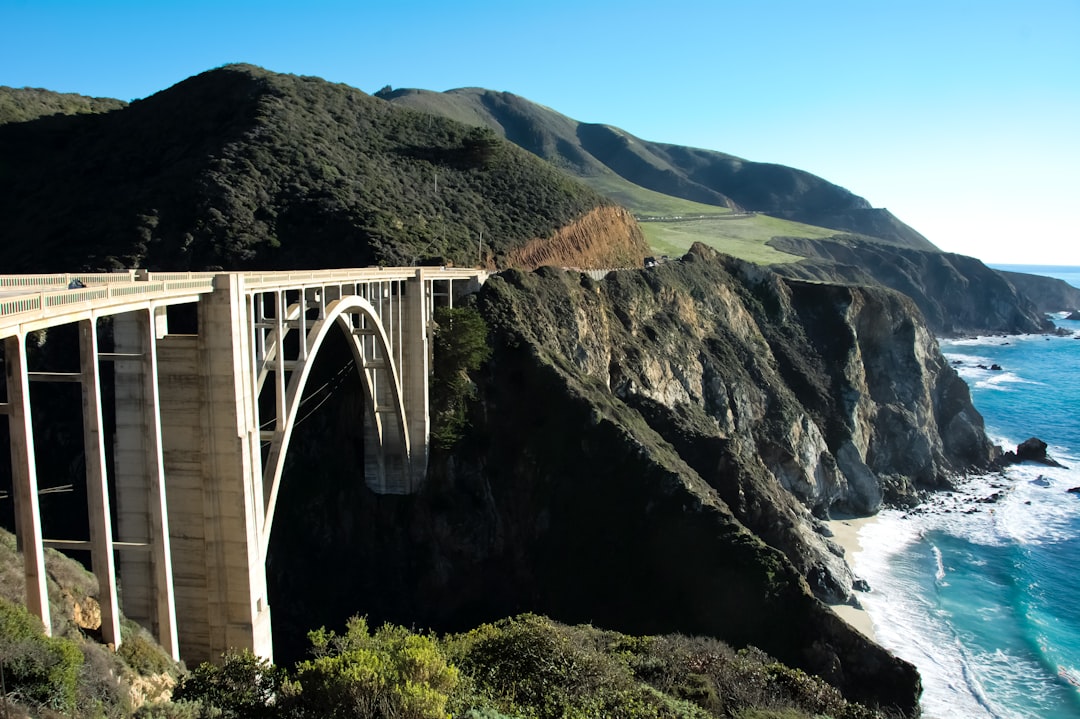
- Ocean and cliffs. The Pacific Coast Highway hugs 1,055 km of California shoreline, an easy drive that rewards a slow pace.
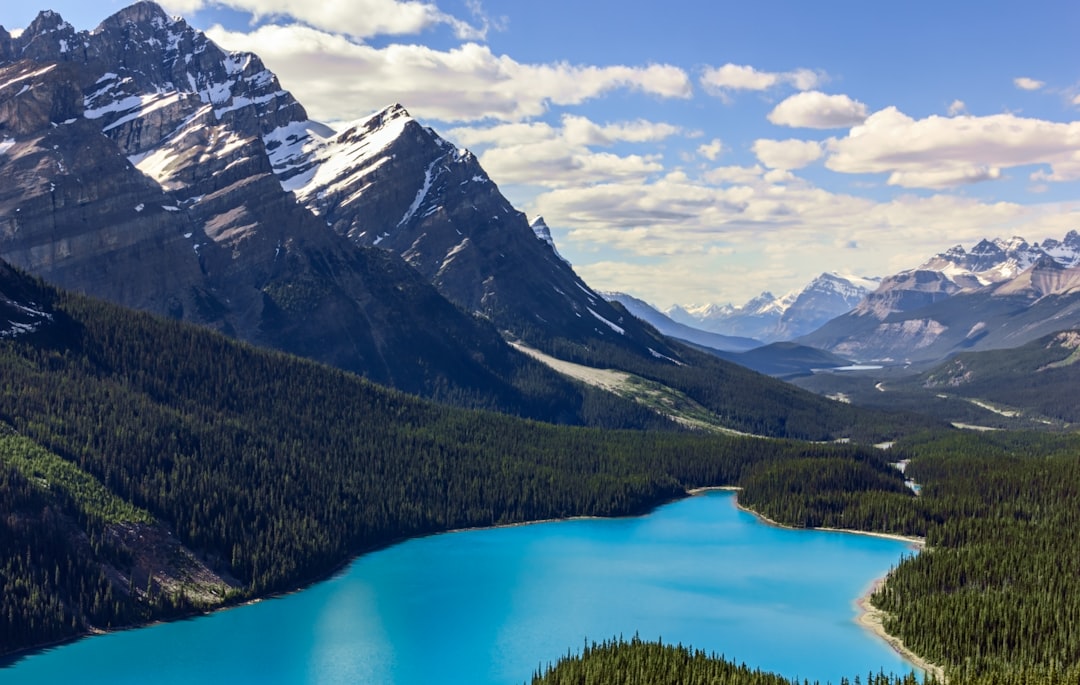
- Mountains and high passes. The Icefields Parkway threads 232 km of Canadian Rockies past glaciers and turquoise lakes.
- History and nostalgia. Route 66 runs 3,940 km of neon diners and desert motels from Chicago to Santa Monica.
- Big-nature loops. Iceland's Ring Road circles the whole island in 1,332 km of waterfalls, black beaches, and volcanic plateaus.
Start from the feeling you are chasing, then let the logistics serve it. A route you are genuinely excited about survives the long, dull highway stretches that every trip has.
Step 2: size the route to the days you really have
The most common planning mistake is picking a route that needs two weeks and trying to do it in five days. Match the drive to your actual window, and remember that catalog durations assume you are stopping to enjoy the road, not just covering ground.
| Time you have | Example route | Distance | Best season |
|---|---|---|---|
| A long weekend | Icefields Parkway, Canada | 232 km | June to September |
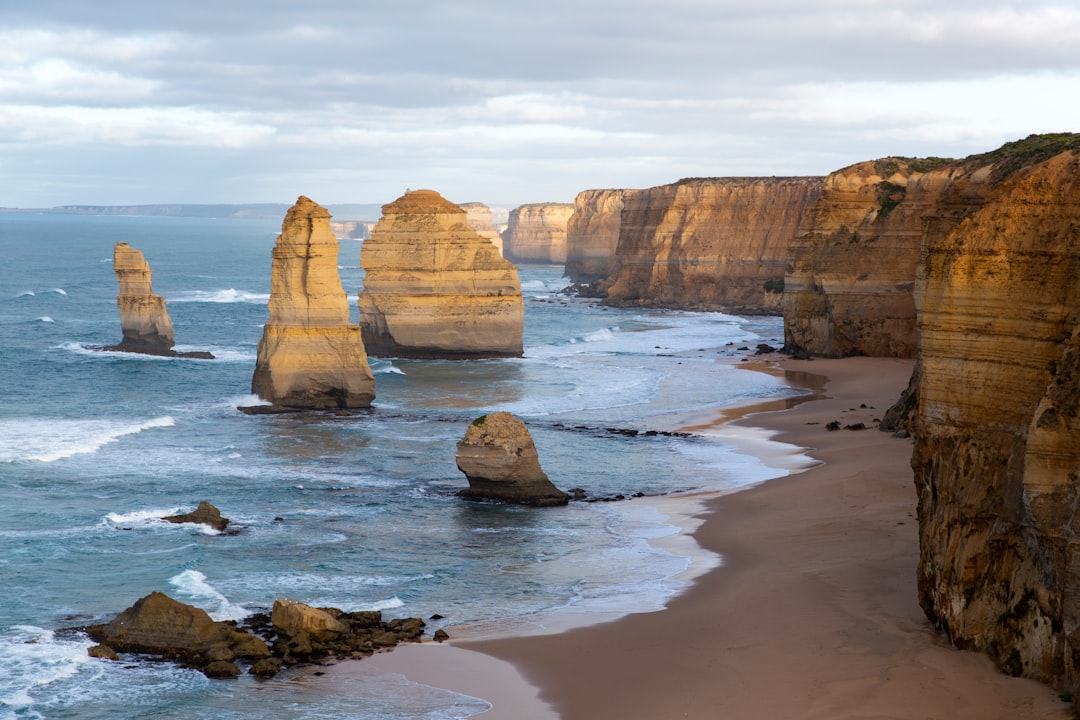
| 3 to 5 days | Great Ocean Road, Australia | 660 km | November to April |
| 4 to 6 days | Blue Ridge Parkway, USA | 755 km | May to June, Sep to Oct |
| About a week | Pacific Coast Highway, USA | 1,055 km | Summer to fall |
| 7 to 10 days | Ring Road, Iceland | 1,332 km | June to August |
| 2 to 3 weeks | Route 66, USA | 3,940 km | Spring and fall |
Notice how distance and days scale together. A short masterpiece like the Great Ocean Road fits a long weekend at 660 km over three to five days, while Route 66 is a two-to-three-week commitment. If your calendar is tight, choose a shorter route and drive it well rather than rushing a long one.
Step 3: time it to the route's best season
A great road in the wrong month can be closed, crowded, or simply grey. Each route has a window when it is at its finest, and those windows do not all line up.
- Shoulder seasons reward you. The Blue Ridge Parkway peaks in May to June and again in September to October, when the light is soft and the crowds thin out.
- High mountain roads open late. The Icefields Parkway is at its best from June to September, after the snow clears the high country.
- The southern hemisphere flips the calendar. The Great Ocean Road runs best from November to April, which is Australian summer.
- Some routes reward two very different seasons. Iceland's Ring Road is easiest from June to August under the midnight sun, but October brings the first auroras.
Cross-check your travel dates against the route's season before you book anything. If they do not match, it is usually easier to change the route than to fight the weather.
Step 4: choose the right vehicle and read the advisories
Most of the world's best drives are fully paved and fine in any car. A few are not, and the difference is worth checking before you rent.
Routes like Route 66, the Pacific Coast Highway, and the Blue Ridge Parkway are rated easy and drivable in any vehicle. Iceland's Ring Road is paved end to end but the catalog flags it as a moderate drive best suited to an SUV, because side roads to the highlands and sudden weather reward extra clearance and grip. The lesson is simple: read each route's advisory for surface, seasonal closures, and fuel gaps, and match your vehicle to the hardest section you plan to drive, not the easiest.
If you would rather go electric, plenty of flagship routes support it well. Route 66, the Pacific Coast Highway, and the Great Ocean Road are all EV-friendly, and you can browse the whole set on our EV road trips hub before committing to a car.
Step 5: map it, then leave room to wander
With route, dates, and vehicle settled, build a loose day-by-day plan. Anchor each day on a place to sleep, mark two or three must-see stops, and then leave real gaps. The best road-trip memories almost never come from the itinerary; they come from the unplanned diner, viewpoint, or side road you find because you left yourself the time.
A good rule of thumb is to plan only about 70 percent of each day and let the road fill the rest. Drop your stops on the map, check drive times between them, and if a day looks like more than five or six hours behind the wheel, cut something. You are there for the road, not the odometer.
Frequently asked questions
How far in advance should I plan a road trip?
For a domestic trip in shoulder season, a few weeks is plenty. For peak-summer drives on popular routes, book accommodation two to three months ahead, because the good small towns along routes like the Ring Road and the Great Ocean Road sell out first.
How many hours should I drive each day?
Aim for four to six hours of actual driving, less on scenic roads where you will stop constantly. The distances in most route guides assume a relaxed pace with regular stops, so treat them as enjoyable minimums, not targets to beat.
What is the best season for a road trip?
It depends entirely on the route. Spring and fall suit Route 66 and the Blue Ridge Parkway, high mountain roads like the Icefields Parkway open only from June to September, and southern-hemisphere drives like the Great Ocean Road are best in November to April. Always plan around the specific route's season.
Do I need a special vehicle for a road trip?
Usually not. Most iconic routes are paved and fine in any car, including EVs. Check the route's advisory first: a few drives, such as Iceland's Ring Road, recommend an SUV for weather and rougher side roads.
How do I plan a road trip on a budget?
Travel in shoulder season for cheaper rooms and thinner crowds, pick a shorter route to cut fuel and nights on the road, and cook or picnic for some meals. A tight 660 km trip done well beats a rushed 3,940 km one you cannot afford to enjoy.
Great road trips are planned in this order for a reason: the route sets the season, the season sets the vehicle, and the map comes last. Pick the drive that excites you, size it honestly, and start dropping pins on the map. For a classic first big trip, few routes plan more smoothly than Route 66.