For most road trips, plan on 4 to 6 hours behind the wheel per day, and no more than about 8. That works out to roughly 300 to 500 km of highway, or far less on a scenic road where the whole point is to stop. Drive to that pace and you arrive relaxed, see the places you came for, and stay sharp at the wheel. Push past it day after day and the trip becomes a blur of gas stations.
The honest answer, though, depends on the road. A day on an interstate transfer and a day on a coastal cliff road are not the same "hours," and the catalog numbers below show exactly why.
The short answer, by trip type
Here is the pace that keeps a trip enjoyable and safe, matched to real routes from our catalog.
| Trip type | Hours at the wheel | Typical daily distance | Real example |
|---|---|---|---|
| Long-haul transfer (interstate) | 6 to 8 | 500 to 800 km | Route 66, 3,940 km over 14 to 21 days |
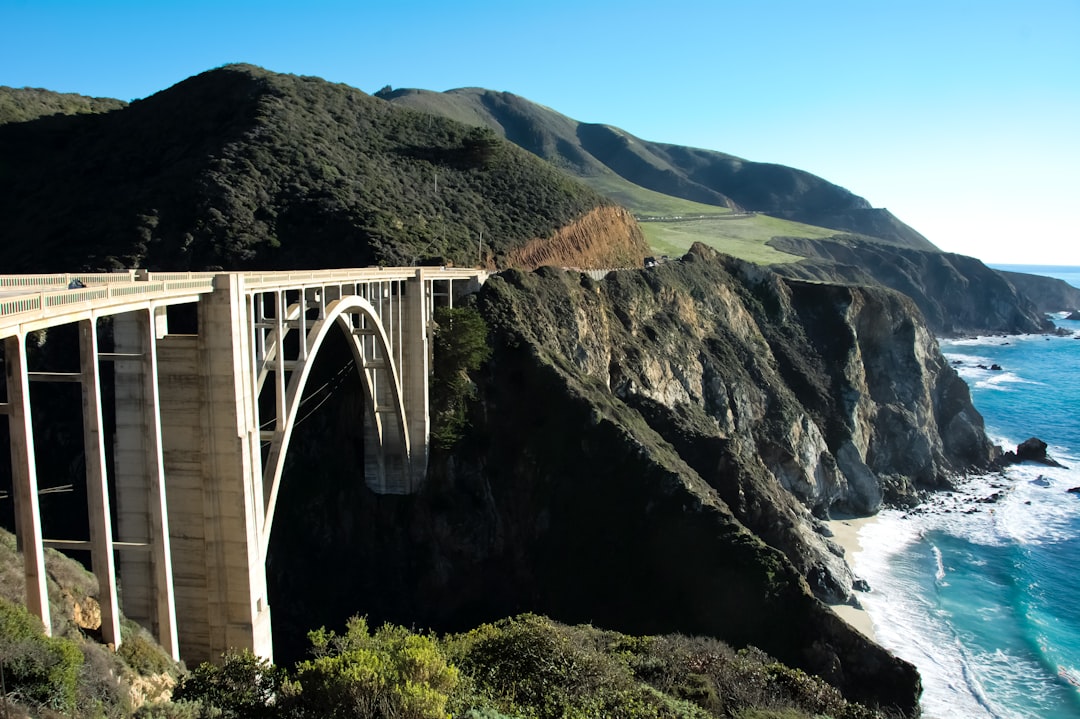
| Scenic highway | 3 to 5 | 150 to 300 km | Pacific Coast Highway, 1,055 km over 4 to 7 days |
| Parkway or coastal touring | 3 to 4 | 120 to 220 km | Blue Ridge Parkway, 755 km over 5 to 6 days |
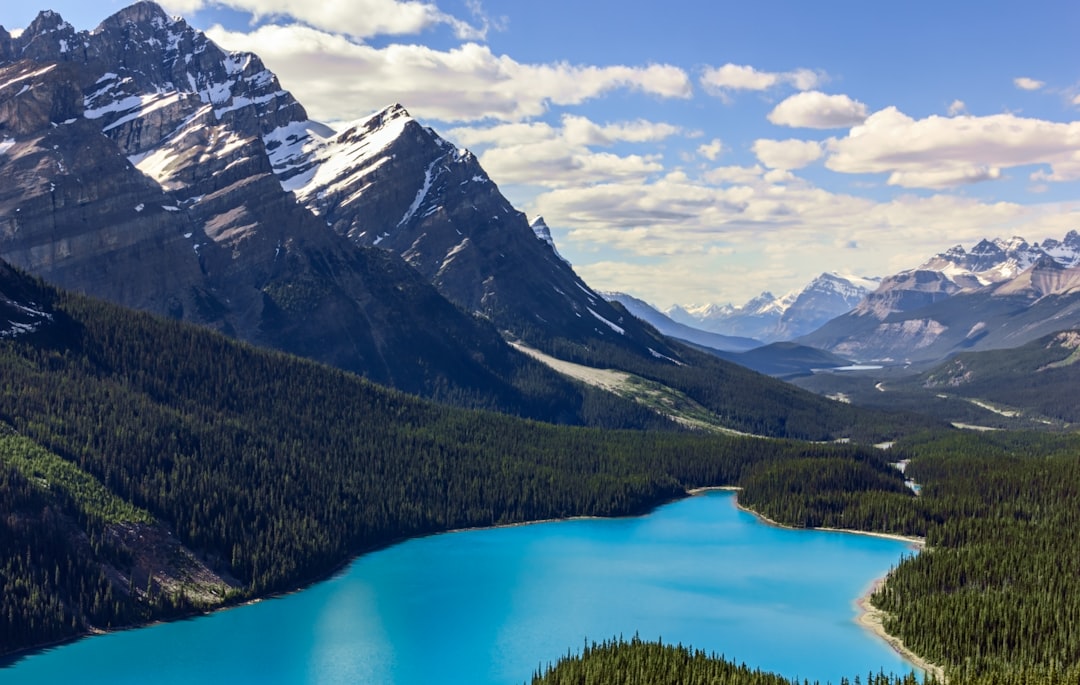
| Mountain or technical | 2 to 4 | 80 to 150 km | Icefields Parkway, 232 km over 2 days |
| Short marquee drive | 1 to 3 | 40 to 100 km | Road to Hana, 84 km over 1 to 2 days |
Notice how the distance collapses as the scenery gets better. That is not a coincidence. It is the single most useful thing to understand before you plan a single day.
Driving hours matter more than distance
Kilometres on a map are a poor guide to how a day will actually feel. Two hundred kilometres of flat, straight interstate can pass in barely two hours. The same two hundred kilometres of switchbacks, viewpoints, and 45 mph limits can eat an entire day.
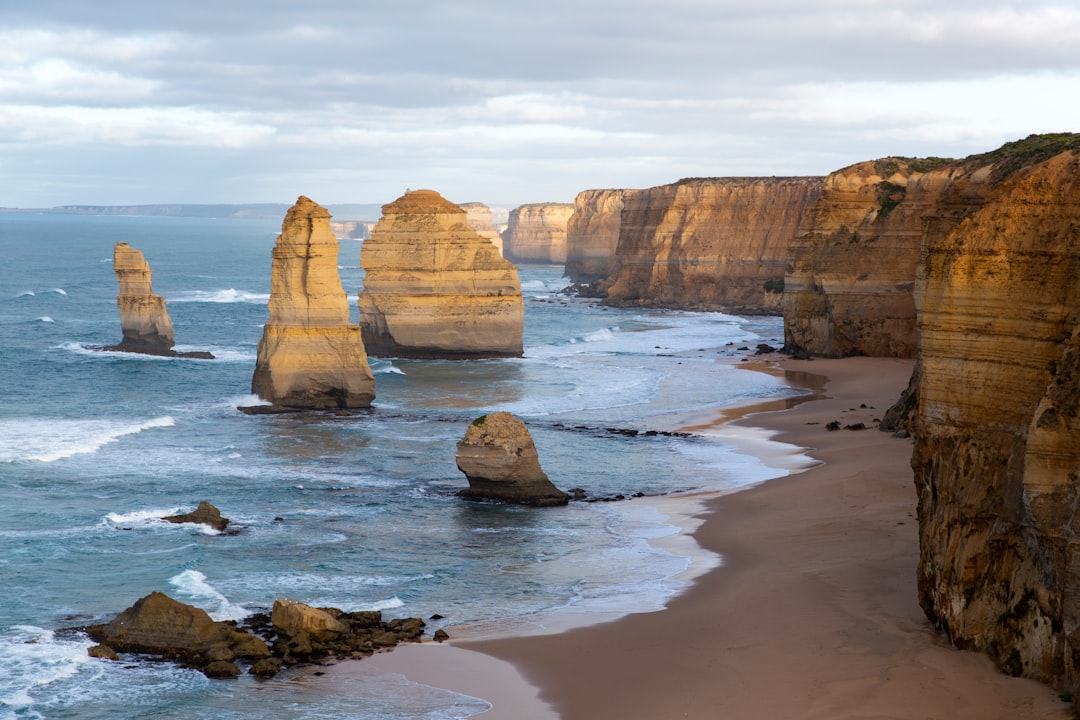
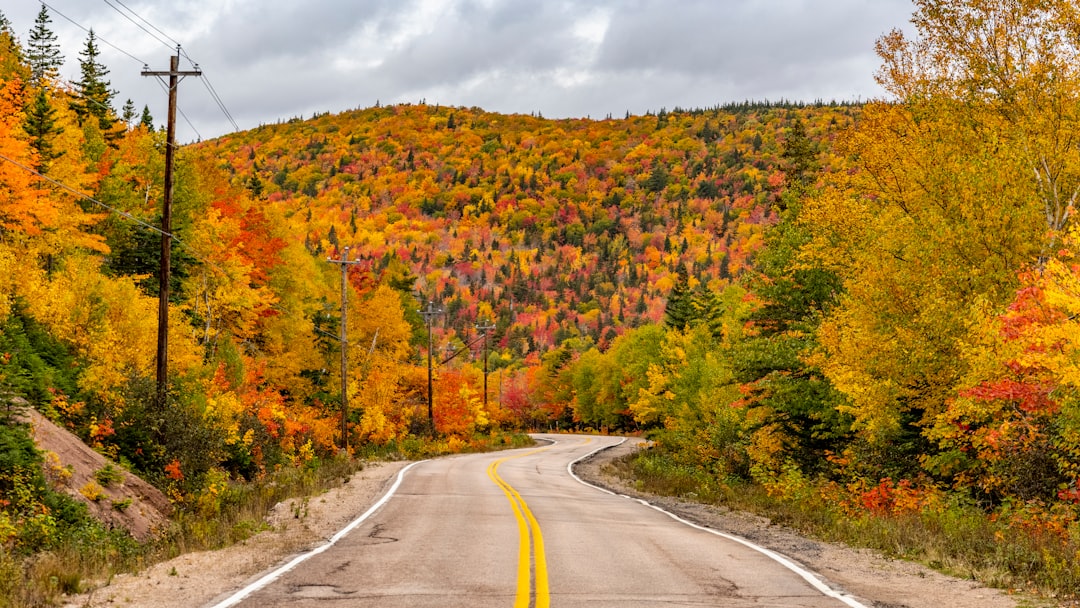
The route data makes this concrete. Route 66 covers 3,940 km, and even the "fast" 14-day version averages only about 280 km a day, because you are stopping for the diners and the desert, not racing. A scenic road pulls the average down much further. The Cabot Trail is just 298 km, yet the catalog calls for 3 to 4 days, roughly 75 to 100 km a day, because every headland is a reason to pull over. The Great Ocean Road runs 660 km across 3 days, around 220 km daily, and that already assumes you are not lingering at every lookout.
So plan in hours, not kilometres, and build the day around how much you want to stop. A good rule: take the raw driving time your map app gives you and add at least 50 percent for a scenic route, or double it for a marquee coastal or mountain drive.
How to build a day you can actually sustain
A sustainable driving day is not just about the total. It is about how you break it up.
- Stop roughly every two hours. A short walk and a coffee resets your focus far better than pushing through. Most fatigue-related mistakes come in the third and fourth uninterrupted hour.
- Anchor the day around one long stop. A proper lunch or a two-hour hike splits a big day into two manageable halves and gives the trip its memories.
- Drive your best hours, not your last ones. Aim to reach your bed with daylight to spare. Arriving tired in the dark, in an unfamiliar place, is where trips go wrong.
- Respect the first and last day. The day you pick up a rental and the day you drop it off are half days in practice. Do not schedule a 600 km push on either.
If you are traveling with children or driving solo, cut these numbers. Kids do well with 4 hours and a real playground stop. A solo driver has no one to share the wheel, so the 6-hour ceiling is firmer.
Special cases that change the math
Mountain and technical roads. On a pass, average speed drops and concentration costs more, so hours feel longer. The Beartooth Highway is only 110 km but the catalog budgets 2 to 4 hours for it, and that is before you stop at the switchback overlooks. Treat 3 to 4 hours of mountain driving as a full, satisfying day.
One necessary long transfer. Sometimes geography forces a single big day to reach the good part. That is fine occasionally. Do it well rested, start early, and follow it with a slower day. Never stack two 8-hour days back to back.
Night driving. Avoid it where you can, especially on rural and wildlife-heavy roads. Many of our routes carry dusk-to-dawn animal advisories for good reason. If you must drive at night, shorten the day and slow down.
Frequently asked questions
How many hours should you drive in a day on a road trip?
Plan on 4 to 6 hours of actual driving for a comfortable day, and treat 8 hours as the absolute ceiling. On scenic routes you will often drive far less, because stops and slow, winding roads fill the day naturally.
How many kilometres can you realistically drive in a day?
On open highway, 500 to 800 km is doable but tiring. On a scenic route, 150 to 300 km is more realistic, and on a marquee coastal or mountain drive you may only cover 80 to 150 km. Distance drops as the driving gets more interesting.
Is 8 hours of driving a day too much?
Eight hours is the upper limit for one day, not a daily target. It is fine occasionally, for a necessary transfer, if you start early, break every two hours, and follow it with a lighter day. Doing it repeatedly leads to fatigue and a trip you will not remember fondly.
How do I avoid getting tired on a long drive?
Break every two hours, swap drivers if you can, keep the cabin cool, hydrate, and stop for a real meal rather than eating at the wheel. Most importantly, aim to arrive before dark so you are never fighting fatigue and low light at once.
How many hours a day should I drive with kids?
Around 4 hours of driving works best with children, split by a genuine stop with room to run. Plan shorter days than you would solo, and treat playgrounds, beaches, and short trails as part of the route rather than delays.
The best pace is the one that lets the road become the trip, not the thing between stops. Size each day in hours, leave slack for the views, and you will finish the drive wishing it were longer instead of shorter.
Ready to plan your own days? Browse the full route guides and their real durations in the interactive map, and see how the pros build a trip in how to plan a road trip.