The best stargazing road trips run through the world's darkest, driest country: Namibia's NamibRand Reserve, California's Death Valley, and Bolivia's Salar de Uyuni, where the salt flat mirrors the Milky Way after rain. These are drives where the night is the main event, high deserts and remote plateaus far from any city glow, with the kind of black skies that let the whole galaxy stand out.
This is a ranked list of ten drives pulled straight from the catalog, with real distances, durations, and best-season windows. What they share is emptiness: dry air, high ground, and hundreds of kilometres between streetlights. Because most of them cross open desert, you can browse the wider set in our Desert Roads hub. Pack a red-light torch, download a sky-map app, and give your eyes twenty minutes to adjust once the engine is off.
The 10 best stargazing road trips at a glance
Here is the ranked shortlist. Distances, durations, and seasons come straight from each route's page, so plan your nights around clear, moonless windows for the darkest skies.
| # | Route | Country | Distance | Duration | Best season |
|---|---|---|---|---|---|
| 1 | Namib Desert Circuit | Namibia | 1,400 km | 6 to 8 days | May to Oct |
| 2 | Death Valley | United States | 480 km | 3 days | Oct to Apr |
| 3 | Salar de Uyuni Circuit | Bolivia | About 900 km | 3 days | May to Nov |
| 4 | Arica to Lauca Altiplano | Chile | 315 km | 3 days | Apr to Nov |
| 5 | Pamir Highway | Tajikistan | 1,252 km | 8 to 10 days | Jun to Sep |
| 6 | Uluru and the Red Centre | Australia | 1,225 km | 5 days | Apr to Oct |
| 7 | Mongolia: Classic Gobi Circuit | Mongolia | About 2,250 km | 12 days | Jun to Sep |
| 8 | Sani Pass | South Africa | 110 km one-way | 1 to 2 days | Mar to Nov |
| 9 | Across the High Atlas | Morocco | 830 km | 5 to 6 days | Mar to May, Sep to Nov |
| 10 | Turkmenistan: Gates of Hell | Turkmenistan | 600 km | 3 days | Oct to Apr |
If you only do one
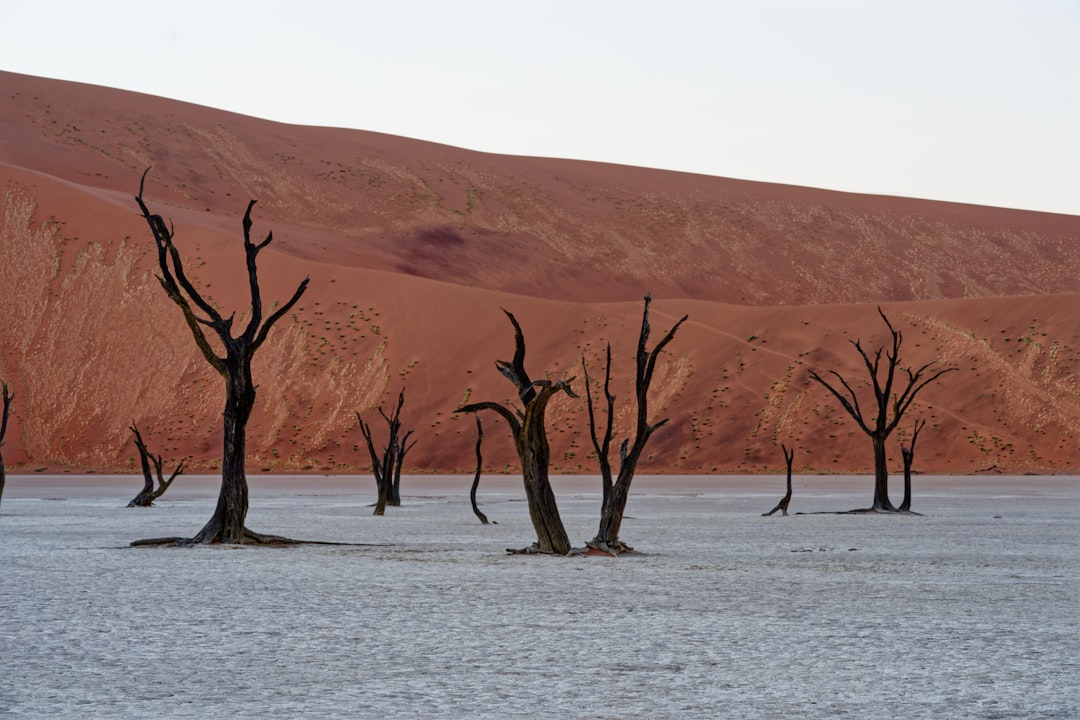
Drive the Namib Desert Circuit. Namibia sits at the top of this list for one simple reason: the NamibRand Nature Reserve was the first International Dark Sky Reserve in Africa, and the whole country is thinly populated desert with almost no light pollution to fight. Over six to eight days from May to October you link Sossusvlei's 300 metre apricot dunes, the bleached camel-thorn skeletons of Deadvlei, and the billion-year-old walls of Fish River Canyon, then camp under a sky so dense with stars that the Milky Way casts a faint shadow. It is a moderate drive on gravel, so carry two spares, plenty of water, and a plan for the long gaps between fuel stops. Wait for a moonless night and you will understand why people cross the planet to look up here.
1. Namib Desert Circuit, Namibia
The Namib Desert Circuit is the definitive dark-sky drive. This S-tier, 1,400 km loop through the world's oldest desert takes six to eight days and is at its best from May to October, in the dry winter when the skies are clearest. By day it is all sculpted dune and ghost town, from apricot Sossusvlei to the sand-swallowed streets of Kolmanskop near Lüderitz. By night, with the NamibRand Reserve and its Dark Sky status just to the south, the desert delivers some of the cleanest starlight on the continent. It is a moderate but remote gravel route, so plan fuel and water carefully and let the emptiness work in your favour.
2. Death Valley, United States
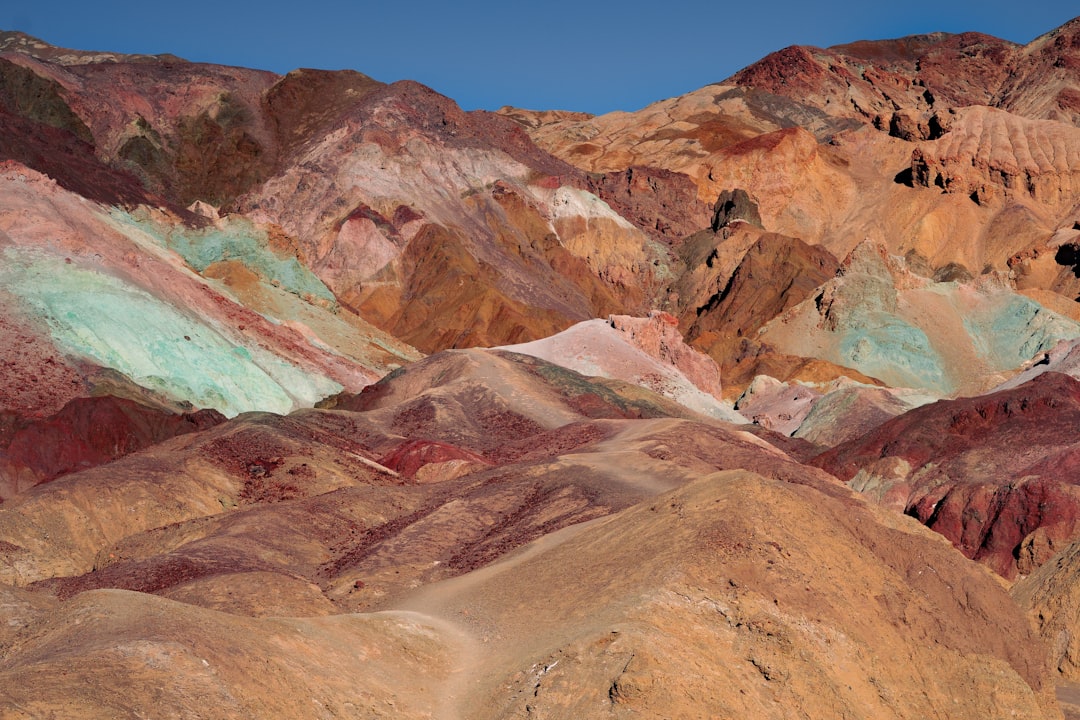
For the most accessible dark sky on this list, point the car at Death Valley. This 480 km, three-day run from Las Vegas to Stovepipe Wells crosses the lowest, hottest, driest national park in North America, and the park itself is a certified International Dark Sky Park. Drive it from October to April, when the heat is survivable, and time a night around the new moon at Mesquite Flat or Badwater Basin. The badlands, salt pans at 86 metres below sea level, and singing dunes are spectacular by day, but it is the star-thick sky over that silence that people remember. Being only two hours from the neon of Las Vegas makes the contrast almost unreal.
3. Salar de Uyuni Circuit, Bolivia
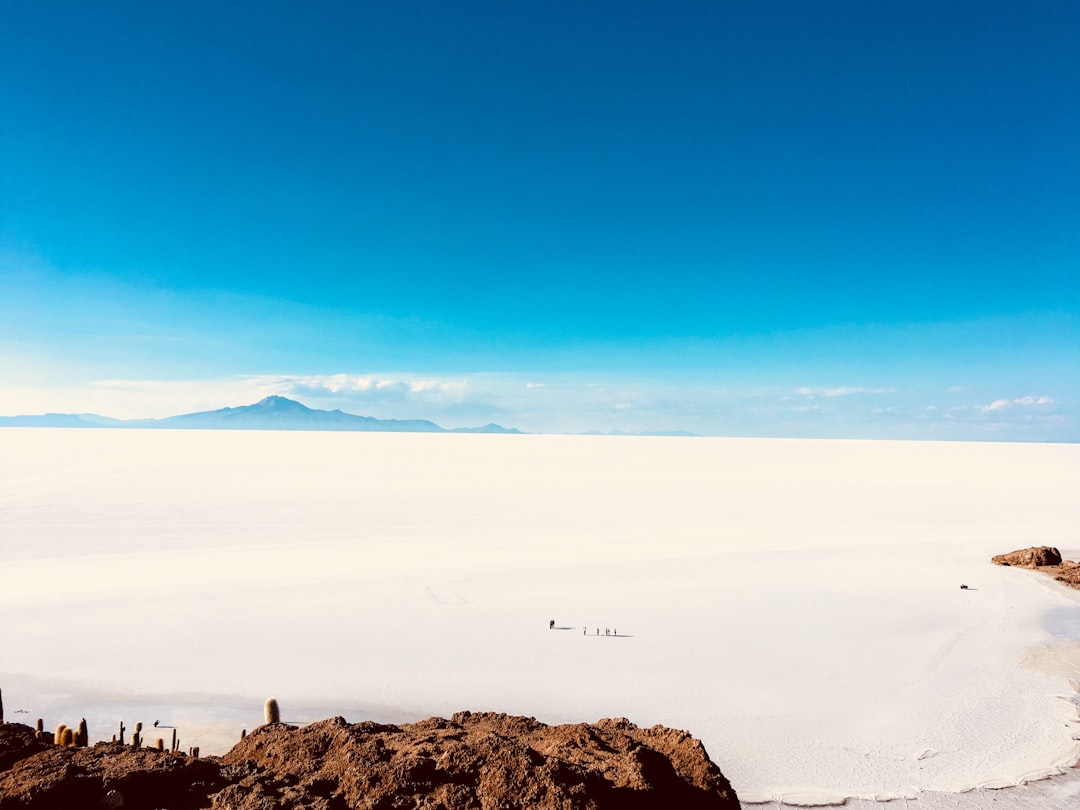
The Salar de Uyuni Circuit offers a trick no other route can match: a mirror. This S-tier, roughly 900 km drive across the world's largest salt flat takes three days and runs in the dry season from May to November. When a thin film of water sits on the 10,582 square kilometre pan, the salt reflects the sky so perfectly that stars appear above and below you at once. Beyond the flat the route climbs into the Altiplano past flamingo lagoons and geysers at 5,000 metres, thin dry air that keeps the skies razor sharp. It is a hard, high, remote drive best done with a guide or convoy, but the reward is a night sky doubled.
4. Arica to Lauca Altiplano, Chile
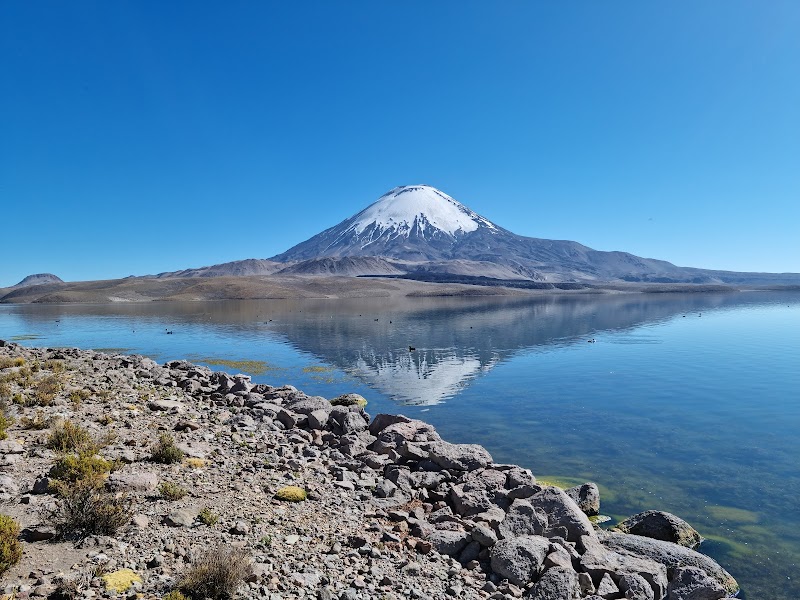
Chile's Arica to Lauca Altiplano climbs from the Pacific coast into the same high, arid air that drew the world's great observatories to the Atacama. Over three days and 315 km the road follows the Lluta Valley to Putre and on into Lauca National Park, past turquoise lagoons, herds of vicuñas, and snow-capped volcanoes under what the route notes call thin, brilliant air. Drive it from April to November. At these altitudes the atmosphere is so dry and stable that stars barely twinkle, they simply burn. Acclimatise slowly, because the best viewing here comes at over 4,000 metres.
5. Pamir Highway, Tajikistan
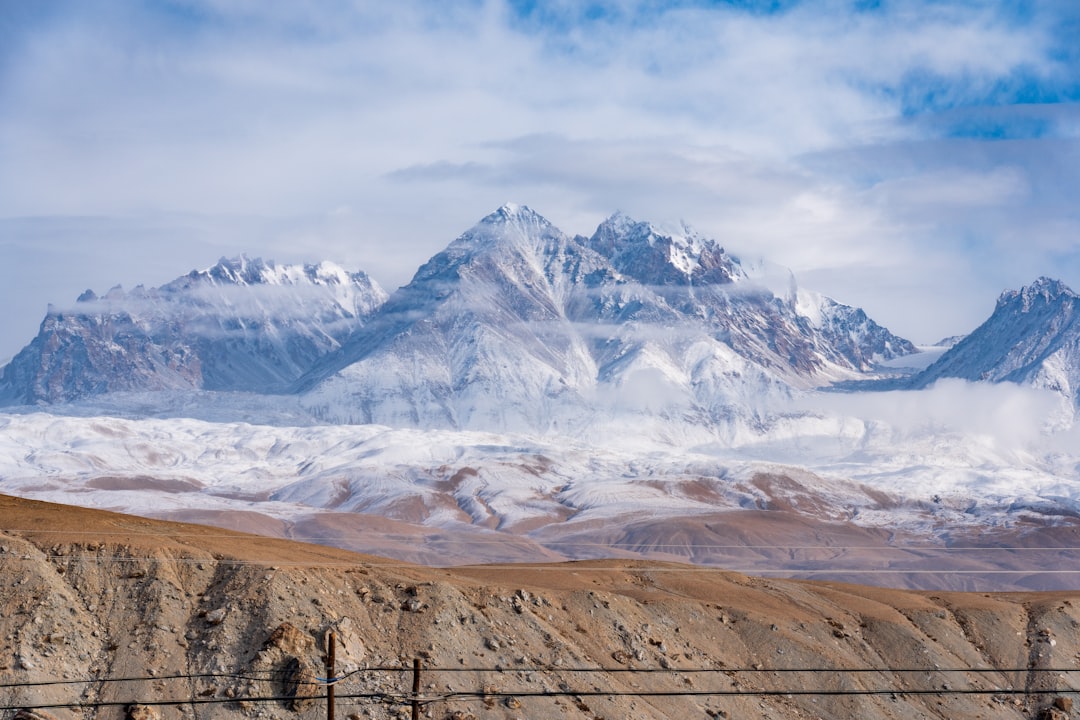
The Pamir Highway earns its nickname, the Roof of the World, and few roads deliver darker skies. This classic S-tier crossing runs 1,252 km from Dushanbe to Osh over eight to ten days, best from June to September. It threads the Tajik Wakhan, the Murghab plateau, and the Ak-Baital pass above 4,600 metres, through country where villages are tiny and light pollution simply does not exist. Camp beside Karakul lake, a meteorite crater lake at 3,900 metres, and the stars come down to the horizon in every direction. It is a hard, high-altitude drive that rewards patience, good tyres, and time to acclimatise.
6. Uluru and the Red Centre, Australia
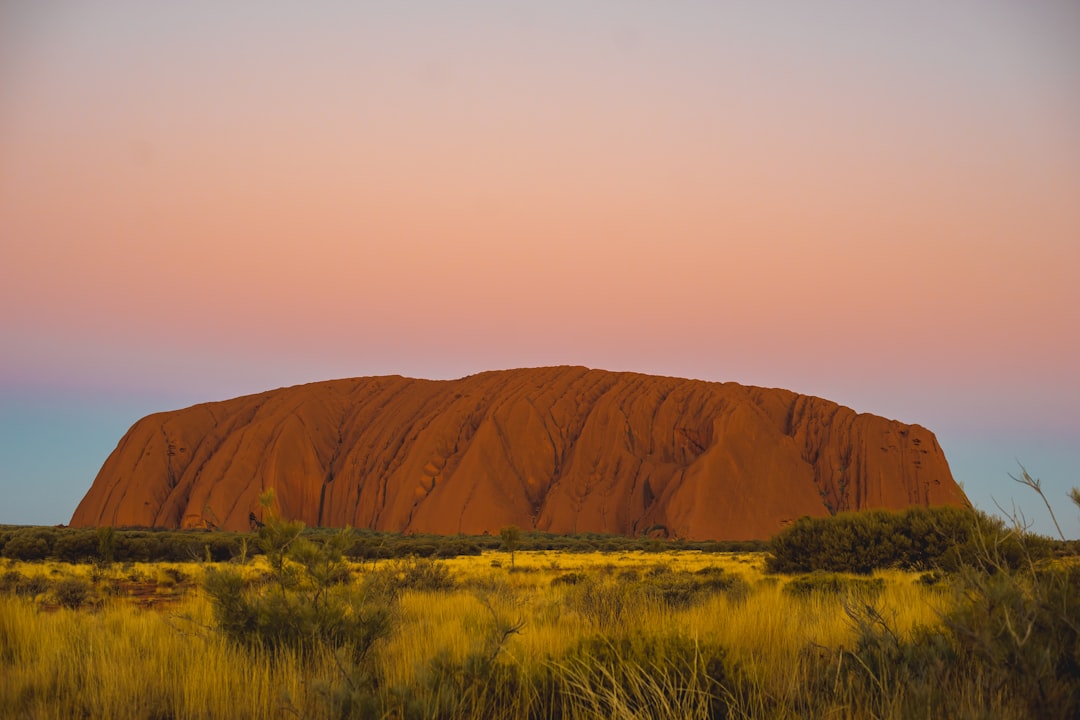
The Uluru and the Red Centre drive puts you under the southern sky in Australia's vast desert heart. This S-tier, 1,225 km, five-day progression links Uluru and Kata Tjuta with Kings Canyon and the West MacDonnell ranges, best from April to October. Far from any coastal city, the outback night reveals the Southern Cross, the Magellanic Clouds, and a Milky Way so bright the Aboriginal peoples of this land mapped its dark dust lanes as constellations of their own. Watch the sunset colour drain from the rock, then stay out after dark, the temperature drops fast but the sky only improves.
7. Mongolia: Classic Gobi Circuit, Mongolia
Few places on Earth feel as empty as the Classic Gobi Circuit. This S-tier, roughly 2,250 km loop from Ulaanbaatar takes twelve days and runs from June to September, through the flaming cliffs of Bayanzag, the singing dunes of Khongoryn Els, and the ice canyon of Yolyn Am. Most nights you sleep in a ger camp with no town for a hundred kilometres in any direction, which makes for some of the darkest skies in Asia. It is a hard, long overland journey, so travel with a driver who knows the tracks and let the enormous quiet of the desert set the pace.
8. Sani Pass, South Africa
The Sani Pass packs an astonishing sky into a short, steep drive. This S-tier 4WD track climbs 1,332 vertical metres in just nine kilometres through the Drakensberg escarpment into Lesotho, a one to two day trip best from March to November. At the top, at over 2,800 metres, sits the highest pub in Africa and, in the route's own words, a blanket of stars over the mountain kingdom. The thin high-altitude air and total absence of towns make this one of the best stargazing perches in southern Africa. It is a hard, boulder-strewn route that needs low-range four-wheel drive, so go with a capable vehicle or a guided transfer.
9. Across the High Atlas, Morocco
The great desert approach of Across the High Atlas ends where the stargazing begins: the Sahara. This 830 km, five to six day drive climbs from Marrakech over the 2,260 metre Tizi n'Tichka pass, down through the palm groves of the Draa Valley, and out to the towering Erg Chebbi dunes at Merzouga. Drive it in spring or autumn, from March to May or September to November, to dodge the summer heat. Spend a night at a desert camp among the dunes and the Sahara sky opens up, unbroken by any glow for hundreds of kilometres. It is a moderate drive on good roads, an easy entry point to genuinely dark desert skies.
10. Turkmenistan: Gates of Hell, Turkmenistan
The Gates of Hell route offers the strangest night on this list. This 600 km, three-day drive runs from Ashgabat north through the Karakum desert to the Darvaza gas crater, a burning pit that has glowed for decades, best visited from October to April. Camping beside the crater, you get two light shows at once: the orange furnace at your feet and the cold, brilliant desert stars overhead. Beyond the fire there is nothing but sand in every direction, which keeps the sky utterly dark. It is a moderate desert drive, but Turkmenistan's entry rules are strict, so arrange a licensed guide and permits well in advance.
Frequently asked questions
What is the best road trip for stargazing?
For sheer darkness and reliability, the Namib Desert Circuit in Namibia is hard to beat, thanks to the NamibRand Dark Sky Reserve and a whole country of near-empty desert. If you want the easiest access, Death Valley in the United States is a certified Dark Sky Park within two hours of Las Vegas.
When is the best time of year to see the stars on these drives?
Aim for the dry season on each route, which is when skies are clearest: May to October for the Namib and the southern deserts, October to April for Death Valley and Turkmenistan, and June to September for the high-altitude Pamir and Gobi. On any of them, plan your key nights around the new moon, when the sky is darkest.
Do I need special equipment to stargaze on a road trip?
No, the naked eye is enough under skies this dark, and the Milky Way is easy to see without any gear. A red-light torch to protect your night vision, a phone sky-map app, and a pair of binoculars will all improve the experience, and a tripod helps if you want to photograph the stars.
Are these stargazing routes suitable for beginners?
A few are very approachable, especially Death Valley and Across the High Atlas, which follow good sealed roads. Others, like the Pamir Highway, the Salar de Uyuni, Sani Pass, and the Gobi, are hard, high, or remote and are best driven with a guide, a convoy, or a capable 4WD.
Where can I compare these desert drives side by side?
Every route here is in our catalog with full distances, durations, seasons, and stop-by-stop plans. Browse them together in the Desert Roads hub, or open the interactive map to see how they sit across the world's darkest regions.
Plan your own night under the stars
Ten drives, ten of the darkest skies on the planet. Start with the Namib Desert Circuit if you want the definitive stargazing road trip, then explore the rest in the Desert Roads hub and plot your route on our interactive map. Wherever you point the car, chase a moonless night, get well clear of any town, and let your eyes adjust. The sky will do the rest.