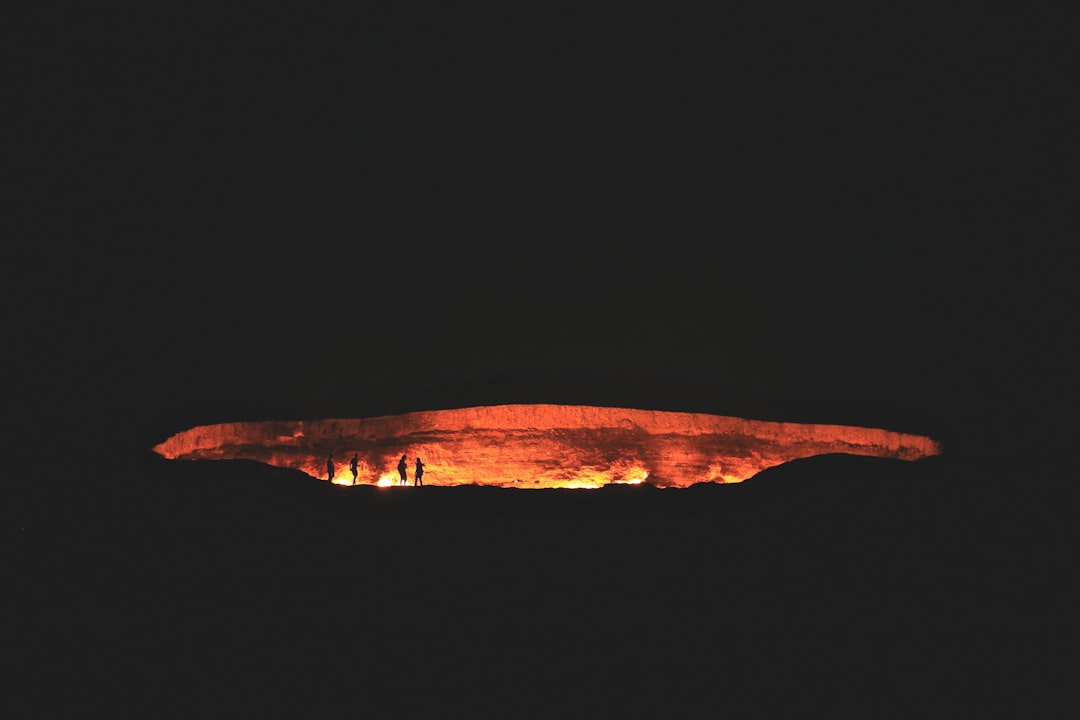
Turkmenistan: Gates of Hell
Turkmenistan
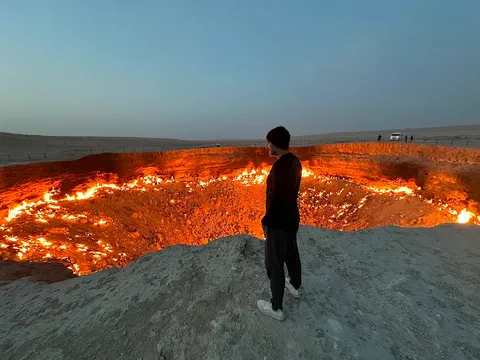
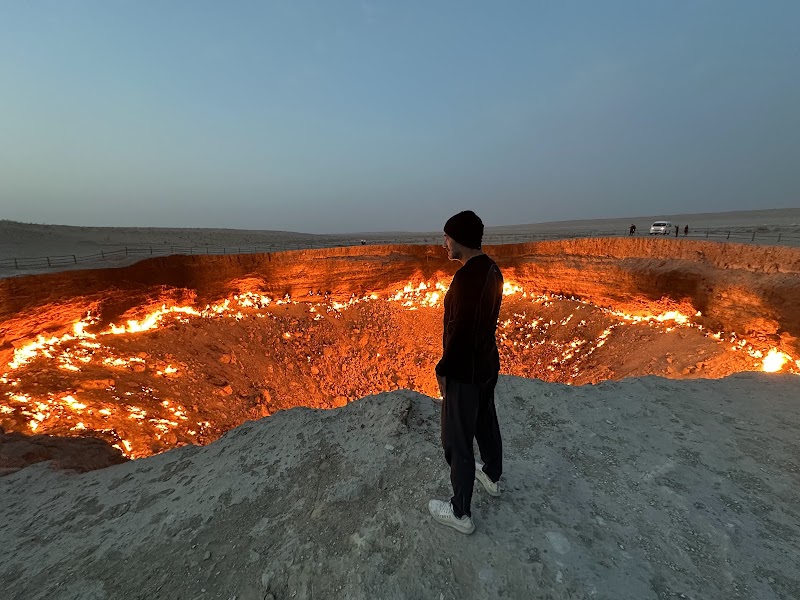
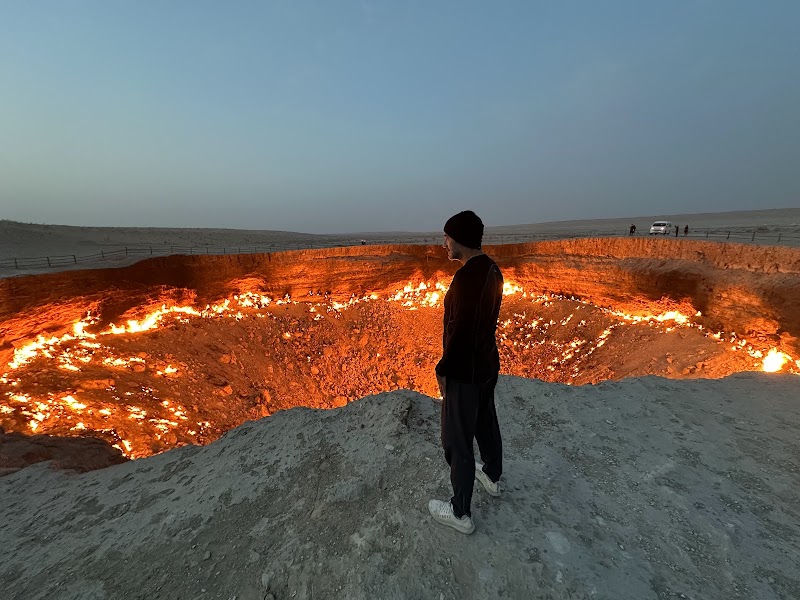
In short: Turkmenistan: Gates of Hell is a 600 km desert road trip in Turkmenistan, typically driven over 3 days, best in Oct–Apr. Highlights: Ashgabat, Karakum Desert, Darvaza Gas Crater.
The focused classic route runs from Ashgabat north through the Karakum to a licensed camp at the Darvaza crater, then continues to Dashoguz.
Make this route yours
Set your dates, pace, and taste, and RoadAtlas AI rebuilds this trip day by day with real, verified places.
Included with Traveler and Explorer plans.
Plan this trip
Third-party planning links may be affiliate links. RoadAtlas stays independent, and you should verify details with the provider.
Day-by-day itinerary
Day 1Ashgabat
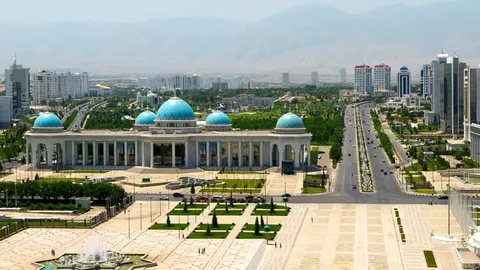
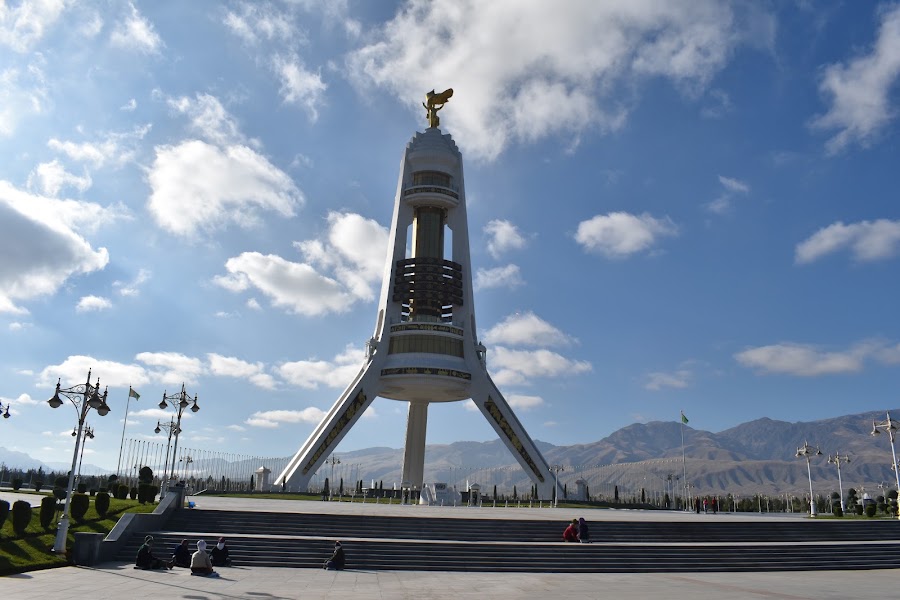
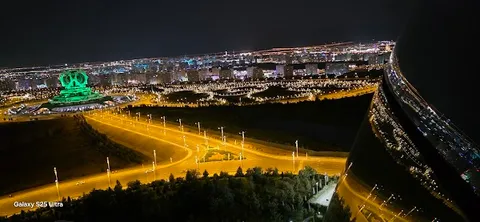
Turkmen Carpet Museum · Neutrality Monument · Yyldyz Hotel Restaurant
Day 2Ashgabat to the Darvaza operator camp
Karakum desert transfer · Darvaza crater viewing · Operator-provided Darvaza camp dinner
Day 3Darvaza to Dashoguz
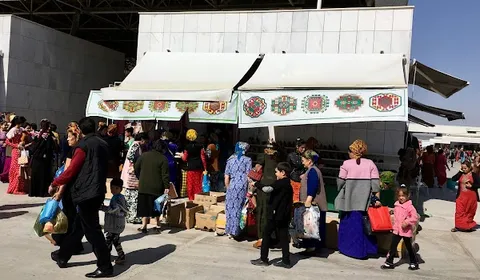
Karakum northbound drive · Dashoguz arrival and onward check · Dashoguz Bazaar meal
Stops along the route
Things to Do
Where to Eat
Nearby and similar drives
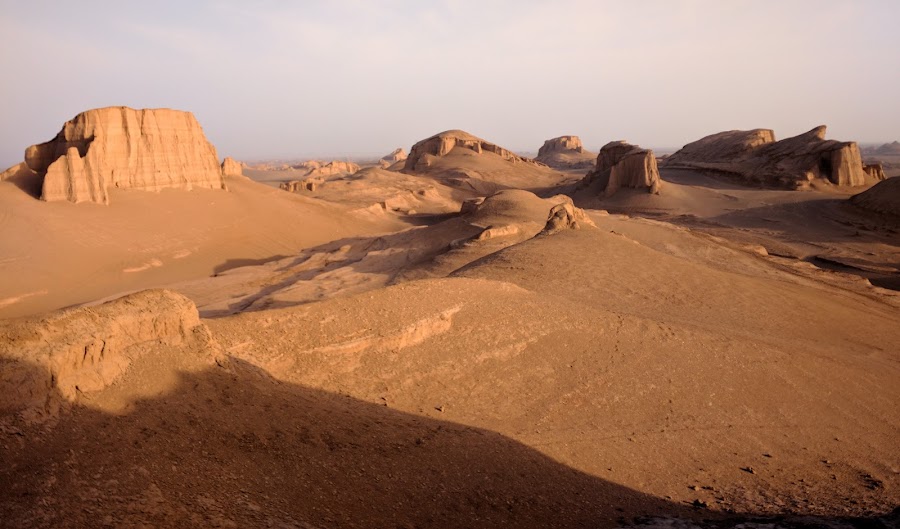
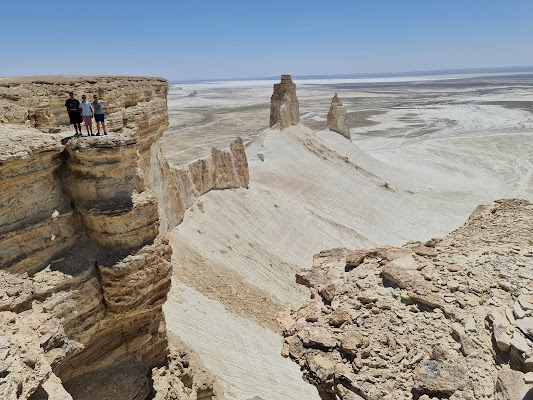
Frequently asked questions
How long is the Turkmenistan: Gates of Hell drive?
The Turkmenistan: Gates of Hell covers 600 km from start to finish.
How long does the Turkmenistan: Gates of Hell take to drive?
Most travellers spend 3 days on the Turkmenistan: Gates of Hell, depending on stops and pace.
When is the best time to drive the Turkmenistan: Gates of Hell?
The recommended season for the Turkmenistan: Gates of Hell is Oct–Apr.
Where does the Turkmenistan: Gates of Hell start and end?
The Turkmenistan: Gates of Hell runs from Ashgabat to Dashoguz.
What are the main stops on the Turkmenistan: Gates of Hell?
The Turkmenistan: Gates of Hell passes through Ashgabat, Karakum Desert, Darvaza Gas Crater.
How difficult is the Turkmenistan: Gates of Hell to drive?
The Turkmenistan: Gates of Hell is rated moderate and is best handled with 4wd only.
Do I need a 4WD for the Turkmenistan: Gates of Hell?
Yes — the Turkmenistan: Gates of Hell includes off-road or rough sections that require 4wd only.
Do I need a permit or border paperwork for the Turkmenistan: Gates of Hell?
Yes — the Turkmenistan: Gates of Hell requires permits, fees, or border paperwork. Plan ahead: Tourist travel requires a visa supported by a letter of invitation and an authorized local operator; the operator must arrange the guide, vehicle, camp and current site access. The sand track requires high-clearance 4WD. Darvaza still burns, but recent reports describe materially diminished visible flames: treat it as a changing industrial and geological site, not a guaranteed wall of fire, and confirm access and visibility before booking around it. Carry cash and water and do not drive the desert at night.
How many fuel stops are needed on the Turkmenistan: Gates of Hell?
Plan around 1 refuels (or about 2 EV charges) along the Turkmenistan: Gates of Hell, based on its 600 km length.
Is the Turkmenistan: Gates of Hell safe to drive?
Tourist travel requires a visa supported by a letter of invitation and an authorized local operator; the operator must arrange the guide, vehicle, camp and current site access. The sand track requires high-clearance 4WD. Darvaza still burns, but recent reports describe materially diminished visible flames: treat it as a changing industrial and geological site, not a guaranteed wall of fire, and confirm access and visibility before booking around it. Carry cash and water and do not drive the desert at night.
What scenic tier is the Turkmenistan: Gates of Hell?
The Turkmenistan: Gates of Hell is a iconic drive — Iconic road trips that anchor a region's reputation — postcard scenery, headline highways, and the routes most travellers want to drive.