The best national park road trips in North America are Glacier's Going-to-the-Sun Road, Canada's Icefields Parkway, and the Grand Teton to Yellowstone run. These are the drives where the scenery does not build up to the park, it happens inside it: alpine passes, glacier-fed lakes, geyser basins, and red-rock canyons unrolling right outside the windshield. Below are ten of them, ranked, with real distances, durations, and the season each one is at its best.
National parks were practically made for the road trip. The classic park road was engineered to be driven slowly, with pullouts framed on the finest views and speed limits that rarely top 45 mph inside the gates. Several of these routes are also serious mountain drives, so if switchbacks are what you are chasing, pair this list with our Mountain Passes collection. Then open the interactive map and string a few together.
The 10 best national park road trips at a glance
| # | Route | Country | Distance | Duration | Best season |
|---|---|---|---|---|---|
| 1 | Going-to-the-Sun Road | United States | 80 km | 2 days | Jul to Sep |
| 2 | Icefields Parkway | Canada | 232 km | 2 days | Jun to Sep |
| 3 | Grand Teton to Yellowstone | United States | 320 km | 4 to 5 days | May to Oct |
| 4 | Southern Utah Parks Traverse | United States | 740 km | 7 to 9 days | Mar to May, Sep to Nov |
| 5 | Cabot Trail | Canada | 298 km | 3 to 4 days | Jun to Oct |
| 6 | Blue Ridge Parkway | United States | 755 km | 5 to 6 days | May to Jun, Sep to Oct |
| 7 | Beartooth Highway | United States | 110 km | Half a day to 2 days | Late Jun to Sep |
| 8 | Death Valley | United States | 480 km | 3 days | Oct to Apr |
| 9 | Olympic Peninsula Circuit | United States | About 720 km | 3 days | Late spring to early fall |
| 10 | Seward Highway | United States | 202 km | 1 to 2 days | May to Sep |
If you only do one
Drive the Going-to-the-Sun Road. In just 80 km it crosses the Continental Divide inside Glacier National Park, climbing past Lake McDonald and the waterfall-streaked Garden Wall to Logan Pass, where mountain goats work the parking lot and the glaciers sit close enough to read. Give it two days so you can walk a trail from the top rather than only drive over it. No other road on this list packs so much national park into so few miles, and for 2026 Glacier is not requiring a timed vehicle-entry reservation, so the gate is simpler than it has been in years.
1. Going-to-the-Sun Road, Glacier National Park
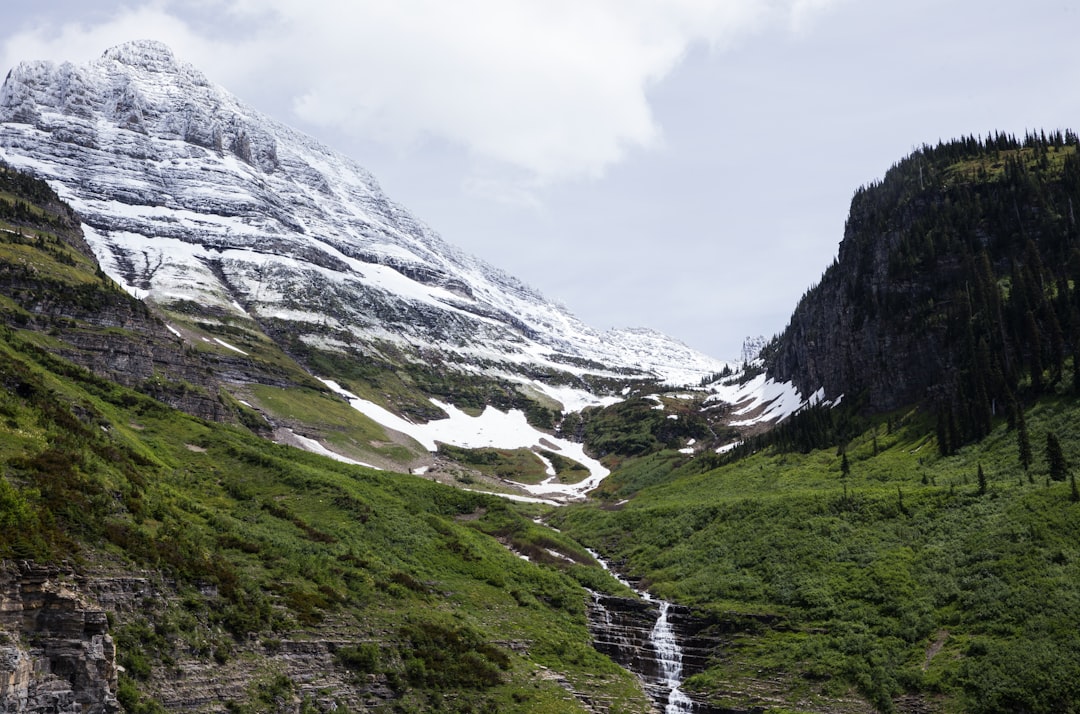
The most concentrated national park drive in the Lower 48. The Going-to-the-Sun Road runs 80 km from the West Entrance at Lake McDonald up and over Logan Pass, then down to St. Mary Lake on the drier eastern side. In between come Avalanche Creek, the cliff-hugging Garden Wall, and the Jackson Glacier Overlook, one of the few glaciers you can see from the driver's seat. The road is fully open only from roughly July to September once plows clear the snow, and vehicle-size limits apply on the narrow upper stretch, so leave the big RV below.
2. Icefields Parkway, Banff and Jasper National Parks
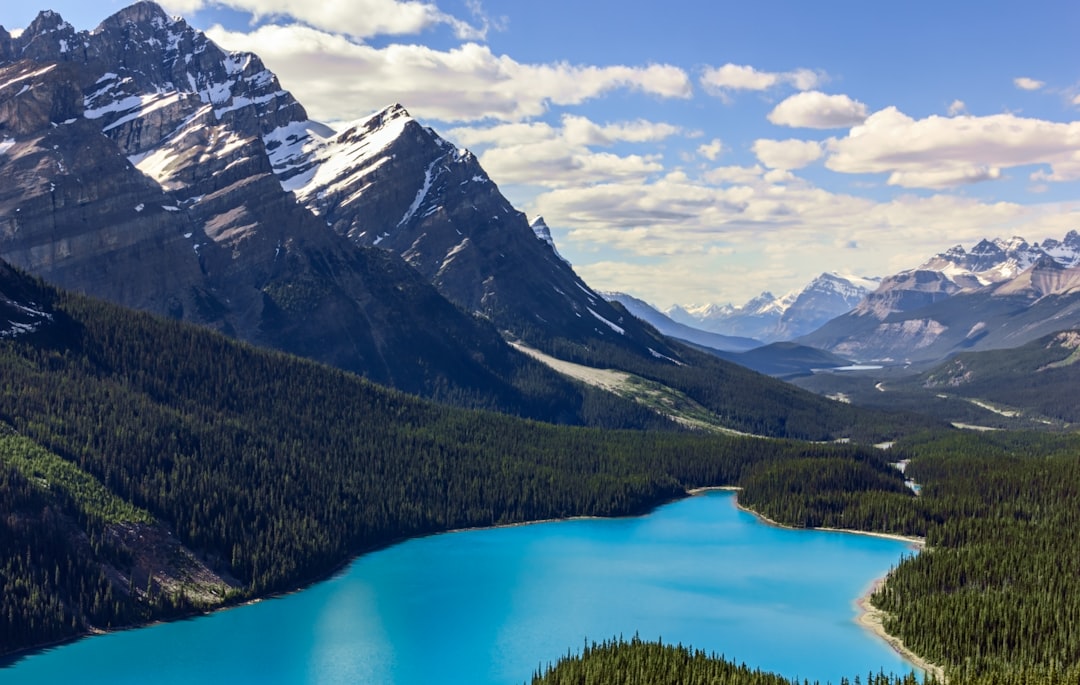
If Going-to-the-Sun is the most concentrated, the Icefields Parkway is the most sustained. Highway 93 links Lake Louise to Jasper across 232 km of the Canadian Rockies, and it barely lets up. Bow Lake, the electric-blue Peyto Lake, the Columbia Icefield where you can step onto the Athabasca Glacier, then Sunwapta and Athabasca Falls arrive before Jasper. Two days do it justice, ideally with a Banff and Lake Louise pre-day. Note that Moraine Lake Road is closed to private cars year-round, so ride the reserved shuttle for that famous view.
3. Grand Teton to Yellowstone
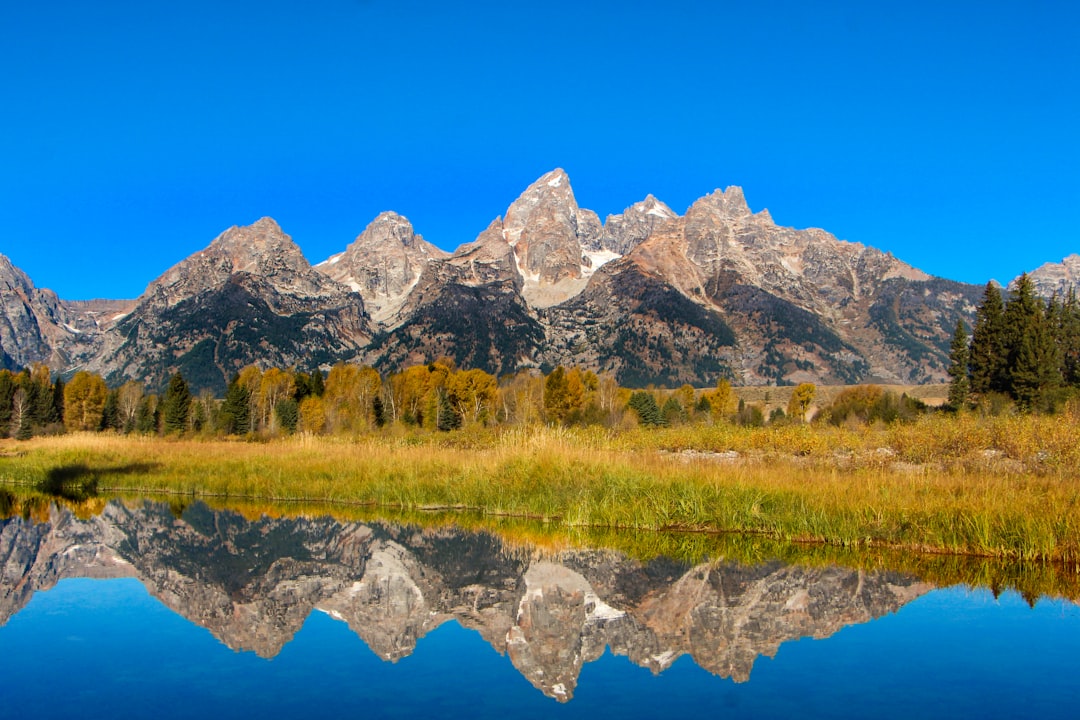
America's greatest wildlife corridor, strung between two parks. The Grand Teton to Yellowstone route covers 320 km from Jackson and Jenny Lake, past the Snake River Overlook that Ansel Adams made famous, into the world's first national park. Old Faithful, the Grand Prismatic Spring, Norris Geyser Basin, and the terraces of Mammoth Hot Springs come one after another, and the Lamar Valley delivers wolves and bison at dawn. Give it four to five days from May to October, and expect congestion near the marquee stops, so start early.
4. Southern Utah Parks Traverse
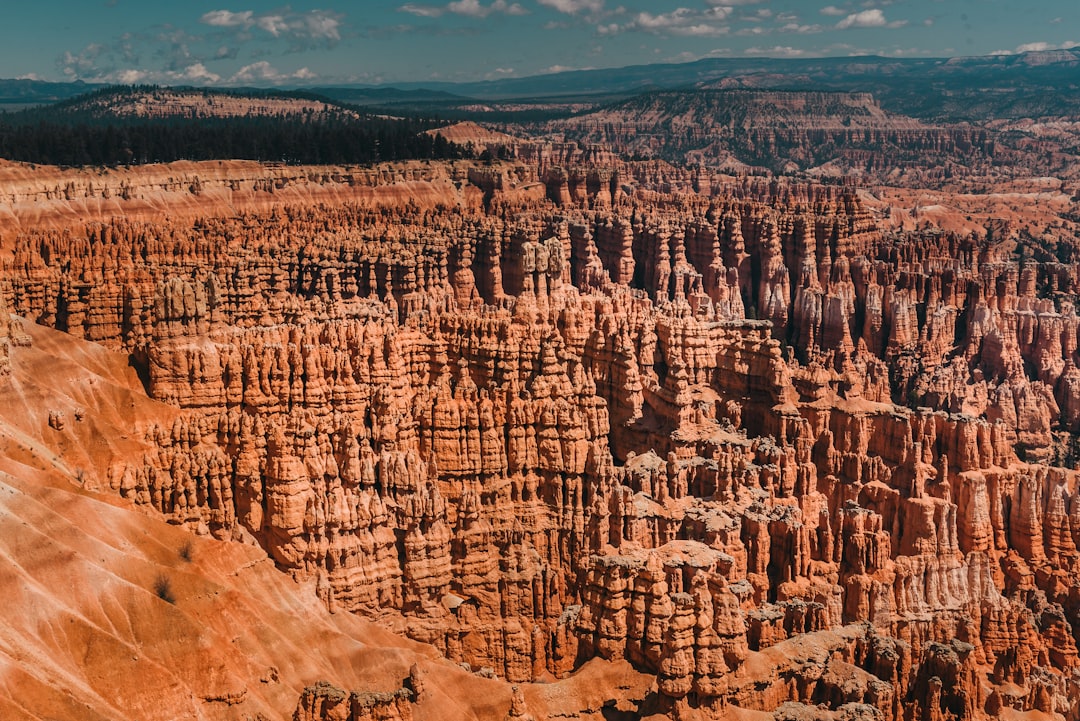
No other drive banks this many parks in one trip. The Southern Utah Parks Traverse runs 740 km from St. George to Monument Valley and threads all five of Utah's national parks: Zion, Bryce Canyon, Capitol Reef, Canyonlands, and Arches, with the hoodoos of Goblin Valley thrown in. Spread it over seven to nine days and target spring, March to May, or fall, September to November, when the slickrock is warm rather than scorching. Zion runs a seasonal shuttle through its canyon, so plan that day around it.
5. Cabot Trail, Cape Breton Highlands National Park
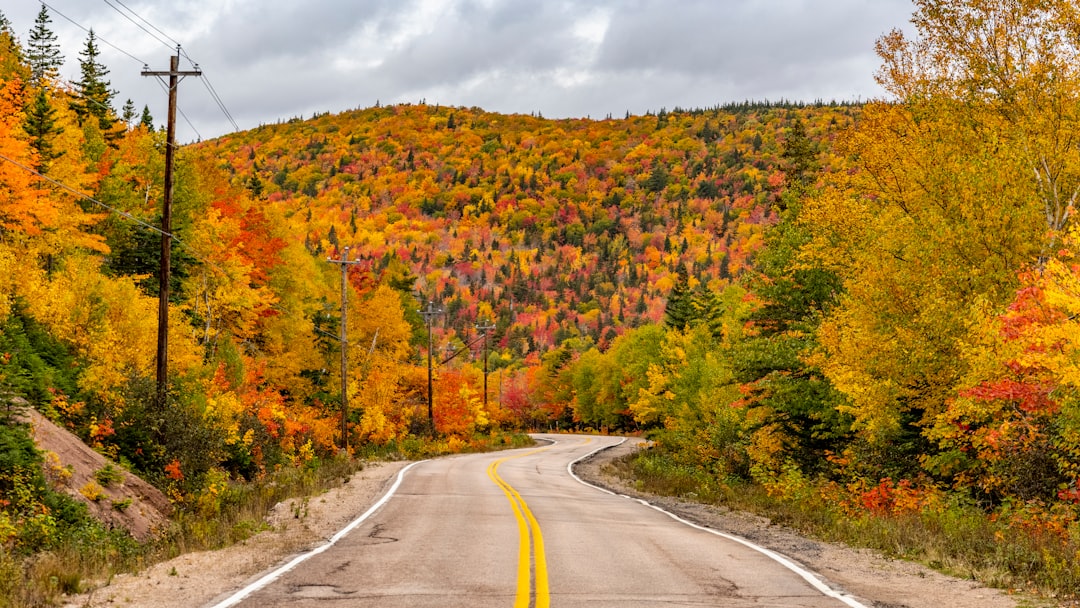
Canada's finest coastal park loop. The 298 km Cabot Trail circles the northern tip of Cape Breton Island, climbing over the highlands of Cape Breton Highlands National Park and dropping to sea-level fishing villages like Cheticamp, Pleasant Bay, and Ingonish. The cliff-edge grades are steep and the ocean views are constant, with whales offshore in summer. June to October is the window, and the autumn color here rivals New England's. From June 26 to October 25, 2026, Skyline Trail parking requires an advance booking.
6. Blue Ridge Parkway
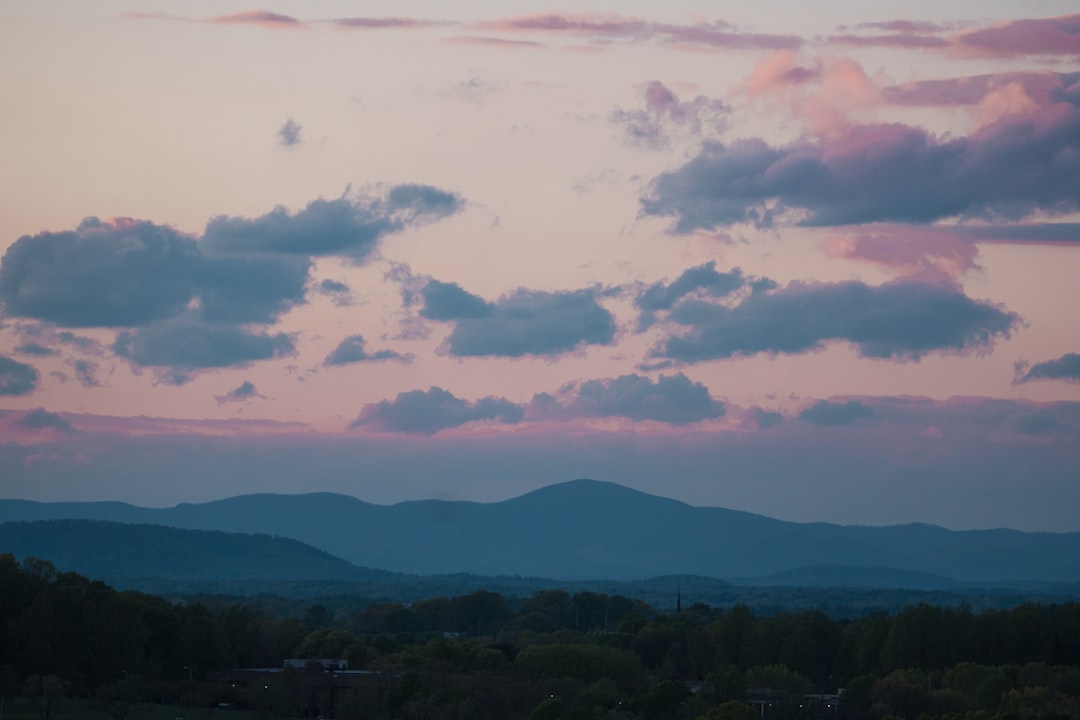
The longest and gentlest drive here, and the one that links two parks end to end. The Blue Ridge Parkway runs 755 km of ridge-top road from Shenandoah National Park to the Great Smoky Mountains, with no billboards, no trucks, and no stoplights. Rockfish Gap, the Peaks of Otter, the graceful Linn Cove Viaduct, artsy Asheville, and Waterrock Knob mark the miles. Come in late spring for the rhododendron or in October for some of the best foliage in the East. Open the NPS real-time road map each morning, since sections close for repairs and storms.
7. Beartooth Highway
The highest and wildest way into Yellowstone. The Beartooth Highway climbs 110 km from Red Lodge, Montana over the Beartooth Pass and down to Cooke City at Yellowstone's quiet northeast entrance. Switchbacks stack up past Rock Creek Vista, the Top of the World Store, and a string of alpine lakes on the tundra plateau. You can drive it in an afternoon or make it a two-day approach to Yellowstone. It opens only from late June to September and can close for snow even in high summer, so check the status the morning you set out.
8. Death Valley
The lowest, hottest, driest national park, and one of the most cinematic drives on the continent. The 480 km run from Las Vegas to Stovepipe Wells drops through the golden badlands of Zabriskie Point and the panorama at Dante's View to Badwater Basin, 86 meters below sea level, then on to Artist's Palette and the Mesquite Flat dunes. This is a winter drive: aim for October to April, when the desert is merely warm rather than lethal. Summer temperatures top 48 C and can disable a vehicle, so carry extra water whatever the month.
9. Olympic Peninsula Circuit
One loop, three landscapes, one national park. The Seattle to Olympic Peninsula Circuit covers about 720 km plus a ferry, sampling nearly everything Olympic National Park protects: the alpine meadows of Hurricane Ridge, mirror-calm Lake Crescent, the moss-draped Hoh Rain Forest, and the sea stacks of Ruby Beach. Three days is enough from late spring to early fall. Reservations are not offered on the Seattle to Bainbridge ferry, so arrive early for the queue, and check the tide tables before you walk the wild beaches.
10. Seward Highway
Alaska's most scenic paved drive, and the road to a fjord park. The 202 km Seward Highway leaves Anchorage along Turnagain Arm, past Beluga Point and the hanging glaciers of Portage Valley, then over Kenai Lake to Seward, the gateway to Kenai Fjords National Park. Beluga whales, Dall sheep, and dramatic bore tides all appear roadside. Treat it as a long day of stopping rather than a quick transfer, and add a second day in Seward for a boat into the fjords. May to September is the season.
Frequently asked questions
What is the best national park road trip in the US?
Glacier National Park's Going-to-the-Sun Road is the top pick. In just 80 km it crosses the Continental Divide past glaciers, waterfalls, and Logan Pass, packing more classic national park scenery into a short drive than anywhere else in the country.
When is the best time for a national park road trip?
It depends on the park. High-country roads like the Going-to-the-Sun Road, the Icefields Parkway, and the Beartooth Highway open fully only from about June to September. Desert parks such as Death Valley are best from October to April, when the punishing heat eases.
Do you need a reservation to drive into a national park?
Some parks use timed entry in peak season, and the rules change yearly. For 2026, Glacier does not require a timed vehicle-entry reservation, while Banff's Moraine Lake Road is closed to private cars and needs a shuttle. Always check the park's official site before you travel.
How many national parks can you see in one road trip?
The Southern Utah Parks Traverse links all five of Utah's national parks, Zion, Bryce Canyon, Capitol Reef, Canyonlands, and Arches, in a single 740 km drive over seven to nine days. It is the most park-dense route on this list.
Ready to plan? Start with the flagship Going-to-the-Sun Road guide, then open the interactive map to link these parks into one unforgettable North American road trip.