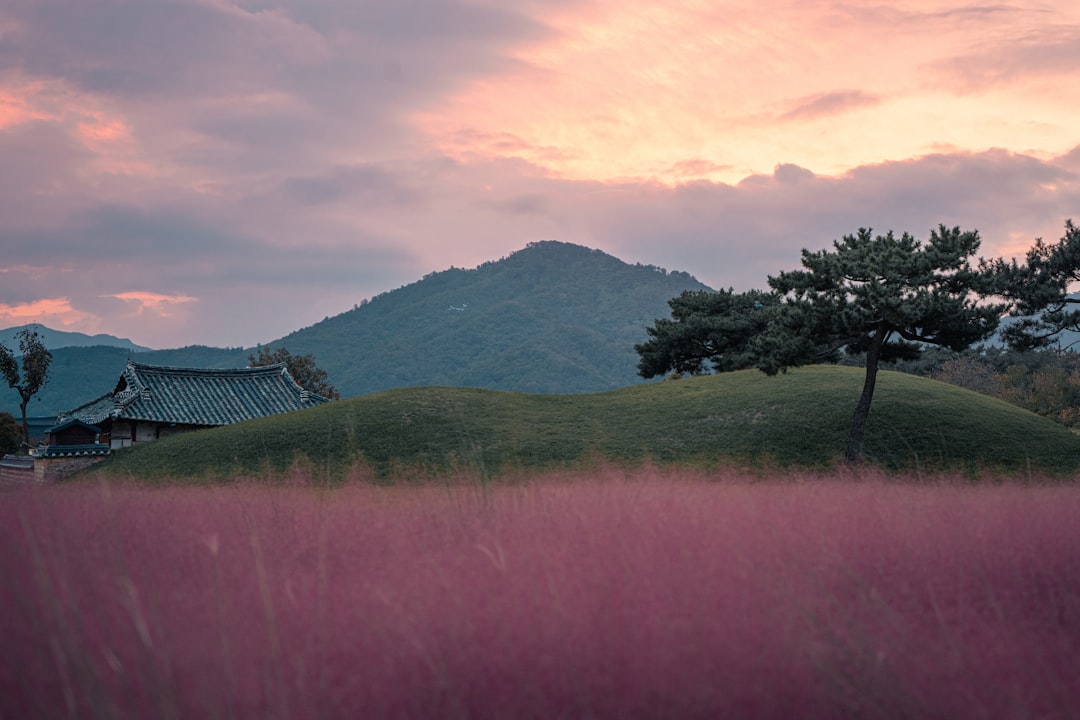
South Korea South Coast: Busan to Mokpo
South Korea
In short: South Korea South Coast: Busan to Mokpo is a 470 km scenic road trip in South Korea, typically driven over 5–6 days, best in Apr–Jun / Sep–Oct. Highlights: Busan, Tongyeong, Namhae German Village.
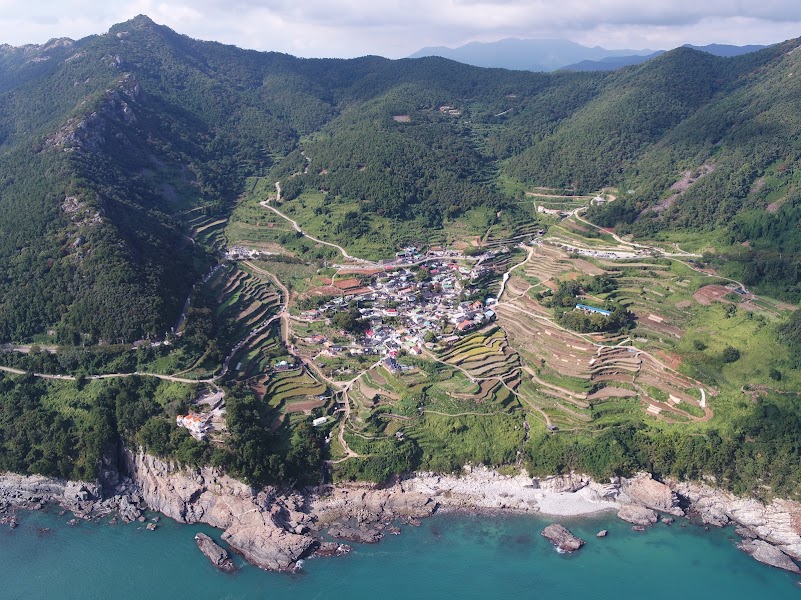
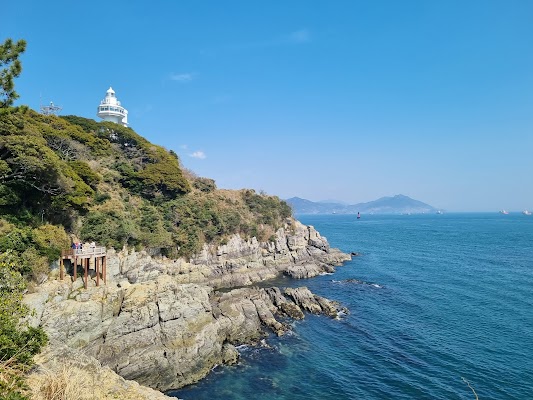
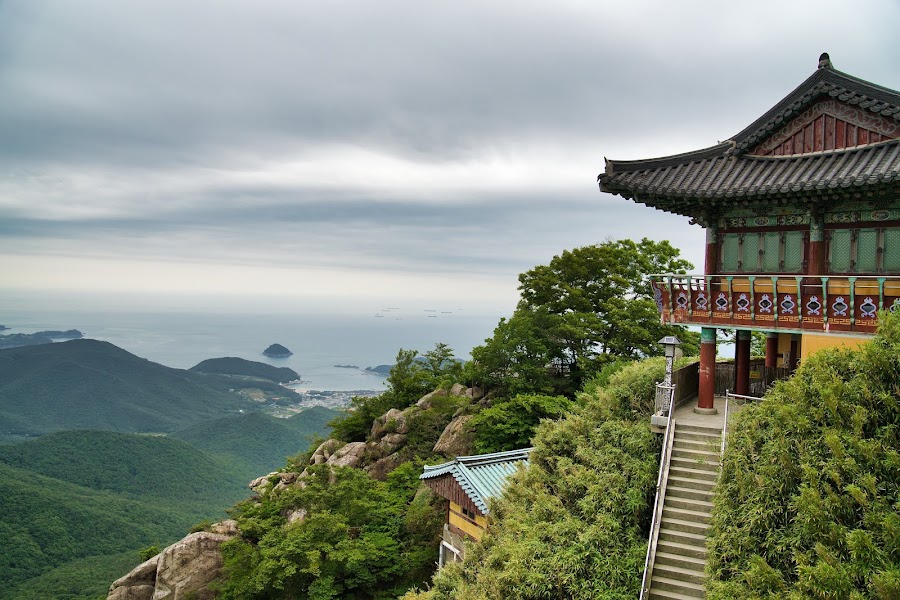
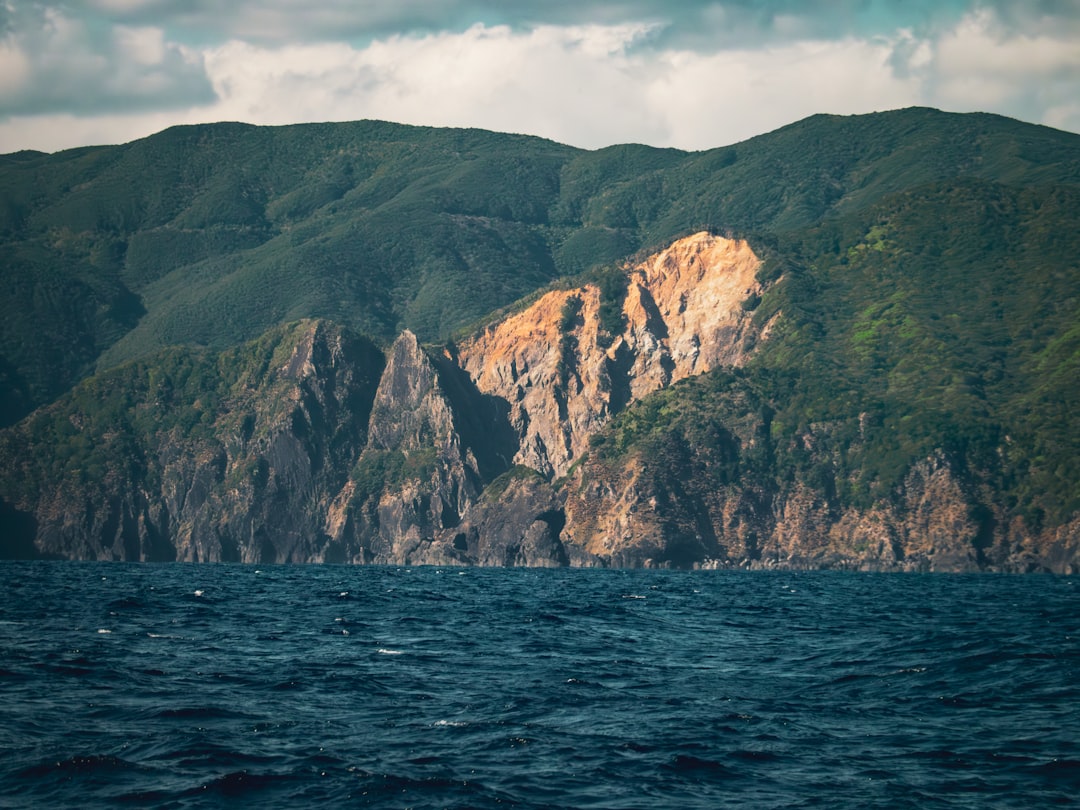
A coherent westbound journey along South Korea's southern shore, linking Busan's temples and beaches with Tongyeong's island views, Namhae's terraced coast, Hadong's tea country, Yeosu's waterfront, and Mokpo's mountain-and-archipelago panorama.
Make this route yours
Set your dates, pace, and taste, and RoadAtlas AI rebuilds this trip day by day with real, verified places.
Included with Traveler and Explorer plans.
Plan this trip
Third-party planning links may be affiliate links. RoadAtlas stays independent, and you should verify details with the provider.
Day-by-day itinerary
Day 1Busan
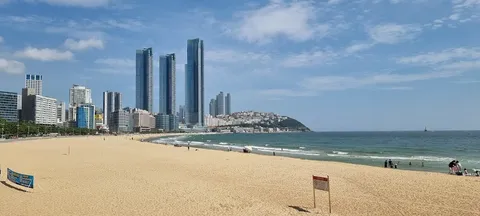
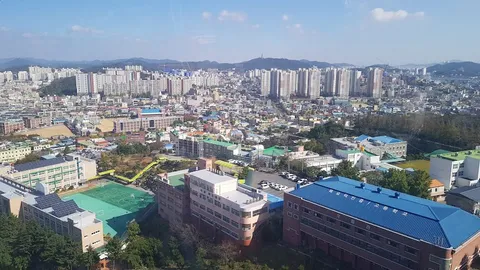
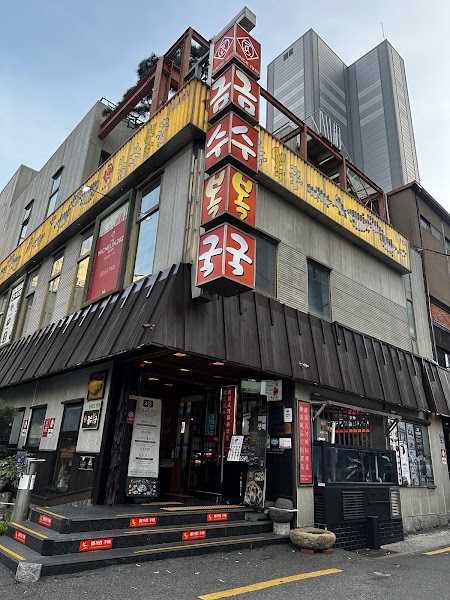
Haedong Yonggungsa Temple and Haeundae · Gamcheon Culture Village · Geumsubokguk Haeundae Main Branch
Day 2Busan to Tongyeong (~90 km)
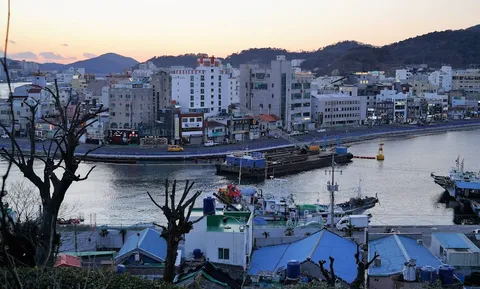
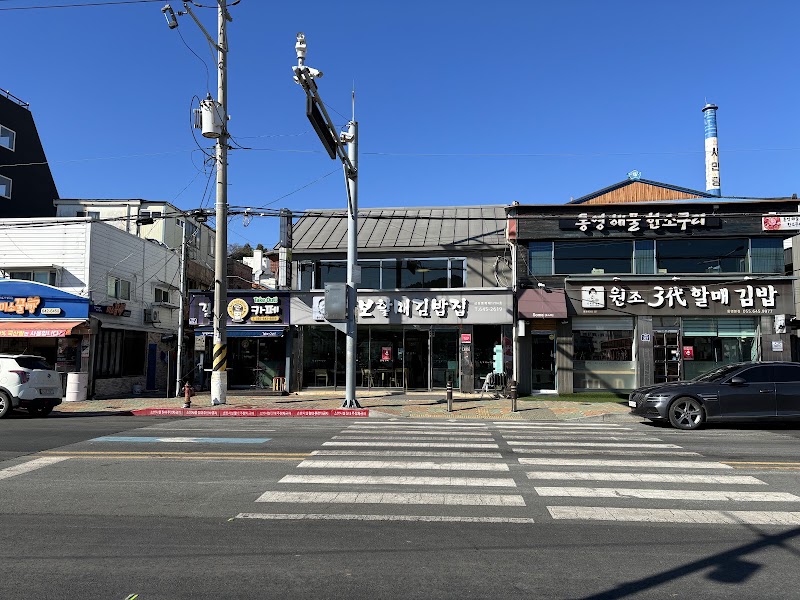
Mireuksan Cable Car · Dongpirang and Tongyeong harbour · Ttungbo Halmae Gimbap
Day 3Tongyeong to Namhae (~100 km plus island detours)
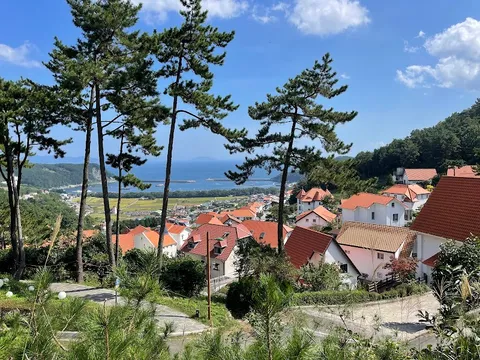
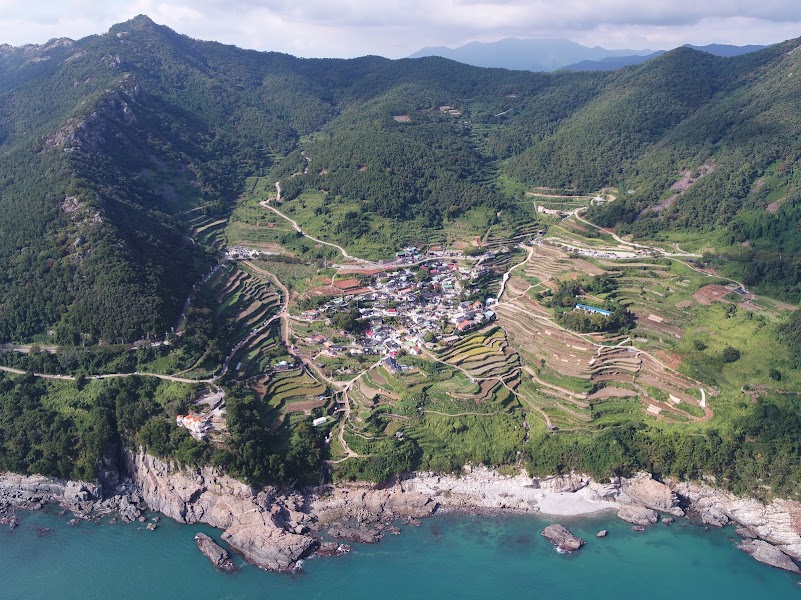
Namhae German Village and Mulgeon coast · Gacheon Daraengi Village · Ohburim
Day 4Namhae to Hadong tea country and Yeosu (~145 km)
Hadong Tea Cultural Center · Odongdo Island · Yeoyeo Sikdang
Day 5Yeosu to Gangjin and Mokpo (~170 km)
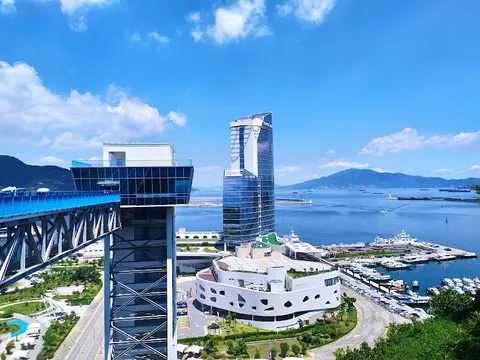
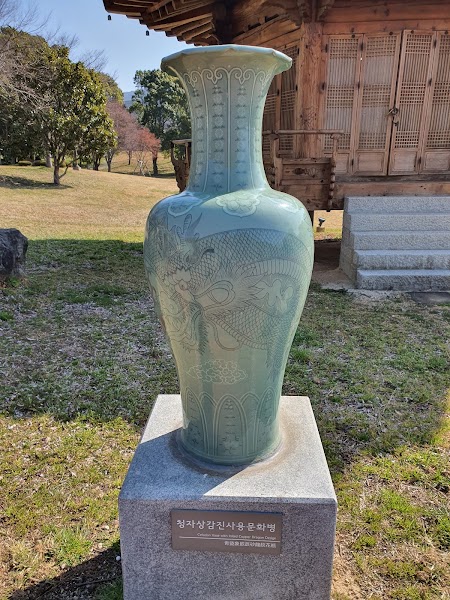
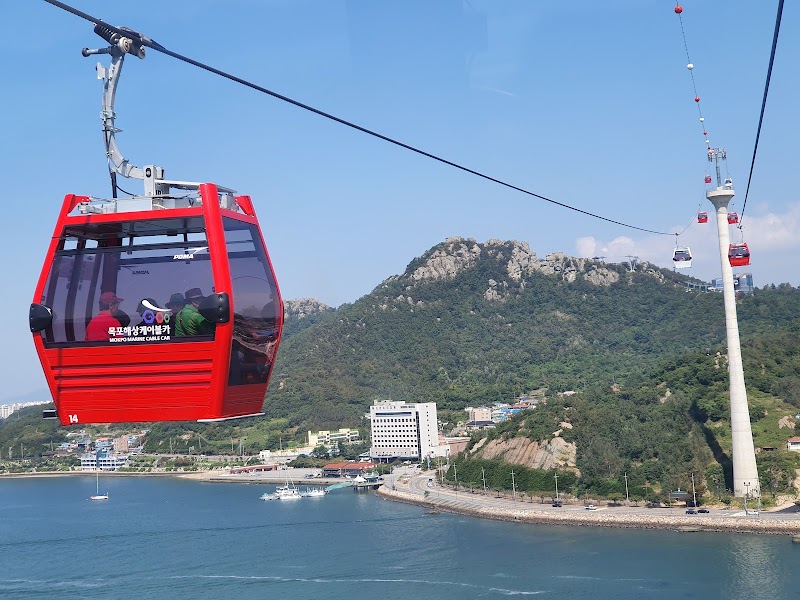
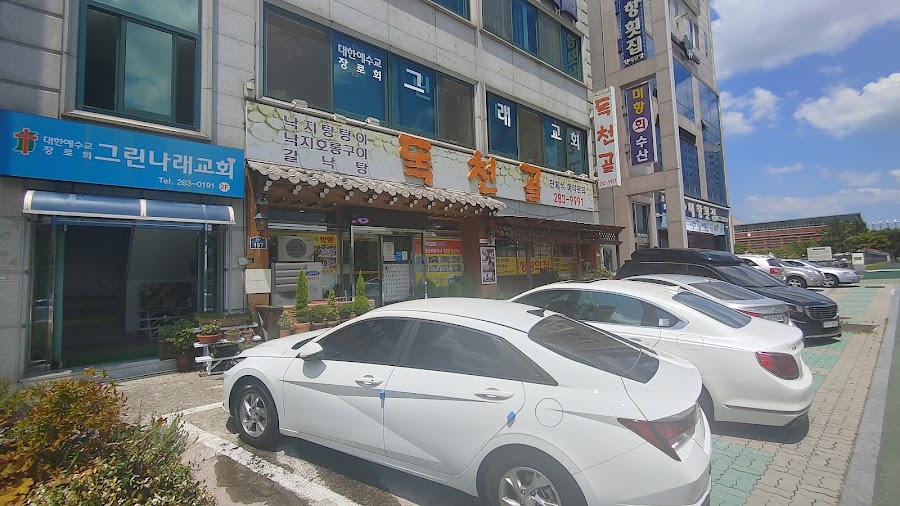
Gangjin Celadon Museum · Yudalsan and Mokpo Marine Cable Car · Dokcheon Sikdang
Stops along the route
Things to Do
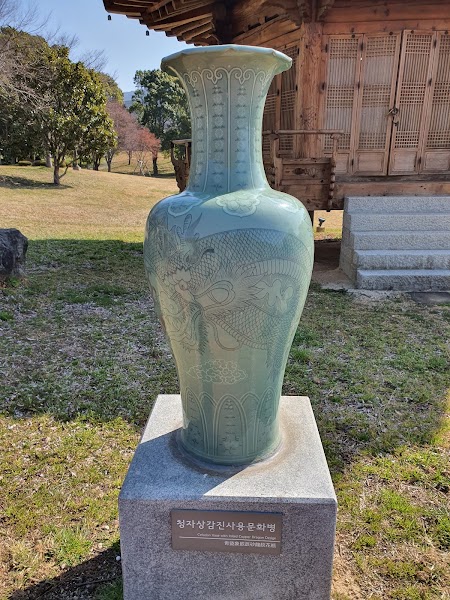
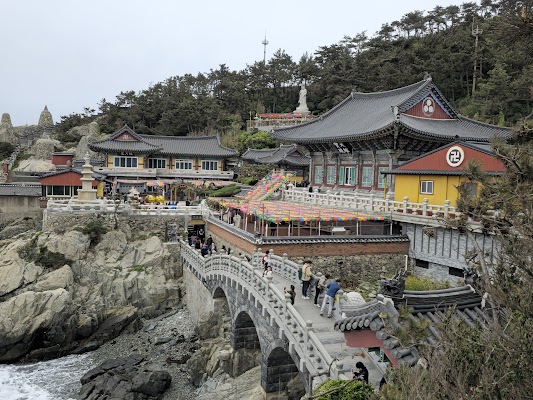
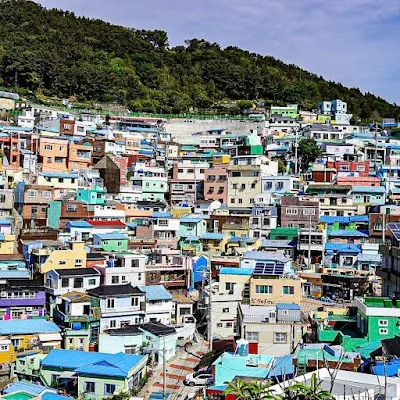
Show 6 more
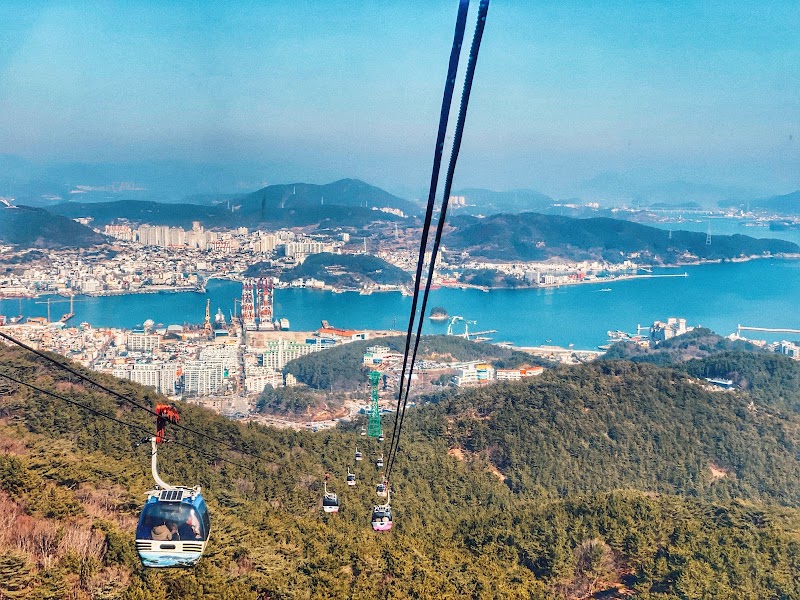
Where to Eat
Nearby and similar drives
Frequently asked questions
How long is the South Korea South Coast: Busan to Mokpo drive?
The South Korea South Coast: Busan to Mokpo covers 470 km from start to finish.
How long does the South Korea South Coast: Busan to Mokpo take to drive?
Most travellers spend 5–6 days on the South Korea South Coast: Busan to Mokpo, depending on stops and pace.
When is the best time to drive the South Korea South Coast: Busan to Mokpo?
The recommended season for the South Korea South Coast: Busan to Mokpo is Apr–Jun / Sep–Oct.
Where does the South Korea South Coast: Busan to Mokpo start and end?
The South Korea South Coast: Busan to Mokpo runs from Busan to Mokpo.
What are the main stops on the South Korea South Coast: Busan to Mokpo?
The South Korea South Coast: Busan to Mokpo passes through Busan, Tongyeong, Namhae German Village.
How difficult is the South Korea South Coast: Busan to Mokpo to drive?
The South Korea South Coast: Busan to Mokpo is rated easy and is best handled with any vehicle.
Can I drive the South Korea South Coast: Busan to Mokpo in a regular car?
Yes — the South Korea South Coast: Busan to Mokpo is paved end-to-end and a regular car is fine in normal conditions.
How many fuel stops are needed on the South Korea South Coast: Busan to Mokpo?
Plan around 0 refuels (or about 1 EV charges) along the South Korea South Coast: Busan to Mokpo, based on its 470 km length.
Is the South Korea South Coast: Busan to Mokpo EV friendly?
Yes — the South Korea South Coast: Busan to Mokpo has charger coverage along the route and works as an EV road trip.
Is the South Korea South Coast: Busan to Mokpo safe to drive?
This point-to-point route uses expressways for the longer links and slower two-lane roads around Namhae, Hadong, and the harbours. Allow extra time for city traffic, tolls, island bridges, and weekend parking; do not treat the mapped distance as uninterrupted coastal cruising. Heavy summer rain and typhoons can disrupt the coast, so check Korea Meteorological Administration warnings and live road conditions before setting out. Foreign drivers should carry the licence and international driving documentation required by their rental company, and reserve a one-way rental only after confirming that the Busan pickup and Mokpo return locations allow it.
What scenic tier is the South Korea South Coast: Busan to Mokpo?
The South Korea South Coast: Busan to Mokpo is a notable drive — Notable scenic drives — strong character routes that locals know well and that reward travellers willing to step beyond the most-photographed roads.