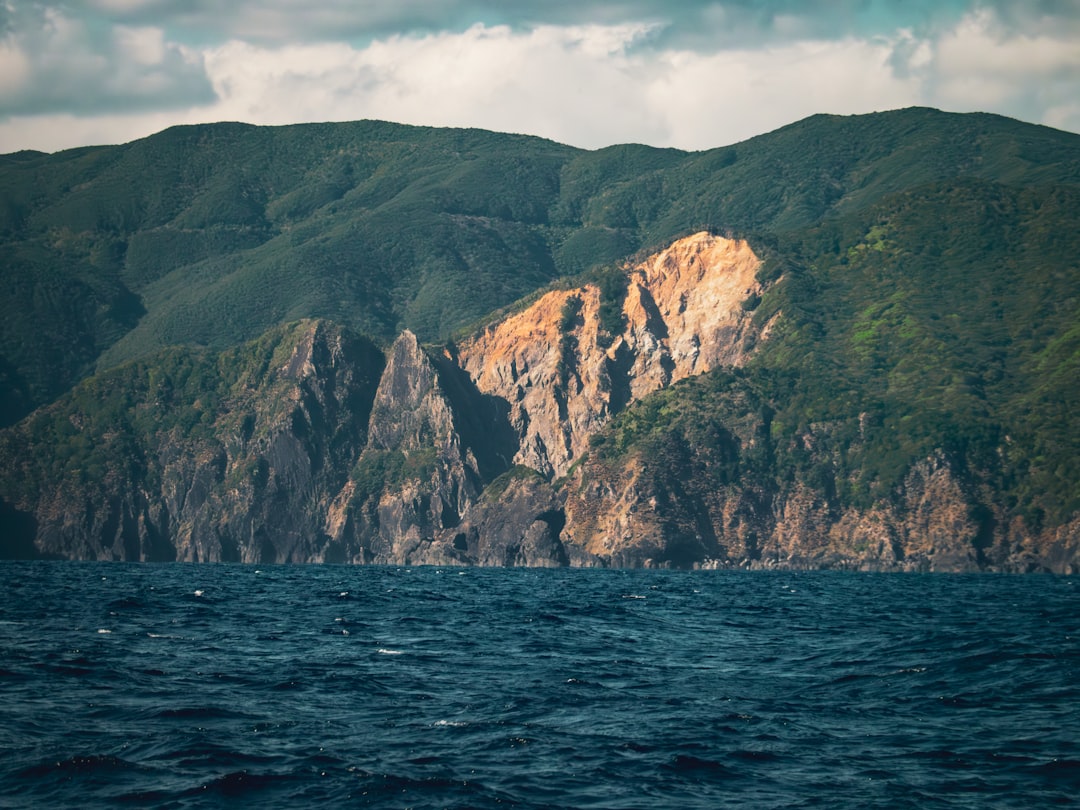
Sanriku Coast: Hachinohe to Hiraizumi
Japan
In short: Sanriku Coast: Hachinohe to Hiraizumi is a 510 km plus coastal detours scenic road trip in Japan, typically driven over 5–6 days, best in May–Oct. Highlights: Hachinohe, Kitayamazaki Cliffs, Jodogahama Beach.
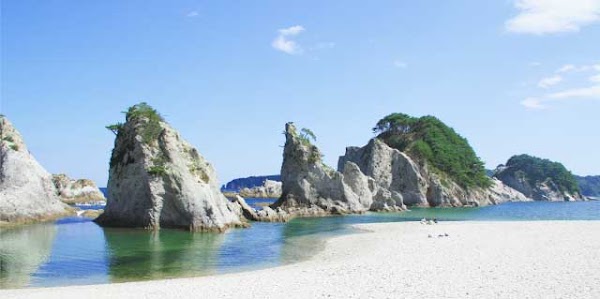
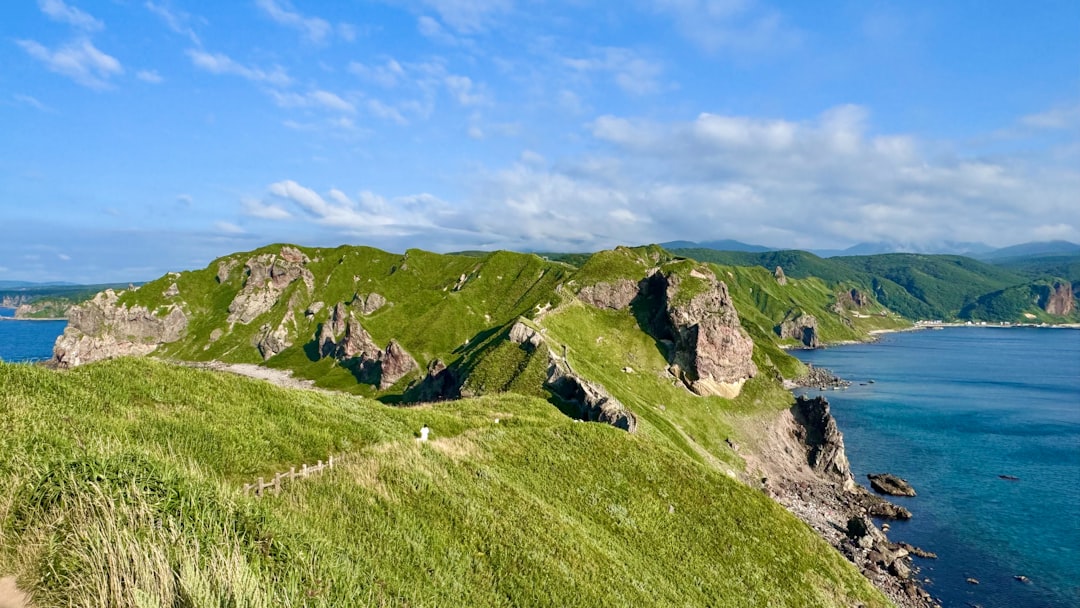
A reverse journey down the official northern Sanriku corridor, from Hachinohe's fishing coast through Kitayamazaki, Jodogahama, Kamaishi, Rikuzentakata, and Kesennuma before finishing at Hiraizumi's World Heritage temples.
Make this route yours
Set your dates, pace, and taste, and RoadAtlas AI rebuilds this trip day by day with real, verified places.
Included with Traveler and Explorer plans.
Plan this trip
Third-party planning links may be affiliate links. RoadAtlas stays independent, and you should verify details with the provider.
Day-by-day itinerary
Day 1Hachinohe
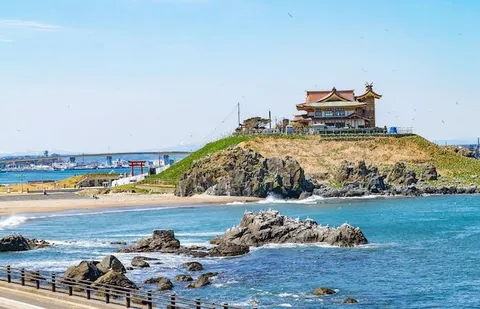
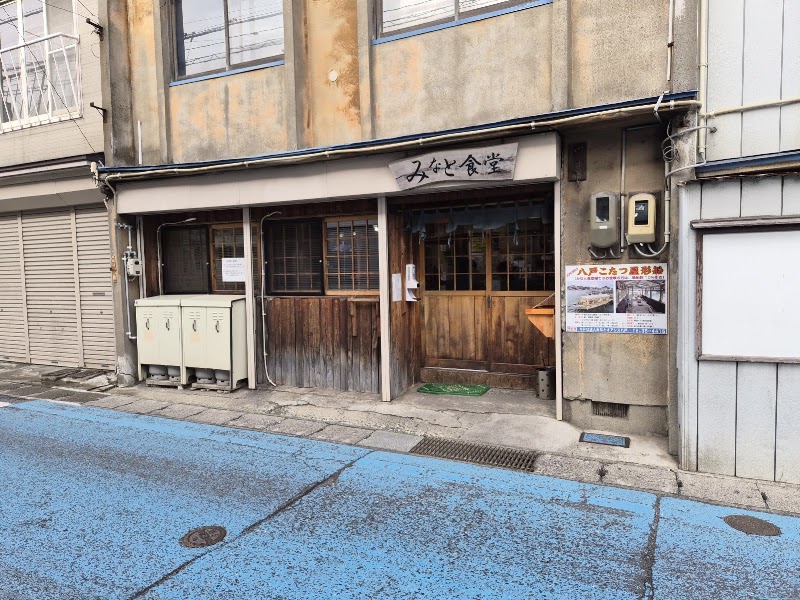
Hachinohe Morning Market · Kabushima Shrine · Minato Shokudo
Day 2Hachinohe to Kitayamazaki and Miyako (~205 km / about 4 hours driving)
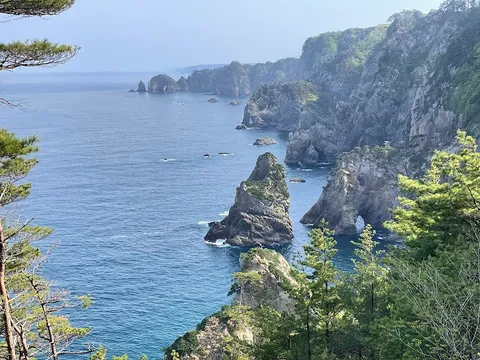
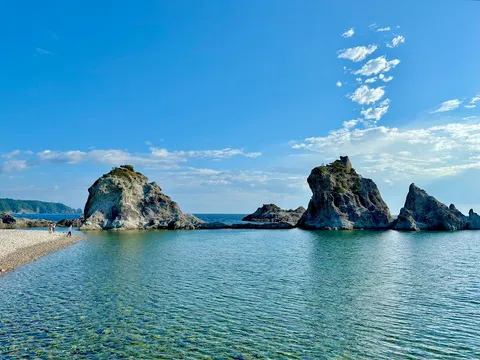
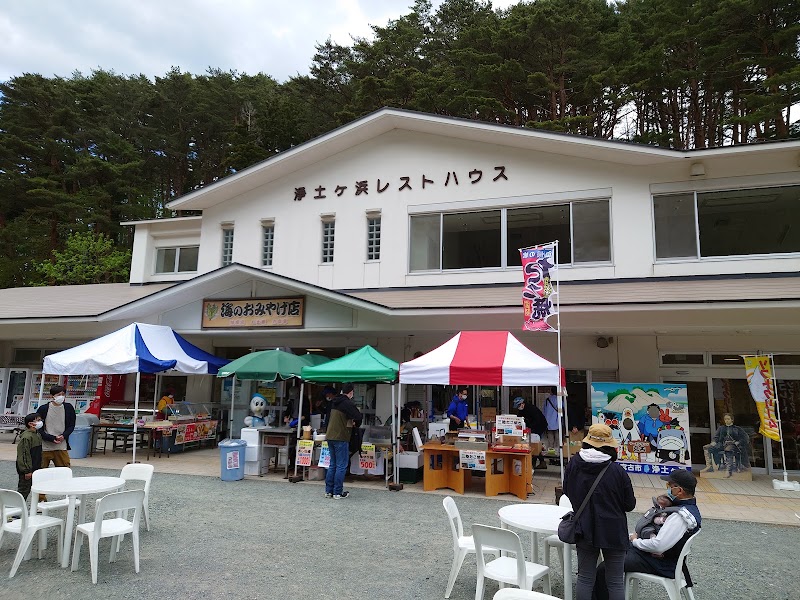
Jodogahama Beach Boat Tour · Kitayamazaki Observatory · Jodogahama Rest House
Day 3Miyako to Kamaishi (~95 km / about 2 hours driving)
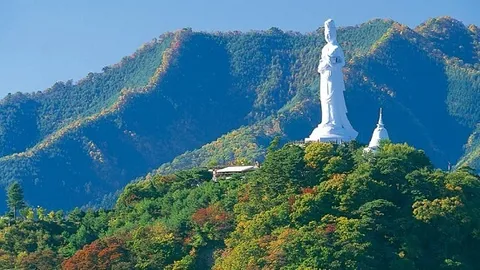
Kamaishi Daikannon Statue · Iron History Museum · Shinkaen Honten
Day 4Kamaishi to Rikuzentakata and Kesennuma (~110 km / about 2 hours driving)
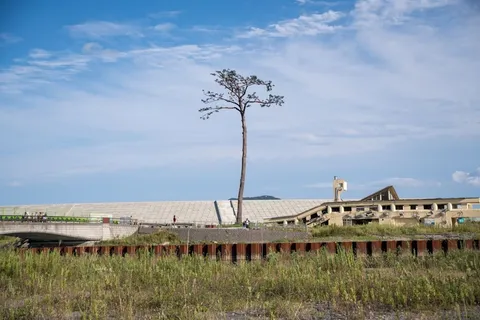
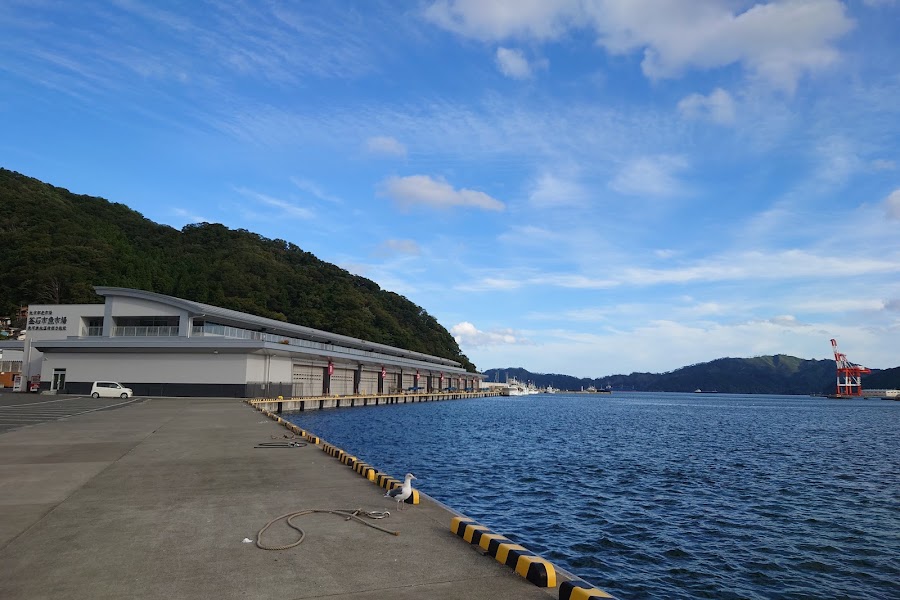
Takata Matsubara Memorial Park · Kesennuma Port Promenade · Ichiba Sushi
Day 5Kesennuma to Hiraizumi (~85 km / about 1 hour 30 minutes driving)
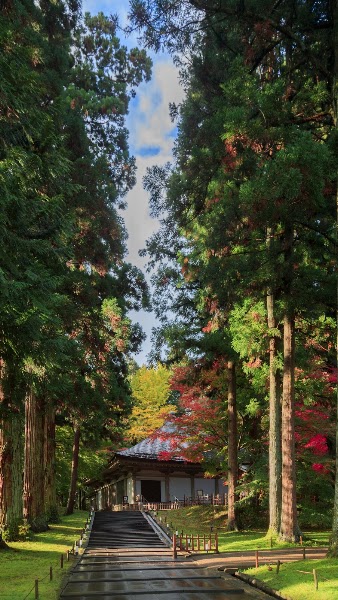
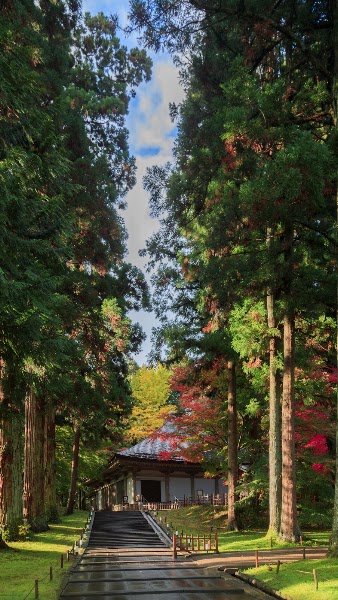
Chuson-ji Temple · Motsu-ji Temple and Pure Land garden · Bashokan
Stops along the route
Things to Do
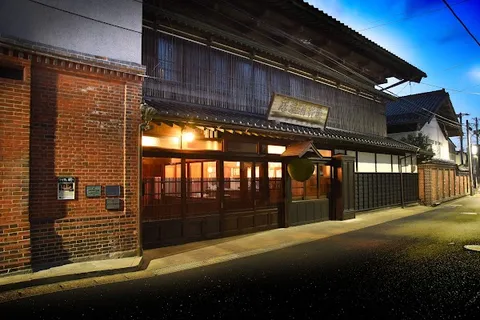
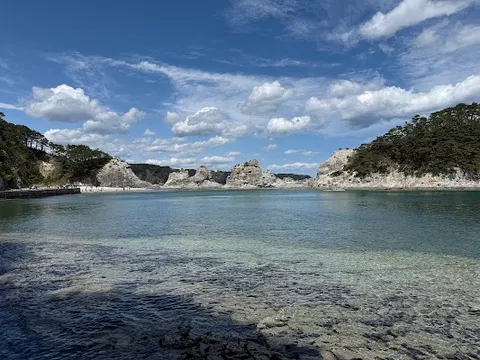
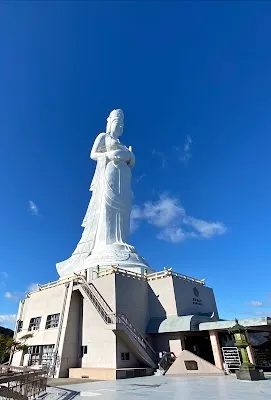
Show 2 more
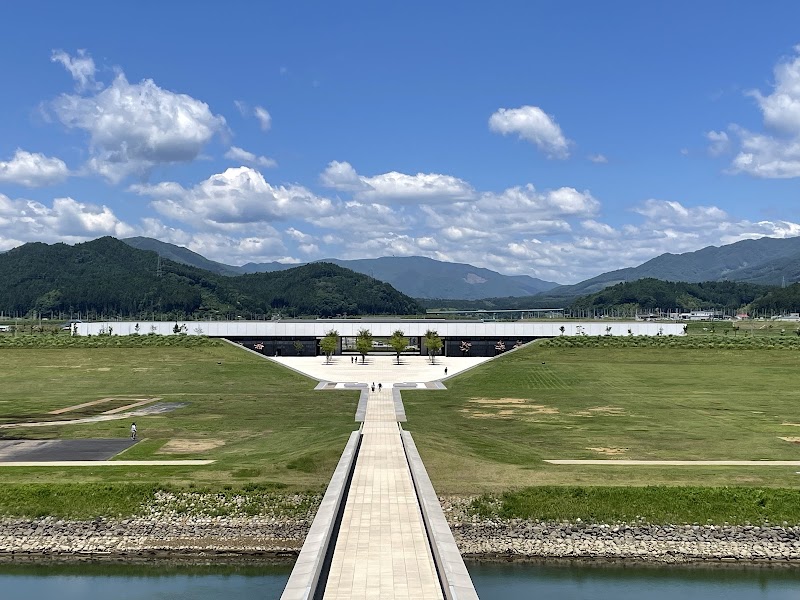
Where to Eat

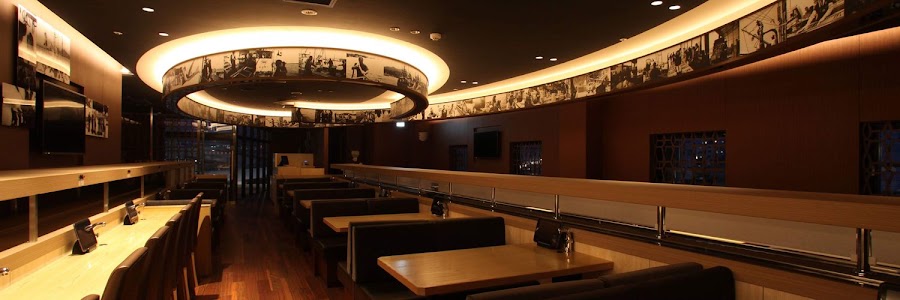
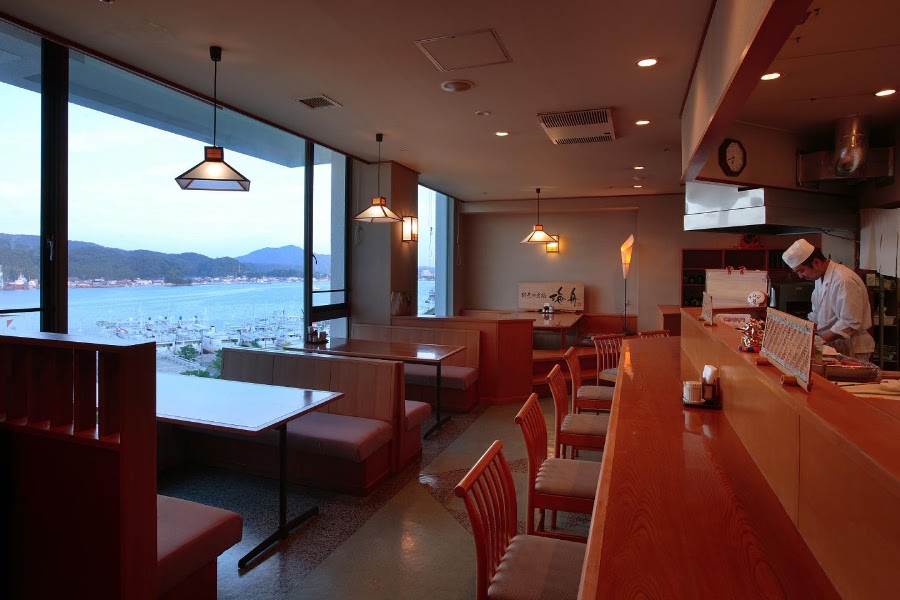
Show 1 more
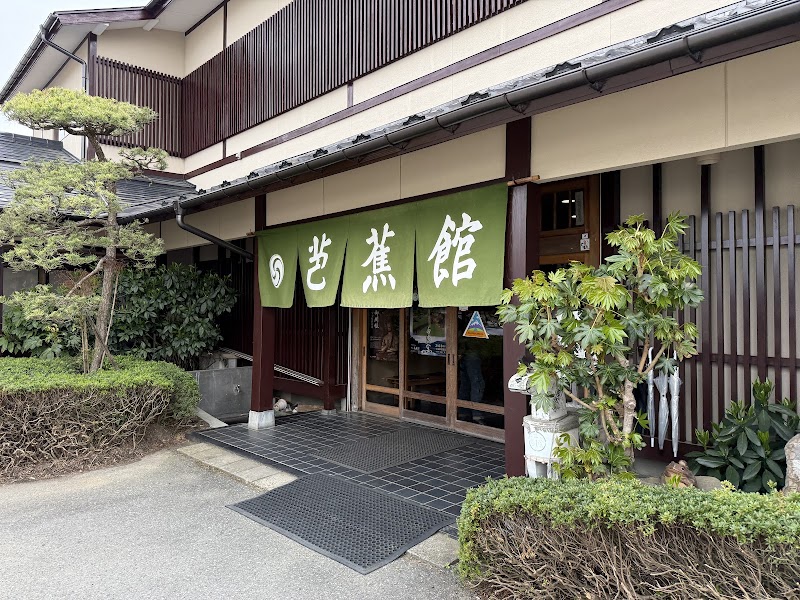
Nearby and similar drives
Frequently asked questions
How long is the Sanriku Coast: Hachinohe to Hiraizumi drive?
The Sanriku Coast: Hachinohe to Hiraizumi covers 510 km plus coastal detours from start to finish.
How long does the Sanriku Coast: Hachinohe to Hiraizumi take to drive?
Most travellers spend 5–6 days on the Sanriku Coast: Hachinohe to Hiraizumi, depending on stops and pace.
When is the best time to drive the Sanriku Coast: Hachinohe to Hiraizumi?
The recommended season for the Sanriku Coast: Hachinohe to Hiraizumi is May–Oct.
Where does the Sanriku Coast: Hachinohe to Hiraizumi start and end?
The Sanriku Coast: Hachinohe to Hiraizumi runs from Hachinohe to Hiraizumi.
What are the main stops on the Sanriku Coast: Hachinohe to Hiraizumi?
The Sanriku Coast: Hachinohe to Hiraizumi passes through Hachinohe, Kitayamazaki Cliffs, Jodogahama Beach.
How difficult is the Sanriku Coast: Hachinohe to Hiraizumi to drive?
The Sanriku Coast: Hachinohe to Hiraizumi is rated easy and is best handled with any vehicle.
Can I drive the Sanriku Coast: Hachinohe to Hiraizumi in a regular car?
Yes — the Sanriku Coast: Hachinohe to Hiraizumi is paved end-to-end and a regular car is fine in normal conditions.
How many fuel stops are needed on the Sanriku Coast: Hachinohe to Hiraizumi?
Plan around 0 refuels (or about 1 EV charges) along the Sanriku Coast: Hachinohe to Hiraizumi, based on its 510 km plus coastal detours length.
Is the Sanriku Coast: Hachinohe to Hiraizumi EV friendly?
Yes — the Sanriku Coast: Hachinohe to Hiraizumi has charger coverage along the route and works as an EV road trip.
Is the Sanriku Coast: Hachinohe to Hiraizumi safe to drive?
This is the official Hiraizumi–Sanriku–Hachinohe corridor travelled in reverse and shortened to end at Hiraizumi; it does not continue south through Minamisanriku and Sendai. Navigation may favour the fast Sanriku Expressway, but the listed headlands require deliberate local-road exits. Long tunnels, coastal embankments, and mountain links can slow or close after heavy rain, snow, or typhoons, while sightseeing boats depend on sea conditions. Refuel in Hachinohe, Miyako, Kamaishi, or Kesennuma, complete local coastal sections before dark, and treat memorial landscapes as places of learning rather than entertainment.
What scenic tier is the Sanriku Coast: Hachinohe to Hiraizumi?
The Sanriku Coast: Hachinohe to Hiraizumi is a notable drive — Notable scenic drives — strong character routes that locals know well and that reward travellers willing to step beyond the most-photographed roads.