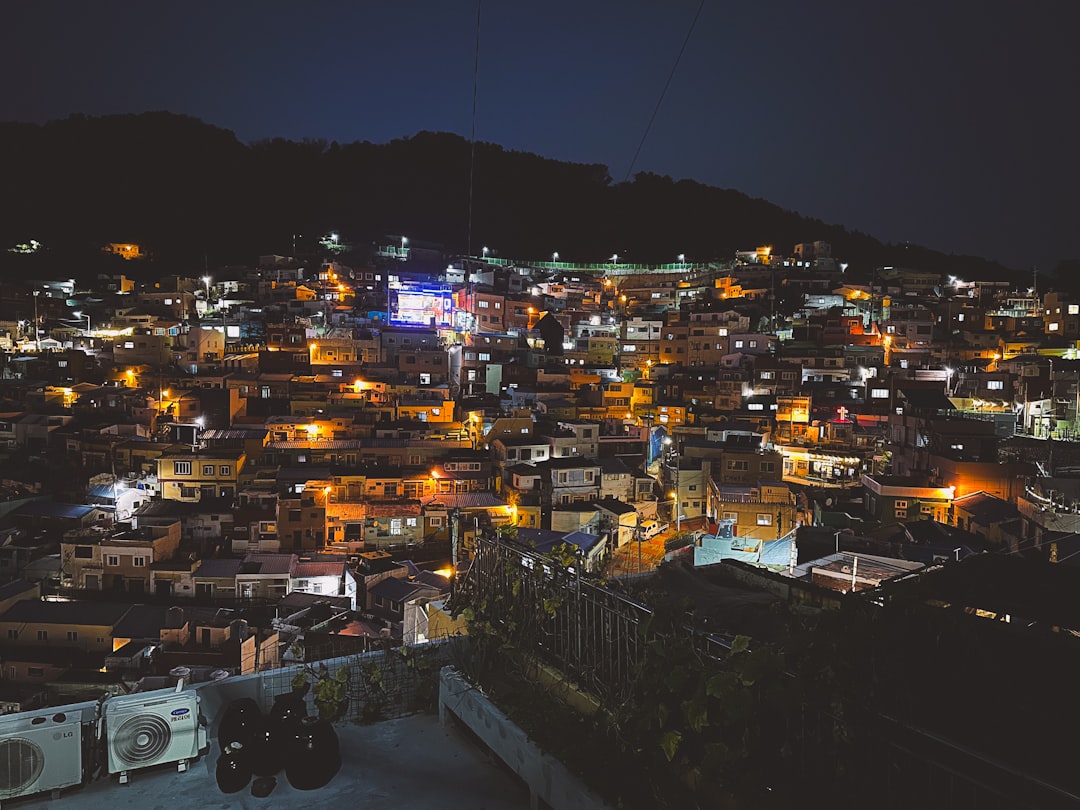
Busan–Jinju–Suncheon–Gwangju Cultural Route
South Korea
In short: Busan–Jinju–Suncheon–Gwangju Cultural Route is a About 310 km cultural road trip in South Korea, typically driven over 3 days, best in Apr–Nov. Highlights: Busan departure, Jinju, Hadong Tea Cultural Center.
A three-day westbound cultural route from Busan to Gwangju via Jinju's Nam River fortress, Hadong's historic tea landscape, and both halves of Suncheon's garden-and-wetland experience, using a realistic sequence and the full routed distance.
Make this route yours
Set your dates, pace, and taste, and RoadAtlas AI rebuilds this trip day by day with real, verified places.
Included with Traveler and Explorer plans.
Plan this trip
Third-party planning links may be affiliate links. RoadAtlas stays independent, and you should verify details with the provider.
Day-by-day itinerary
Day 1Busan to Jinju
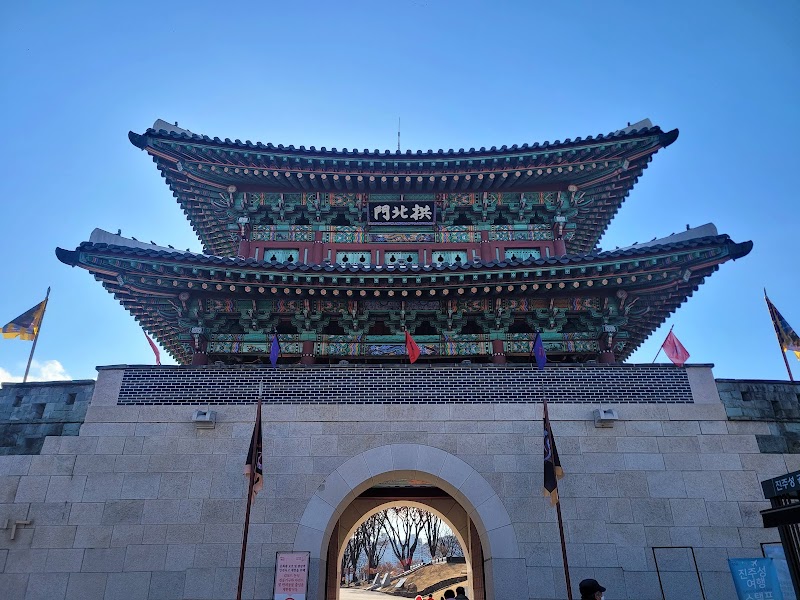
Busan to Jinju transfer · Jinjuseong and National Jinju Museum · Songjeong Samdae Gukbap
Day 2Jinju to Suncheon via Hadong
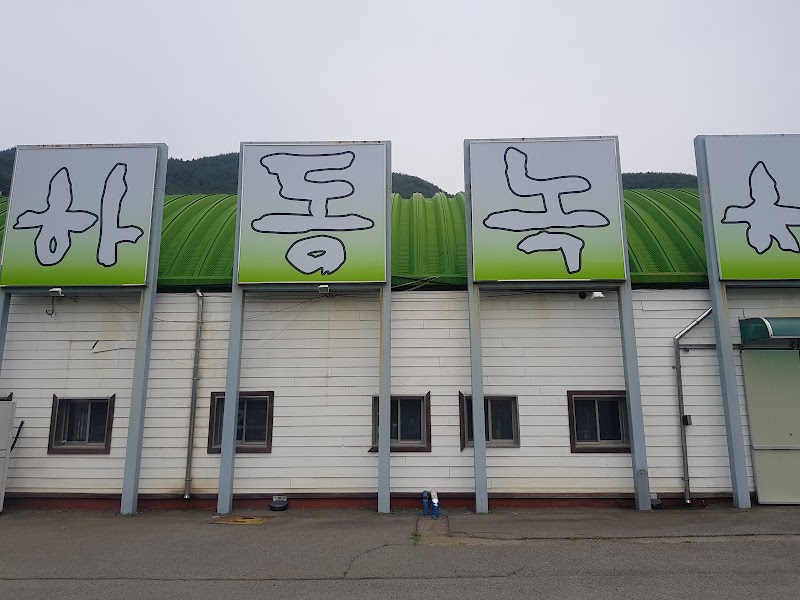
Jinju to Hadong morning transfer · Hadong Tea Cultural Center · Jinju hotel breakfast and road snack
Day 3Suncheon to Gwangju
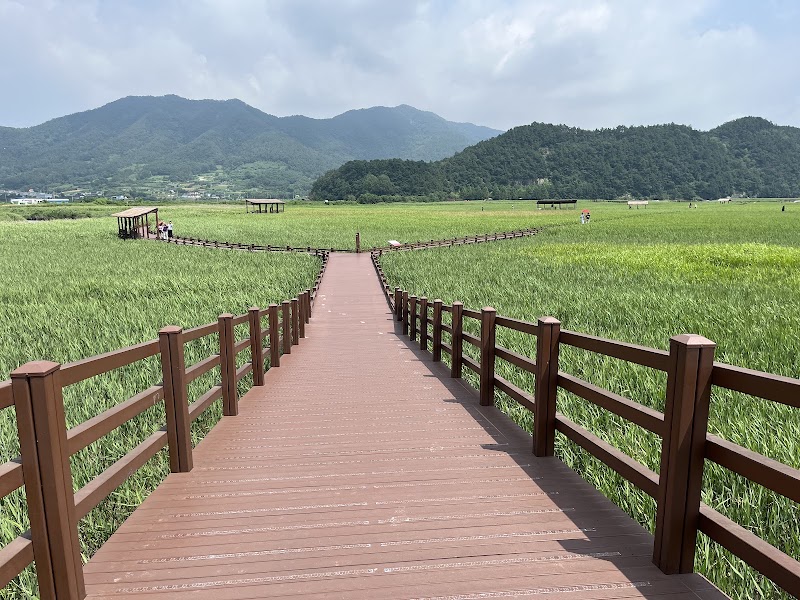
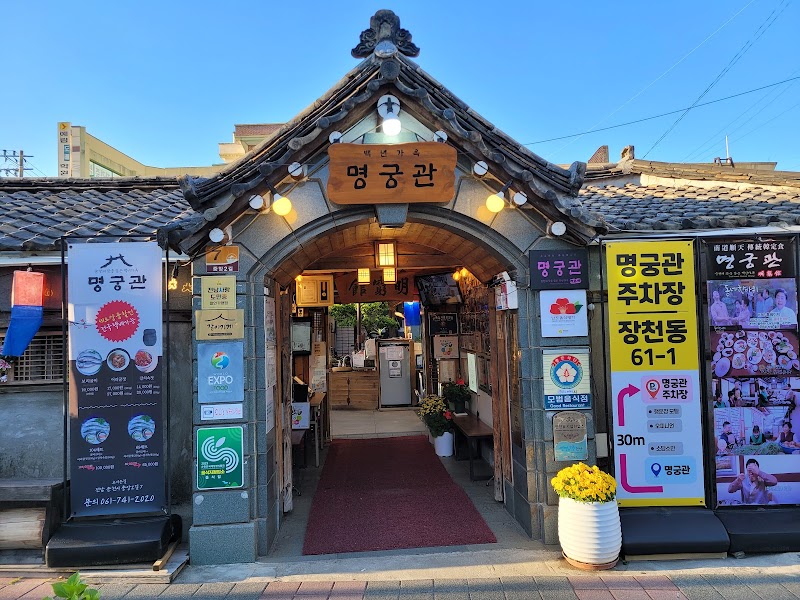
Suncheon Bay National Garden · Suncheon to Gwangju transfer · Myeonggunggwan
Stops along the route
Things to Do
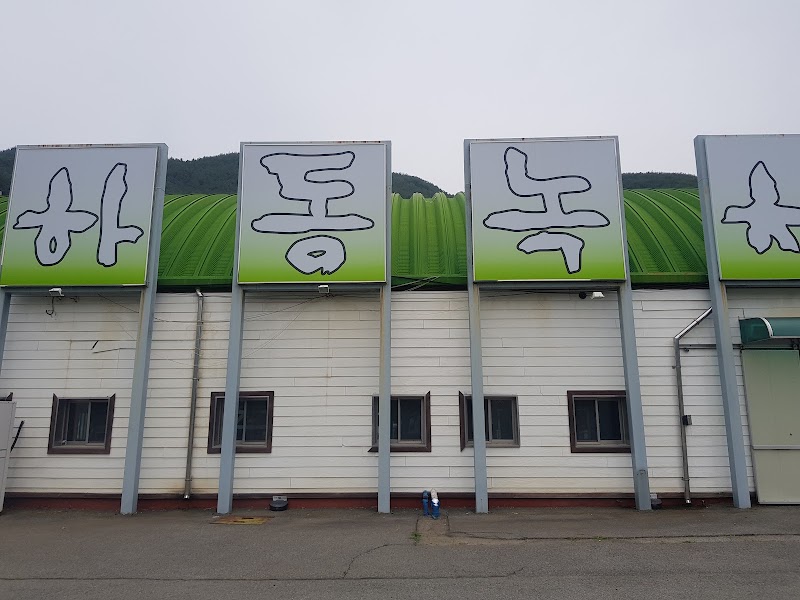
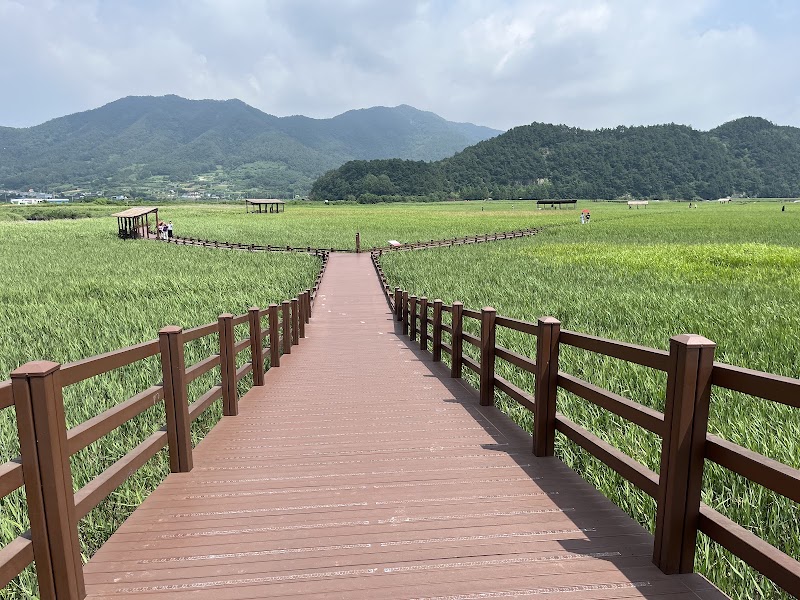
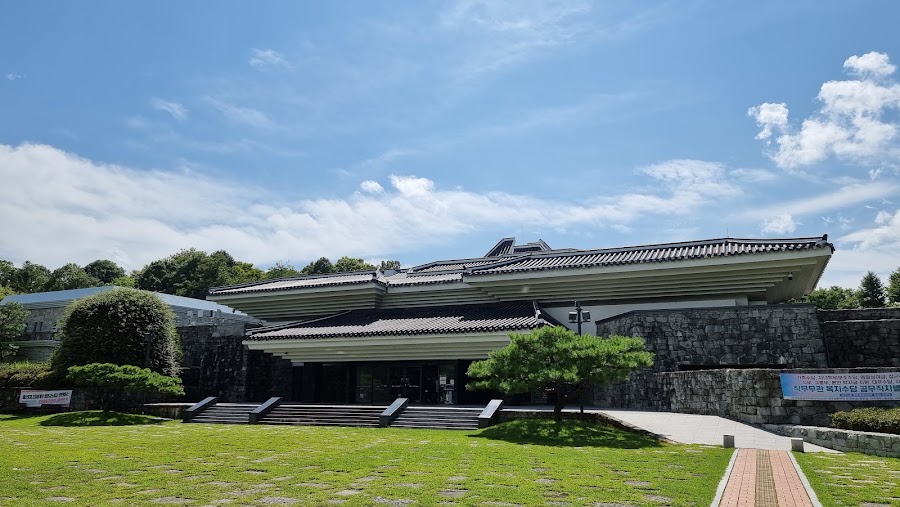
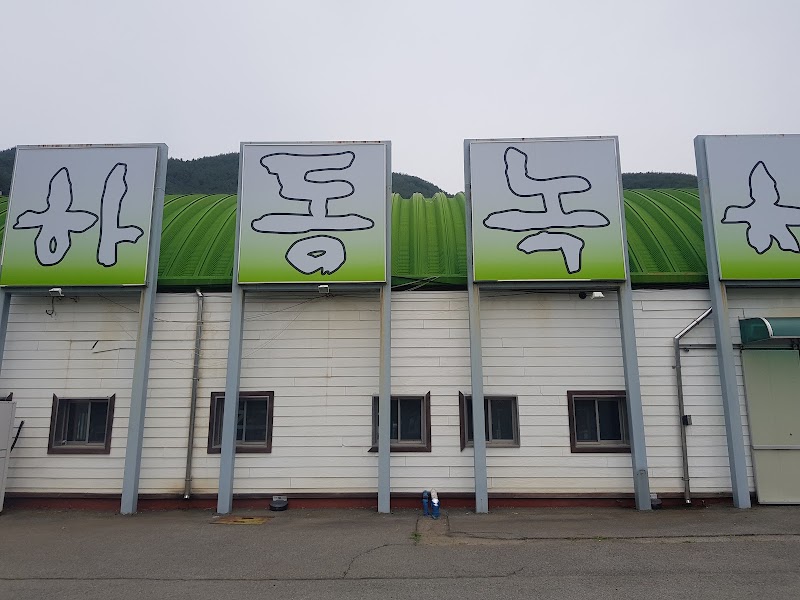
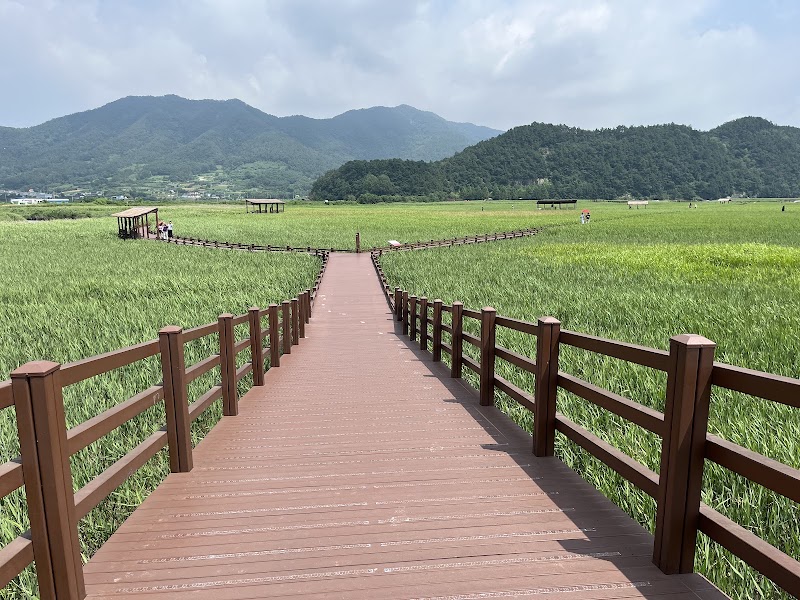
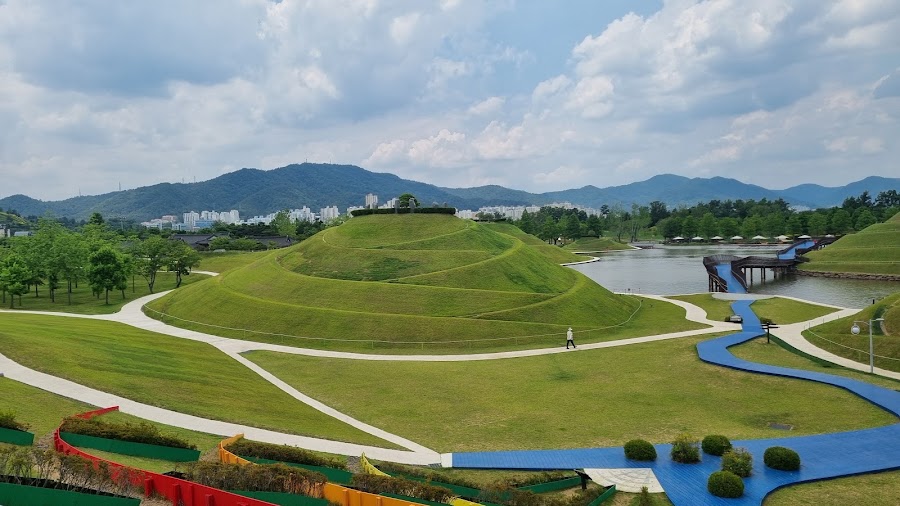
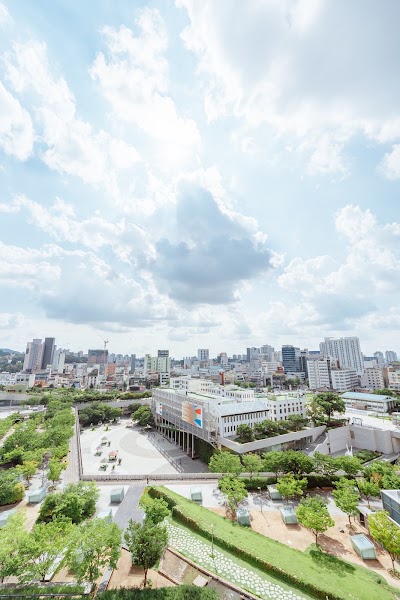
Show 1 more
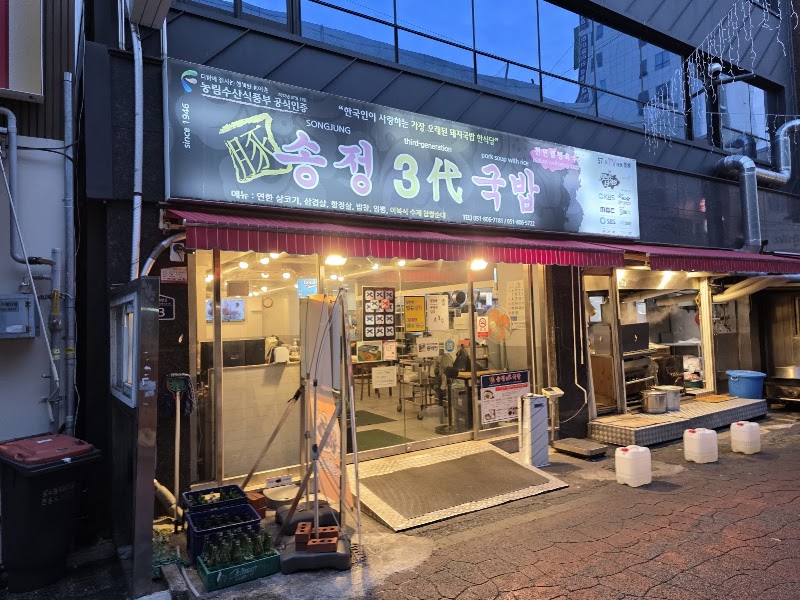
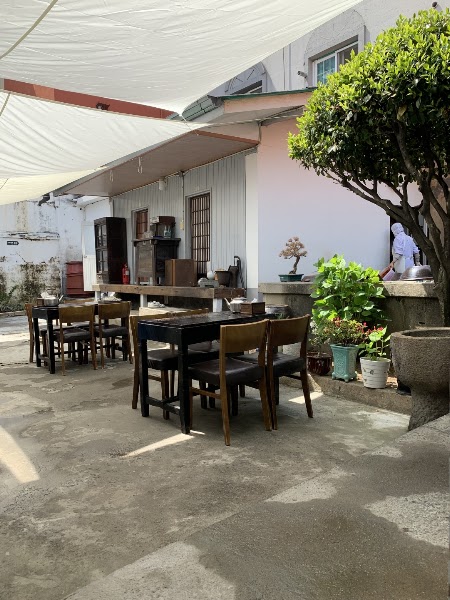
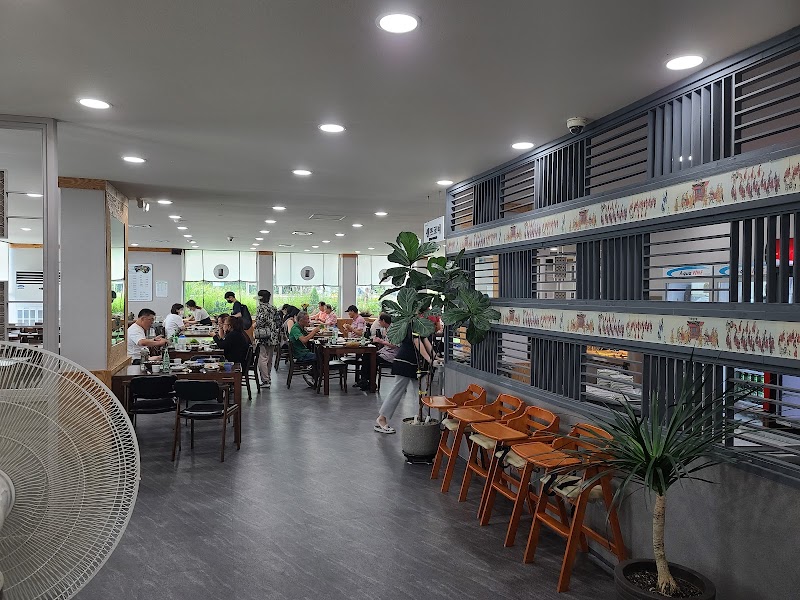
Where to Eat
Nearby and similar drives
Frequently asked questions
How long is the Busan–Jinju–Suncheon–Gwangju Cultural Route drive?
The Busan–Jinju–Suncheon–Gwangju Cultural Route covers About 310 km from start to finish.
How long does the Busan–Jinju–Suncheon–Gwangju Cultural Route take to drive?
Most travellers spend 3 days on the Busan–Jinju–Suncheon–Gwangju Cultural Route, depending on stops and pace.
When is the best time to drive the Busan–Jinju–Suncheon–Gwangju Cultural Route?
The recommended season for the Busan–Jinju–Suncheon–Gwangju Cultural Route is Apr–Nov.
Where does the Busan–Jinju–Suncheon–Gwangju Cultural Route start and end?
The Busan–Jinju–Suncheon–Gwangju Cultural Route runs from Busan departure to Gwangju.
What are the main stops on the Busan–Jinju–Suncheon–Gwangju Cultural Route?
The Busan–Jinju–Suncheon–Gwangju Cultural Route passes through Busan departure, Jinju, Hadong Tea Cultural Center.
How difficult is the Busan–Jinju–Suncheon–Gwangju Cultural Route to drive?
The Busan–Jinju–Suncheon–Gwangju Cultural Route is rated easy and is best handled with any vehicle.
Can I drive the Busan–Jinju–Suncheon–Gwangju Cultural Route in a regular car?
Yes — the Busan–Jinju–Suncheon–Gwangju Cultural Route is paved end-to-end and a regular car is fine in normal conditions.
How many fuel stops are needed on the Busan–Jinju–Suncheon–Gwangju Cultural Route?
Plan around 0 refuels (or about 1 EV charges) along the Busan–Jinju–Suncheon–Gwangju Cultural Route, based on its About 310 km length.
Is the Busan–Jinju–Suncheon–Gwangju Cultural Route EV friendly?
Yes — the Busan–Jinju–Suncheon–Gwangju Cultural Route has charger coverage along the route and works as an EV road trip.
Is the Busan–Jinju–Suncheon–Gwangju Cultural Route safe to drive?
This is a paved point-to-point route, but the roughly 310 km total includes meaningful detours to Hadong tea country and Suncheon Bay rather than a direct 203 km dash. Foreign renters should carry the passport, home licence, and valid International Driving Permit accepted by the rental company, confirm the Busan pickup and Gwangju one-way return, and expect tolls, speed cameras, city congestion, and limited parking at historic sites. Check live roads and Korea Meteorological Administration warnings daily; heavy rain, typhoons, sea fog, festival traffic, and wetland flooding can alter the plan. Verify the Hadong Tea Cultural Center and both Suncheon attractions against their current closed days, ticketing, last entry, wetland trail conditions, and shuttle arrangements before departure.
What scenic tier is the Busan–Jinju–Suncheon–Gwangju Cultural Route?
The Busan–Jinju–Suncheon–Gwangju Cultural Route is a hidden gem drive — Hidden gem road trips — quieter routes off the main travel circuit, often with the same scenery you came to see but without the crowds.