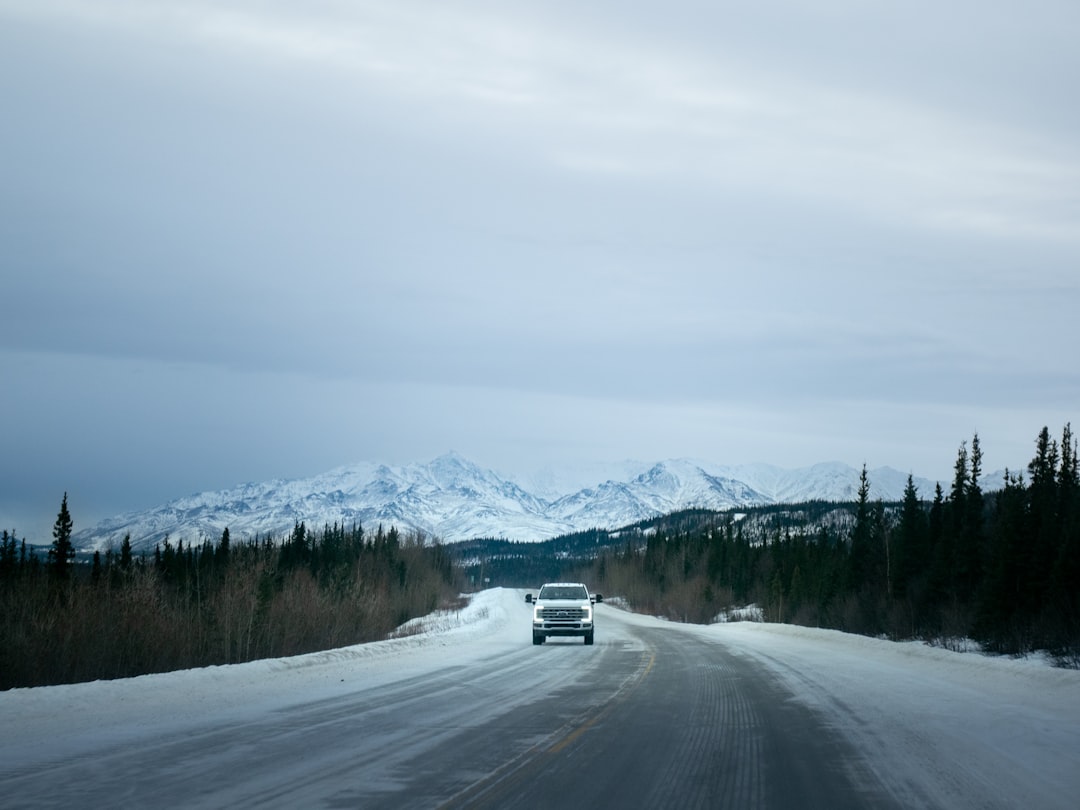
The essential road trip packing list is shorter than most people expect: your license and travel documents, a working spare with the tools to fit it, more water and food than the drive should need, layers for a 20-degree swing, offline maps, and a way to keep your phone charged. Get that baseline right and everything else is just terrain.
The mistake is packing for the trip you imagine instead of the road you will actually drive. A paved classic like Route 66 asks for little beyond the basics, while a desert crossing or a remote northern highway turns the same short list into a safety kit. This guide gives you the universal checklist first, then what to add for heat, cold, altitude, and long service gaps, grounded in the real conditions of routes in our catalog.
The universal road trip packing list
Every road trip, on every continent, needs the same core. Pack this first, then adjust for terrain.
Documents, money, and access
- Driving license (and an International Driving Permit if you are renting abroad), passport, and the rental agreement.
- Two payment methods kept in different places, plus a small amount of local cash for tolls, ferries, and fuel stations that do not take cards.
- Digital and paper backups of your bookings, insurance, and emergency contacts.
The car kit
- A full-size spare where the route allows it, a jack, a wheel wrench, and a tire pressure gauge.
- Jumper cables or a jump pack, a tow strap, a first-aid kit, and a warning triangle or reflective vest where the law requires one.
- A torch, basic tools, duct tape, and a microfiber cloth for the inside of a fogged windscreen.
Navigation and power
- Offline maps downloaded before you lose signal, plus a phone mount so you are not holding the screen.
- A car charger and a power bank, because a dead phone is a dead map, camera, and lifeline all at once.
- A paper map or written directions for the stretches where no network reaches.
Comfort, food, and water
- Water for everyone, always, topped up at every reliable stop rather than run down to empty.
- Snacks and a meal buffer for the day the planned town is closed or further than it looked.
- Layers, sunglasses, sunscreen, reusable bottles, and a small bag of chargers, cables, and adapters.
Pack for your terrain, not just your trip
The baseline above covers an easy drive. The moment your route climbs, heats up, or empties out, you add to it. This table maps the common terrain types to real catalog routes and the extras each one demands.
| Terrain | Example route | Conditions | Add to the basics |
|---|---|---|---|
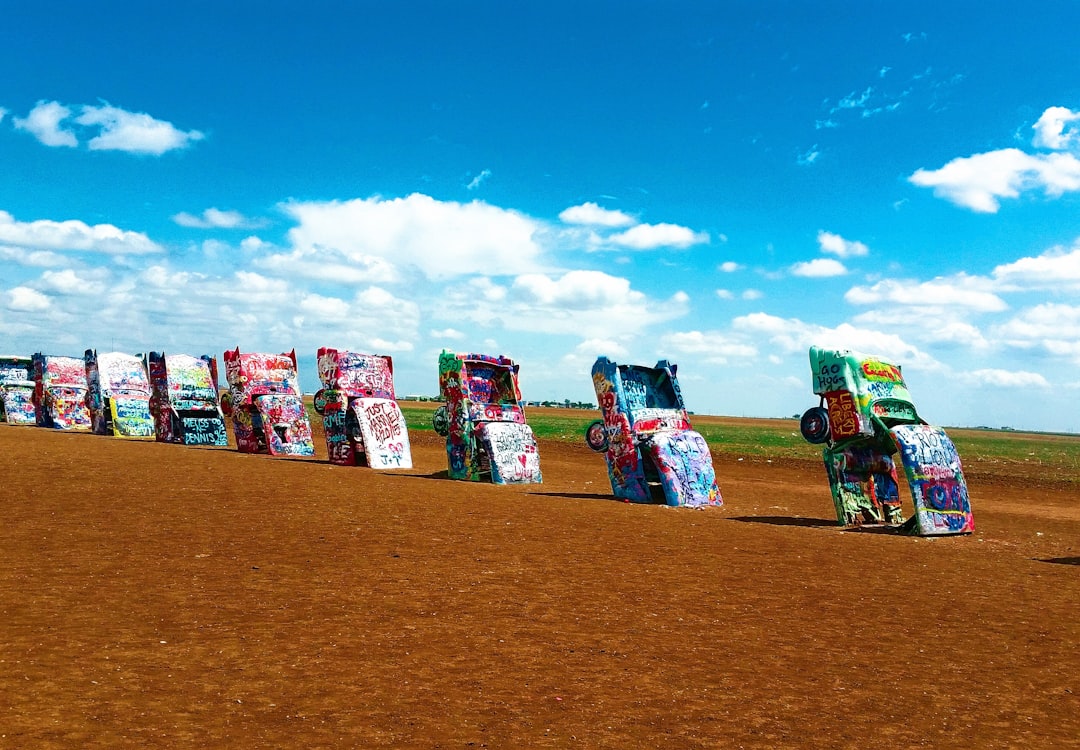
| Paved classic | Route 66, USA, 3,940 km | Long desert gaps, easy driving | Sun protection, extra water for Southwest legs |
| Coastal | Pacific Coast Hwy, USA, 1,055 km | Fog, wind, slow two-lane | Windproof layer, motion-sickness plan, fuel buffer |
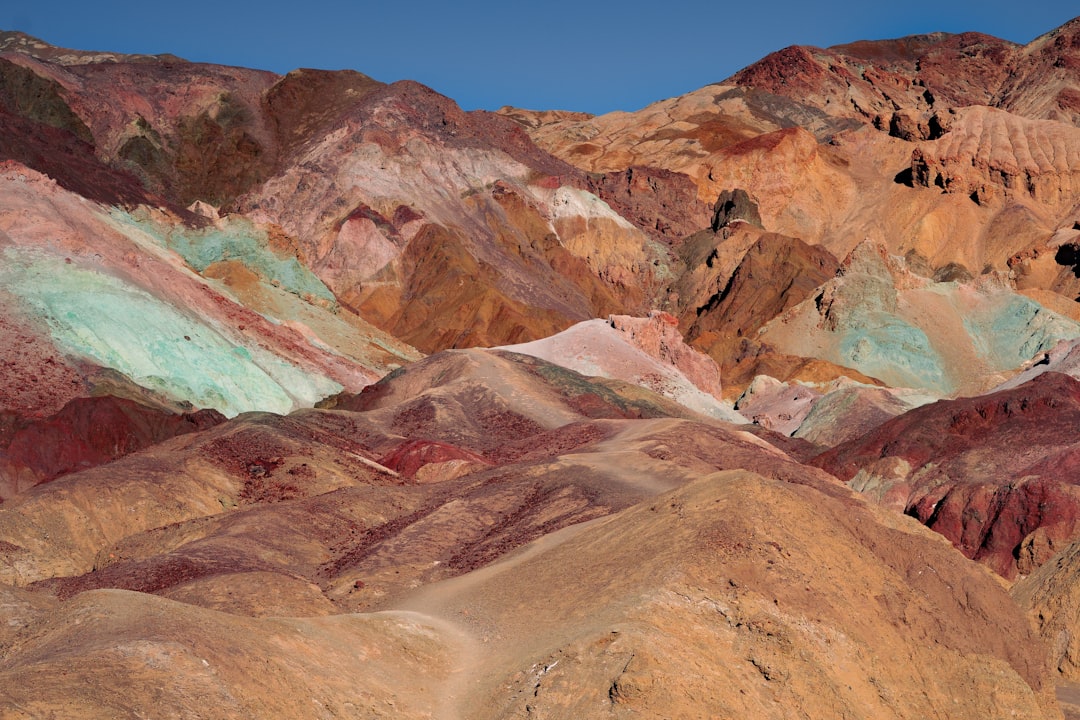
| Hot desert | Death Valley, USA, 480 km | Over 48°C in summer, remote | 4 or more litres of water per person per day, electrolytes |
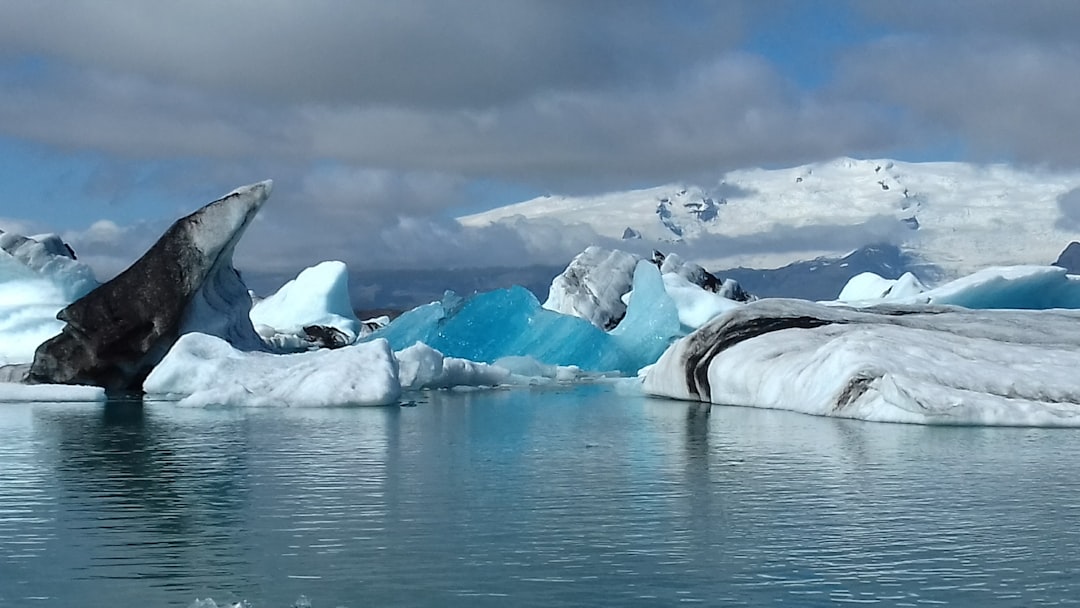
| Cold and volcanic | Ring Road, Iceland, 1,332 km | Wind, rain, sudden weather | Waterproof shell, warm layers, eye mask for bright nights |
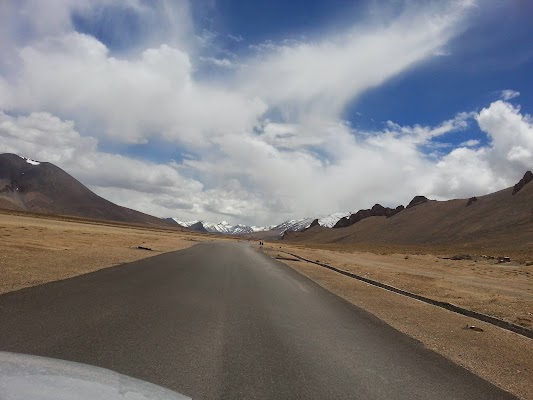
| High altitude | Leh-Manali Highway, India, 475 km | Passes above 5,000 m | Acclimatization days, altitude medication, warm gear |
| Remote overland | Alaska Highway, Canada, 2,400 km | Frost heaves, long service gaps | Full-size spare, contingency food, extra fuel |
Hot and desert routes: water, heat, and distance
Desert driving is a water and distance problem before it is anything else. The Las Vegas to Stovepipe Wells run through Death Valley is only 480 km, but summer temperatures routinely pass 48°C and can disable a vehicle, so the catalog advisory is blunt: carry extra water and food and check conditions immediately before you leave.
Pack at least four litres of water per person per day, plus a reserve in the boot for the car and for delays. Add electrolytes, high-SPF sunscreen, a wide-brim hat, and light long sleeves that block sun better than bare skin. Keep the fuel tank above half through the long gaps, carry a tire pressure gauge because heat changes pressure, and never rely on a single stop being open.
Cold, wet, and high-altitude routes: layers and altitude
Cold routes punish the underpacked. Iceland's Ring Road is 1,332 km and rated a moderate, SUV-friendly drive, with weather that can turn in an hour even in the June to September window. The fix is layering: a warm base, an insulating mid, and a genuinely waterproof and windproof shell, plus gloves and a hat that live in the car rather than the suitcase. In the long northern daylight, an eye mask helps you sleep.
Altitude adds a second problem that no jacket solves. The Leh-Manali Highway in India crosses passes above 5,000 metres, and the district administration advises spending at least 48 hours acclimatizing in Leh before you set off. Pack any prescribed altitude medication, plan slow ascents, and carry warm gear even in summer, because high passes are cold whatever the calendar says.
Remote and overland routes: pack to be self-reliant
On remote drives, packing is about the help that will not come. The Alaska Highway is 2,400 km of frost heaves, roadworks, and long service gaps where the catalog advisory tells you to carry a full-size spare and contingency food and to reserve meals and beds ahead. The harder overland routes, from the Gibb River Road in Australia to the Pamir Highway in Tajikistan, demand a properly equipped high-clearance 4WD, recovery gear, extra fuel and water, and communication that works without a phone signal.
For any drive that leaves the paved and populated world, add spare parts and the knowledge to use them, a satellite messenger or radio, extra days of food, and a written plan someone at home holds. Read each route's advisory in full before you pack.
What to leave at home
More gear is not safer gear if it buries the essentials. Skip the third pair of shoes, the bulky hard-shell suitcase that does not fit a boot full of kit, duplicate gadgets, and anything you are packing out of anxiety rather than need. A soft bag packs around a spare tire and coolbox far better than a rigid case. Keep the water, the first-aid kit, and the spare reachable, not buried under things you brought just in case.
Frequently asked questions
What should I always pack for a road trip?
Documents and payment, a full-size spare with the tools to fit it, a first-aid kit, offline maps, a phone charger and power bank, and more water and food than the drive should need. That baseline works on every route before you add terrain-specific gear.
How much water should I bring on a desert road trip?
Plan for at least four litres of water per person per day on hot desert routes, plus a reserve for the car and for delays. On a drive like Death Valley, where summer heat passes 48°C, the catalog advisory specifically tells you to carry extra water and food and to check conditions before departure.
Do I need a 4WD and recovery gear for a road trip?
Only for the routes that call for it. Most iconic drives, including Route 66 and the Pacific Coast Highway, are paved and fine in any car. Remote overland routes such as the Gibb River Road or the Pamir Highway genuinely require a high-clearance 4WD, recovery gear, and self-reliant supplies, so always read the route advisory first.
What is the one thing most road trippers forget?
A tire pressure gauge and the confidence to change a wheel. Plenty of people carry a spare but have never fitted one, and pressure quietly drifts with heat and altitude. A power bank is the other common miss, because a dead phone takes your map and camera with it.
How do I pack for a road trip with changing climates?
Pack in layers and by system, not by outfit. A base, a mid, and a waterproof shell cover most swings from desert heat to high-pass cold, and a single small bag of chargers, adapters, and cables keeps your power sorted across borders. Build from the universal list, then add only the terrain extras your specific route needs.
Pack the universal list once and it becomes muscle memory. After that, every trip is just a short conversation with the route: how hot, how high, how remote, and how far from the next open town. Read your route's advisory, add only what the terrain demands, and start mapping the drive on the interactive map. For an easy first big trip that needs little more than the basics, few roads plan more smoothly than Route 66.