To get your car ready for a road trip, run a short mechanical check in the week before you leave: tires and pressures, engine oil and coolant, brakes, battery, lights, and wipers. Then pack an emergency kit matched to the terrain and confirm your documents and breakdown cover. The longer the gaps between towns, the more each of those steps earns its place.
Most breakdowns on a trip trace back to something you could have caught in the driveway: a soft tire, a tired battery, a coolant leak. This guide walks the check in order, then shows how to scale it to the road, because a paved long-haul like Route 66 asks far less of your car than a remote crossing does. When you have a route in mind, open the interactive map and note where the service gaps fall.
Run the mechanical check a week before you leave
Give yourself a week so a garage can fit you in if something turns up. Work through the parts that strand people most often.
- Tires. Check tread depth and set the pressures to the load you will carry, which is higher with a full car and roof box. Look for cracks and bulges in the sidewalls, and confirm the spare is inflated and the jack and wrench are actually in the car.
- Fluids. Check engine oil, coolant, brake fluid, and washer fluid, and top up or change what is low or overdue. A slow coolant leak that never shows on a school run can boil over on a mountain climb.
- Brakes. Listen for grinding and feel for a soft or pulsing pedal. If a service is due or the pads are thin, book it before the trip, not after.
- Battery. A battery over four or five years old is the one most likely to quit far from home. Have it load-tested, clean the terminals, and replace it if it is weak.
- Lights and wipers. Test every bulb, including brake and indicator lights, and replace wiper blades that streak. You will want both on a wet mountain descent.
If the car is close to a scheduled service, get it done now. A mechanic looking underneath will spot a leaking hose or a worn belt that you would not.
Pack an emergency kit for the conditions
Build a kit around the terrain rather than a generic list. The basics travel everywhere: water, snacks, a first-aid kit, a torch, a warning triangle, jumper leads or a jump pack, a tire plug kit and inflator, and a way to keep your phone charged.
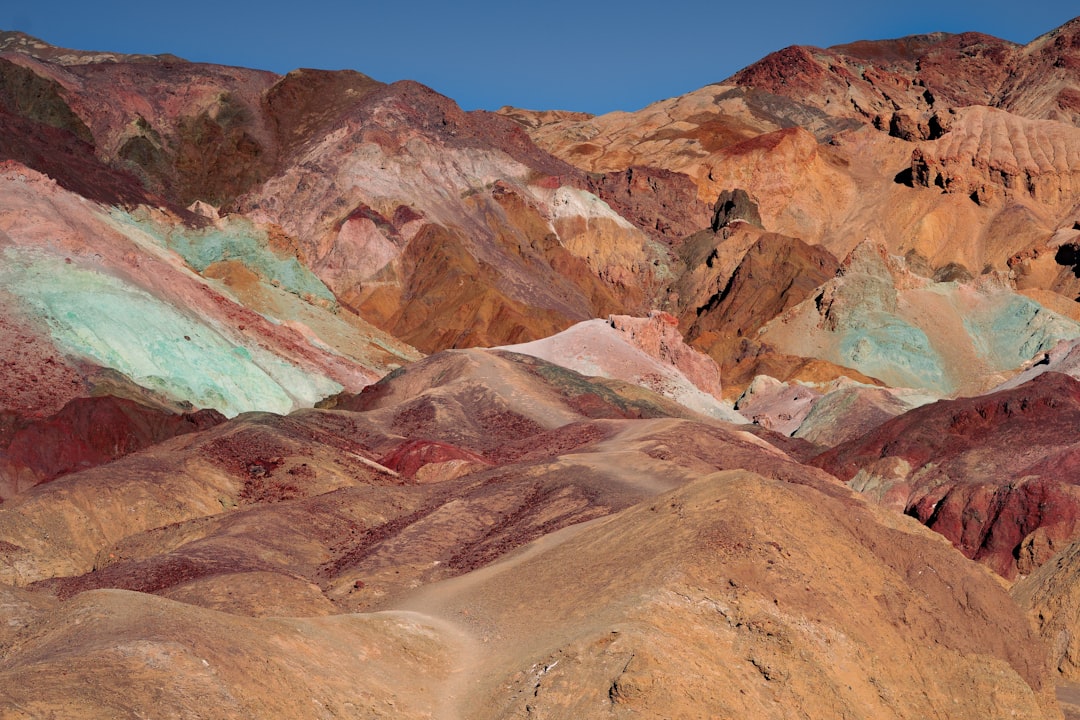
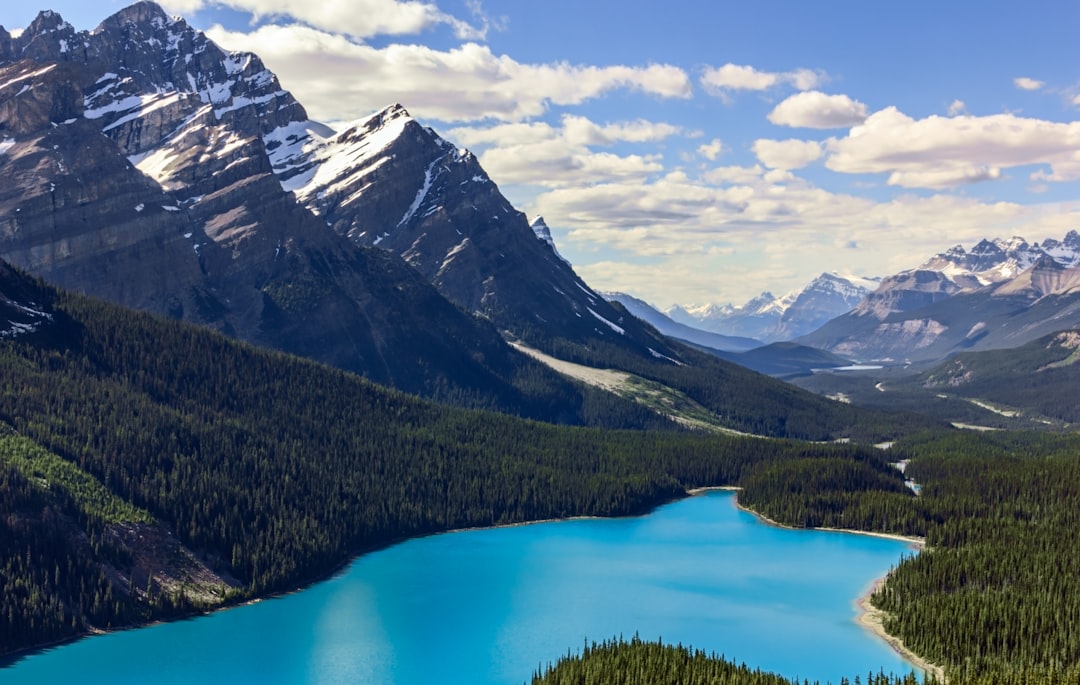
Then adjust for the road. Hot desert drives need far more water than you think. On the Death Valley run from Las Vegas, summer temperatures routinely pass 48°C and can disable a vehicle outright, so carry extra water and food and check the live park conditions map the morning you leave. Cold and high routes flip the problem. On the Icefields Parkway in Canada, the mountain air stays cold well into the June to September season, and Highway 93 has long service gaps, so pack warm layers, carry fuel and water, and do not count on a mobile signal. Both roads drop you out of phone coverage for long stretches, so the kit is your only backup.
Match your prep to the road
Not every drive asks the same of your car. How much prep you need comes down to how remote the road is and how far help sits from it. Here is how a spread of catalog routes compares, using their real distances and seasons.
| Route | Country | Distance | Prep level | Best season |
|---|---|---|---|---|
| Route 66 | United States | 3,940 km | Standard service, keep fuel topped up | Spring and fall |
| Icefields Parkway | Canada | 232 km | Cold-weather layers, fuel and water | June to September |
| Death Valley | United States | 480 km | Extra water, heat check, full tank | October to April |
| Alaska Highway | Canada | 2,400 km | Full-size spare, contingency food | May to September |
| Gibb River Road | Australia | 660 km | 4WD, two spares, recovery gear | May to October |
| Karakoram Highway | Pakistan and China | About 690 km | Operator-led, spare fuel, altitude meds | May to October |
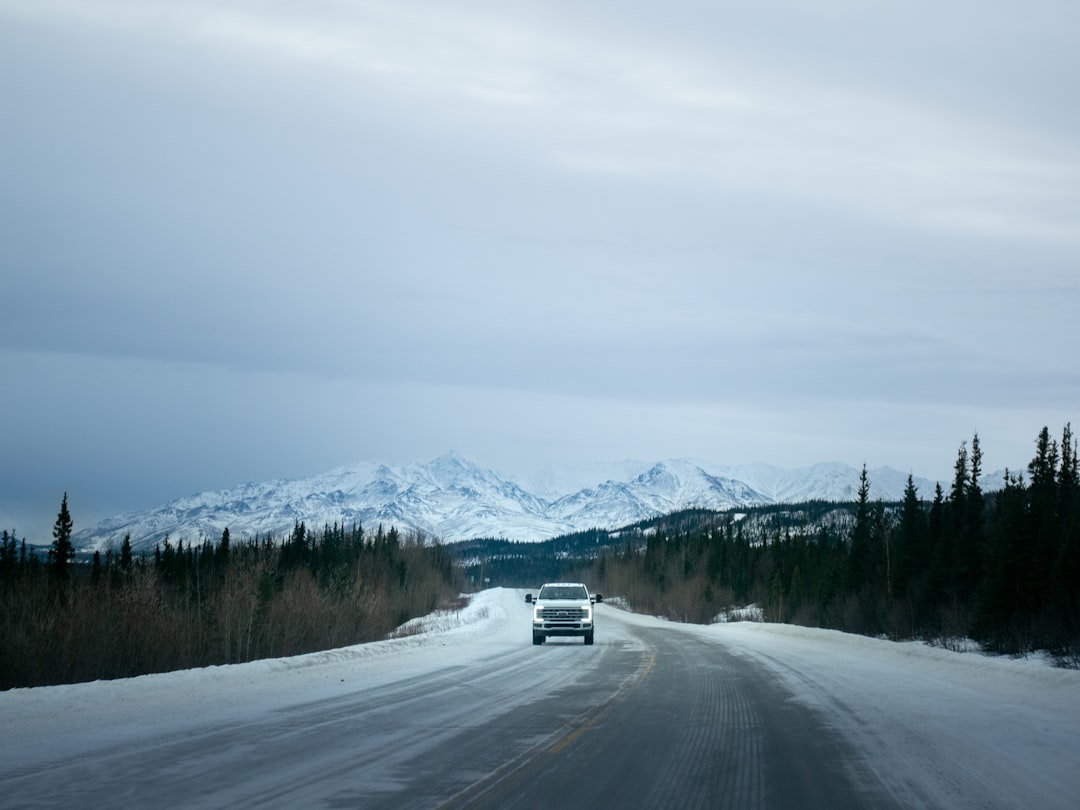
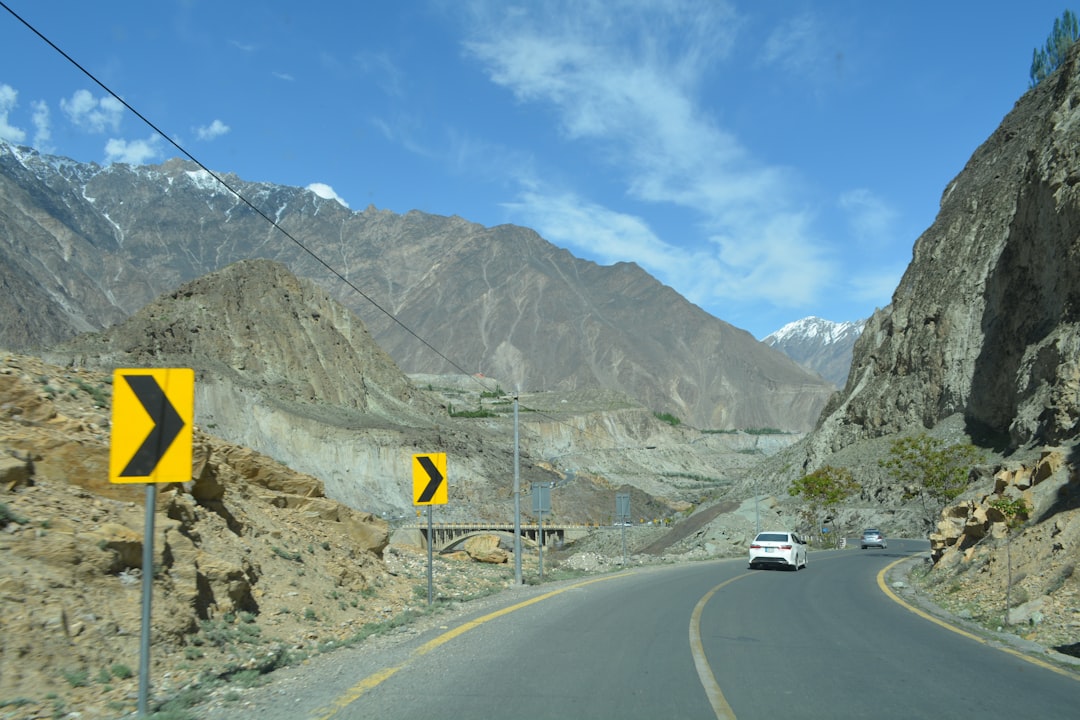
The pattern runs top to bottom. Route 66 is paved the whole way, so a normal car with a fresh service is fine as long as you keep the tank topped through the long desert gaps. The Alaska Highway is paved too, but 2,400 km of frost heaves and long service gaps mean a full-size spare and some contingency food, not a space-saver and a hope. At the far end, the Gibb River Road needs a high-clearance 4WD with two spares, recovery gear, and satellite communications, and creek depths there change after rain. The Karakoram Highway is an operator-led international crossing with altitude that calls for medication agreed with a clinician, not a drive you prep for alone.
If you are prepping for one road above all, treat the remote ones as the standard. A car that is ready for the Gibb River Road or the Alaska Highway will sail through Route 66. For more of these rugged drives, browse our adventure and overland routes.
Sort documents, cover, and navigation before you go
The paperwork strands people as surely as a flat battery. Carry your license, and an international driving permit if you are driving abroad. Confirm your insurance covers the trip, and add roadside breakdown cover if you do not already have it. On the Alaska Highway you will need passports for the Canada and US crossing, and international routes like the Karakoram Highway involve customs, permits, and temporary vehicle paperwork you arrange well ahead through an operator.
Download offline maps for the whole route, since the remote drives above all lose mobile signal for hours at a stretch. Screenshot your fuel stops and note the longest gap between them so you never coast into a town on fumes.
Frequently asked questions
How far ahead should I get my car serviced for a road trip?
Book any due service about a week before you leave. That gives a garage time to order parts and fix anything they find, and leaves you a few days to test the car on shorter drives before the trip starts.
What should I keep in a road trip emergency kit?
Water, snacks, a first-aid kit, a torch, a warning triangle, jumper leads or a jump pack, a tire plug kit with an inflator, and a phone charger. Add warm layers for cold or high routes and extra water for hot ones like Death Valley.
Do I need a 4x4 for a road trip?
For paved routes like Route 66 or the Icefields Parkway, a normal car is fine. You need a high-clearance 4WD, and often two spares and recovery gear, only for offroad drives such as the Gibb River Road, where surfaces and creek crossings change after rain.
How do I prepare my car for driving in extreme heat?
Check the coolant level and the condition of hoses and belts, make sure the air conditioning works, and start with a full tank. Carry well beyond the water you expect to drink, since a breakdown in desert heat like Death Valley's can turn dangerous fast.
Ready to plan the drive itself? Read the full Route 66 guide, then plot your fuel stops and overnights on the interactive map.