The best time to drive the Grossglockner High Alpine Road is from late June to mid-September, when the pass is reliably open, the snow has cleared from the side spurs, and the gates stay open longest. July and August bring the warmest weather and the most daylight, while September trades the crowds for golden larches and sharper air. The road is only open at all from early May to early November, and never on a fixed date, so the season, not just the day, is the first thing to plan around.
The Grossglockner High Alpine Road is a 48 km one-way climb through Austria's Hohe Tauern, often called the finest drive in the Alps. Because it tops out among glaciers and 3,000 m peaks, it lives and dies by the snowpack, and that makes timing everything.
Grossglockner season at a glance
| Period | Status | Gate hours | What to expect |
|---|---|---|---|
| Early May | Opening, weather permitting | 06:00 to 20:00 | Snow walls, cold air, some spurs still closed |
| June | Fully open, greening | 05:30 to 21:00 | Melt in full flow, fewer cars early in month |
| July to August | Peak season | 05:30 to 21:00 | Warmest, busiest, longest days, wildflowers |
| September | Shoulder, golden | 06:00 to 19:30 | Thinner crowds, clear light, first snow possible |
| October to early Nov | Closing, a gamble | 06:00 to 19:30 | Beautiful but closures likely, cold |
Last entry at the gates is 45 minutes before closing, so the hours above are when you can start the climb, not linger at the top.
Why the Grossglockner has a season at all
This is a high alpine road that crosses the main ridge of the Hohe Tauern near the Grossglockner itself, Austria's highest peak at 3,798 m. Snow can lie deep across the upper passes well into spring, and the crews who clear it cannot guarantee an opening date. The official window is early May to early November, but opening is never promised: heavy late snow can push the first day back, and an early autumn storm can shut the gates for good before November arrives.
There is no permit for the road, but every vehicle needs the current paid toll product to pass the gate. Buy it only through the operator or an authorized seller and keep your proof, because the barriers at Bruck and Heiligenblut are staffed and checked. Always look up the same-day road, weather, and event status before you pay and drive up, especially at the edges of the season.
The best months, broken down
May and early June
The romance of the shoulder opening is real: walls of plowed snow taller than your car, near-empty hairpins, and marmots blinking in the thin sun. But this is the least reliable stretch. The road may open late, the highest side spurs to Edelweiss-Spitze can still be under snow, and gate hours are shorter, 06:00 to 20:00 in May. Come now for the drama and the quiet, not for a guaranteed full experience.
July and August: peak, warmest, busiest
High summer is when the whole route is dependably clear, the wildflowers are out above the treeline, and the gates stay open longest, 05:30 to 21:00. Every viewpoint and spur is accessible, the visitor facilities at Kaiser-Franz-Josefs-Höhe are in full swing, and the funicular down toward the Pasterze Glacier is running. The trade-off is traffic. This is the busiest window, so an early start is not optional if you want parking at the marquee stops and clear light before the afternoon cloud builds over the peaks.
September: the connoisseur's choice
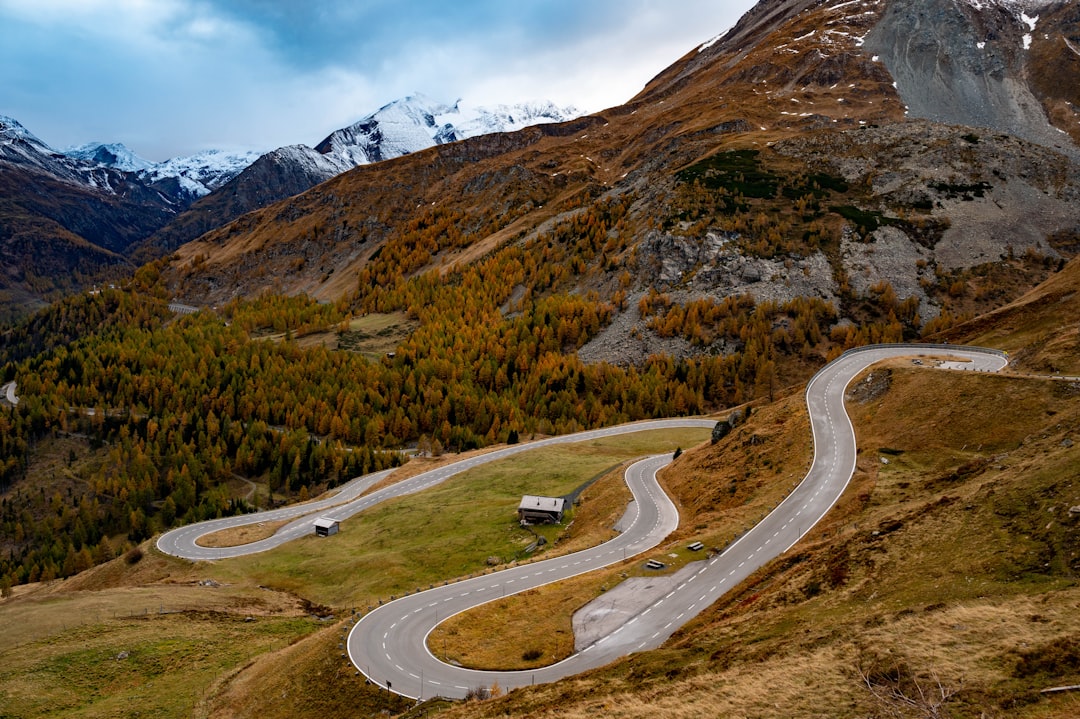
For many drivers September is the sweet spot. The road is still reliably open, the summer coach crowds thin out once school terms restart, and the light turns crisp and gold across the valleys. Gate hours shorten to 06:00 to 19:30 and the first dusting of snow can arrive on the high ground, which only sharpens the views of the glacier and the summit. Pack warm layers and keep an eye on the same-day forecast.
October and early November: a genuine gamble
The last weeks are gorgeous and precarious. Closures for snow become common, temperatures at 2,500 m are firmly wintry, and the season can end without warning. If you are set on driving now, treat every plan as provisional and have a Plan B for the day.
The best time of day to drive
Start early, whatever the month. First light brings the calmest air, the best chance of parking at Kaiser-Franz-Josefs-Höhe, and the marmots that sit in the road before the day warms up. Alpine weather also tends to build cloud in the afternoon, so morning gives you the cleanest sightlines to the Grossglockner and the retreating Pasterze Glacier. Aim to be through the gate not long after it opens, especially in July and August.
What the timing gets you along the route
The drive climbs from Bruck an der Großglocknerstraße on the Salzach valley floor, through spruce forest and up past the treeline to Fuschertörl at 2,393 m, where the full Glockner ridge appears. A short spur reaches Edelweiss-Spitze at 2,571 m, a platform with a 360-degree panorama over 37 peaks above 3,000 m, and that spur is exactly the kind of thing that may still be snowbound in early May. The climax is Kaiser-Franz-Josefs-Höhe at 2,369 m, face to face with the glacier and the summit, before the southern descent drops to the Gothic village of Heiligenblut at 1,288 m. Give yourself a full day: this is a one-way distance of 48 km, and 96 km only if you drive back the way you came.
If your dates fall outside the Grossglockner's open window, the French Route des Grandes Alpes runs a longer June to October season, and you can compare high passes across the range in our Mountain Passes collection.
Frequently asked questions
When does the Grossglockner High Alpine Road open and close?
It normally opens in early May and closes in early November, but neither date is fixed. Snow decides both ends of the season, so always check the same-day road and weather status before you set out.
What are the Grossglockner gate opening hours?
Gates run 06:00 to 20:00 in May, 05:30 to 21:00 from June through August, and 06:00 to 19:30 from September onward. Last entry is 45 minutes before closing time.
Is the Grossglockner worth driving in September?
Yes. September is one of the best months: the road is still reliably open, crowds thin after the summer holidays, and the autumn light is superb. Just pack warm layers and watch for the first high-country snow.
How long does it take to drive the Grossglockner?
Allow a full day. The pass is 48 km one-way to Heiligenblut, or 96 km if you return, and the viewpoints at Fuschertörl, Edelweiss-Spitze, and Kaiser-Franz-Josefs-Höhe are the reason you came, so build in plenty of stopping time.
Do you need to pay a toll for the Grossglockner?
Yes. There is no permit, but every vehicle needs the current paid toll product to pass the gate. Buy it from the operator or an authorized seller and keep your proof of purchase for the barrier.
Plan your Alpine drive
Pick your month, confirm the road is open on the day, and start early. For the full stop-by-stop detail, read the Grossglockner High Alpine Road guide, browse the wider Mountain Passes collection, or plot your own high-alpine route on the interactive map.