The best time to road trip across most of South America is the dry season, roughly May to October, when the Andes clear, the Pantanal empties of water and fills with wildlife, and the desert light turns crisp. If you only pick one drive, make it the Salar de Uyuni Circuit in Bolivia. Below are ten catalog routes at their absolute best between now and October, ranked, with the real distances, durations and seasons so you can plan around the weather instead of against it.
While the northern hemisphere bakes, southern winter dries out the continent's highlands and interior. That is exactly when salt flats stay drivable, mountain passes stay open, and jaguars come down to the riverbanks. These are desert, wildlife and mountain drives, so browse the wider Desert Roads collection too, then plot any of them on the interactive map.
The 10 best dry-season road trips in South America
| # | Route | Country | Distance | Duration | Best season |
|---|---|---|---|---|---|
| 1 | Salar de Uyuni Circuit | Bolivia | 450 km | 3 to 4 days | May to November |
| 2 | Lençóis Maranhenses | Brazil | 300 km | 2 to 4 days | July to September |
| 3 | Sacred Valley and Cusco | Peru | 320 km | 3 to 4 days | May to September |
| 4 | Transpantaneira | Brazil | 147 km | 2 to 4 days | July to October |
| 5 | Avenue of the Volcanoes | Ecuador | 380 km | 4 to 5 days | June to September |
| 6 | Santiago to San Pedro de Atacama | Chile | 1,705 km | 5 to 7 days | Year-round (no rain) |
| 7 | Cordillera Blanca Loop | Peru | 420 km | 3 to 5 days | May to September |
| 8 | Quebrada de Humahuaca | Argentina | 140 km | 1 to 2 days | April to October |
| 9 | Chapada Diamantina | Brazil | 300 km | 3 to 5 days | May to September |
| 10 | Estrada Real | Brazil | 340 km | 3 to 5 days | April to September |
1. Salar de Uyuni Circuit, Bolivia
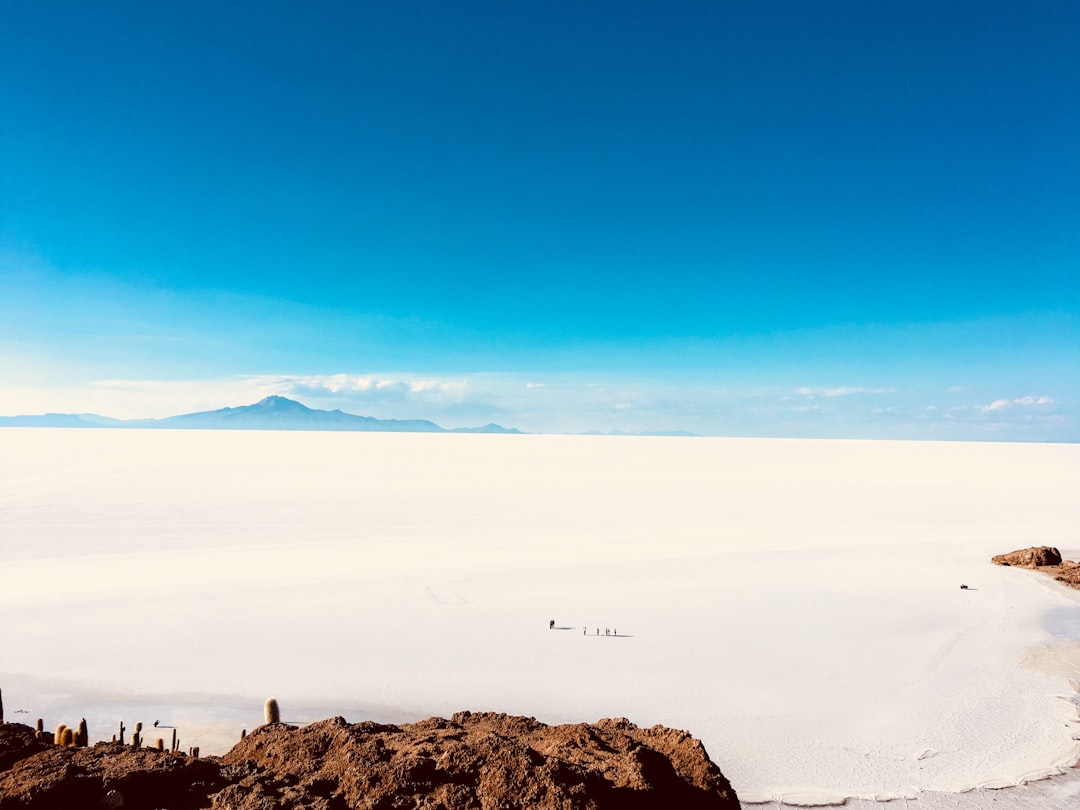
Nothing else on the continent looks like this. Over 450 km and 3 to 4 days you cross the world's largest salt flat, a 10,582 km² sheet of white, then climb into the Altiplano past flamingo lagoons and the boiling mud of the Sol de Mañana geysers at 5,000 m. The dry months from May to November are when the crust is firm enough to drive and the high desert stays clear. It is a hard, high-altitude route that wants a 4WD and a local guide, so acclimatise in Uyuni for a couple of days first. See the full Salar de Uyuni Circuit guide before you commit.
2. Lençóis Maranhenses, Brazil
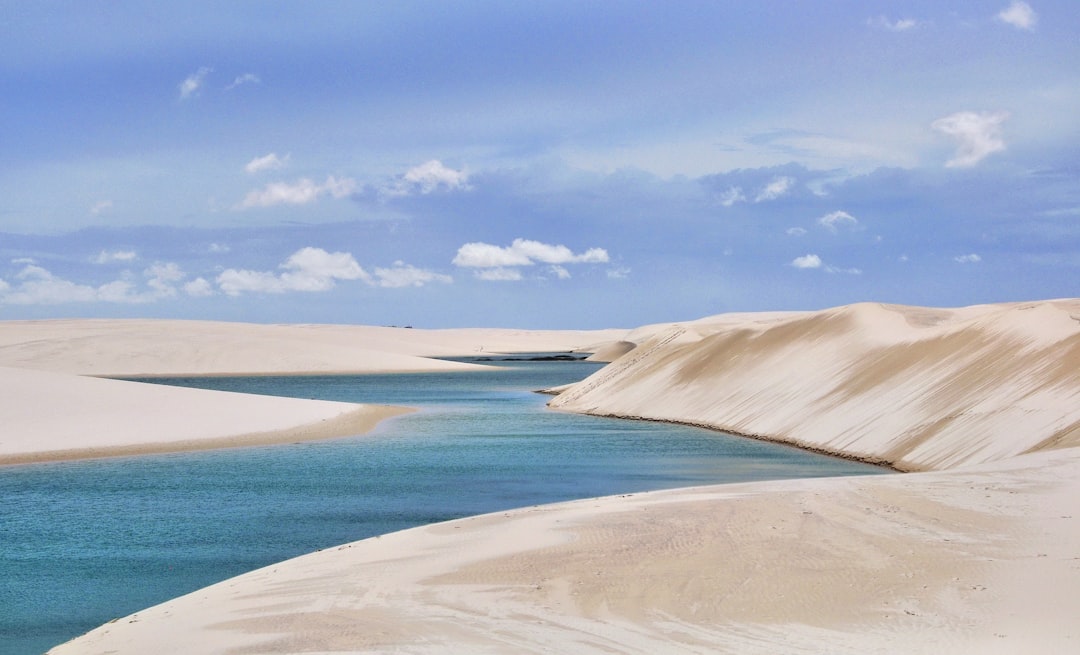
This one is pure timing. The lagoons that give the Lençóis Maranhenses its magic only fill with turquoise rainwater between July and September, so a July trip is close to perfect. Picture 1,500 km² of white dunes cupping hundreds of emerald pools, reached from São Luís via the Preguiças River delta and the dune towns of Barreirinhas and Atins. The 300 km, 2 to 4 day route needs low-range 4WD and a guide inside the dune field. Come now or wait a year.
3. Sacred Valley and Cusco, Peru
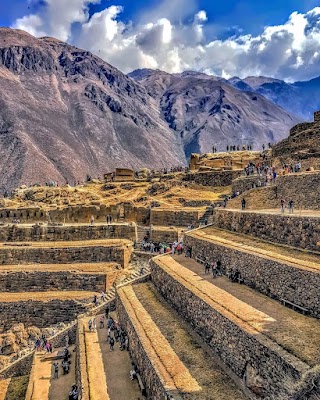
The classic Andean cultural loop is at its driest and clearest from May to September. Over 320 km and 3 to 4 days, the Sacred Valley and Cusco drive links terraced Inca sites beneath snow peaks: the ruins and market at Pisac, the salt pans of Maras, the circular terraces of Moray, and the fortress town of Ollantaytambo. Roads are paved but high, so take altitude seriously and start from Cusco once you have adjusted. It is the easiest way to fold big-name history into a road trip.
4. Transpantaneira, Brazil
The Transpantaneira is only 147 km of raised dirt track on 122 wooden bridges, but in the dry season from July to October it becomes the best jaguar-spotting road on Earth. As the Pantanal wetland drains, caimans line every bridge, capybaras graze the verges, and the Cuiabá River banks near Porto Jofre fill with big cats. A high-clearance vehicle handles it in the dry, and 2 to 4 days lets you work the river by boat. Wet-season flooding closes it, so mid-year is the window.
5. Avenue of the Volcanoes, Ecuador
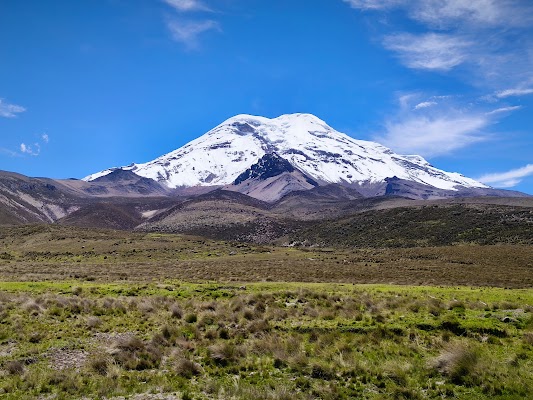
Ecuador's highland spine runs from Quito toward Chimborazo through a corridor of snowcapped cones, and June to September gives it the steadiest weather. The 380 km, 4 to 5 day Avenue of the Volcanoes strings together Cotopaxi National Park, the busy Saquisilí market, and the hot-spring town of Baños de Agua Santa. Andean mornings are cold and afternoons can cloud over, so drive the high viewpoints early. Any car will do, which makes this the most accessible big-mountain drive on the list.
6. Santiago to San Pedro de Atacama, Chile
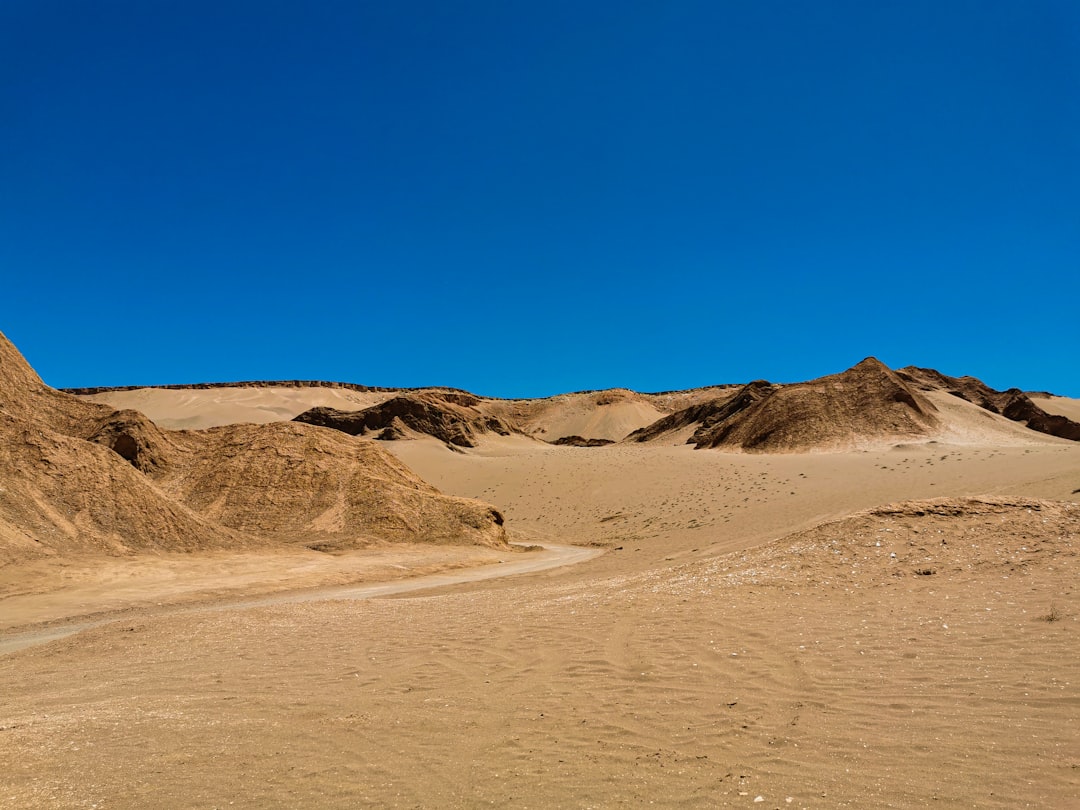
The one route here that never worries about rain. Parts of the Atacama have not seen a drop in 400 years, so the 1,705 km run from Santiago to San Pedro de Atacama is a year-round certainty that is especially rewarding in the clear southern winter. Over 5 to 7 days you leave the Pacific at Valparaíso and Viña del Mar, thread the mining north through La Serena and Copiapó, and finish among the salt lakes, the Valle de la Luna, and the El Tatio geysers. Fuel is scarce past Copiapó, so top up often.
7. Cordillera Blanca Loop, Peru
Huaraz sits at the foot of the highest tropical mountain range on Earth, and the Cordillera Blanca Loop circles it over 420 km and 3 to 5 days. May to September is the trekking-and-driving dry season, when the turquoise glacial lakes of Llanganuco and Querococha are at their most vivid and the passes stay open. You will meet steep grades, rough sections and thin air above 3,000 m, so start early and get off the high roads before dark. It pairs naturally with the Sacred Valley for a two-week Peru highlands trip.
8. Quebrada de Humahuaca, Argentina
Short, easy and wildly photogenic. The Quebrada de Humahuaca follows Ruta 9 for just 140 km through a narrow Andean valley of multicolored cliffs, best driven April to October when the high-desert light is sharpest. In 1 to 2 days you take in the seven-color hill at Purmamarca, the pre-Inca fortress at Tilcara, and the Tropic of Capricorn marker at Huacalera. It climbs fast from Jujuy to nearly 3,000 m, so hydrate and use sun protection even under cloud. This is the low-effort, high-reward entry.
9. Chapada Diamantina, Brazil
Bahia's highland plateau is Brazil's adventure heartland, and the 300 km Chapada Diamantina loop threads diamond-rush villages, table-top mountains and 100 m waterfalls over 3 to 5 days. The May to September dry season matters twice here: the unpaved access roads stay firm, and the blue-light effect at Poço Encantado only appears when the sun rides high in those months. An SUV and a local guide open up the canyons and caves. It is the most underrated wild-swimming road trip on the continent.
10. Estrada Real, Brazil
The Estrada Real is the old Royal Road built in the 1700s to carry gold and diamonds out of Minas Gerais, and this 340 km stretch links UNESCO Ouro Preto through Tiradentes and São João del-Rei to the diamond town of Diamantina. April to September gives the driest driving on cobbled colonial streets that turn slick in rain. It is mostly paved and easy, and it is even EV-friendly, so it makes a gentle, culture-rich close to any Brazil itinerary over 3 to 5 days.
If you only do one
Drive the Salar de Uyuni Circuit. No other route in South America packs a mirror-flat salt sea, red and green mineral lagoons, high-altitude geysers and pink flamingos into three or four days, and the May to November dry season is exactly when the crust holds and the Altiplano skies clear. Runner-up goes to the Lençóis Maranhenses purely on timing: a July or August trip catches the lagoons at their fullest, and there is no landscape quite like it anywhere else on the planet.
Frequently asked questions
When is the dry season for a South America road trip?
For the Andes, Altiplano, Pantanal and most of Brazil's interior, the dry season runs roughly May to October, with the driest, clearest driving from June to September. Coastal deserts like the Atacama are dry all year.
Is July a good time to drive in South America?
Yes. July sits in the heart of the dry season for the highlands and interior. It is the only window when the Lençóis Maranhenses lagoons are full, and it is prime jaguar season on the Transpantaneira, so July is one of the best months of the year to go.
Do you need a 4x4 for these road trips?
Some, not all. The Salar de Uyuni Circuit and Lençóis Maranhenses need low-range 4WD and a guide, and the Transpantaneira and Chapada Diamantina want a high-clearance SUV. The Sacred Valley, Avenue of the Volcanoes, Quebrada de Humahuaca, Estrada Real and the Santiago to Atacama run all take an ordinary car.
Which South American road trip is best for first-timers?
The Quebrada de Humahuaca in Argentina and the Estrada Real in Brazil are the easiest starts: paved, short, low-altitude by regional standards, and drivable in any car. The Avenue of the Volcanoes is the gentlest way to reach truly big Andean scenery.
Ready to build a trip? Compare every drive above on the interactive map, dig into the flagship Salar de Uyuni Circuit guide, and browse more arid-country routes in our Desert Roads collection.