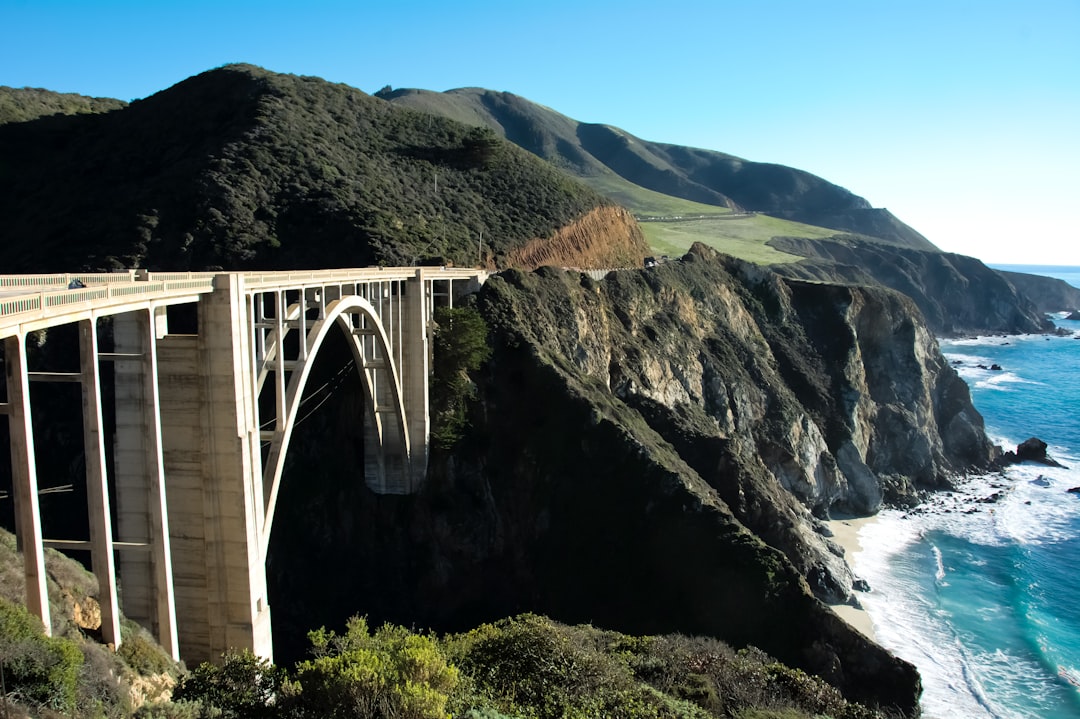
You do not need a 4x4 for most of the world's great road trips. A standard rental car, the kind you book without a thought about clearance or gearing, will carry you the length of California's Highway 1, around the top of Scotland, and across the headlands of Ireland's west coast. Every drive on this list is fully paved and rated in our catalog for an ordinary vehicle, so the only thing between you and the road is the flight.
A couple of them reward patience rather than hardware. The hairpins of the Amalfi Coast and the single-track lanes of the North Coast 500 go easier in a small car than a big one, which is the opposite of what people picture when they imagine a serious drive. What none of these ten needs is low-range gears, gravel tyres, or a snorkel. They are ranked below for how much road trip you get from how little car.
The ten drives at a glance
The ranking rewards the drives that give the most back for a standard car. Distances, durations, and seasons come straight from each route guide.
| # | Route | Country | Distance | Duration | Best season |
|---|---|---|---|---|---|
| 1 | Pacific Coast Highway | United States | 1,055 km | 4 to 7 days | Summer to fall |
| 2 | Great Ocean Road | Australia | 660 km | 3 days | Nov to Apr |
| 3 | Garden Route | South Africa | 850 km | 7 days | Oct to Apr |
| 4 | Wild Atlantic Way | Ireland | 1,450 km | 10 days | May to Sep |
| 5 | Amalfi Coast | Italy | 50 km | 3 days | May, or Sep to Oct |
| 6 | North Coast 500 | Scotland | 830 km | 6 days | May to Sep |
| 7 | Cabot Trail | Canada | 298 km | 3 to 4 days | Jun to Oct |
| 8 | Route 66 | United States | 3,940 km | 14 to 21 days | Spring and fall |
| 9 | Douro Valley | Portugal | 320 km | 4 days | Sep to Oct |
| 10 | Romantic Road | Germany | 420 km | 4 days | Apr to Oct |
If you only do one, drive the Pacific Coast Highway. It runs 1,055 km of cliff, redwood, and open Pacific from the Golden Gate Bridge to Santa Monica Pier, it is paved the whole way, and the catalog rates it easy in any car. Drive the best of it, Monterey through Big Sur to Morro Bay, in a long weekend, or take the full week and stop at Hearst Castle and McWay Falls on the way south.
1. Pacific Coast Highway, United States
California's Highway 1 holds the edge of the continent for 1,055 km from San Francisco to Los Angeles, and apart from the odd landslide closure around Big Sur it asks nothing of your car beyond a full tank. The scenery does the work: the Bixby Creek Bridge, the elephant seal rookery near Hearst Castle, McWay Falls dropping onto the sand at Julia Pfeiffer Burns. Fog and narrow two-lane sections make it slower than the map suggests, so give it four to seven days and check closures before the long gaps between towns. The full Pacific Coast Highway guide breaks it into days.
2. Great Ocean Road, Australia
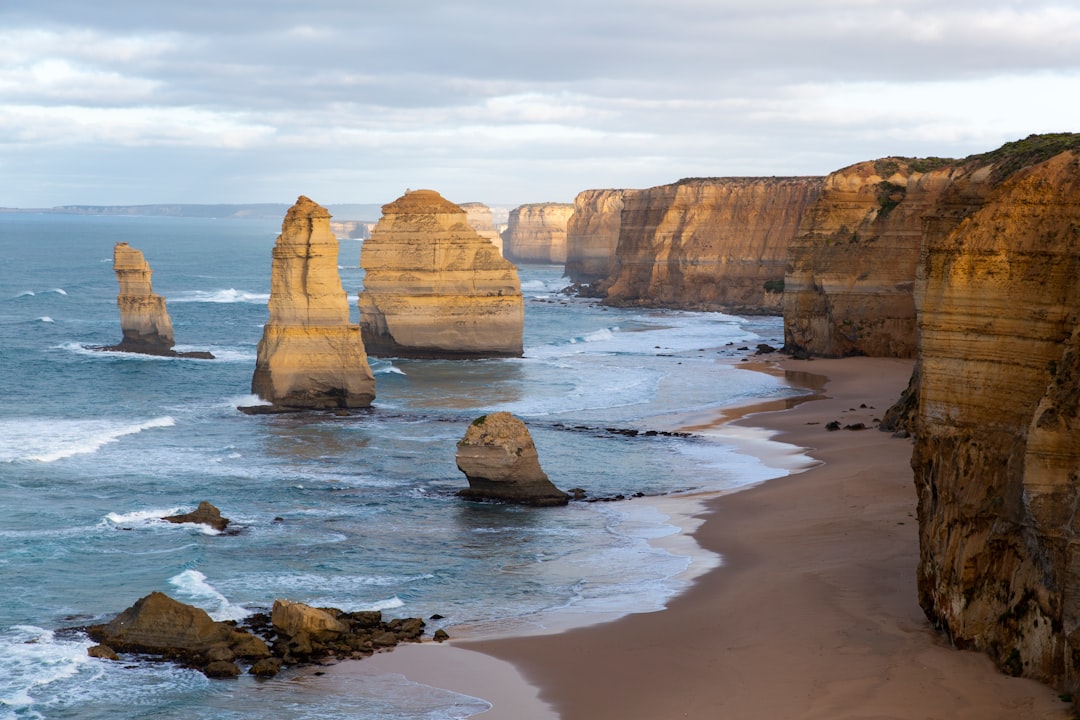
Built by returned soldiers after the First World War, the Great Ocean Road curls along Victoria's surf coast from Torquay past Lorne and Apollo Bay to the Twelve Apostles, the limestone stacks standing offshore at Port Campbell. This 660 km version starts in Melbourne and carries on through Port Fairy to Portland, so you also get the Otway rainforest and the quieter western coast beyond the headline cliffs. Three days covers it, and a normal car handles every kilometre. Go in the Australian summer, November to April.
3. Garden Route, South Africa
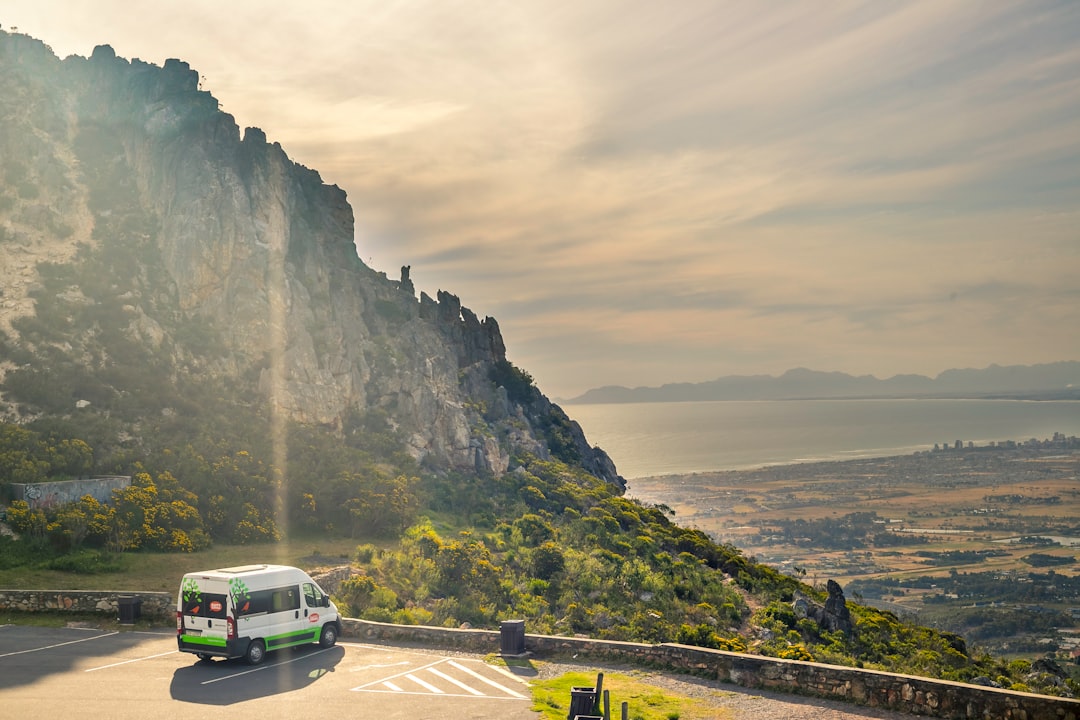
South Africa's Garden Route strings a week of coast between Cape Town and Storms River: the Cape Point peninsula, the paved cliff ledge of Chapman's Peak Drive, the whale nursery at Hermanus, the lagoon town of Knysna, and the 800-year-old yellowwoods of the Tsitsikamma forest. None of the 850 km needs more than a standard car, though you will want to check the Chapman's Peak toll road and the SANParks closures before the days that use them. October to April brings the warm, dry coast. Keep valuables out of sight in Cape Town and skip the empty stretches after dark.
4. Wild Atlantic Way, Ireland
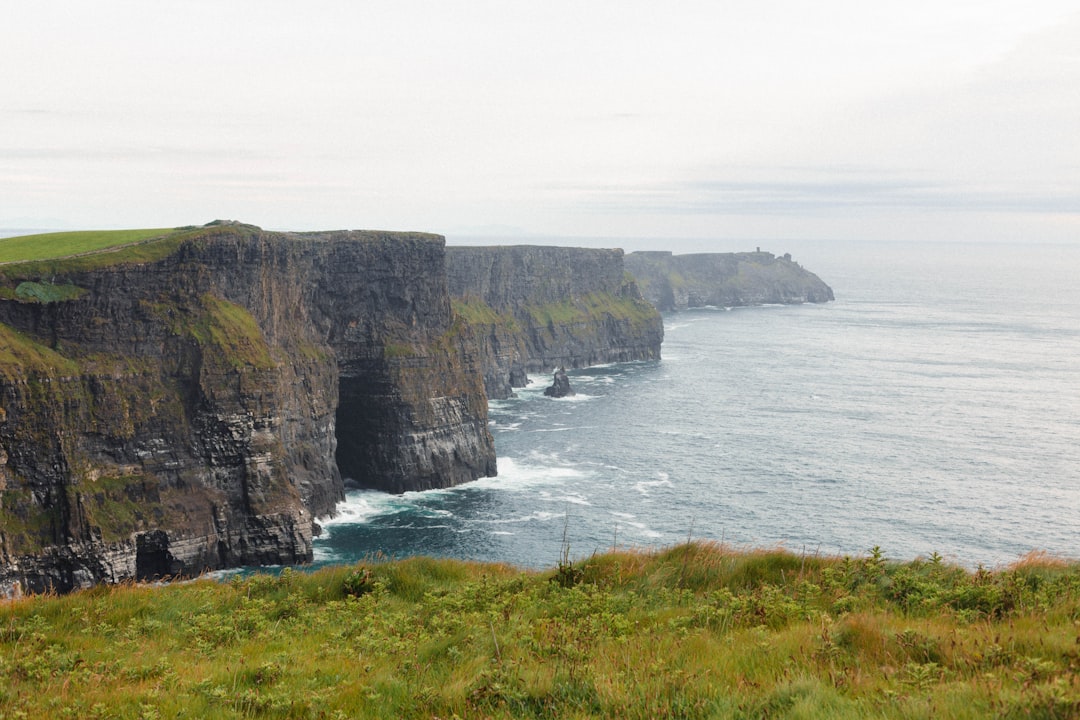
Ireland's Atlantic edge runs wild and paved. This 1,450 km Wild Atlantic Way selection drops from Malin Head, the most northerly point in the country, through Donegal and Sligo to Achill Island, Connemara, the Cliffs of Moher, the Dingle Peninsula, and the Ring of Kerry over ten days. The roads narrow to a single lane on the far peninsulas, so refuel in the bigger towns and carry offline maps where the coverage thins. Drive Slea Head clockwise out of Dingle and follow the one-way visitor signs. May to September gives you the long northern evenings.
5. Amalfi Coast, Italy
Nowhere makes the argument for a small car better than the Amalfi Coast. The SS163 threads 50 km of cliff-cut hairpins above the sea between Sorrento and Salerno, past Positano, Ravello, and the fishing village of Cetara, and a compact hatchback fits those lanes and parking spaces where a large SUV never will. Come in spring or early autumn, May or September into October, when the heat and the crowds ease off, and check the local plate-restriction dates first, since Amalfi bars traffic on set spring days. Three days leaves one for parking the car and walking the Path of the Gods above Positano.
6. North Coast 500, Scotland
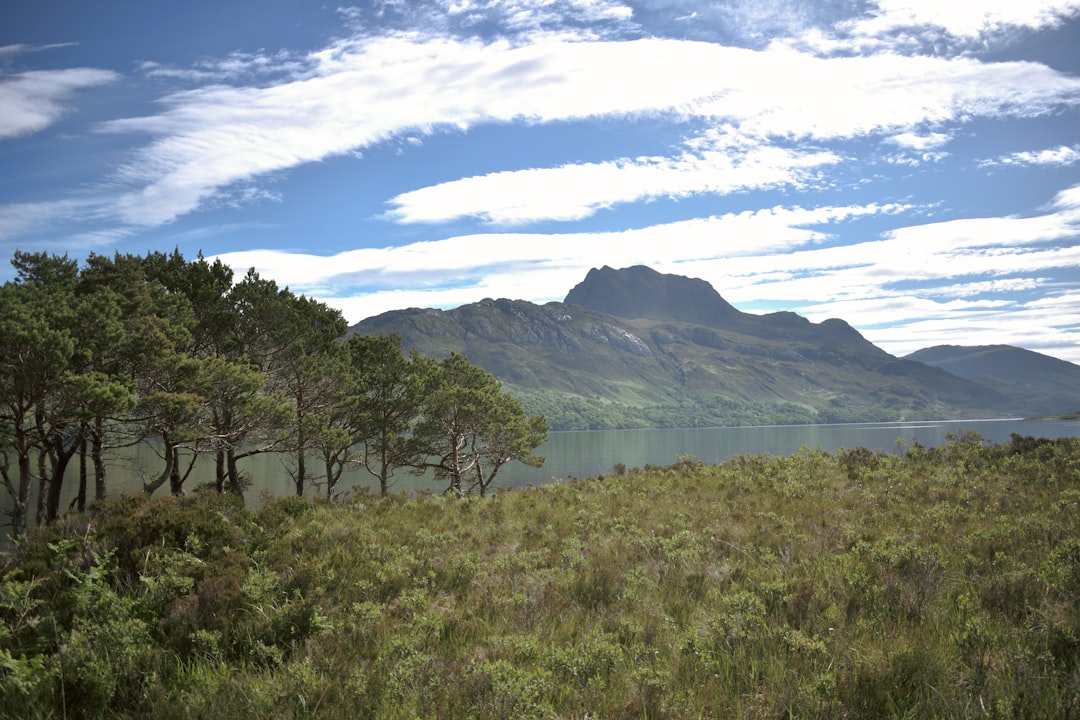
Scotland's North Coast 500 loops 830 km clockwise from Inverness up the east coast to Thurso, west to Durness, and back through Wester Ross and Applecross. Much of the west side is single-track with passing places, which is the reason a smaller car is the easier choice here; the official route advice warns oversized vehicles off. Never stop in a passing place, and pull into the next one to let faster traffic by. Six days spreads the loop out, and May to September keeps the daylight long and the Bealach na Bà climb open.
7. Cabot Trail, Canada
On Cape Breton Island, the Cabot Trail climbs over the highland plateau and drops to sea-level fishing villages on a 298 km loop out of Baddeck, tracing cliff edges with 300 m drops to the Gulf of St. Lawrence. The grades are steep and the curves tight in places, but it is fully paved and a standard car is fine. Take three or four days between June and October, and reserve the Skyline Trail parking in advance if you want that headland walk at sunset. Cheticamp on the west side is the Acadian town, a good stop for lunch and a tune.
8. Route 66, United States
The archetypal American road trip is also the longest drive here, and its route guide is blunt about the car: Route 66 is entirely paved, and a normal vehicle is all you need for the 3,940 km from Chicago to Santa Monica. The Route 66 worth chasing is the old alignment of neon motels and roadside giants, from the Gemini Giant in Illinois to Cadillac Ranch in Texas and the Wigwam Motel in Arizona, so expect patchy signage where the interstate has swallowed the original road. Allow two to three weeks, drive it in spring or fall to miss the desert heat, and keep the tank full through the long gaps out west.
9. Douro Valley, Portugal
Portugal's Douro Valley follows the river east from Porto through terraced vineyards cut into schist, the oldest demarcated wine region in the world, over about 320 km. The road is paved and the driving is gentle. The catch is the wine, so settle on one designated driver, or book a transfer if everyone wants to taste at the quintas around Peso da Régua and Pinhão. September and October, during and just after the harvest, show the valley at its fullest. Four days leaves room for Lamego and the Côa up near Pocinho.
10. Romantic Road, Germany
Germany's Romantic Road runs 420 km of walled towns and half-timbered squares from Würzburg to Füssen, taking in Rothenburg ob der Tauber, Dinkelsbühl, and Nördlingen inside its old meteorite crater before it reaches the Alps. It is gentle, paved, and the easiest driving on this list, which makes it a strong first road trip abroad. Four days is the usual pace, and the season runs April to October. Save Neuschwanstein for a separate reserved day at the end, and buy the castle tickets through the official Hohenschwangau office.
What a no 4x4 road trip still asks of you
Paved does not always mean effortless. The hairpins at Amalfi and the single-track lanes on the North Coast 500 reward a calm driver and a compact car more than any amount of horsepower, and the steep grades on the Cabot Trail and the Garden Route want your attention on the descents. What they share is that a standard rental handles them without gravel tyres, high clearance, or low-range gears.
The roads that genuinely need a 4x4 are a different kind of trip, and the catalog flags them clearly: Australia's Gibb River Road, Chile's Carretera Austral, the salt-flat crossing to Bolivia's Salar de Uyuni, and South Africa's Sani Pass all call for high clearance and gravel experience. None of the ten above is in that bracket. Seven of them trace a coastline, so if ocean roads are the draw, our collection of scenic coastal drives gathers more of them.
Frequently asked questions
Do you need a 4x4 for a road trip?
For most of the world's great drives, no. Every route on this list is paved and rated for a standard car. A 4x4 earns its cost only on gravel, sand, river crossings, or remote mountain tracks, which is a small share of the famous routes.
Which well-known road trips can you drive in a regular rental car?
The Pacific Coast Highway, the Great Ocean Road, Route 66, the Garden Route, the Wild Atlantic Way, and the Amalfi Coast are all fully paved and fine in a standard car. So are Scotland's North Coast 500 and Canada's Cabot Trail, where a smaller car is actually the easier choice on the narrow sections.
Is a small car better than an SUV on the Amalfi Coast and North Coast 500?
Often, yes. The Amalfi hairpins and Scotland's single-track lanes have tight bends, narrow widths, and small parking spaces, so a compact car fits where a large SUV struggles. Neither road needs the clearance an SUV gives you.
Which road trips actually require a 4x4?
The ones with long gravel, sand, or river sections: Australia's Gibb River Road, Chile's Carretera Austral, the Salar de Uyuni salt-flat crossing in Bolivia, and the Sani Pass between South Africa and Lesotho. Each route guide lists the vehicle it needs.
Can you drive Route 66 in a normal car?
Yes. Route 66 is paved end to end, and its route guide confirms a normal car is all you need for the 3,940 km. Keep the tank full through the long desert stretches, and watch for patchy signage where the interstate has replaced the original road.
Start with the Pacific Coast Highway guide to see how the paved classic splits into days, then plot your own version on the interactive map.