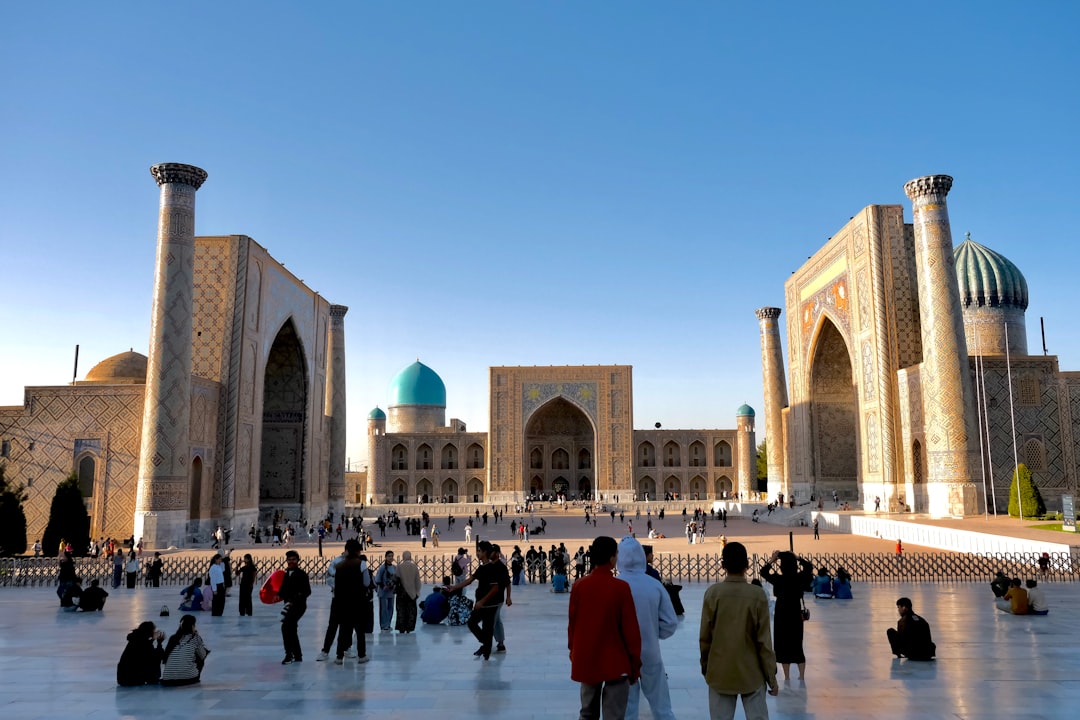
Uzbekistan's Silk Road
Uzbekistan
In short: Uzbekistan's Silk Road is a Approximately 1,250 km historical road trip in Uzbekistan, typically driven over 9–10 days, best in Apr–Jun, Sep–Nov. Highlights: Tashkent, Samarkand, Shakhrisabz.
The classic Tashkent–Samarkand–Shakhrisabz–Bukhara–Khiva progression, weighted toward Uzbekistan's three great historic cities rather than giving every stop equal time.
Make this route yours
Set your dates, pace, and taste, and RoadAtlas AI rebuilds this trip day by day with real, verified places.
Included with Traveler and Explorer plans.
Plan this trip
Third-party planning links may be affiliate links. RoadAtlas stays independent, and you should verify details with the provider.
Day-by-day itinerary
Day 1Tashkent
Chorsu Bazaar · Tashkent Metro architecture · Central Asian Plov Center
Day 2Tashkent to Samarkand and the Registan
Registan · Bibi-Khanym Mosque · Bibi-Khanym Teahouse
Day 3Samarkand
Shah-i-Zinda · Gur-e-Amir · Platan
Day 4Samarkand to Shakhrisabz and Bukhara
Ak-Saray Palace ruins · Dorut Tilavat complex · Chorsu Milliy Taomlar
Day 5Bukhara monumental core
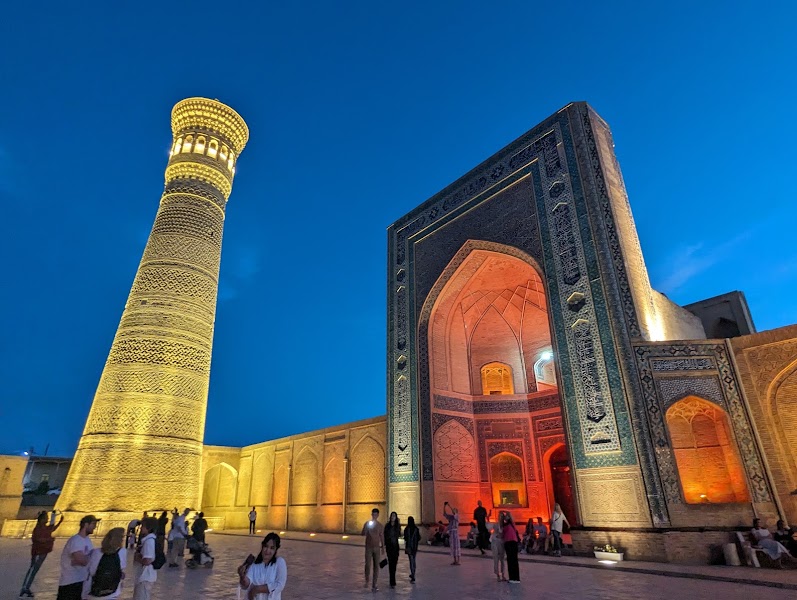
Poi Kalyan · Bukhara trading domes · Lyabi-Hauz Restaurant
Day 6Bukhara citadel and western old city
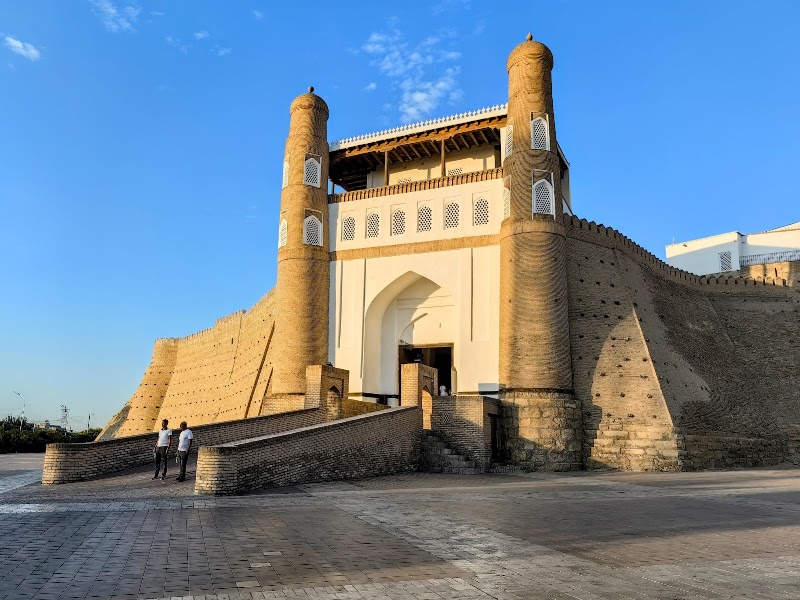
Ark of Bukhara · Samanid Mausoleum · Minzifa Restaurant
Day 7Bukhara to Khiva across the Kyzylkum
Amu Darya crossing · Road chaikhana selected on the day
Day 8Khiva and the western Itchan Kala
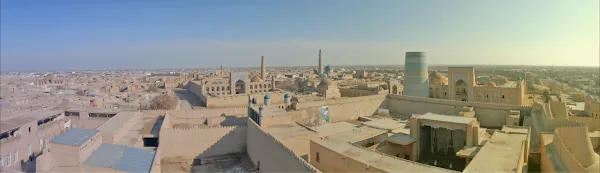
Kunya Ark · Kalta Minor · Terrassa Cafe & Restaurant
Day 9Khiva palaces and eastern Itchan Kala
Tash Khauli Palace · Islam Khoja Minaret · Khorezm Art Restaurant
Stops along the route
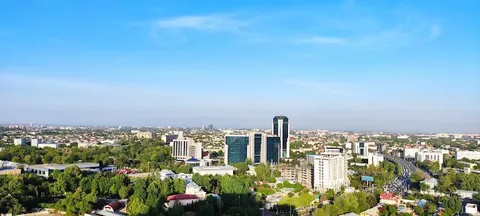
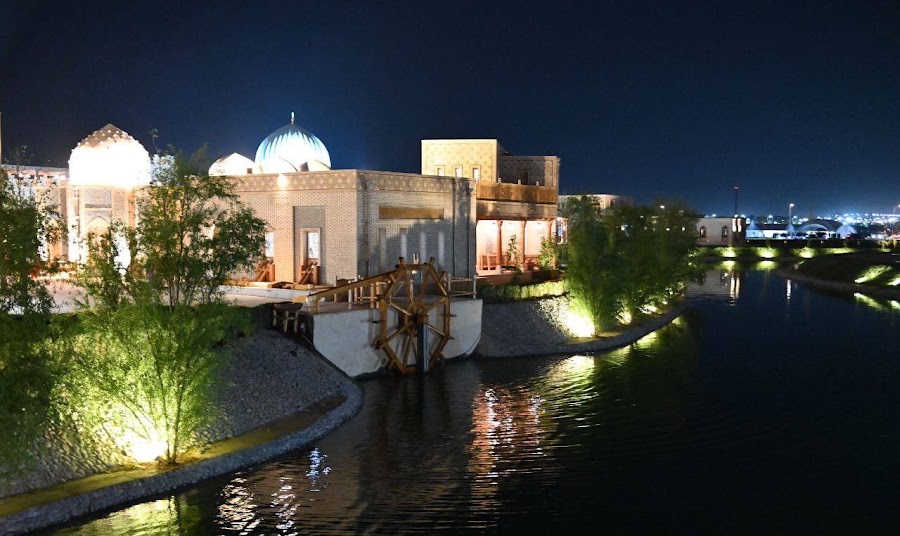
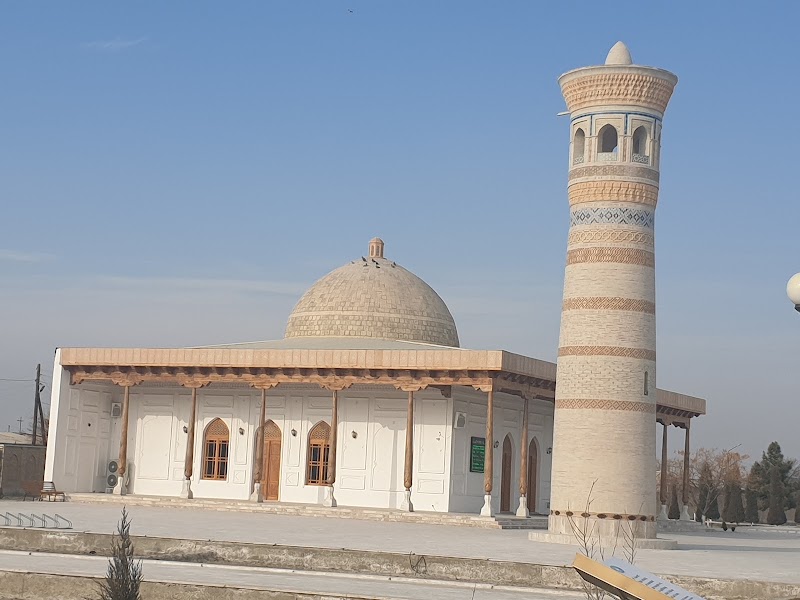
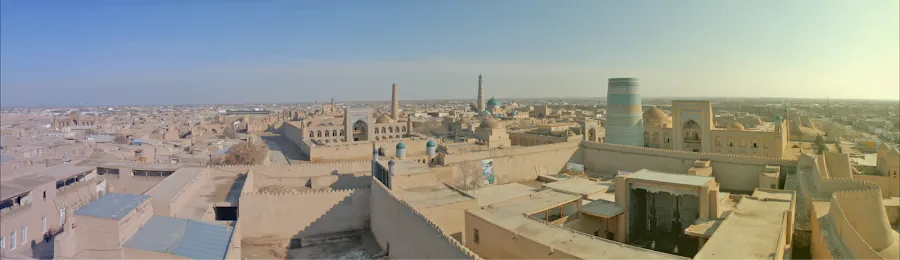
Things to Do
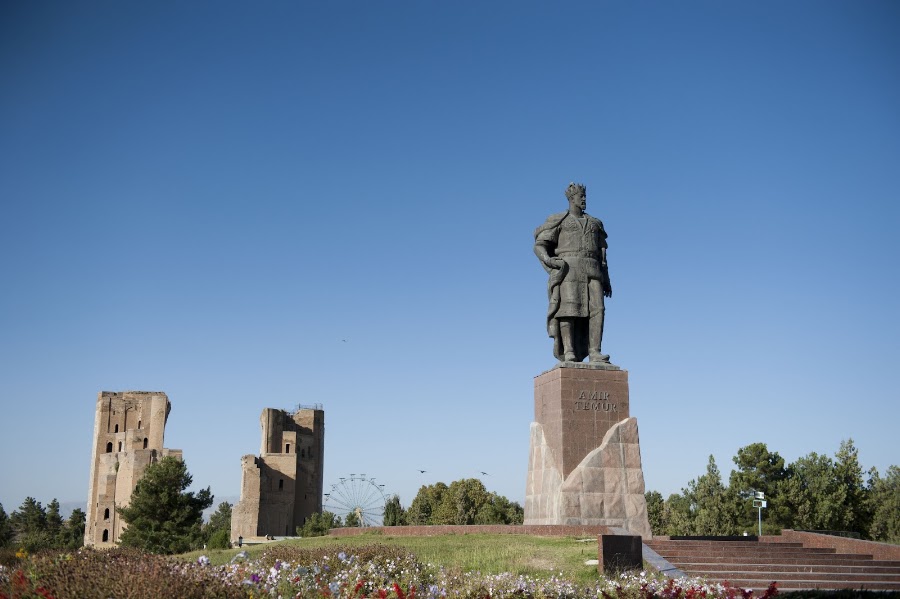
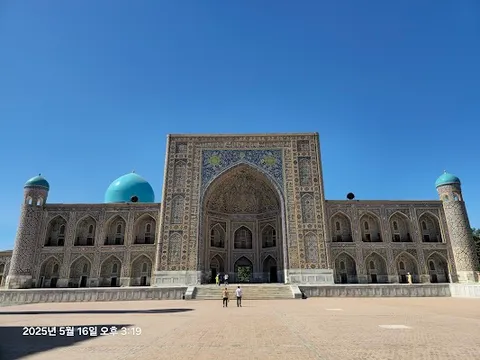
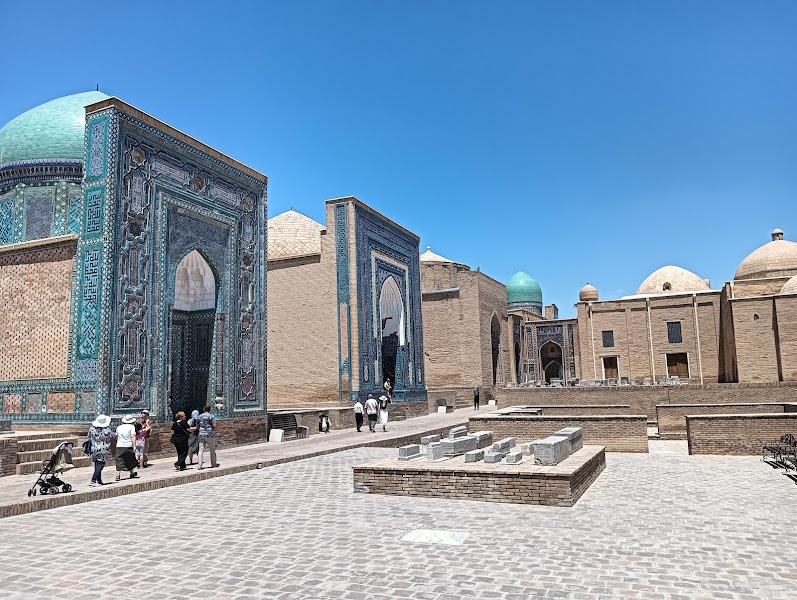
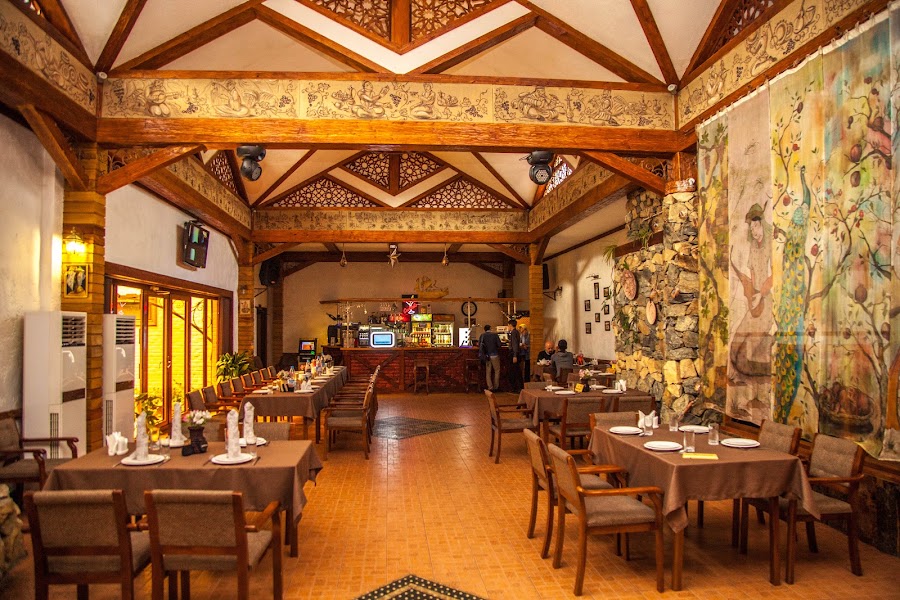
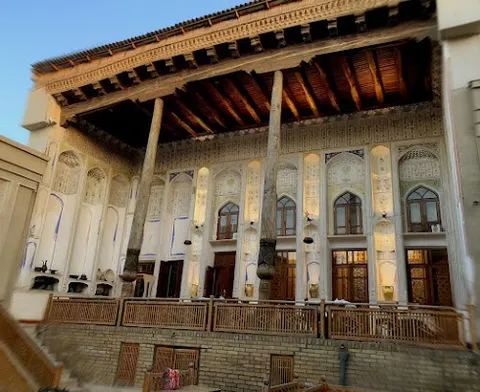
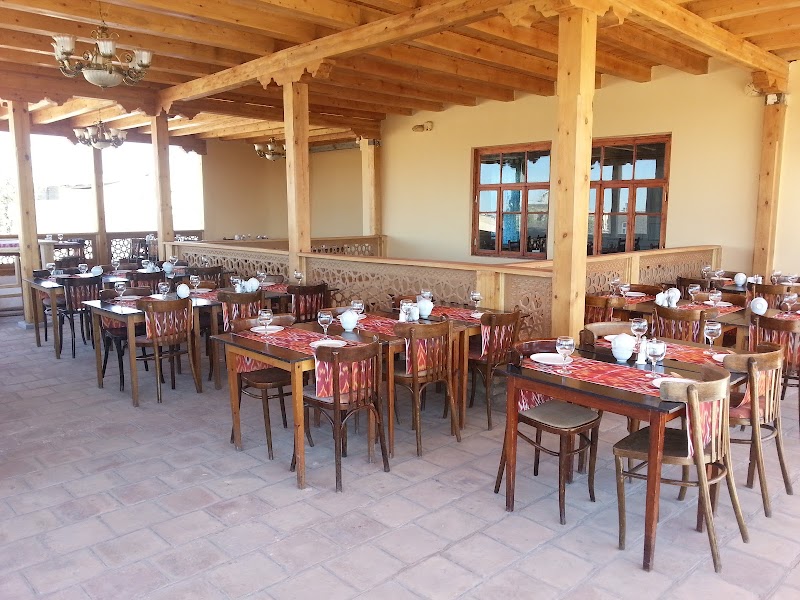
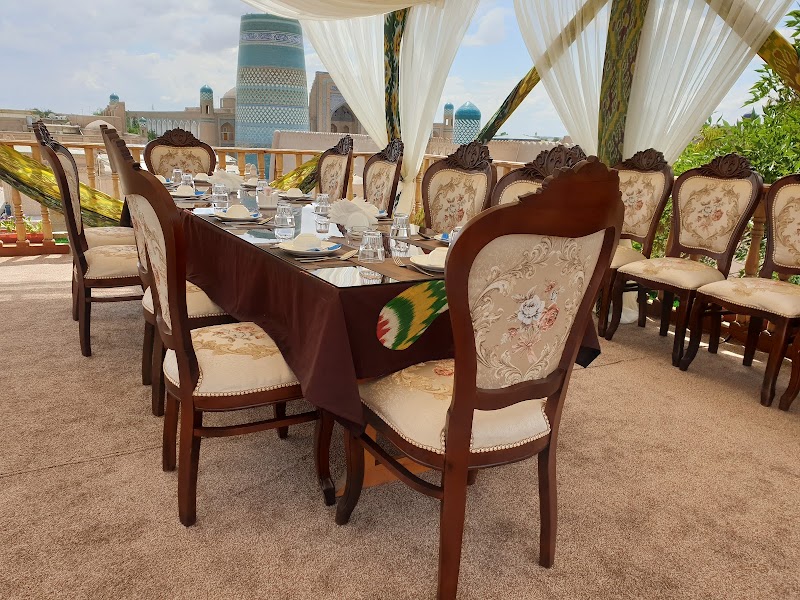
Where to Eat

Show 1 more
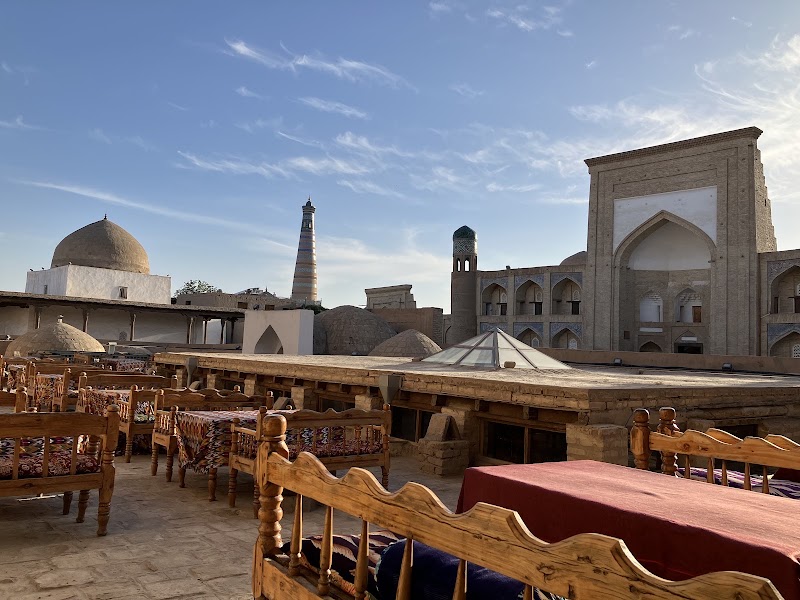
Nearby and similar drives
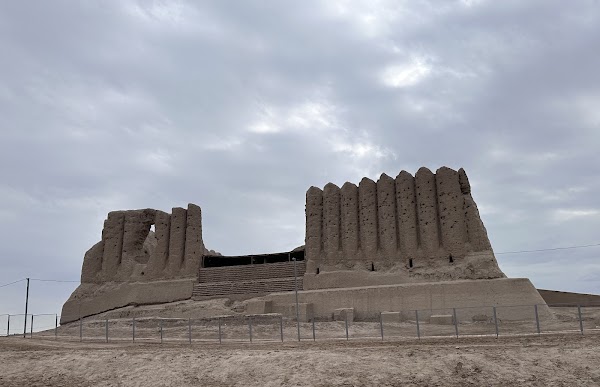
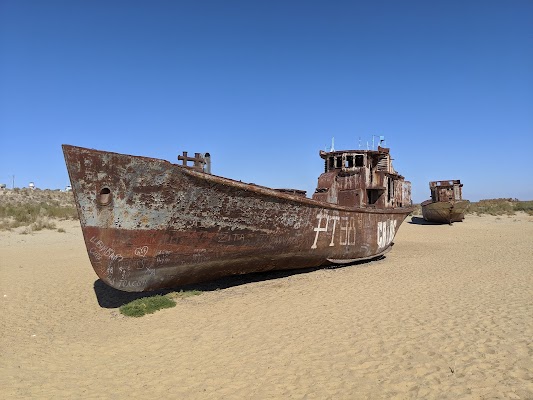
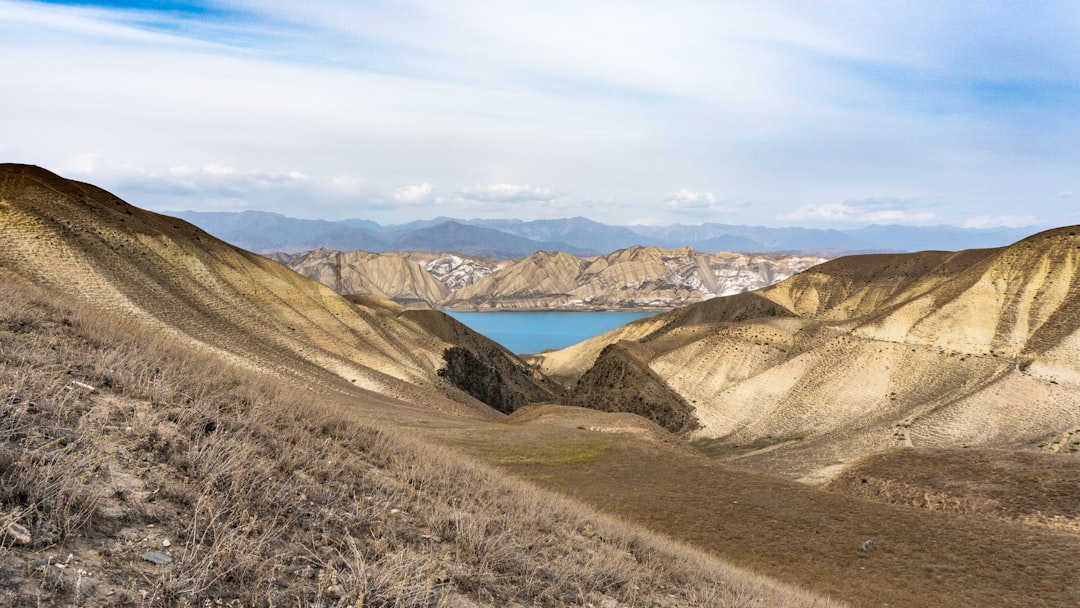
Frequently asked questions
How long is the Uzbekistan's Silk Road drive?
The Uzbekistan's Silk Road covers Approximately 1,250 km from start to finish.
How long does the Uzbekistan's Silk Road take to drive?
Most travellers spend 9–10 days on the Uzbekistan's Silk Road, depending on stops and pace.
When is the best time to drive the Uzbekistan's Silk Road?
The recommended season for the Uzbekistan's Silk Road is Apr–Jun, Sep–Nov.
Where does the Uzbekistan's Silk Road start and end?
The Uzbekistan's Silk Road runs from Tashkent to Khiva.
What are the main stops on the Uzbekistan's Silk Road?
The Uzbekistan's Silk Road passes through Tashkent, Samarkand, Shakhrisabz.
How difficult is the Uzbekistan's Silk Road to drive?
The Uzbekistan's Silk Road is rated easy and is best handled with any vehicle.
Can I drive the Uzbekistan's Silk Road in a regular car?
Yes — the Uzbekistan's Silk Road is paved end-to-end and a regular car is fine in normal conditions.
How many fuel stops are needed on the Uzbekistan's Silk Road?
Plan around 2 refuels (or about 4 EV charges) along the Uzbekistan's Silk Road, based on its Approximately 1,250 km length.
Is the Uzbekistan's Silk Road safe to drive?
Main intercity roads are paved, but city traffic, speed controls and roadworks can lengthen transfers. The Takhtakaracha crossing to Shakhrisabz can be affected by winter weather. Avoid the hottest midday hours, top up fuel before desert stretches and reserve two sightseeing days each for Samarkand, Bukhara and Khiva. The nine-day plan is the recommended minimum; seven days is a fast version that should not be presented as equally complete.
What scenic tier is the Uzbekistan's Silk Road?
The Uzbekistan's Silk Road is a iconic drive — Iconic road trips that anchor a region's reputation — postcard scenery, headline highways, and the routes most travellers want to drive.