RoadAtlas
Fann Mountains — Tajikistan — Mountain
Central Asia

Fann Mountains

Tajikistan

In short: Fann Mountains is a 220 km mountain road trip in Tajikistan, typically driven over 2-3 days, best in June to September. Highlights: Penjikent, Sarazm Archaeological Site, Ayni.

Distance
220 km
Duration
2-3 days
Best Season
June to September
IconicModerate4WD onlyMountain

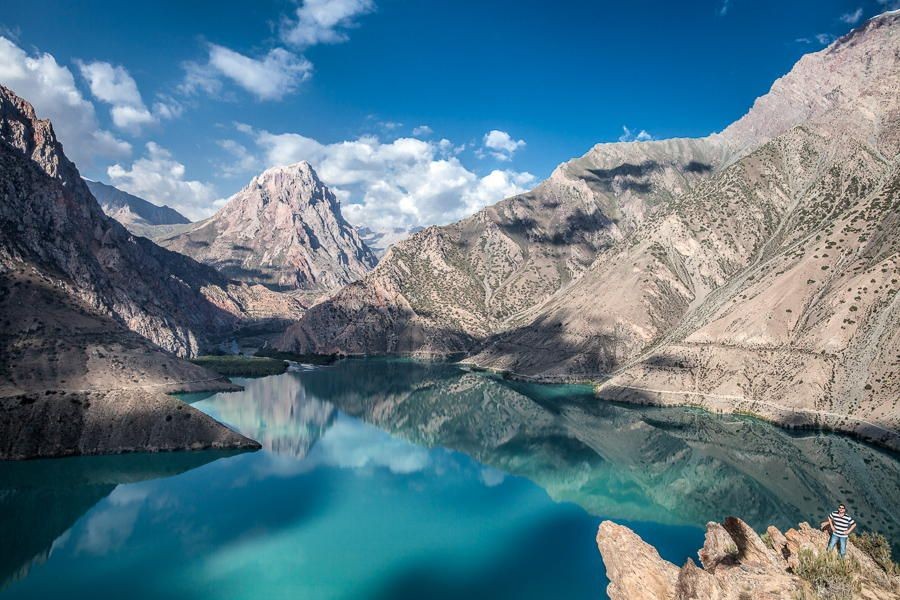
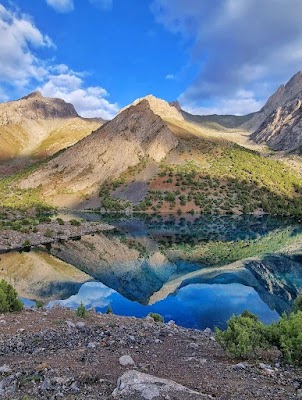
This classic Tajik mountain drive follows the Zeravshan Valley from Penjikent into the high country around the Fann Mountains, where turquoise lakes, limestone walls, and apricot orchards crowd the road. Expect rough but spectacular driving, alpine viewpoints, and easy access to trailheads and village guesthouses.

Practical notes
Roads are mountain highways with steep grades, rough surfaces, and occasional washouts after rain or snowmelt. Fuel and services are limited outside major settlements, so start with a full tank and carry water and cash.
Explore on the interactive map →

Plan this trip

Third-party planning links may be affiliate links. RoadAtlas stays independent, and you should verify details with the provider.

Stops along the route

Penjikent — Departure — Fann Mountains — Tajikistan
Departure
Penjikent
Old Silk Road city with bazaar energy and easy mountain access. A practical launch point for the Fann road.
Hotels
Ayni — City — Fann Mountains — Tajikistan
City
Ayni
Small valley town where the road tightens into the mountains. Good place to refuel, rest, and grab snacks.
Hotels
Artuch Base Camp — City — Fann Mountains — Tajikistan
City
Artuch Base Camp
Trailhead hub for trekkers heading deeper into the Fann Mountains. Guesthouses and campsites make it an easy overnight.
Iskanderkul Lake — Arrival — Fann Mountains — Tajikistan
Arrival
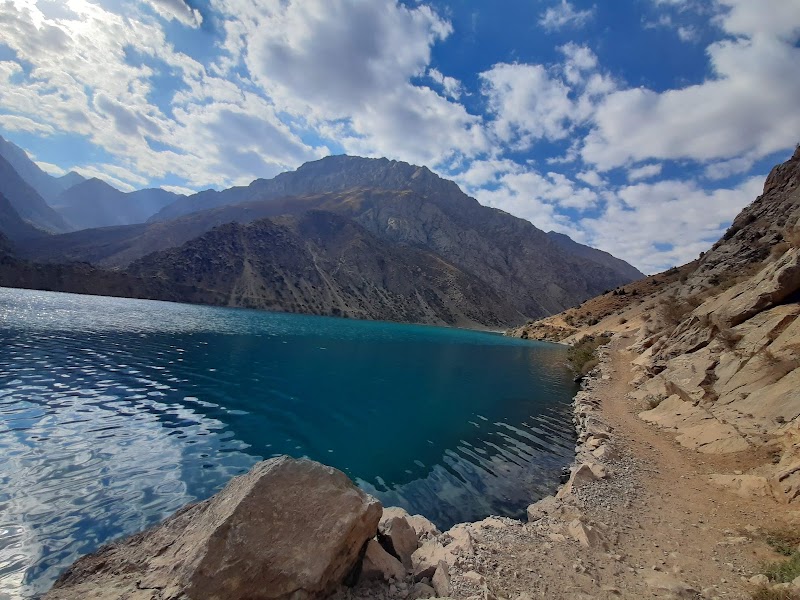
Iskanderkul Lake
Iconic turquoise lake ringed by high peaks and rugged cliffs. A grand finale with waterfalls, viewpoints, and cool alpine air.
Hotels

Things to Do

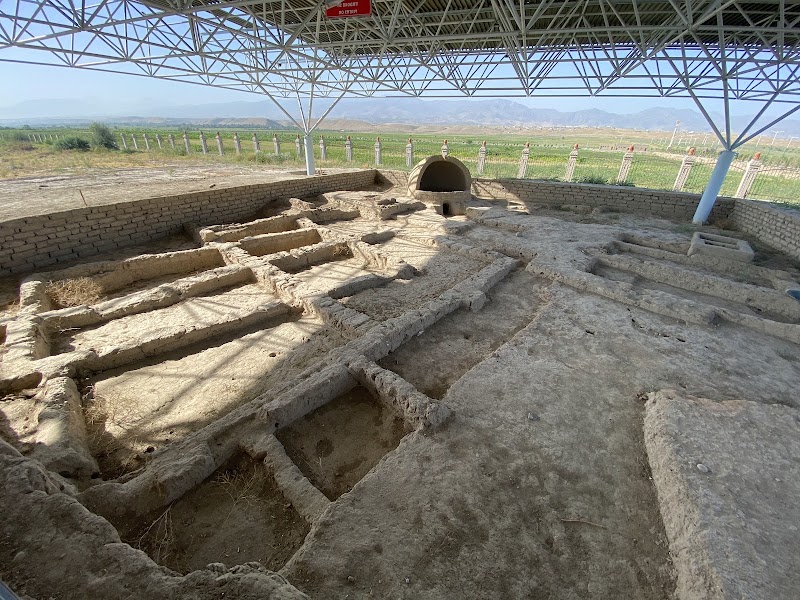
Sarazm Archaeological Site — Landmark — Fann Mountains — Tajikistan
Landmark
Sarazm Archaeological Site
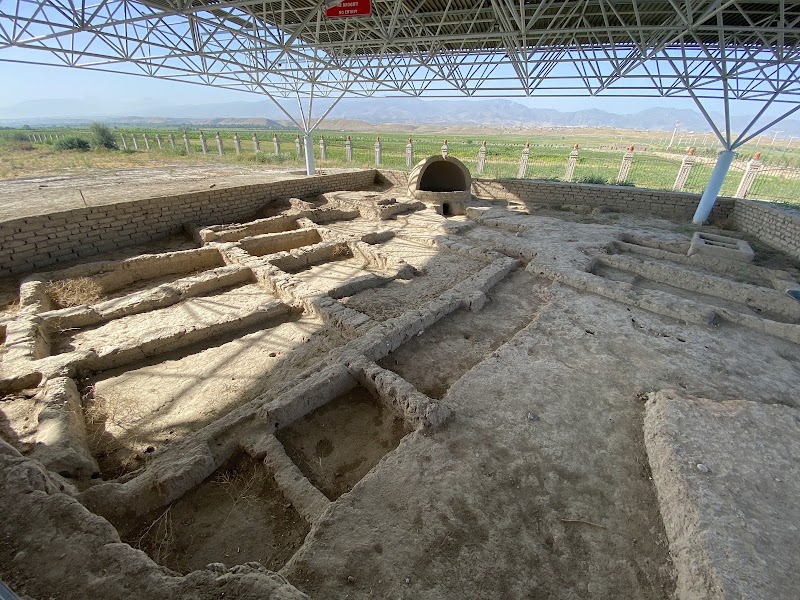
UNESCO ruins beside the road west of town. Bronze Age walls and artifacts add a quick culture stop.
Zeravshan Valley — Nature — Fann Mountains — Tajikistan
Nature
Zeravshan Valley
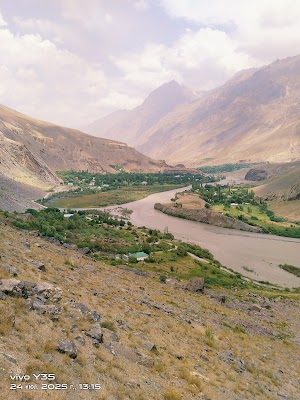
Wide river valley framed by dry peaks and orchard villages. The drive here is all switchbacks, cliffs, and big views.
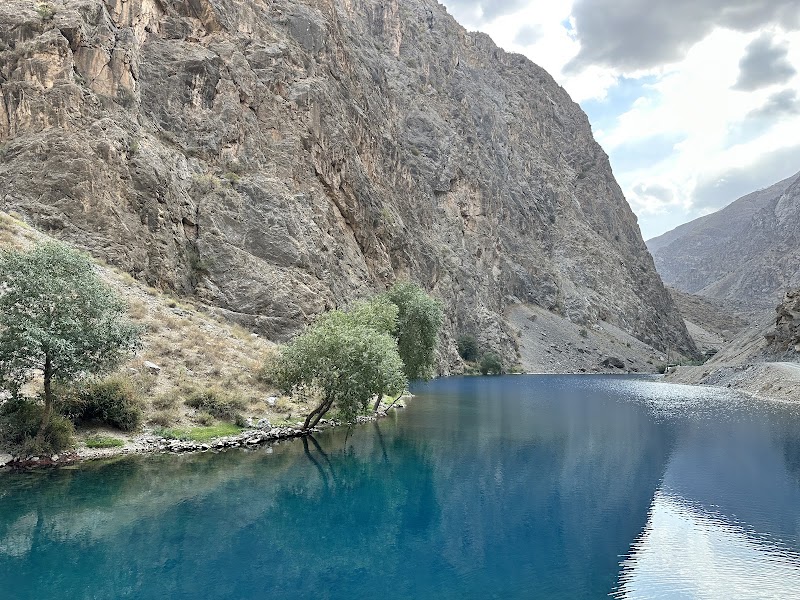
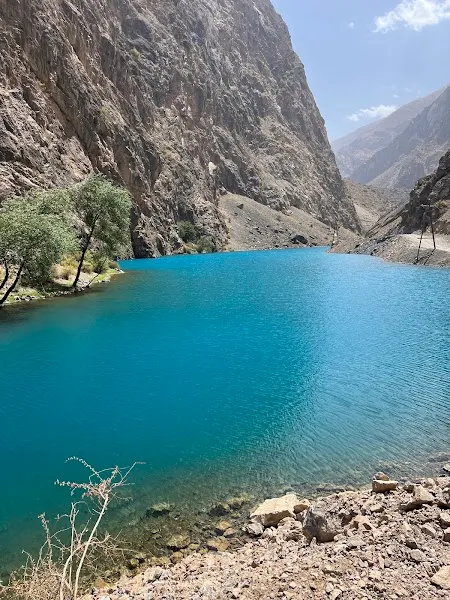
Seven Lakes — Nature — Fann Mountains — Tajikistan
Nature
Seven Lakes
A string of bright alpine lakes tucked into a steep side valley. Each bend reveals another color of water and rock.
Marguzor Lake — Nature — Fann Mountains — Tajikistan
Nature
Marguzor Lake
One of the most photogenic lakes in the Seven Lakes chain. Calm water and sheer slopes make it a classic stop.
Kulikalon Lakes — Nature — Fann Mountains — Tajikistan
Nature
Kulikalon Lakes
High mountain lakes below limestone walls and grazing meadows. A favorite base for hikes and overnight camping.
Visit Sarazm Archaeological Site — history — Fann Mountains — Tajikistan
history
Visit Sarazm Archaeological Site
Walk among the remains of one of Central Asia's oldest settlements. The site gives the route a strong pre-road history stop.
Explore the Seven Lakes — scenic drive — Fann Mountains — Tajikistan
scenic drive
Explore the Seven Lakes
Drive the narrow road past a chain of vividly colored lakes. Stop often for photos, short walks, and village views.
Hike around Kulikalon Lakes — hiking — Fann Mountains — Tajikistan
hiking
Hike around Kulikalon Lakes
Take an easy-to-moderate alpine hike beneath dramatic limestone peaks. The area is ideal for day walks or an overnight camp.
Base at Artuch for trekking — trekking — Fann Mountains — Tajikistan
trekking
Base at Artuch for trekking
Use Artuch as a launch point for higher Fann Mountains routes. It is a practical place to arrange guides, porters, or lodging.
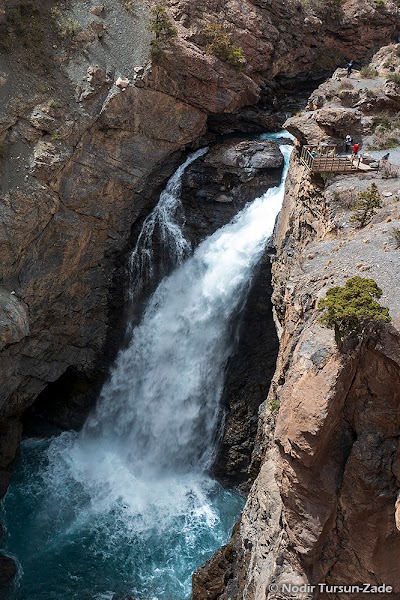
Stop at Iskanderkul waterfall — nature — Fann Mountains — Tajikistan
nature
Stop at Iskanderkul waterfall
Watch the river drop from the lake into a rocky gorge. The short walk is a classic add-on to the lake visit.

Where to Eat

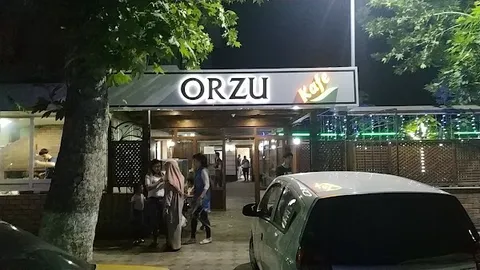
Cafe Orzu — Tajik — Fann Mountains — Tajikistan
Tajik
Cafe Orzu
Simple local meals and tea in Penjikent. A good place to start with plov, soups, and fresh bread.
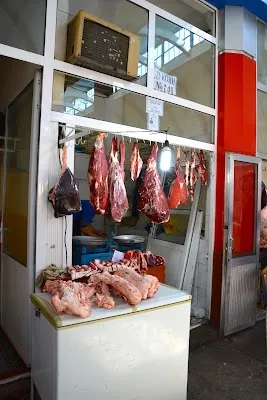
Panjshanbe Bazaar — market food — Fann Mountains — Tajikistan
market food
Panjshanbe Bazaar
Busy market stalls with fruit, nuts, samsa, and bread. Great for picnic supplies before heading into the mountains.
Ayni Bazaar — Tajik — Fann Mountains — Tajikistan
Tajik
Ayni Bazaar
Roadside snacks and village staples in the main valley town. Look for hot tea, flatbread, and simple grilled kebabs.
Seven Lakes Guesthouse — home cooking — Fann Mountains — Tajikistan
home cooking
Seven Lakes Guesthouse
Homestyle meals near the lakes and trail access. Expect laghman, soups, and seasonal produce from nearby villages.

Explore related routes

Nearby and similar drives

Frequently asked questions

How long is the Fann Mountains drive?

The Fann Mountains covers 220 km from start to finish.

How long does the Fann Mountains take to drive?

Most travellers spend 2-3 days on the Fann Mountains, depending on stops and pace.

When is the best time to drive the Fann Mountains?

The recommended season for the Fann Mountains is June to September.

Where does the Fann Mountains start and end?

The Fann Mountains runs from Penjikent to Iskanderkul Lake.

What are the main stops on the Fann Mountains?

The Fann Mountains passes through Penjikent, Sarazm Archaeological Site, Ayni.

How difficult is the Fann Mountains to drive?

The Fann Mountains is rated moderate and is best handled with 4wd only.

Do I need a 4WD for the Fann Mountains?

Yes — the Fann Mountains includes off-road or rough sections that require 4wd only.

Is the Fann Mountains safe to drive?

Roads are mountain highways with steep grades, rough surfaces, and occasional washouts after rain or snowmelt. Fuel and services are limited outside major settlements, so start with a full tank and carry water and cash.

What scenic tier is the Fann Mountains?

The Fann Mountains is a iconic drive — Iconic road trips that anchor a region's reputation — postcard scenery, headline highways, and the routes most travellers want to drive.