
Circuit of Mallorca
Spain
In short: Circuit of Mallorca is a 300 km scenic road trip in Spain, typically driven over 3 days, best in April – October. Highlights: Palma, Sóller Valley, Serra de Tramuntana.
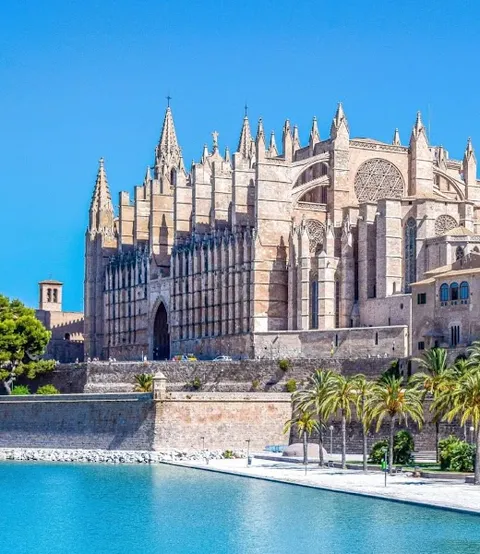
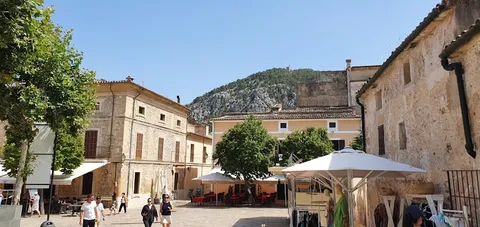
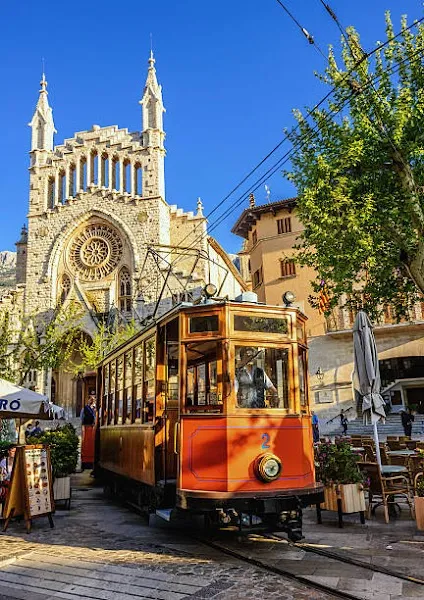
A full loop around the Mediterranean's most beautiful island, southwest from Palma through Palmanova to Sóller's mountain village in the Serra de Tramuntana, east through Sa Pobla and the flat grape-growing Manacor plains to the east coast beaches, then back to Palma. Six Endesa EV charging stations make it Spain's smoothest electric island loop.
Make this route yours
Set your dates, pace, and taste, and RoadAtlas AI rebuilds this trip day by day with real, verified places.
Included with Traveler and Explorer plans.
Plan this trip
Third-party planning links may be affiliate links. RoadAtlas stays independent, and you should verify details with the provider.
Day-by-day itinerary
Day 1Palma via Valldemossa and Deià to Sóller
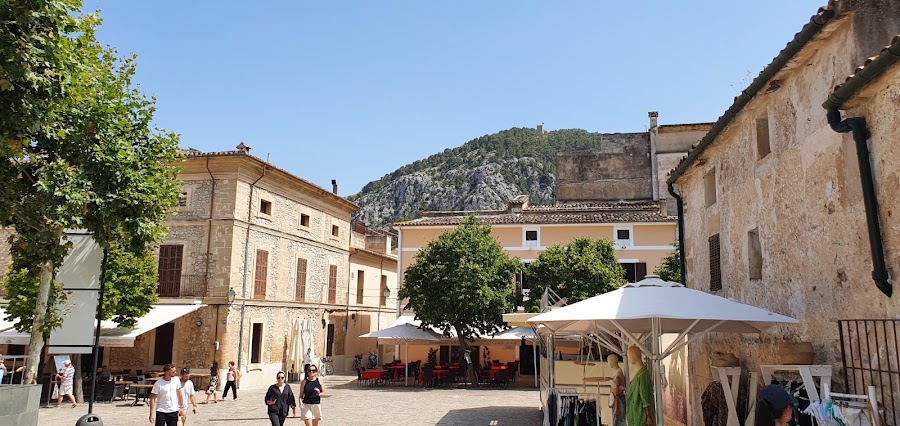
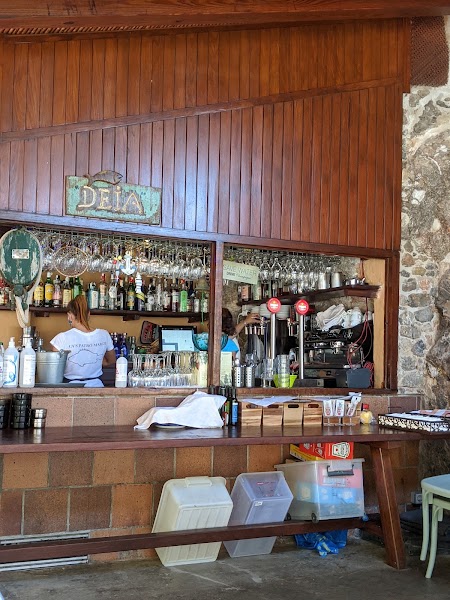
Valldemossa and Deià · Sóller and Port de Sóller · Ca's Patró March
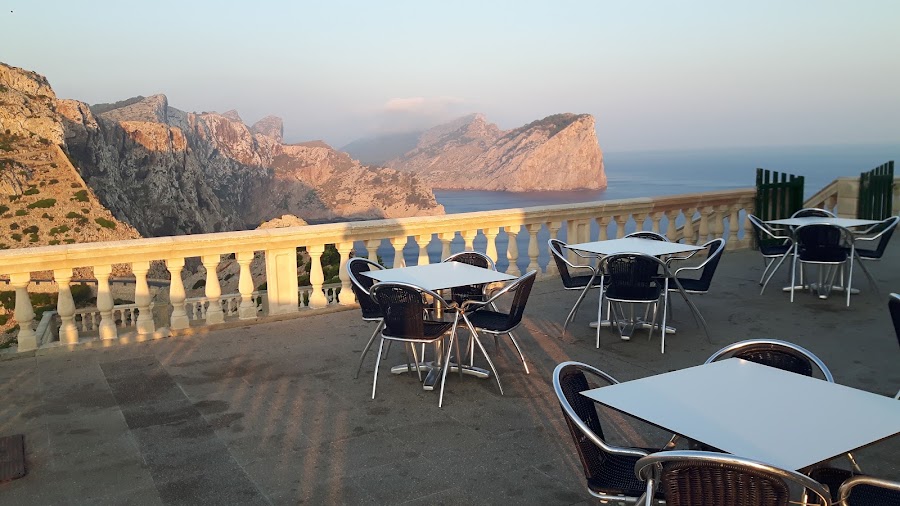
Day 2Pollença and Formentor by the authorized 2026 transport plan
Pollença old town · Formentor lighthouse shuttle excursion · Celler El Molí
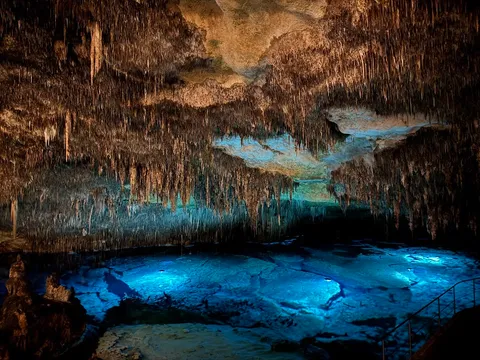
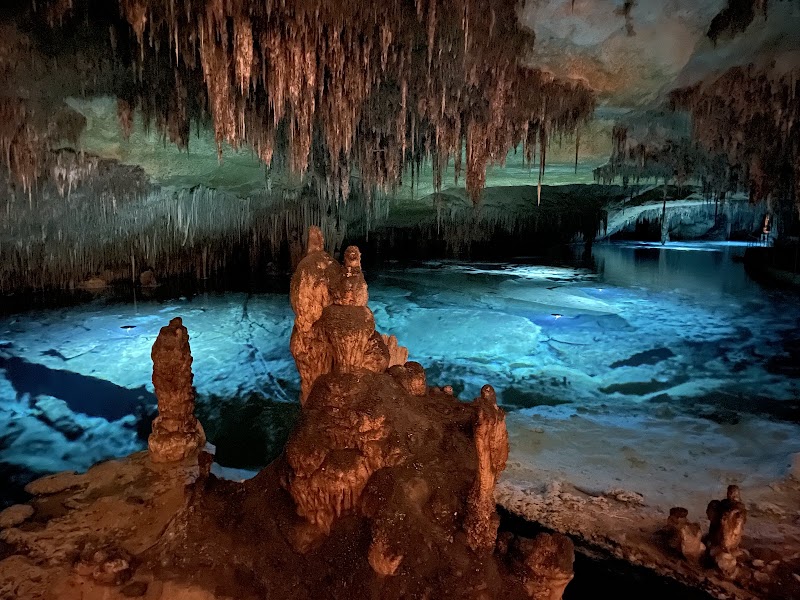
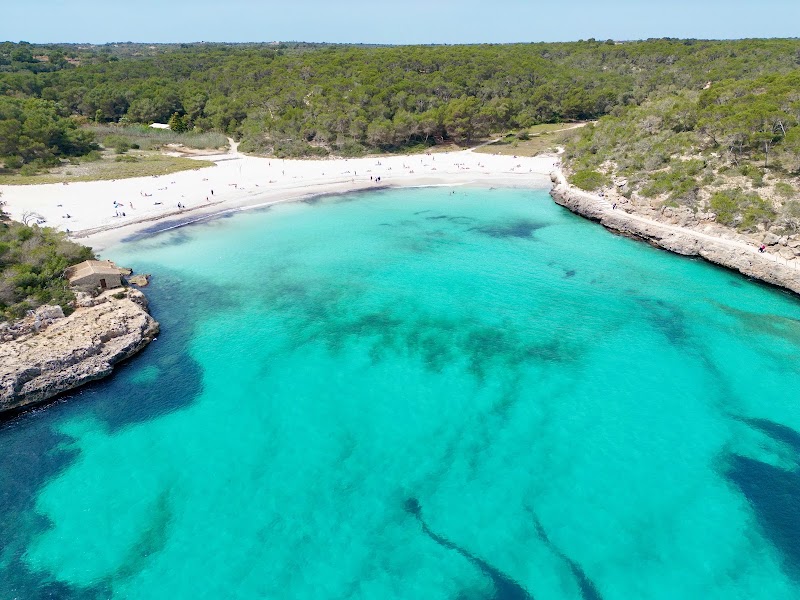
Day 3Morning Drach Caves, Mondragó and return to Palma
Prebooked Drach Caves · Mondragó Natural Park · Sa Fonda
Stops along the route
Things to Do
Show 3 more
Where to Eat
Nearby and similar drives
Frequently asked questions
How long is the Circuit of Mallorca drive?
The Circuit of Mallorca covers 300 km from start to finish.
How long does the Circuit of Mallorca take to drive?
Most travellers spend 3 days on the Circuit of Mallorca, depending on stops and pace.
When is the best time to drive the Circuit of Mallorca?
The recommended season for the Circuit of Mallorca is April – October.
Where does the Circuit of Mallorca start and end?
The Circuit of Mallorca runs from Palma to Palma (return).
What are the main stops on the Circuit of Mallorca?
The Circuit of Mallorca passes through Palma, Sóller Valley, Serra de Tramuntana.
How difficult is the Circuit of Mallorca to drive?
The Circuit of Mallorca is rated moderate and is best handled with any vehicle.
Can I drive the Circuit of Mallorca in a regular car?
Yes — the Circuit of Mallorca is paved end-to-end and a regular car is fine in normal conditions.
How many fuel stops are needed on the Circuit of Mallorca?
Plan around 0 refuels (or about 1 EV charges) along the Circuit of Mallorca, based on its 300 km length.
Is the Circuit of Mallorca EV friendly?
Yes — the Circuit of Mallorca has charger coverage along the route and works as an EV road trip.
Is the Circuit of Mallorca safe to drive?
Day 1 is the driving variant through Valldemossa, Deià and Sóller; it does not also promise the return Palma–Sóller heritage train. The Ma-11 tunnel is free and is the easier crossing; Ma-11A over Coll de Sóller is a slower scenic alternative only for confident drivers in current conditions. From 15 May through 18 October 2026, 10:00–22:00, private motor vehicles are restricted on the Formentor road: use the official parking/bus plan at https://formentor.conselldemallorca.es/en and call the lighthouse visit a shuttle excursion during those hours. Prebook the Drach cave morning slot and choose Mondragó, not both eastern coast areas.
What scenic tier is the Circuit of Mallorca?
The Circuit of Mallorca is a iconic drive — Iconic road trips that anchor a region's reputation — postcard scenery, headline highways, and the routes most travellers want to drive.