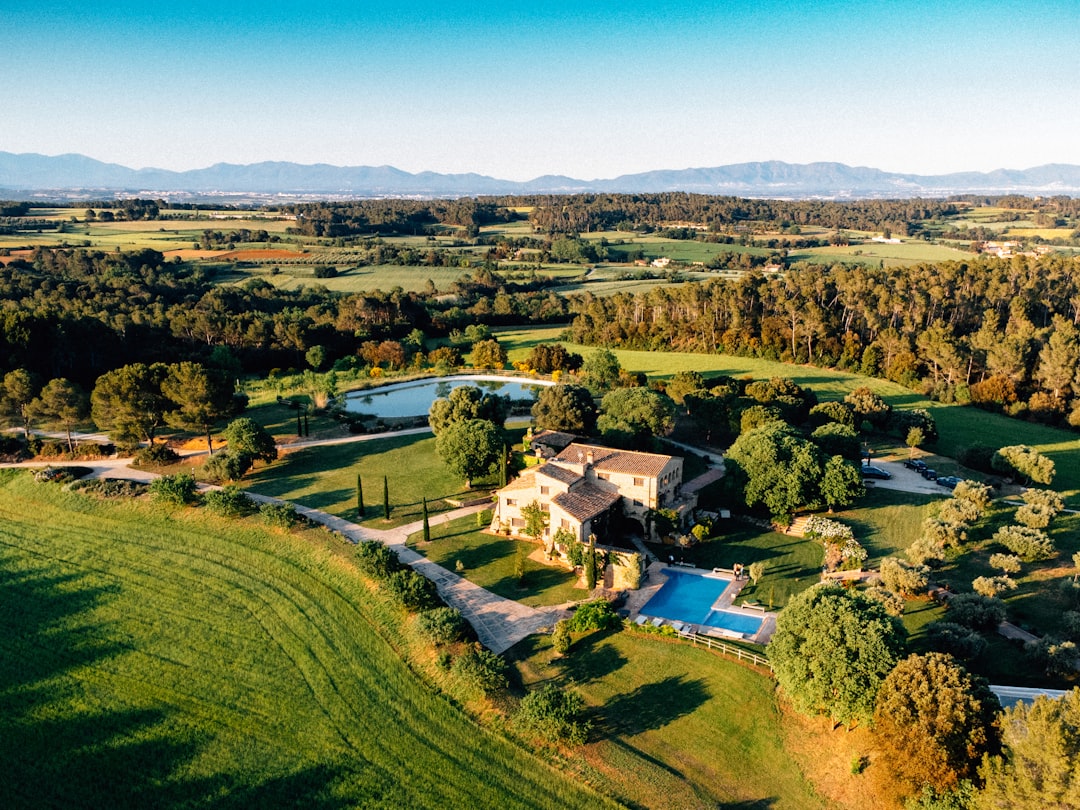
Catalan Pyrenees: Olot-to-Les Angles Traverse
Spain
In short: Catalan Pyrenees: Olot-to-Les Angles Traverse is a About 220 km mountain road trip in Spain, typically driven over 3 days, best in Summer / Winter. Highlights: Olot, Castellfollit de la Roca, Ripoll.
A three-day Olot-to-Les Angles traverse with a dedicated Vall de Núria rail-and-walk day and a separate N-260/Collada de Toses crossing.
Make this route yours
Set your dates, pace, and taste, and RoadAtlas AI rebuilds this trip day by day with real, verified places.
Included with Traveler and Explorer plans.
Plan this trip
Third-party planning links may be affiliate links. RoadAtlas stays independent, and you should verify details with the provider.
Day-by-day itinerary
Day 1Olot via Castellfollit and Sant Joan to Ripoll
Castellfollit basalt cliff · Sant Joan monastery and Ripoll · Restaurant La Deu
Day 2Dedicated Vall de Núria day from Ribes / Queralbs
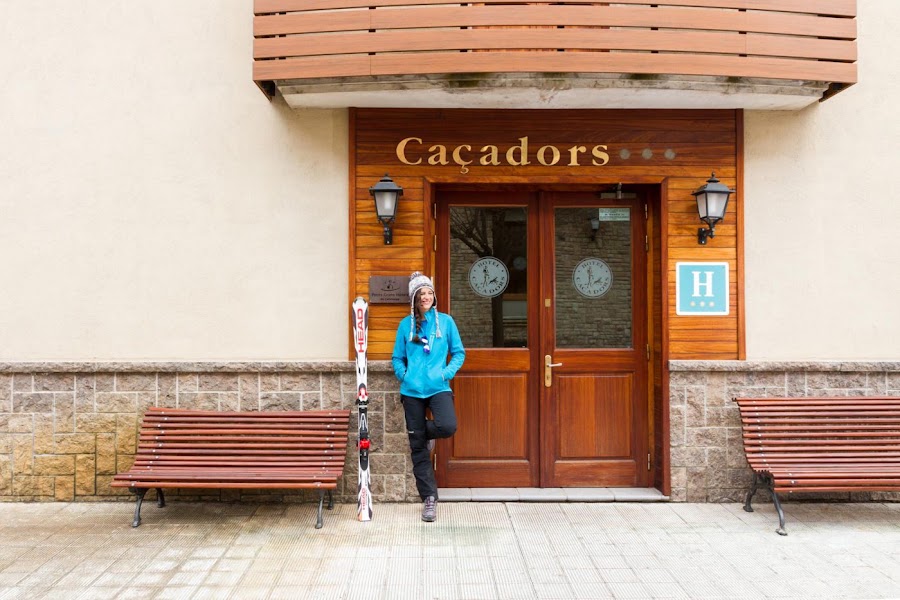
Vall de Núria rack railway and marked walk · Els Caçadors de Ribes
Day 3Ribes over Collada de Toses to Puigcerdà, Llívia and Les Angles
N-260 and Collada de Toses · Puigcerdà and Llívia · Can Ventura
Stops along the route
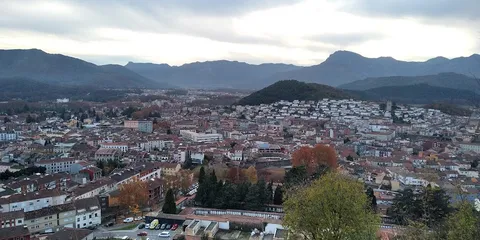
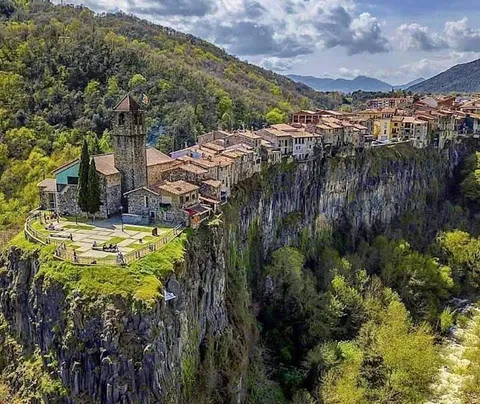
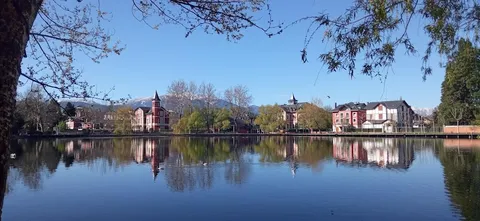
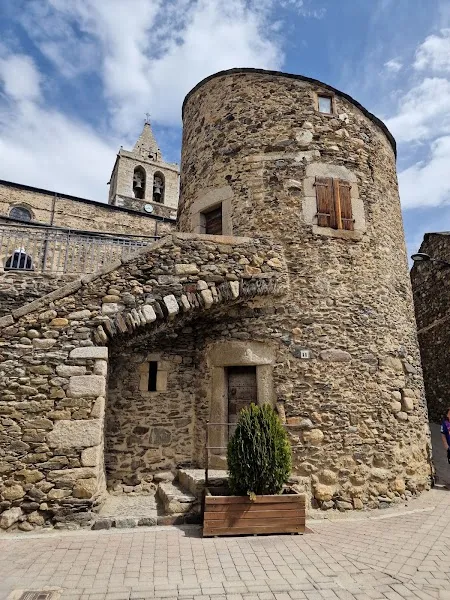
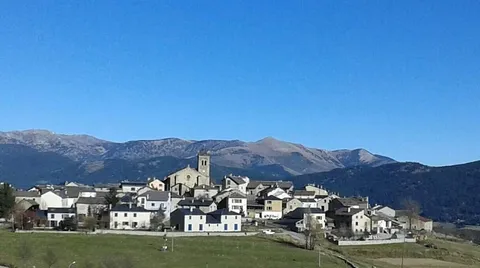
Things to Do
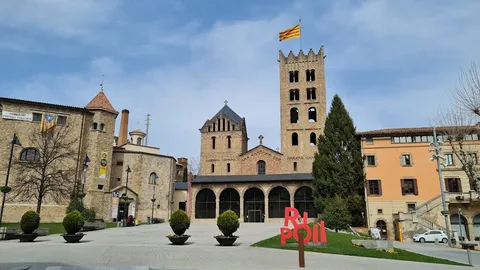
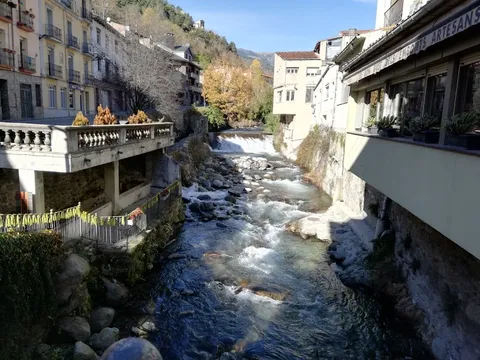
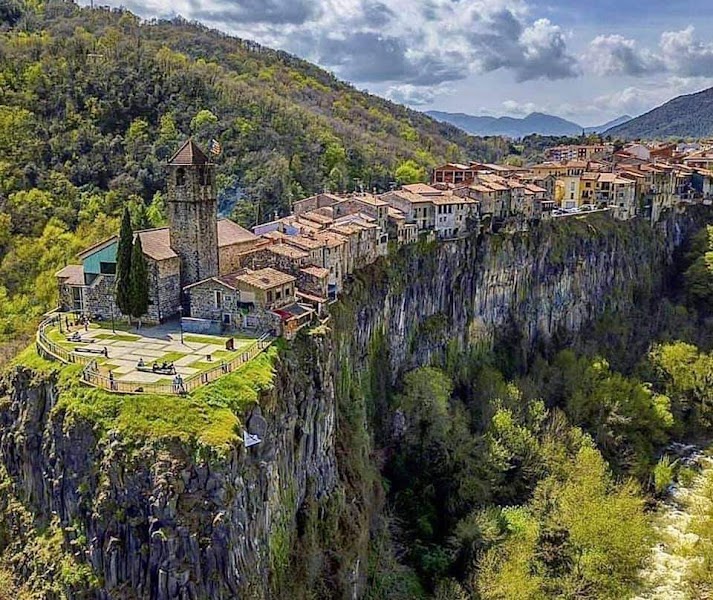
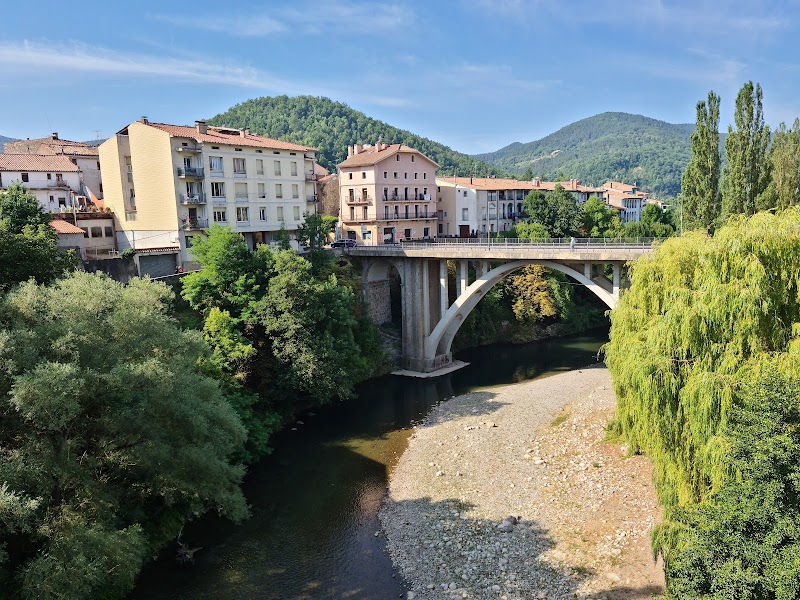
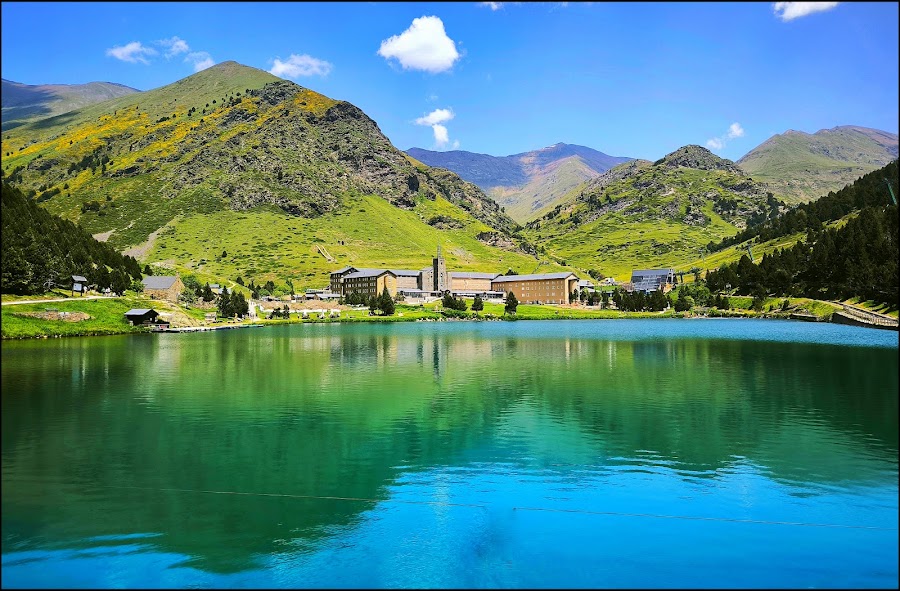
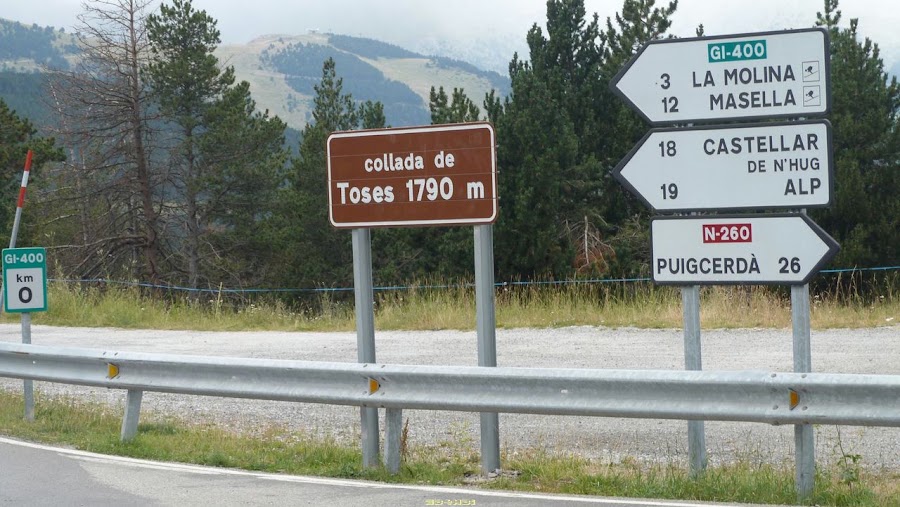
Show 1 more
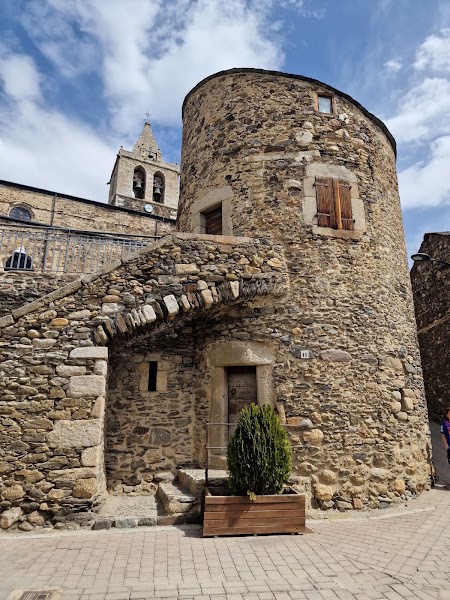
Where to Eat
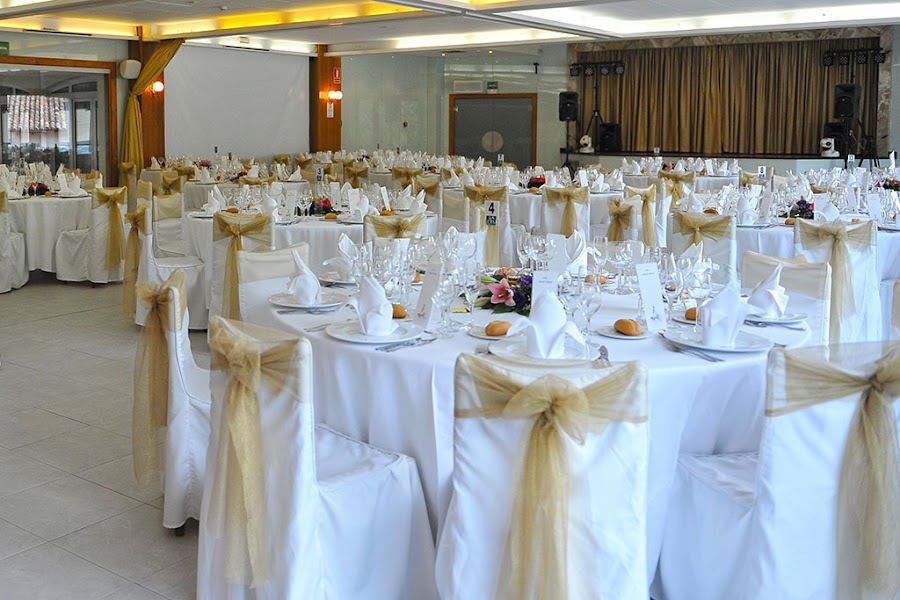
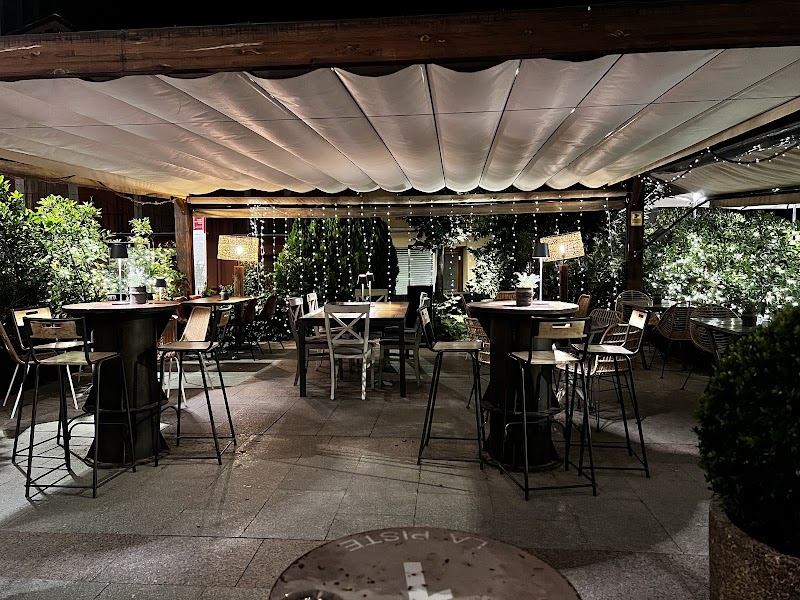
Nearby and similar drives
Frequently asked questions
How long is the Catalan Pyrenees: Olot-to-Les Angles Traverse drive?
The Catalan Pyrenees: Olot-to-Les Angles Traverse covers About 220 km from start to finish.
How long does the Catalan Pyrenees: Olot-to-Les Angles Traverse take to drive?
Most travellers spend 3 days on the Catalan Pyrenees: Olot-to-Les Angles Traverse, depending on stops and pace.
When is the best time to drive the Catalan Pyrenees: Olot-to-Les Angles Traverse?
The recommended season for the Catalan Pyrenees: Olot-to-Les Angles Traverse is Summer / Winter.
Where does the Catalan Pyrenees: Olot-to-Les Angles Traverse start and end?
The Catalan Pyrenees: Olot-to-Les Angles Traverse runs from Olot to Les Angles.
What are the main stops on the Catalan Pyrenees: Olot-to-Les Angles Traverse?
The Catalan Pyrenees: Olot-to-Les Angles Traverse passes through Olot, Castellfollit de la Roca, Ripoll.
How difficult is the Catalan Pyrenees: Olot-to-Les Angles Traverse to drive?
The Catalan Pyrenees: Olot-to-Les Angles Traverse is rated moderate and is best handled with any vehicle.
Can I drive the Catalan Pyrenees: Olot-to-Les Angles Traverse in a regular car?
Yes — the Catalan Pyrenees: Olot-to-Les Angles Traverse is paved end-to-end and a regular car is fine in normal conditions.
Do I need a permit or border paperwork for the Catalan Pyrenees: Olot-to-Les Angles Traverse?
Yes — the Catalan Pyrenees: Olot-to-Les Angles Traverse requires permits, fees, or border paperwork. Plan ahead: This is a one-way cross-border traverse, not a loop. Day 3 follows the N-260 over Collada de Toses through Puigcerdà/Llívia to Les Angles. There is normally no routine internal-border stop, but every traveller must carry valid documents and obey temporary controls. From 1 November through 31 March, check the French prefectural commune list and comply with mandatory mountain-equipment rules; check Spanish/French road, snow and weather status before both mountain days.
Is the Catalan Pyrenees: Olot-to-Les Angles Traverse EV friendly?
Yes — the Catalan Pyrenees: Olot-to-Les Angles Traverse has charger coverage along the route and works as an EV road trip.
Is the Catalan Pyrenees: Olot-to-Les Angles Traverse safe to drive?
This is a one-way cross-border traverse, not a loop. Day 3 follows the N-260 over Collada de Toses through Puigcerdà/Llívia to Les Angles. There is normally no routine internal-border stop, but every traveller must carry valid documents and obey temporary controls. From 1 November through 31 March, check the French prefectural commune list and comply with mandatory mountain-equipment rules; check Spanish/French road, snow and weather status before both mountain days.
What scenic tier is the Catalan Pyrenees: Olot-to-Les Angles Traverse?
The Catalan Pyrenees: Olot-to-Les Angles Traverse is a notable drive — Notable scenic drives — strong character routes that locals know well and that reward travellers willing to step beyond the most-photographed roads.