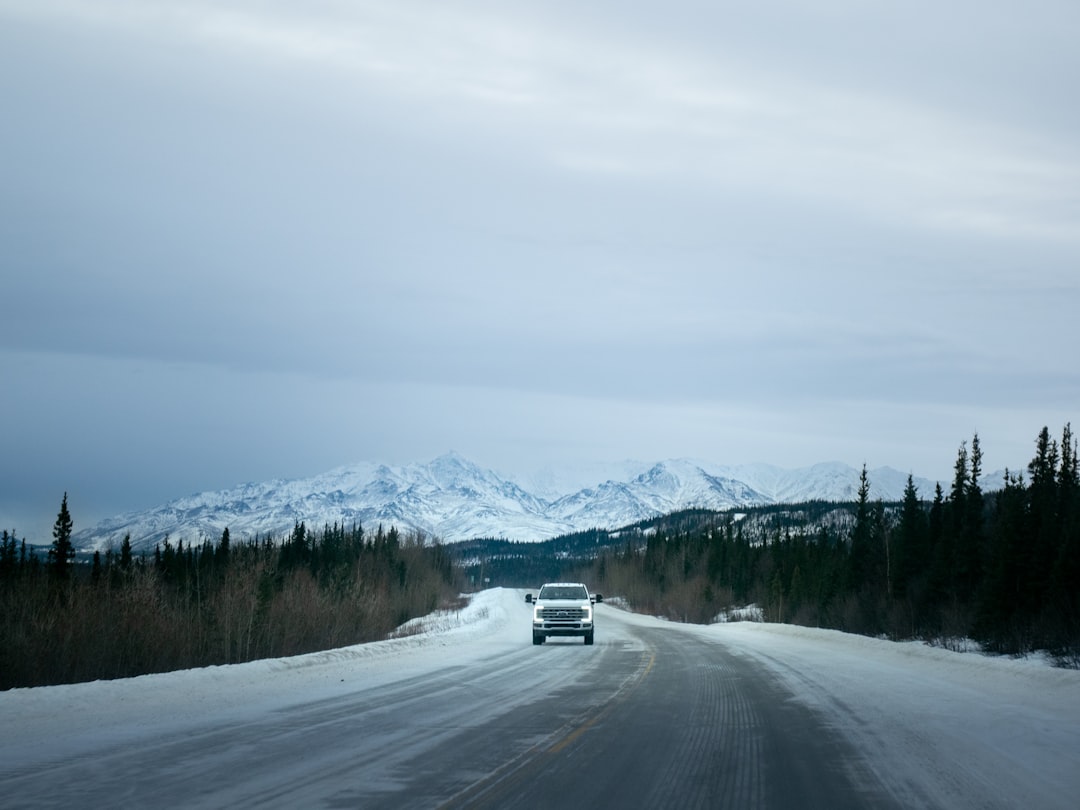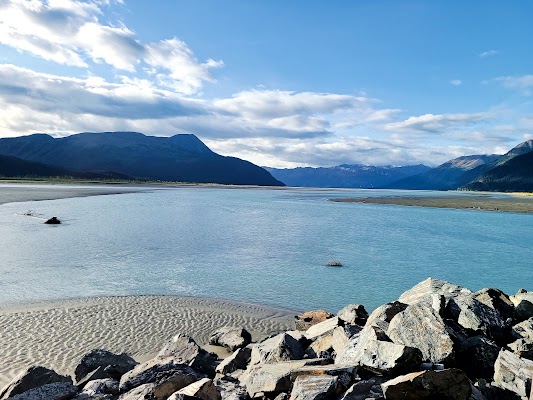
The Seward Highway is a 125 mile (202 km) scenic drive from Anchorage to Seward, tracing the tidal Turnagain Arm past glacier-capped peaks before dropping onto Alaska's Kenai Peninsula. You can drive it in a long day, but the beluga whales, hanging glaciers, and roadside trails reward a slower pace and an overnight in Seward. Here is exactly where to stop, when to go, and how to drive it well.
The Seward Highway at a glance
The Seward Highway is one of Alaska's most accessible great drives, a fully paved scenic route that leaves downtown Anchorage and follows the Chugach Mountains south to the harbor town of Seward on Resurrection Bay. It is a scenic-theme route rated easy and drivable in any vehicle, yet the scenery demands so many stops that a straight transfer easily becomes a 10 to 12 hour day.
- Distance: 202 km / 125 mi, Anchorage to Seward
- Duration: one long day, or two if you add a Seward night for Kenai Fjords
- Best season: May to September
- Difficulty: easy, on paved highway the whole way
- EV friendly: yes, with charging in Anchorage, Girdwood, and Seward
Treat the drive itself as the destination. If you plan to add a Kenai Fjords cruise or the Exit Glacier trails, give Seward its own separate day rather than trying to squeeze everything into one push from Anchorage.
The best stops from Anchorage to Seward
The classic direction is south from Anchorage, which keeps Turnagain Arm on your right for the first hour and finishes at the water in Seward. Here is how the route unfolds.
| Stop | What it is | Why stop |
|---|---|---|
| Anchorage | Start, Alaska's largest city | Fuel, food, and last reliable services |
| Beluga Point | Turnagain Arm pullout | Scan the tidal flats for beluga whales |
| McHugh Creek | Roadside day-use area | Short trails and a quiet leg stretch |
| Portage Valley | Glacier-carved side valley | Wild views and frequent wildlife |
| Byron Glacier Trail | Easy walk to hanging ice | Blue glacier ice and waterfalls |
| Bird Point | Coastal overlook | Huge tides and wide Turnagain panoramas |
| Kenai Lake Overlook | Pullout above blue water | The route's best inland lake view |
| Exit Glacier | Kenai Fjords gateway | Close-up glacier trails near Seward |
| Seward | Finish, Resurrection Bay | Harbor, mountains, and fjord cruises |
Beluga Point
A classic Turnagain Arm pullout with sweeping tidal flats and mountains, Beluga Point is one of the best places on the whole drive to scan for beluga whales offshore. It is also prime Dall sheep country, so watch the rocky slopes above the road as well as the water below.
McHugh Creek Day Use Area
This forested roadside stop has creek access and a few short trails, a good place to stretch your legs before the coast opens up. It makes an easy first pause when you are barely out of Anchorage and want to shake off the city.
Portage Valley and Byron Glacier
Turn off toward Portage and the road opens into a glacier-carved valley of marshes, mountains, and frequent wildlife sightings, some of the wildest scenery on the route. From the valley, the easy Byron Glacier Trail leads toward a hanging glacier with waterfalls and blue ice. Keep well clear of ice caves and any avalanche or falling-ice terrain, which are genuinely dangerous and change with the season.
Bird Point
A famous overlook above Turnagain Arm, Bird Point delivers enormous tide movements and wide coastal panoramas, a reliable photo stop on a clear day. It is one of the spots where you can watch the bore tide push up the arm as the water turns.
Kenai Lake Overlook
As the highway leaves the coast for the Kenai Peninsula, this pullout sits above bright blue Kenai Lake, ringed by mountains. It is the strongest inland view of the drive and a fine place to feel how quickly Alaska's scenery changes.
Exit Glacier and Seward
Near the finish, the Exit Glacier Nature Center is the gateway to Kenai Fjords National Park and the best place on the route for a close-up glacier walk. Confirm seasonal access before you go, as opening dates shift year to year. The road then drops into Seward at the edge of Resurrection Bay, where the harbor, mountains, and glacier cruises make a fitting end.
When to drive the Seward Highway
Aim for May through September. That is the window when the road is clear, the trails are open, daylight stretches long into the evening, and wildlife is active along Turnagain Arm and in Portage Valley. Midsummer brings the longest days and the best odds for Exit Glacier and Kenai Fjords access, while September adds a first touch of autumn color to the mountains.
Outside that window the highway stays open but conditions get serious, with snow, ice, and avalanche risk in the passes. Whatever the month, check Alaska 511 and current National Park Service conditions immediately before you set out, because weather here moves fast.
Driving tips for the Seward Highway
This is an easy paved drive, but a few Alaska-specific things are worth knowing:
- Never walk onto the mudflats. Turnagain Arm's tidal flats look solid and are not. The mud behaves like quicksand and the tides come in fast, so admire the arm from the pullouts and stay on firm ground.
- Budget for stops. With Beluga Point, Portage Valley, and the overlooks, plan on 10 to 12 hours if you want to actually see the route rather than just drive it.
- Give Seward its own day. A Kenai Fjords cruise or the Exit Glacier trails deserve a full separate day, not a rushed afternoon after the drive down.
- Respect glacier terrain. At Byron Glacier, stay out of ice caves and away from avalanche and falling-ice zones. They are unpredictable and have caused serious accidents.
For more coastal and mountain scenery in this spirit, browse our scenic coastal drives collection, or set the Seward Highway against the epic, week-long Alaska Highway if you want the full frontier road trip.
Where to eat along the way
Anchorage and Seward bookend the drive with easy Alaska food. In Anchorage, the Middle Way Cafe is a popular breakfast and coffee stop before you head south, and the Rustic Goat serves hearty plates with local seafood for an early lunch. If you detour toward Girdwood mid-route, the Girdwood Brewing Company is a relaxed break with beer and pub food. In Seward, the Cookery is a favorite for Alaska seafood and a more polished dinner to cap the day by the harbor.
Frequently asked questions
How long does it take to drive the Seward Highway?
The 125 mile route is only about three hours of pure driving, but with Turnagain Arm pullouts, Portage Valley, and the overlooks, plan on a 10 to 12 hour day. Add a second day in Seward if you want a Kenai Fjords cruise or the Exit Glacier trails.
What is the best time of year to drive it?
May through September is ideal, when the road is clear, the trails are open, daylight is long, and wildlife is active. Always check Alaska 511 and Park Service conditions right before you leave, as weather changes quickly.
Do I need a special vehicle for the Seward Highway?
No. The highway is fully paved and rated easy, so any normal car handles it, and EVs work well with charging in Anchorage, Girdwood, and Seward. Just carry warm, waterproof layers and watch for wildlife on the road.
Can you see whales along the Seward Highway?
Yes. Turnagain Arm pullouts like Beluga Point are among the best roadside places to scan for beluga whales, especially around changing tides. Keep a safe distance and stay off the mudflats while you watch.
Is one day enough for the Seward Highway?
You can complete the drive in a day, but it is tight if you also want glacier walks or a Seward cruise. For those, spend a night in Seward and treat the Kenai Fjords side as a separate day.
Ready to plan your run down Turnagain Arm? Read the full Seward Highway route guide for stops and current advisories, then open the interactive map to build it into a wider Alaska trip.