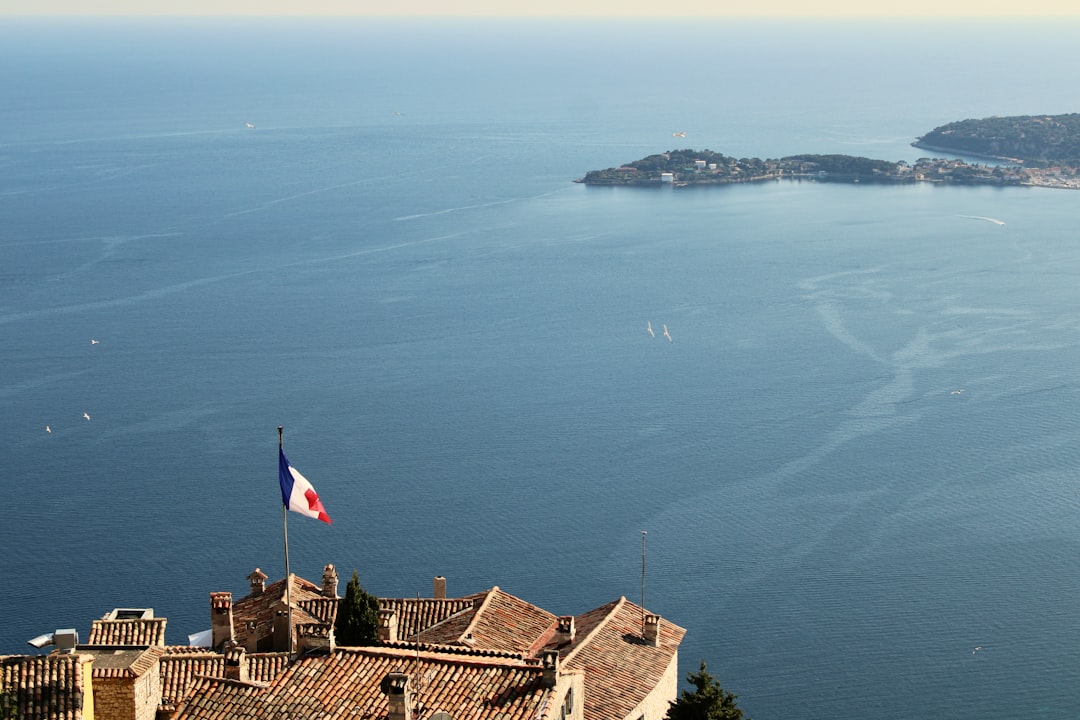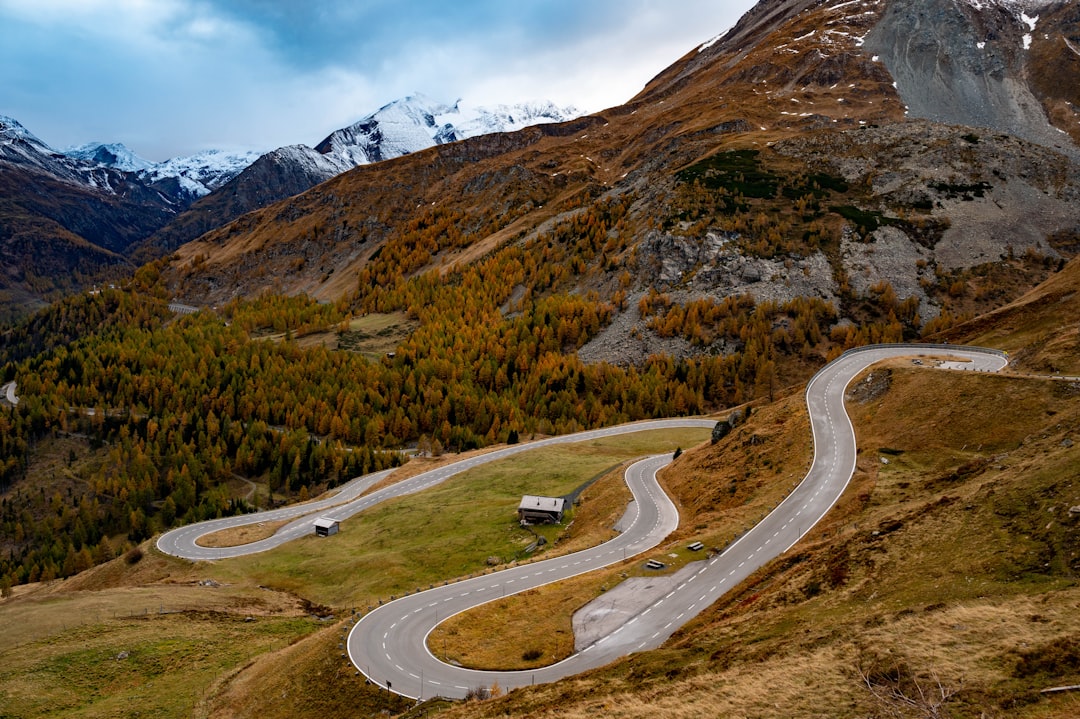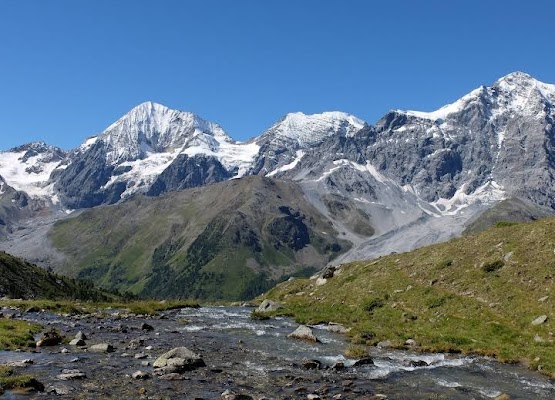
The Route des Grandes Alpes runs about 720 km from Lake Geneva to the Mediterranean, crossing 16 mountain passes over roughly seven days, and it is at its best from late June through September when every high col is reliably clear of snow. This is the great French Alpine traverse, from Thonon-les-Bains on the shores of Lake Geneva down to Menton on the Riviera, linking some of the highest sealed roads in Europe through three national parks. Here is how to drive it, day by day, and when to go.
The Route des Grandes Alpes at a glance
The Route des Grandes Alpes took almost 30 years to build, and it shows: the road was deliberately routed to chain together the finest passes in the French Alps rather than to get anywhere quickly. It climbs and drops through Vanoise, Queyras, and Mercantour national parks, with Mont Blanc filling the horizon from the opening cols. We rate it S scenic tier, the top of our catalog, and moderate in difficulty. Any car can do it, and it is EV-friendly if you plan charging around the valley towns.
At 720 km it would be a long day on a motorway. Here it is a week, because the point is the passes, the villages, and the alpine lunches, not the distance. Give it the full seven days.
| Day | Section | Signature passes | Overnight |
|---|---|---|---|
| 1 | Thonon-les-Bains to the Beaufortain | Colombière, Aravis, Saisies | Beaufortain valley |
| 2 | Cormet de Roselend | Cormet de Roselend | Bourg-Saint-Maurice |
| 3 | Col de l'Iseran | Iseran | Valloire |
| 4 | Télégraphe and Galibier | Télégraphe, Galibier | Briançon |
| 5 | Izoard and Vars | Izoard, Vars | Barcelonnette |
| 6 | Cayolle to Valberg | Cayolle | Valberg |
| 7 | Col de Turini to the coast | Turini | Menton |
The seven-day plan, pass by pass
The classic direction is north to south: start on Lake Geneva, finish with your feet in the Mediterranean. It saves the warmest weather for the end and lets you descend into the Riviera rather than climb away from it.
Day 1: Thonon-les-Bains to the Beaufortain
The official start is at Thonon-les-Bains on Lake Geneva. Warm up over the Col de la Colombière, then the Col des Aravis and the Col des Saisies, three friendly cols that ease you into the rhythm of the road. Morzine makes a good early lunch stop before the passes stack up.
Day 2: Cormet de Roselend
A short but spectacular day. The Cormet de Roselend curls past its turquoise reservoir and over open pasture before dropping to Bourg-Saint-Maurice, the gateway to the Tarentaise. Make Roselend the defining afternoon crossing and settle in for the night.
Day 3: Col de l'Iseran
The high point of the whole route, literally. The Col de l'Iseran tops out at about 2,764 metres, the highest paved mountain pass in the Alps, on a weather-dependent road through the Vanoise. Keep summit stops short and legal, take in one signed viewpoint, and carry on down to Valloire.
Day 4: Cols du Télégraphe and du Galibier
Follow the classic Tour de France line up the Col du Télégraphe and straight on to the Col du Galibier, one of the most storied climbs in cycling. From the far side the road runs down to Briançon, a fortified UNESCO town that is well worth an evening walk.
Day 5: Cols d'Izoard and de Vars
The scenery turns southern and stark. The Col d'Izoard and its lunar Casse Déserte is the morning anchor, followed by the Col de Vars linking through to the Ubaye valley and the mountain town of Barcelonnette.
Day 6: Col de la Cayolle to Valberg
A long, quiet day on the wilder southern variant. The Col de la Cayolle threads the edge of the Mercantour before the road climbs again to the perched resort of Valberg. Plan realistic wheel time; these are narrow, unhurried roads.
Day 7: Col de Turini to Menton
The finale. The Col de Turini, a rally-legend pass above the Vésubie, is the last big climb before the road tips down through the hills to Menton and the sea. Save the evening for the old town and a Mediterranean dinner.
How the Grandes Alpes compares with other alpine drives
If seven days is more than you have, or you want a single knockout pass instead of a traverse, two shorter catalog drives cover similar ground.
The Grossglockner High Alpine Road in Austria delivers the same high-alpine drama in a single day, and the Stelvio Pass in Italy concentrates it all into 48 hairpins. The Grandes Alpes is the long-form version: less about one climb and more about the accumulation of them, one after another, for a week.
When is the best time to drive the Route des Grandes Alpes?
The reliable season runs June to October, but the high cols set the schedule. The Col de l'Iseran and the Col du Galibier are usually clear from late June, and the whole chain is at its most dependable in July, August, and September. Early June and October can still bring snow and closures up top.
Crucially, each pass opens and closes on its own weather-dependent schedule and can shut again at short notice. Check the official Route des Grandes Alpes status and each department's live pass page on the morning you plan to cross, reserve seasonal meals and overnights in advance, carry warm layers even in August, and keep a comfortable daylight and fuel margin. Do not rely on a fixed number of open passes on any given day.
Frequently asked questions
How many days do you need for the Route des Grandes Alpes?
Seven days is the classic pace and the one we plan for. It covers the roughly 720 km from Thonon-les-Bains to Menton with time to enjoy each pass and overnight in a different valley town. You can compress it to four or five long days, but you will spend the trip driving rather than stopping.
How many mountain passes does the Route des Grandes Alpes cross?
The route crosses 16 mountain passes between Lake Geneva and the Mediterranean, including some of the highest sealed roads in Europe such as the Col de l'Iseran and the Col du Galibier. The exact number open on a given day depends on live pass status.
Is the Route des Grandes Alpes hard to drive?
It is rated moderate. The roads are fully paved and any car can manage them, but the cols are high, narrow in places, and busy with cyclists and motorcyclists in summer. Use low gears on the descents, start early, and never stop in the carriageway.
Which direction should you drive it?
North to south, from Thonon-les-Bains on Lake Geneva down to Menton on the Riviera, is the classic line. It saves the warmest weather for the finish and lets you descend into the Mediterranean rather than climb away from it.
Plan your Grandes Alpes traverse
Ready to build it out? Study the full Route des Grandes Alpes route guide for the stop-by-stop map, browse more high drives on our Mountain Passes hub, and open the interactive map to plot the passes and overnights into your own week in the Alps.