Route 66 and the Pacific Coast Highway are the two most iconic road trips in the United States, and the right choice comes down to time and mood. Pick Route 66 for a long, nostalgic journey across the heart of the country, and pick the Pacific Coast Highway for a short, cinematic coastal drive you can finish in a long weekend.
Route 66 runs 3,940 km from Chicago to the Santa Monica Pier and takes two to three weeks to do properly. The Pacific Coast Highway covers 1,055 km from San Francisco to Los Angeles in four to seven days. They are very different trips that happen to share a finish line: both end at the same pier in Santa Monica.
The quick verdict
- Choose Route 66 if you have two to three weeks, love diners, neon, and small-town history, and want the full cross-country rite of passage.
- Choose the Pacific Coast Highway if you have under a week, want nonstop ocean scenery, and prefer one unforgettable region over a marathon.
- Choose both if you can. They connect neatly, and Route 66 ends a short drive from where the PCH runs.
Route 66 vs Pacific Coast Highway at a glance
| Feature | Route 66 | Pacific Coast Highway |
|---|---|---|
| Distance | 3,940 km | 1,055 km |
| Typical time | 2 to 3 weeks | 4 to 7 days |
| Route | Chicago to Santa Monica | San Francisco to Los Angeles |
| Best season | Spring or Fall | Summer or Fall |
| Theme | Historic Americana | Coastal scenery |
| Difficulty | Easy, fully paved | Easy, fully paved |
| EV-friendly | Yes | Yes |
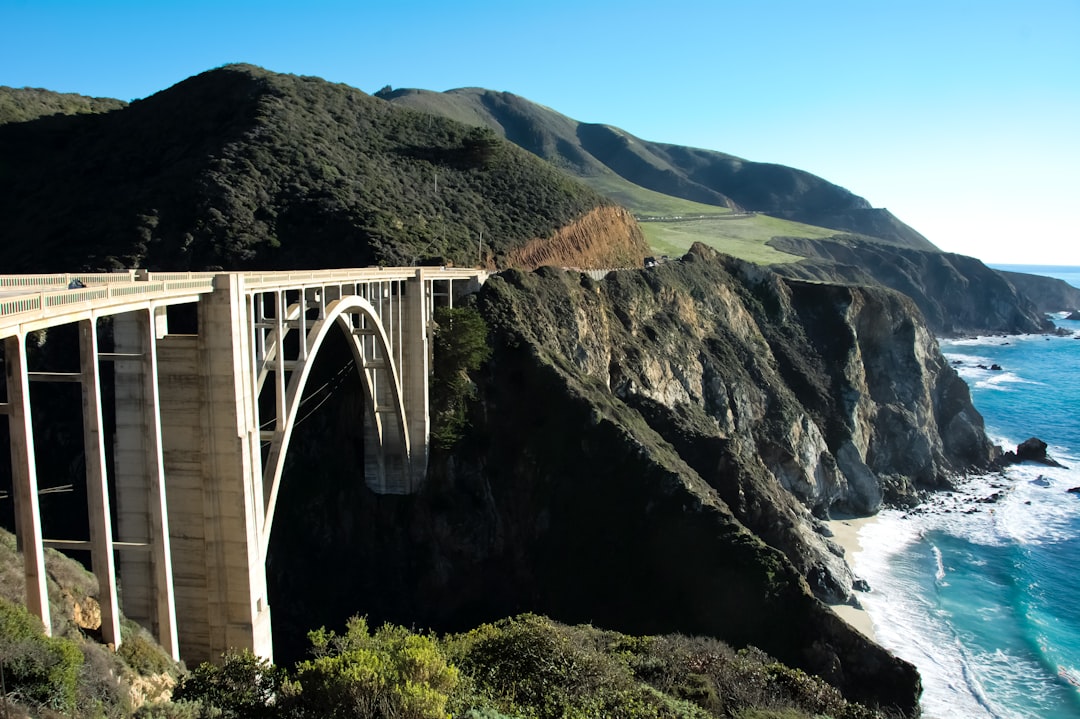
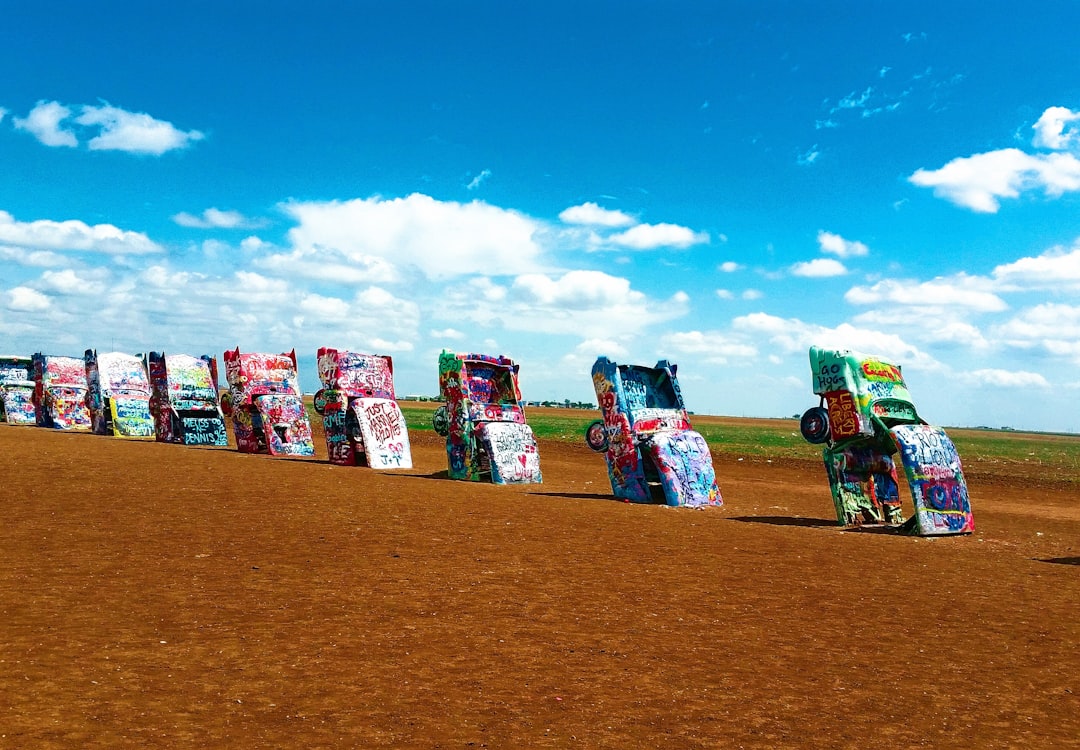
| Signature stop | Cadillac Ranch | Bixby Creek Bridge |
Route 66: the great American cross-country drive
Route 66 is the Mother Road, the original 1926 highway that carried a nation west. It crosses eight states from Chicago to the California coast, climbing from Illinois prairie through the Ozarks, the Texas Panhandle, and the high deserts of New Mexico and Arizona. The theme is history and Americana rather than raw scenery. You stop for the Gateway Arch in St. Louis, Cadillac Ranch outside Amarillo, the Blue Whale of Catoosa, the streamline moderne U-Drop Inn in Shamrock, and a hundred restored gas stations and glowing motel signs.
The driving itself is easy and entirely paved, and any car will do. The catch is navigation: many original alignments have been bypassed by Interstates 55, 44, 40, and 15, so signage is inconsistent and a mapped route saves guesswork. It is also EV-friendly, though the long desert gaps on the western legs reward planning your charging stops in advance.
Route 66 is best for travelers with time, history buffs, first-timers who want the classic bucket-list trip, and anyone who values the journey over any single view.
Pacific Coast Highway: the world's best coastal drive
The Pacific Coast Highway is California Highway 1, hugging the edge of the continent from the Golden Gate Bridge to Los Angeles. In roughly a thousand kilometers it packs in Monterey and Carmel, the cliffs of Big Sur, the graceful arch of Bixby Creek Bridge, McWay Falls dropping onto a hidden cove, Hearst Castle, Santa Barbara, and Malibu before the Santa Monica Pier. Where Route 66 is about culture, the PCH is about pure scenery, delivered almost continuously.
It is also easy and paved, drivable in any car and EV-friendly. The main thing to plan around is closures: Highway 1 shuts for landslides and storm damage, especially in Big Sur, so check road status before you commit to the long stretches between towns. Fog, wind, and narrow two-lane sections also make it slower than the map suggests, which is a good reason not to rush it.
The PCH is best for travelers short on time, photographers, couples, and anyone who wants maximum beauty per hour behind the wheel.
Which one is right for you?
Choose Route 66 if you have time and love the journey
It is a commitment. Two to three weeks, thousands of kilometers, and a lot of flat country between the highlights. The reward is a genuine sense of crossing a continent, and a trip built from stories rather than viewpoints.
Choose the PCH if you want scenery in a short window
Four to seven days gets you the whole coast at a relaxed pace, and even three days covers the essential Big Sur core. Nothing else in this comparison delivers so much beauty in so little time.
Best time to drive each
Both drives shine in fall, when crowds thin and the light turns golden. Route 66 is best in spring or fall, avoiding the summer heat that pushes past 40 C across the Mojave. The PCH is best in summer or fall, since winter brings the storms and closures that plague Big Sur.
Can you drive both together?
Yes, and it is a popular combination. Because Route 66 ends at the Santa Monica Pier and the Pacific Coast Highway finishes just up the coast, you can roll one trip into the other. A common plan is to drive Route 66 west across the country, reach the Pacific, then turn north onto Highway 1 for a scenic coda before flying home. Give yourself an extra week if you want to enjoy both rather than sprint.
Frequently asked questions
Is Route 66 or the Pacific Coast Highway better?
Neither is better; they suit different trips. Route 66 is the stronger choice for a long, historic cross-country adventure, while the Pacific Coast Highway wins for a short, scenery-first drive. If you have two weeks or more, take Route 66; if you have a week or less, take the PCH.
How long does each road trip take?
Route 66 takes two to three weeks to drive its full 3,940 km from Chicago to Santa Monica. The Pacific Coast Highway takes four to seven days for its 1,055 km from San Francisco to Los Angeles.
Can you combine Route 66 and the PCH in one trip?
Yes. Route 66 ends at the Santa Monica Pier, a short hop from the Pacific Coast Highway, so many travelers finish the Mother Road and then drive Highway 1. Budget roughly three to four weeks for the pair.
Which drive is more scenic?
The Pacific Coast Highway is the more scenic drive, with almost continuous ocean views, Big Sur cliffs, and beaches. Route 66 leans more on history, culture, and roadside Americana than on sweeping landscapes.
Are both drives good for electric cars?
Both are EV-friendly and easy to drive in any car. On Route 66, plan charging in advance across the long desert gaps on the western legs; on the PCH, chargers are common through the California towns along the way.
Plan your American road trip
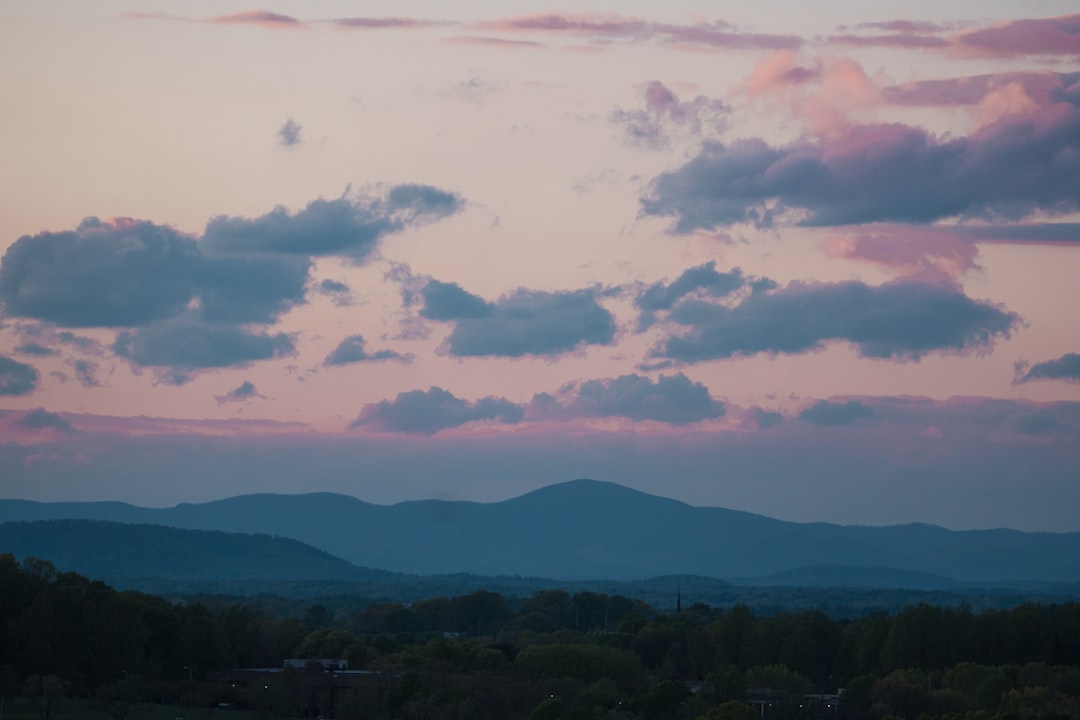
Ready to choose? Dig into the full stop-by-stop details on the Route 66 route guide and the Pacific Coast Highway route guide, or open the interactive map to see how they connect. Craving a third option, the Blue Ridge Parkway offers a slower, mountain-forest alternative in the American East.