Seven days is the ideal length for South Africa's Garden Route. That is enough time to explore Cape Town and its two-ocean peninsula, watch southern right whales at Hermanus, and follow the coast east through Knysna and Plettenberg Bay to the ancient forest at Storms River, without rushing a single day. It is an easy, fully sealed drive that any car or EV can handle, so the only real planning is how you spread the stops.
This is a stop-by-stop plan for the classic seven-day version, built around the real towns and reserves along the Cape Town & Garden Route. The route covers about 850 km including the Cape Peninsula, and every day of it earns its place.
The Garden Route at a glance
Most people think of the Garden Route as the coastal stretch from Mossel Bay to Storms River, and it is. But the trip that most travellers actually take starts in Cape Town, loops the Cape Peninsula, and only then runs east along the forested, lagoon-strung coast that gives the route its name. Treated as one journey it is South Africa's greatest road trip, threading a coast of extraordinary biodiversity from Table Mountain to the Tsitsikamma yellowwoods.
- Distance: about 850 km, Cape Town to Storms River, including the Cape Peninsula
- Time needed: 7 days is ideal, 5 at a minimum
- Difficulty: easy, sealed roads, any vehicle
- Best season: October to April (the warm, dry Cape summer)
- EV-friendly: yes, with chargers in the larger towns
A note on logistics: this is a one-way drive, so plan a one-way car hire from Cape Town and either fly home from George or Port Elizabeth, or loop back inland. Complete South Africa's online traveller declaration when it is required from 1 July 2026, and check Chapman's Peak and SANParks status, fees, and closures before the relevant days.
How long do you need?
The honest answer depends on how much of the Cape Peninsula you want. Here is what each length realistically buys you.
| Trip length | What you fit | Best for |
|---|---|---|
| 5 days | Cape Town, a quick peninsula loop, then straight to Knysna and Storms River | A first taste on a tight schedule |
| 7 days | The full peninsula, Hermanus whales, Wilderness, Knysna, Robberg, Tsitsikamma | First-timers who want the whole coast |
| 9 to 10 days | All of the above plus slow days, extra hikes, and detours inland | Slow travel, hikers, and photographers |
Five days is enough to see the highlights, but it forces you to skip either the peninsula or Hermanus. Seven is the number the route was built for.
Day 1: Cape Town
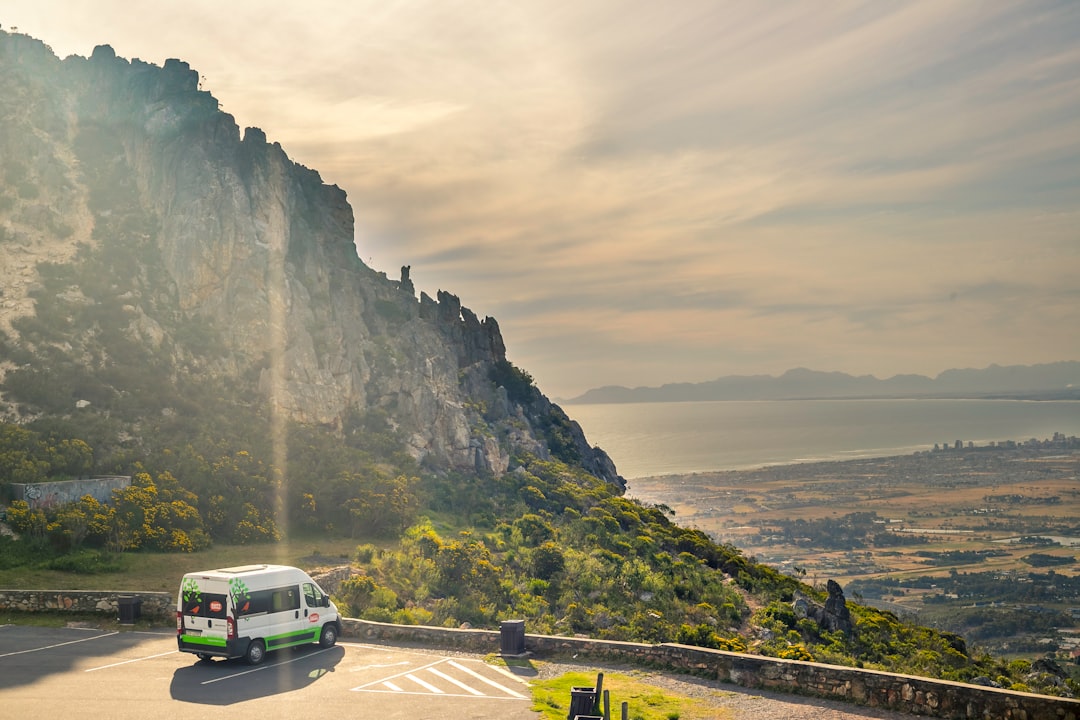
Start in Cape Town, one of the world's great scenic cities. Ride the aerial cableway up Table Mountain for the panorama over the city bowl and two oceans, wander the pastel Cape Malay houses of Bo-Kaap, and spend the afternoon at the V&A Waterfront. In Cape Town, stay on recommended main roads, keep valuables out of sight, and avoid isolated stops and night driving.
Day 2: The Cape Peninsula loop
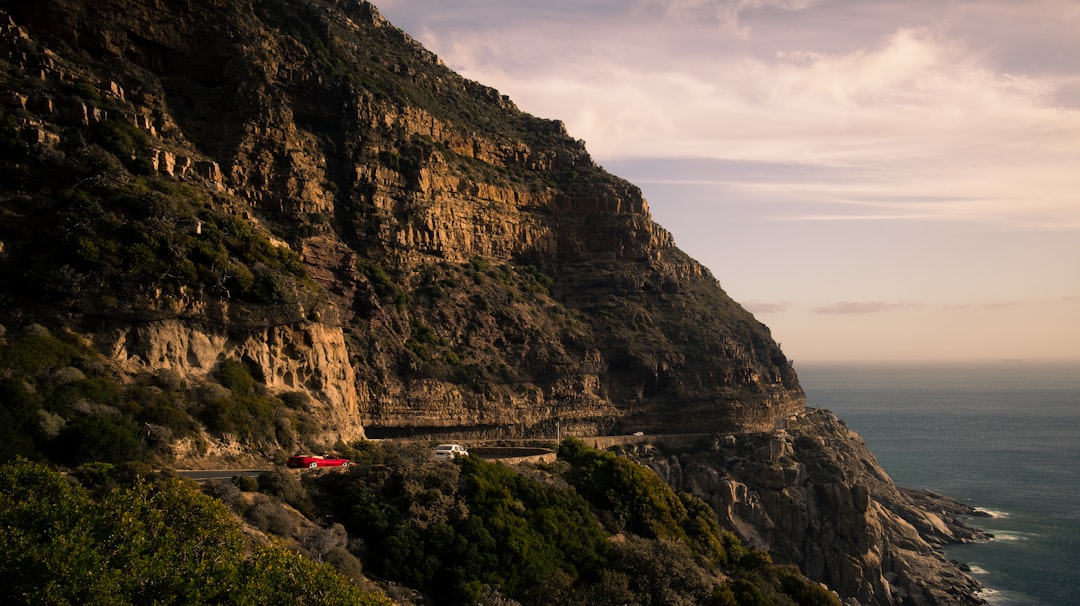
Give the peninsula a full day. Drive south to Chapman's Peak Drive, one of the world's great coastal roads, 9 km carved into a sheer cliff above the Atlantic with 114 curves. Continue to Cape Point and the windswept Cape of Good Hope at the peninsula's southern tip, then loop back via Boulders Beach near Simon's Town, where a colony of African penguins waddles across the sand right beside the boardwalks.
Day 3: Cape Town to Hermanus
Head east to Hermanus, the world's top land-based whale watching site. Southern right whales breed in Walker Bay from June to December, peaking August to November, and are commonly seen from the free cliff-top path. If you are travelling outside whale season, the coastal walk and Walker Bay wines still make it a fine first night on the road.
Day 4: Hermanus to Mossel Bay and Wilderness
This is your transfer day east into the Garden Route proper. Rather than racing to Knysna, break the drive at Mossel Bay for its maritime museum complex, then settle at Wilderness, where a lake district of lagoons meets a long surf beach backed by forest. Pick one gentle Wilderness walk and let the day be slow.
Day 5: Wilderness to Knysna
Carry on to Knysna, the jewel of the Garden Route. Two sandstone headlands, the Knysna Heads, frame the tidal lagoon's narrow ocean entrance. Order lagoon oysters at the waterfront, then ferry across to Featherbed Nature Reserve for forest trails and fynbos above the Heads. The once-famous free-roaming forest elephants are now functionally gone from the wild, but the indigenous forest that sheltered them still stands.
Day 6: Knysna to Plettenberg Bay
It is a short hop to Plettenberg Bay, a crescent of white sand between two rivers. The highlight here is the Robberg Nature Reserve, whose peninsula trail circles a Cape fur seal colony on cliffs above the Indian Ocean. Time your walk for the morning, then spend the afternoon on the beach.
Day 7: Plettenberg Bay to Storms River
The wild finale runs into the Tsitsikamma section of the Garden Route National Park. On the way, stop at the Bloukrans Bridge, 216 m above the gorge and home to the highest commercial bungee jump in the world; even non-jumpers can walk the arch for vertiginous views. Finish at Storms River, where suspension bridges cross the river-mouth gorge, 800-year-old yellowwood trees tower over the trails, and the famous Otter Trail begins. It is a fittingly wild end to the coast.
When to drive it
The catalog season is October to April, the warm, dry Cape summer, when the beaches are at their best and the forest is green. That is also peak crowd season, so book Knysna and Plett accommodation early and start each day before the tour traffic.
Winter, roughly June to September, has one big draw in its favour: it is the heart of whale season at Hermanus, and the Garden Route's forests are quiet and moody. The trade-off is cooler swimming and a higher chance of coastal rain, so pack layers and a waterproof.
Frequently asked questions
How many days do you need for the Garden Route?
Seven days is ideal. It gives you time for Cape Town, a full Cape Peninsula loop, whale watching at Hermanus, and the coastal run through Wilderness, Knysna, Plettenberg Bay, and Tsitsikamma. Five days covers the highlights if you shorten the peninsula, while nine to ten days suits slow travel and hikers.
Which direction should you drive the Garden Route?
Drive west to east, from Cape Town toward Storms River. That builds the trip logically from the peninsula through Hermanus and into the Garden Route proper, and lets you end near George or Port Elizabeth for a one-way flight home rather than doubling back.
Is the Garden Route suitable for any car?
Yes. The route is fully sealed and rated easy, so any vehicle handles it, including EVs, which can charge in the larger towns. The main things to plan are a one-way car hire and, in Cape Town, the usual city safety basics of main roads, hidden valuables, and no night driving.
When is the best time to see whales on the Garden Route?
Southern right whales gather in Walker Bay off Hermanus from June to December, peaking August to November. In those months they are commonly visible from the free cliff-top path, making winter the standout time for whale watching even though it is cooler for the beaches.
Is the Garden Route safe to drive?
The open road along the Garden Route is straightforward and easy. Apply normal city caution in Cape Town: stay on recommended main roads, keep valuables out of sight, avoid isolated stops, and do not drive at night. Check Chapman's Peak and SANParks status before each relevant day.
Plan your drive
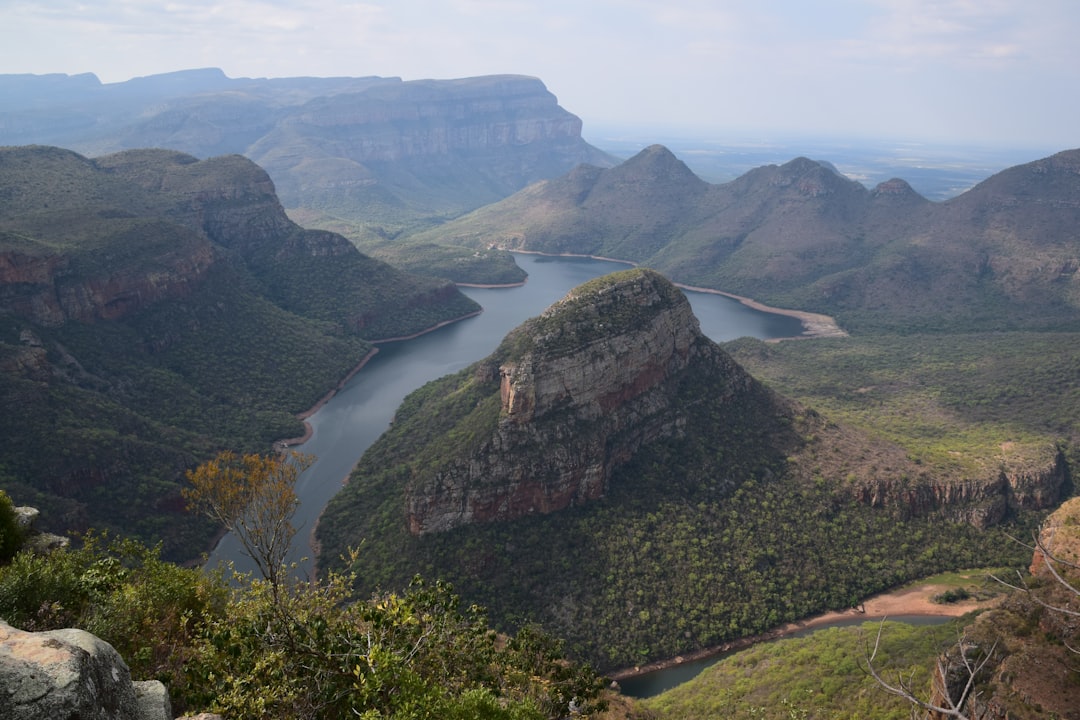
Ready to map it out? See the full Cape Town & Garden Route guide for every stop in order, tack on Cape Town's cliff-hanging Chapman's Peak Drive or South Africa's inland Panorama Route, and build your own version on the interactive map.