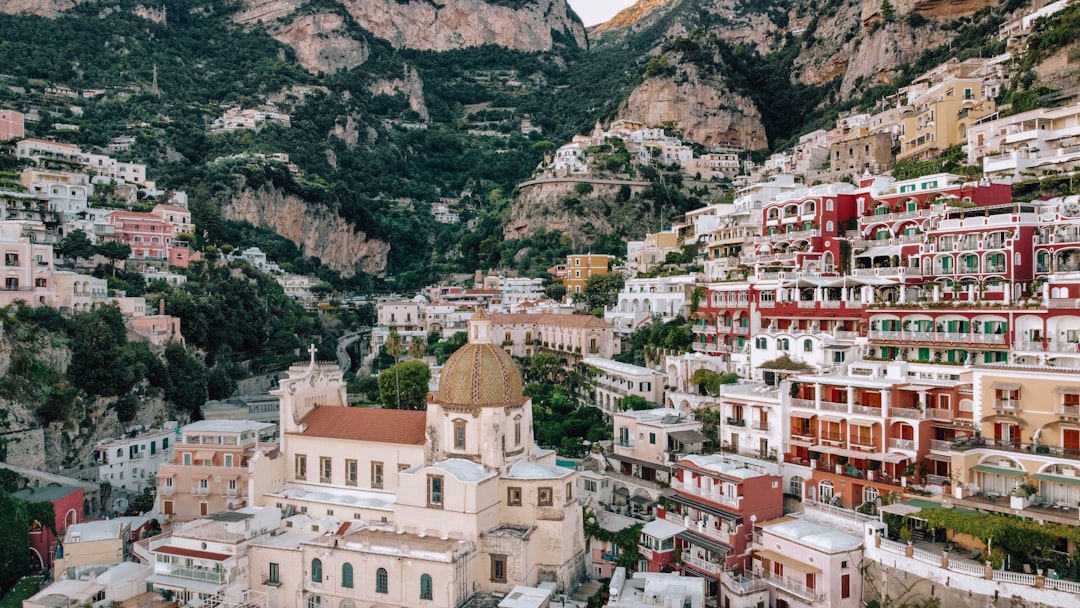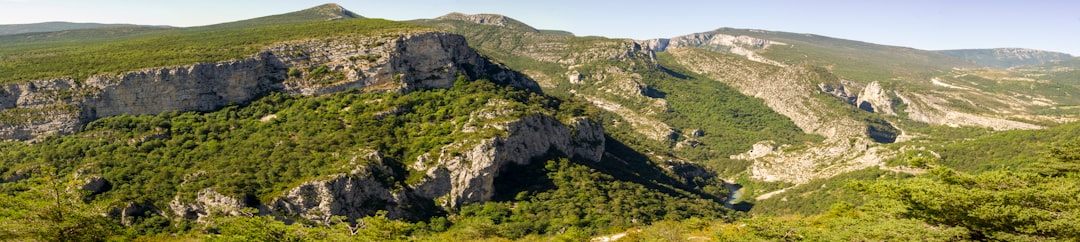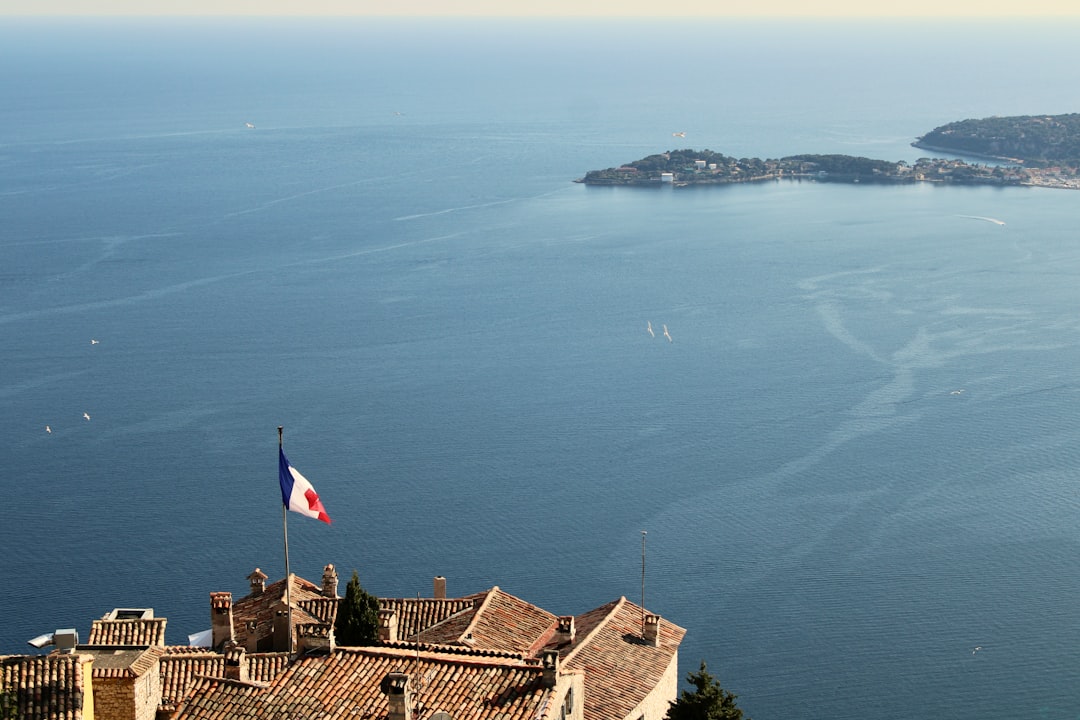
The Three Corniches are three parallel roads stacked up the mountainside between Nice and Menton, and driving all three is the best way to see the French Riviera by car. The lower road hugs the water, the middle road threads the perched village of Èze, and the high road climbs past a 2,000-year-old Roman monument above Monaco. The full loop runs about 95 km and deserves two days, which gives Èze, Monaco and Menton the time they are worth. Here is the French Riviera drive explained road by road and stop by stop, with the one border crossing you need to plan for.
What are the Three Corniches?
Three roads run roughly parallel along this stretch of the Côte d'Azur, each at a different height, and locals name them by altitude. The Basse Corniche, the lower road, runs closest to the sea through the harbour towns of Villefranche-sur-Mer and Beaulieu-sur-Mer. The Moyenne Corniche, the middle road, passes the medieval village of Èze at 427 m above the water. The Grande Corniche climbs highest of all, following the line of the old Roman road past La Turbie and the Trophy of Augustus. Taken together as a loop out of Nice and back, they add up to roughly 95 km of coast and cliff.
Which corniche should you drive?
You do not have to pick just one. The usual plan takes the higher roads on the way out toward Monaco, then returns along the sea, so you drive all three over two days. This is how they compare.
| Corniche | Character | Signature stop | Best for |
|---|---|---|---|
| Grande (high) | Highest and quietest, wide sweeping views | Trophy of Augustus, La Turbie | Panoramas over Monaco and the sea |
| Moyenne (middle) | Balanced height, the classic Riviera road | Èze village at 427 m | First drives and the postcard view |
| Basse (low) | Seafront, town to town | Villefranche-sur-Mer bay | Swimming stops and harbour lunches |
The drive, stop by stop
The route makes a two-day loop out of Nice. Day one climbs onto the Moyenne and Grande Corniches toward Monaco and Menton. Day two drops back down to the Basse Corniche and follows the water home.
Nice, the starting point
Begin on the Promenade des Anglais in Nice, the Riviera's capital. Walk the Cours Saleya flower market and climb the Colline du Château for the rooftops of the old town before you point the car east and uphill.
Èze and La Turbie
Èze sits at 427 m on a crag above the sea, a medieval village of stepped lanes with a Fragonard perfumery and an exotic cactus garden at the summit. On a clear day the view reaches Corsica. A short climb higher on the Grande Corniche, La Turbie holds the Trophy of Augustus, a Roman monument that has marked the edge of the empire above Monaco for two millennia.
Monaco
The road drops into Monaco, a principality packed into two square kilometres. The Grand Prix circuit runs through the same streets you drive, the Belle Epoque Casino de Monte-Carlo anchors the hill, and the Oceanographic Museum founded by Prince Albert I overlooks the water. Parking is tightly controlled, so leave the car in a signed garage and walk.
Menton
Last before the Italian border, Menton is the warmest town in France and the most Italian in feel. Its lemon festival fills the streets in February, the Cocteau Museum sits by the port, and the old cemetery gives a long panorama back along the coast.
The sea road home
Turn around at Menton and come back on the Basse Corniche. The lower road runs through Beaulieu-sur-Mer and Villefranche-sur-Mer, a deep-water bay lined with painted Renaissance houses where Jean Cocteau covered a 14th-century harbourside chapel in frescoes in 1957.
When is the best time to drive the Three Corniches?
April to June and September to October. In October the sea is still warm enough to swim, the light stays clear, and the roads carry a fraction of the July and August traffic. Avoid the peak summer daytime hours when the villages clog, and never stop outside a marked bay on the narrow upper roads.
Crossing into Monaco
Monaco is a separate state, so this France to Monaco loop crosses an international border. Carry whatever passport or national ID your nationality requires, and check that your rental car is insured and authorized to cross before you book. There is usually no routine checkpoint, but Monaco's own parking and road controls still apply. Check French and Monaco road closures and event dates before each day, since the Grand Prix circuit and festival weekends shut streets.
If this leaves you wanting more Mediterranean cliff driving, Italy's Amalfi Coast runs a similar village-to-village rhythm on a tighter, busier road. For a change from the coast, the Gorges du Verdon cuts inland through Provence to a turquoise canyon. Both the Riviera and the Amalfi Coast sit in our scenic coastal drives collection.
Frequently asked questions
How long does it take to drive the Three Corniches?
The loop is only about 95 km, so the driving itself takes a few hours. Give it two days anyway, because Èze, Monaco and Menton each reward a proper stop rather than a drive-through.
Which corniche has the best views?
The Grande Corniche, the highest road, opens the widest views over Monaco and the sea from around La Turbie and the Trophy of Augustus. The Moyenne Corniche frames the classic shot of Èze above the water, and the Basse Corniche puts you right beside the harbours.
Do you need a passport to drive into Monaco?
Monaco is a separate state, so carry whatever passport or national ID your nationality requires, and confirm that your rental car is insured and authorized to cross the border. There is usually no routine checkpoint, but Monaco's own parking and road rules still apply.
Is the French Riviera drive difficult?
No. The route is rated easy and suits any car. The roads are paved and well kept, so the real work is traffic and parking in Monaco and the hill villages, not the driving.
When is the best time of year to drive the French Riviera?
April to June and September to October. The sea is warm, the light is clear, and the roads carry far fewer cars than they do in midsummer.
Read the full French Riviera route guide for the day-by-day plan, and open the interactive map to line the corniches up with the rest of your trip.