Yes, you can drive the Amalfi Coast yourself, and the SS163 is one of the most beautiful roads on Earth. But it is narrow, full of blind hairpins, and shared with buses, so it rewards a small car, slow speeds, and steady nerves. The full coast road runs about 50 km from Sorrento to Salerno, and you want 3 to 5 days to drive it without rushing. This is the Amalfi Coast drive explained, stop by stop, with an honest look at whether you should take the wheel at all.
Is the Amalfi Coast hard to drive?
The SS163 is moderate, not extreme, but it asks for your full attention. The road is cut into the cliff face with tight hairpin bends, limited passing space, and a steady stream of tour buses and trucks coming the other way. None of it is technically difficult driving. The challenge is patience and spatial confidence in tight spots, not steep grades or rough surfaces.
A few things make the difference between a white-knuckle day and a relaxed one. Drive a small car. The lanes were never built for a wide SUV, and the locals in compact hatchbacks will thank you. Go slowly, use your horn before blind corners the way Italian drivers do, and try to avoid the peak summer daytime hours when bus traffic is heaviest. Early mornings and the shoulder seasons are far calmer.
Should you drive the Amalfi Coast yourself?
Self-driving gives you freedom that the buses and ferries cannot, but it is not the only way to see the coast, and parking in Positano or Amalfi in high season is genuinely hard and expensive. Here is how the main options compare.
| Way to travel | Best for | Cost | The catch |
|---|---|---|---|
| Self-drive | Flexibility, hilltop villages, early starts | Moderate, plus pricey parking | Stressful in peak traffic, scarce parking |
| SITA bus | Budget travel, no parking worries | Cheap | Crowded, fixed stops, slow in summer |
| Ferry | Skipping traffic, arriving by sea | Moderate | Seasonal, weather dependent, coastal towns only |
| Private driver | Stress-free comfort, groups | Expensive | The least spontaneous and the priciest |
The honest answer: if you want to reach Ravello, take the inland detours, and start before the buses, drive it. If your trip is just Positano and Amalfi in August, the ferry or the bus will save you a lot of grief.
The SS163 route, stop by stop
The classic line runs east from Sorrento to Salerno. Done this way, you build from the famous postcard villages to the quieter, more local end of the coast.
Sorrento, the launch point
Start in Sorrento, a clifftop town above the Bay of Naples with views across the water to Vesuvius. Begin with a limoncello, the lemon liqueur born on these slopes, then point the car south and east toward the coast road proper.
Positano, the postcard
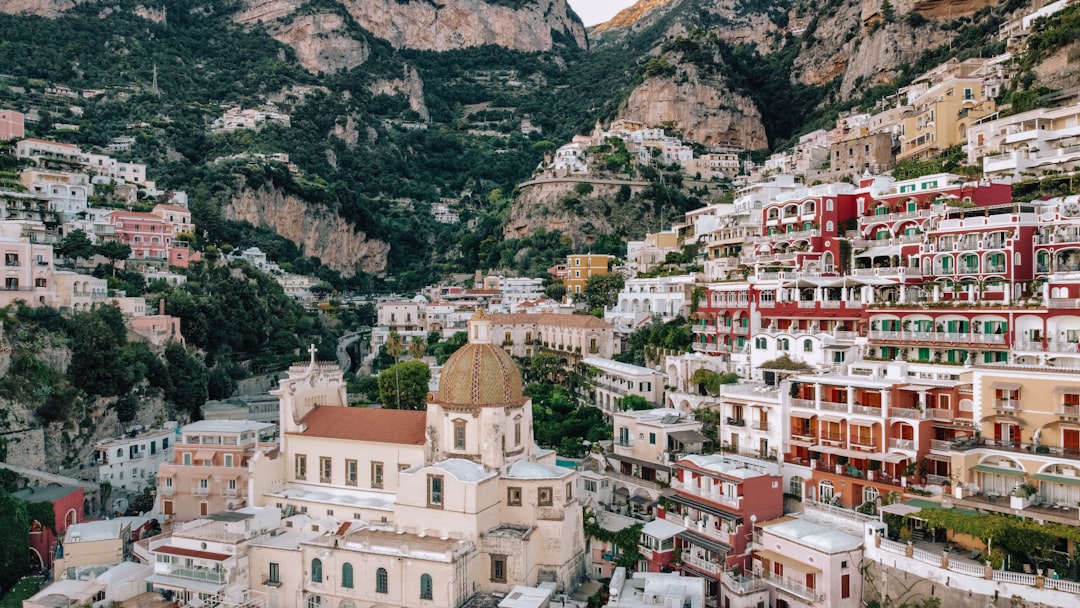
Positano is the most photographed village on the coast, its pastel houses cascading steeply to a small pebbly beach. It is also where parking and crowds peak, so arrive early or plan to park above town and walk down. The descent through the village is steep and beautiful, and the climb back up earns the granita waiting at the top.
Furore, the hidden gorge
Easy to miss and completely unmissable, the Furore gorge cuts through the cliff to a tiny hidden beach beneath a high road bridge. Most buses sail straight past it. Slow down and look for the fjord-like cleft in the rock.
Amalfi and Atrani, side by side
Amalfi gives the coast its name, with an Arab-Norman cathedral, centuries-old paper mills, and the best sfogliatella you will eat all trip. One cove east, tiny Atrani is officially Italy's smallest municipality, and almost every visitor walks straight past it. Park once and see both on foot.
Ravello, the high terrace
Turn inland and climb to Ravello, perched high above the coast. The garden terrace at Villa Rufolo, with the sea falling away below, famously inspired Wagner while he was writing Parsifal. This detour is one of the strongest reasons to have your own car.
Cetara and Salerno, the local end
Cetara is a working fishing village famous for colatura di alici, a pungent golden anchovy sauce used in these waters since Roman times. Finish in Salerno, a real southern Italian city largely untouched by mass tourism and the gateway to the Greek temples at Paestum just down the coast.
When to drive the Amalfi Coast
The best windows are May and September to October. The weather is warm, the sea is swimmable, and the crushing midsummer bus and tourist traffic has eased off. July and August bring the heaviest crowds, the hottest cliffs, and the most stressful driving, exactly when the narrow SS163 is least forgiving.
Spring and autumn also make the villages feel like places people live rather than theme parks. Lemon season, festival weekends, and golden low-angle light all land outside the peak. If you have any flexibility, drive the shoulder.
Tips for driving the SS163
- Rent the smallest car you are comfortable in. Width matters more than power on this road.
- Use your horn before blind hairpins. It is normal here and it prevents standoffs with oncoming buses.
- Start early. The road is calmest before mid-morning and after the day-trippers leave.
- Sort parking before you arrive. Garages in Positano and Amalfi fill fast and cost real money in season.
- Keep the tank reasonable. Stations exist but you do not want to hunt for fuel mid-cliff.
The road is paved the whole way, suitable for any car, and EV friendly if you plan your charging around the larger towns. The difficulty is the traffic and the width, not the surface.
Frequently asked questions
How long does it take to drive the Amalfi Coast?
The SS163 from Sorrento to Salerno is only about 50 km, but you should plan 3 to 5 days to drive it well. The distance is short, yet the slow road, the villages, and the inland detour to Ravello mean the map badly underestimates each day.
Is driving the Amalfi Coast dangerous?
It is not dangerous if you drive carefully, but it is demanding. The SS163 is narrow with tight hairpin bends, limited passing space, and heavy bus and truck traffic. Smaller cars are far easier to maneuver, large vehicles should be avoided, and you should drive slowly and use your horn on blind corners.
What is the best time of year to drive the Amalfi Coast?
May and the September to October shoulder season are best. You get warm weather and a swimmable sea without the punishing midsummer crowds and bus traffic that make the narrow road most stressful in July and August.
Should I drive or take the bus on the Amalfi Coast?
Drive if you want to reach Ravello, take inland detours, and start before the buses, and accept that parking is scarce and pricey. If your plan is mainly Positano and Amalfi in peak season, the SITA bus or the ferry will spare you the traffic and the parking hunt.
Which way should you drive the Amalfi Coast?
Driving east from Sorrento to Salerno is the classic line. It builds from the famous postcard villages of Positano and Amalfi toward the quieter, more local end of the coast at Cetara and Salerno, and it ends near the Greek temples at Paestum.
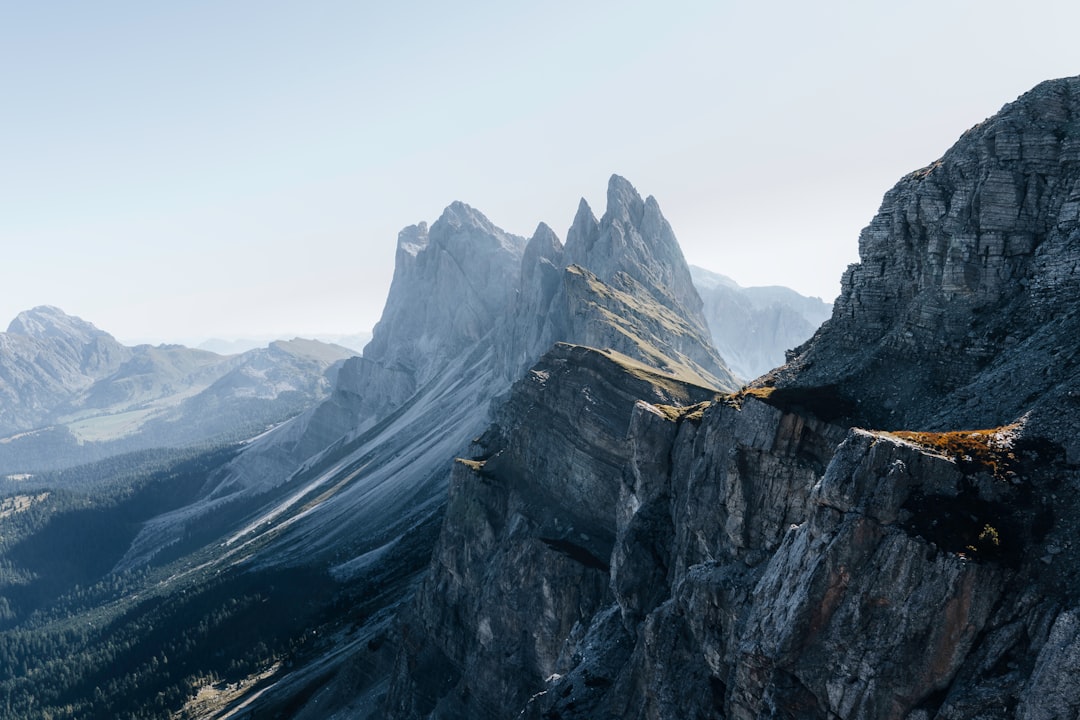
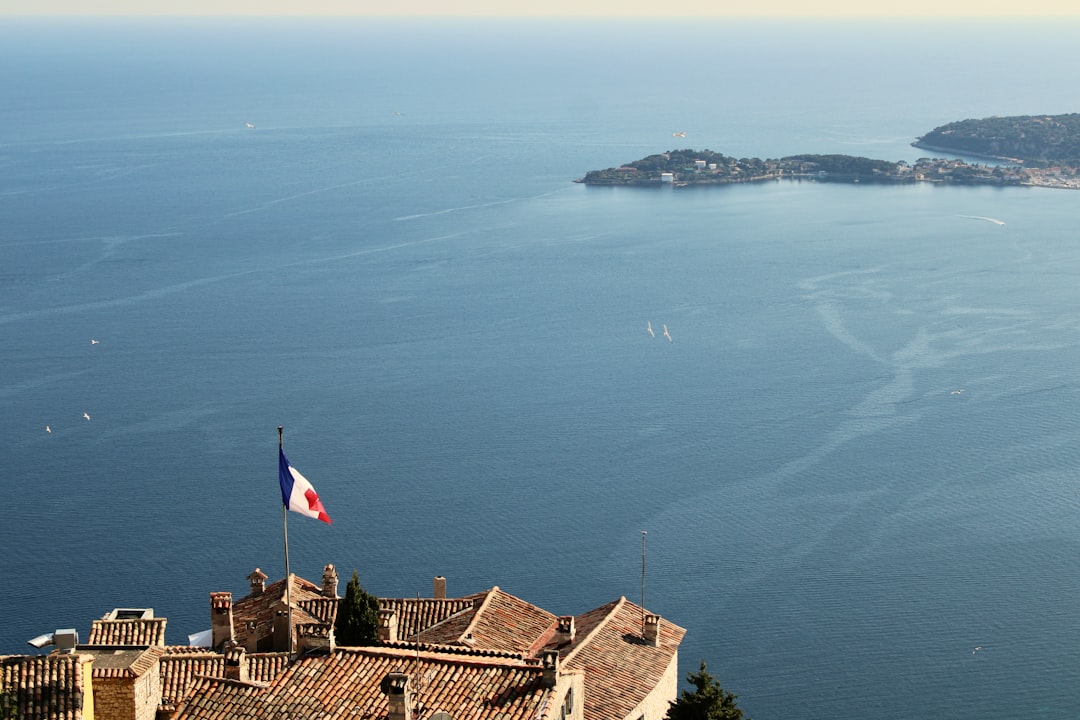
Ready to plan the drive? See the full Amalfi Coast guide for every stop, or open the interactive map to build your route. If the Italian roads have you hooked, the Dolomites and the French Riviera are the natural next drives.