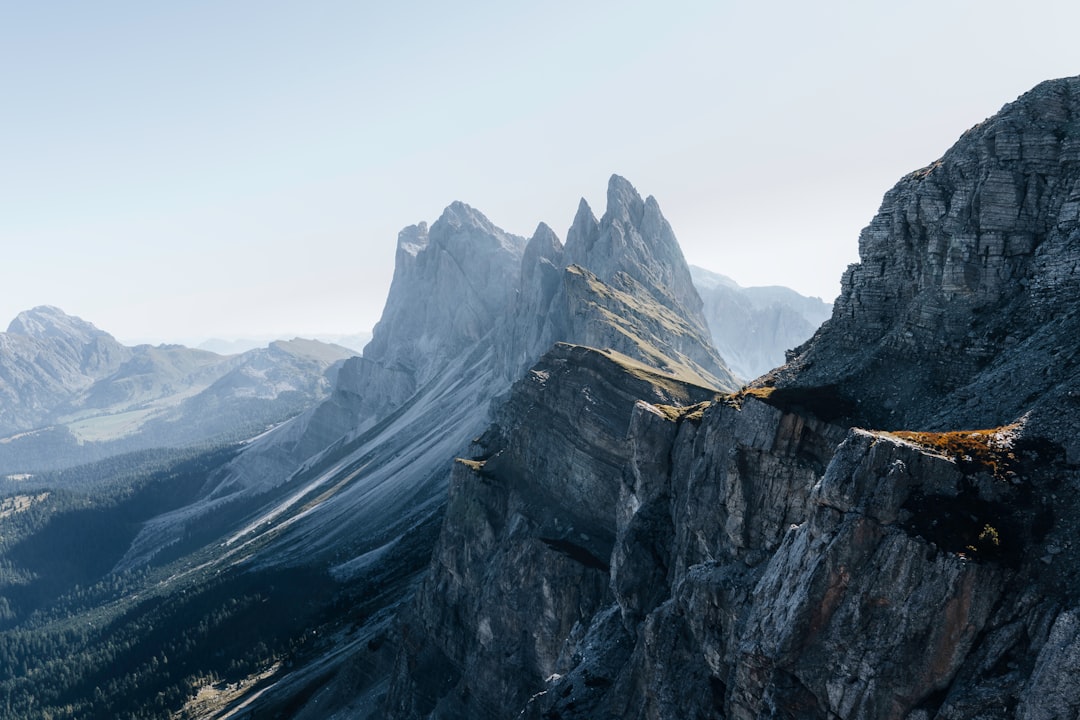
The classic Dolomites road trip follows the Great Dolomites Road, 118 km from Bolzano to Cortina d'Ampezzo, and it is best driven over 2 to 3 days between June and October. That short distance is deceptive. Between the two towns the road climbs over two passes above 2,000 m, threads a chain of Ladin valleys, and passes some of the most dramatic rock scenery in the Alps, so you want time to stop, not just to drive.
This is the itinerary we recommend for a first visit: where to sleep, what each pass delivers, and how to pace the Dolomites drive so the switchbacks feel like a reward rather than a slog.
The Great Dolomites Road at a glance
The Grande Strada delle Dolomiti runs west to east from Bolzano, the bilingual capital of South Tyrol, to Cortina d'Ampezzo, the resort town that will co-host the 2026 Winter Olympics. It is a paved, moderate drive suitable for any vehicle, and it is EV friendly, with charging in the larger towns.
- Distance: 118 km
- Suggested time: 2 to 3 days
- Season: June to October (the passes usually close under snow from November to late May)
- Highest point: Passo Pordoi at 2,239 m
- Character: narrow mountain road, sharp switchbacks, heavy summer traffic
The scenery is the reason to come. You drive below the Marmolada, the range's highest peak at 3,343 m, past the vertical walls of the Sella group, and under peaks that top 3,200 m. The rock glows pale grey by day and turns rose-pink at sunset, the effect the Italians call enrosadira.
Best time to drive the Dolomites
The road is a summer and early-autumn proposition. High passes including the Pordoi and the Falzarego sit above 2,100 m and are typically blocked by snow from November to late May, so plan a June to October trip and always check current pass-opening dates before you set off.
Within that window, late June to early July brings wildflower meadows and long daylight. September is the connoisseur's month: stable weather, thinner crowds, and the first cold snaps that sharpen the light. Avoid peak-season weekends in July and August if you can, when the passes fill with motorbikes, cyclists, and tour coaches and the hairpins slow to a crawl.
A 3-day Dolomites itinerary, stop by stop
Three days lets you drive each pass unhurried and still fit in a cable car and a valley walk. Here is how to split it.
Day 1: Bolzano to Val di Fassa
Start in Bolzano, where Italian and German share the street signs. See Otzi the Iceman, the 5,300-year-old mummy in the South Tyrol Museum of Archaeology, then drive up into the mountains toward Val di Fassa. This Ladin-speaking valley sits below the Marmolada, and its main town, Canazei, is the gateway to the Sella Ronda circuit and to some of the range's best hiking. Sleep here so you can start Day 2 on fresh legs.
Day 2: Passo Pordoi and Alta Badia
Climb the Passo Pordoi, the highest point on the route at 2,239 m, with 33 hairpins on each side. Ride the cable car to the Sass Pordoi plateau at roughly 2,950 m for a 360-degree panorama over a sea of peaks. Drop down into Alta Badia, a bowl of Ladin villages ringed by the Sella group's sheer walls, centred on Corvara. The valley has a remarkable density of Michelin-starred kitchens for its size, so book a table if fine dining is your thing.
Day 3: Passo Falzarego to Cortina d'Ampezzo
The final leg crosses the Passo Falzarego at 2,105 m, where the Lagazuoi massif rises straight above the road and WWI tunnels are carved into the cliffs. Then it is a short descent to Cortina d'Ampezzo, the Queen of the Dolomites, which hosted the 1956 Winter Olympics and returns as a 2026 host. The Tofane massif towers over the elegant Corso Italia, a fitting finale to the drive.
How the Dolomites compares to other alpine drives
If you are choosing between Europe's great mountain roads, here is how the Dolomites stacks up against two other icons.
| Route | Length | Suggested days | Peak season | Character |
|---|---|---|---|---|
| The Dolomites | 118 km | 2 to 3 | Jun to Oct | Ladin valleys, rock cathedrals, two high passes |
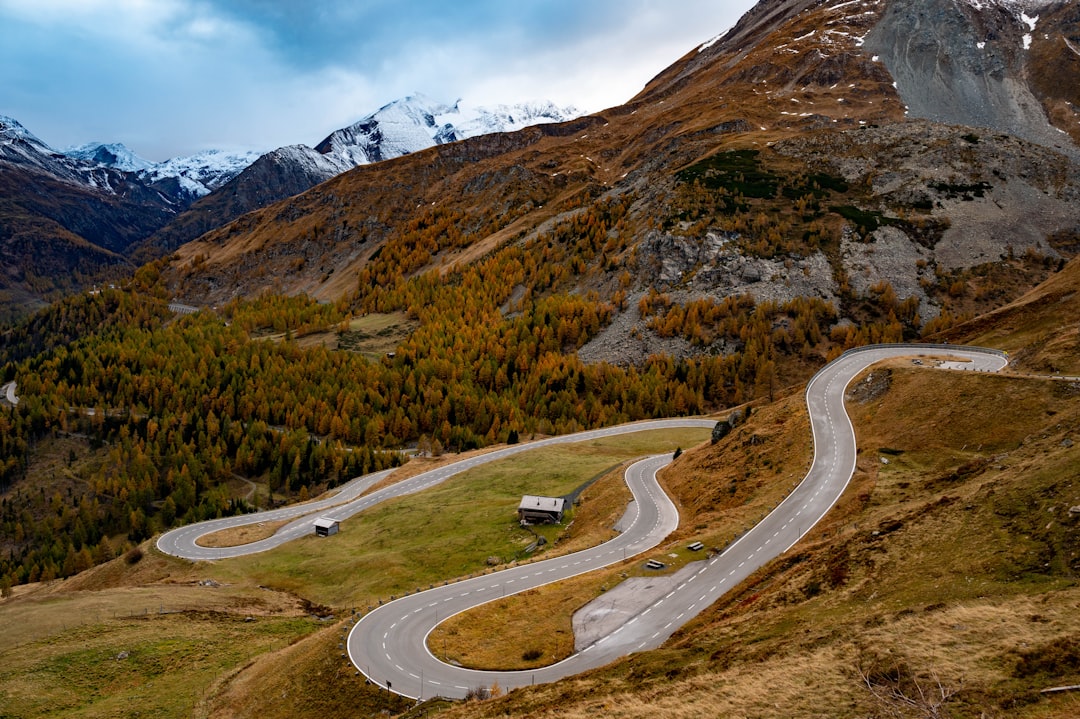
| Grossglockner High Alpine Road | Alpine toll road | 1 to 2 | May to Oct | Glacier views, a single dramatic ascent |
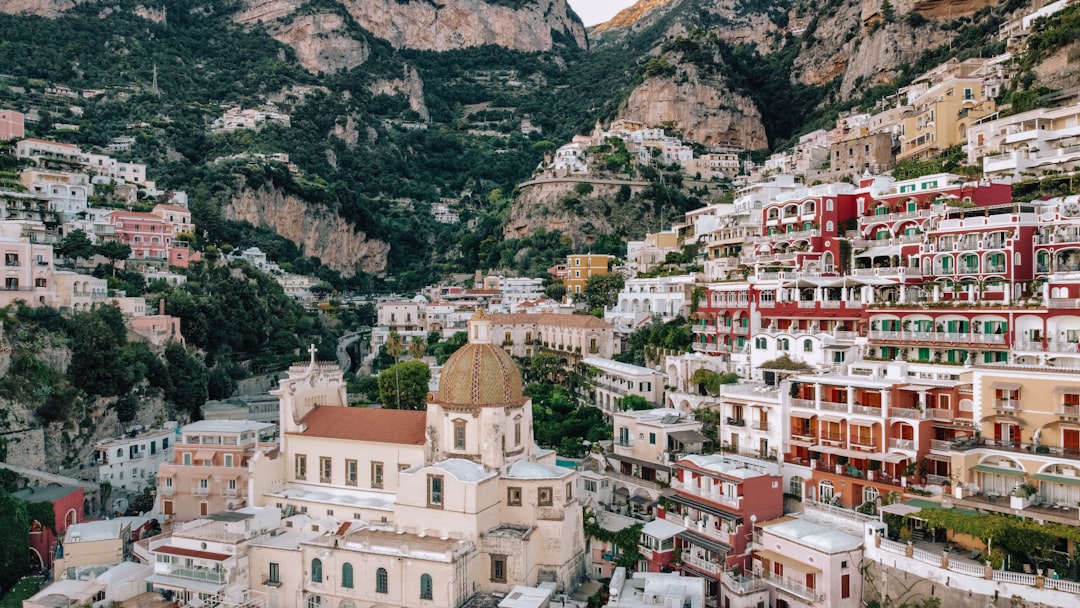
| Amalfi Coast | Coastal cliff road | 2 to 3 | Apr to Oct | Sea cliffs, lemon groves, tight coastal bends |
The Dolomites wins on sheer variety of mountain scenery and on the number of walks you can string together. The Grossglockner is a tighter, more concentrated alpine hit, and the Amalfi Coast swaps peaks for the Mediterranean.
Driving the passes: what to know
The switchbacks are the whole point, but they demand respect. A few practical notes:
- Go early. Start each pass before 9 am to beat both the coaches and the midday cyclists.
- Use low gears on the descent. Long downhills can overheat brakes; let the engine hold you back.
- Watch for cyclists and motorbikes. The Sella Ronda passes are a magnet for both, especially on summer weekends.
- Fuel and charge in the valleys. Services thin out on the passes, so top up in Canazei, Corvara, or Cortina.
- Carry layers. It can be shirtsleeve weather in Bolzano and near freezing on the Pordoi plateau on the same afternoon.
Take it slow, pull into the marked viewpoints, and let faster traffic pass. The reward is a drive that feels less like a commute and more like a mountaineering expedition you can do from the driver's seat.
Frequently asked questions
How long does it take to drive the Great Dolomites Road?
The road itself is only 118 km, but the passes and switchbacks mean it takes far longer than the distance suggests. Plan on 2 to 3 days to enjoy the stops, the cable cars, and a walk or two rather than rushing straight through.
When do the Dolomites passes open and close?
High passes such as the Pordoi and Falzarego usually close under snow from November to late May and reopen for summer. The reliable driving window is June to October. Always check current pass-opening dates before you travel, as they shift with the snowpack each year.
Do I need a special car for the Dolomites drive?
No. The Great Dolomites Road is fully paved and rated as a moderate drive suitable for any vehicle, including EVs. The challenge is the sharp switchbacks and summer traffic, not the road surface, so a normal car is fine as long as you are comfortable on mountain bends.
Where should I base myself in the Dolomites?
For this route, Canazei in Val di Fassa and Corvara in Alta Badia make the best mid-drive bases, each ringed by hiking and cable cars. Cortina d'Ampezzo is the natural end point if you want a resort town with restaurants and shops.
Is the Dolomites drive worth it in summer?
Yes, though July and August bring the heaviest traffic. If you must travel then, drive the passes early in the morning and avoid weekends. For quieter roads and stable weather, aim for late June or September instead.
Plan your Dolomites road trip
Ready to map it out? See the full Dolomites route guide for the stop-by-stop breakdown, then open the interactive map to plot your passes, cable cars, and overnight stops. When the switchbacks line up under a pink evening sky, you will understand why this is many drivers' favourite road in the Alps.