The Chianti Road follows the SR222 south from Florence to Siena, about 110 km through the vineyards and hill towns of Tuscany, and two days is the right length to drive it. Day one runs the classic spine through Greve, Panzano and Castellina. Day two swings east to Radda and Gaiole before finishing in Siena. Along the way you pass cypress-lined ridges, Chianti Classico cellars, and a butcher in Panzano whose Florentine T-bone has its own following. Here is the Chianti Road laid out day by day, with the tasting and parking rules that keep it relaxed.
What is the Chianti Road?
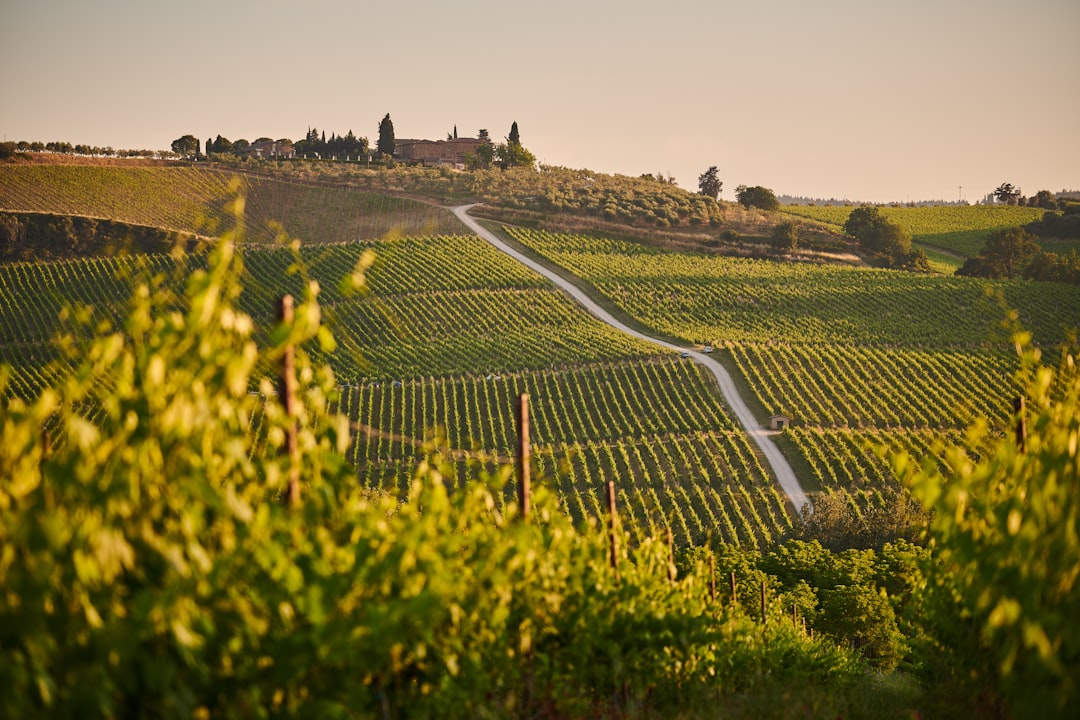
The Chianti Road is the local name for the SR222, the regional road that threads the Chianti wine region between Florence and Siena. It covers about 110 km if you include the eastern extension around Radda and Gaiole, and it stays easy the whole way: paved, gentle, and fine for any car, an EV included. The region gives its name to Chianti Classico, a red built on the sangiovese grape and sealed with a black rooster. The countryside is the one most people picture when they think of Tuscany, with hills striped by vines and olive groves, cypress trees along the ridgelines, and a walled stone village on every other hilltop.
Chianti Road at a glance
Six stops carry the whole route, from the art cities at either end to the wine villages between them.
| Stop | What it is | Don't miss |
|---|---|---|
| Florence | Renaissance city, the start | Brunelleschi's dome, the Uffizi |
| Greve in Chianti | The region's informal capital | Enoteca Falorni, the Saturday market |
| Panzano in Chianti | Hilltop food village | Dario Cecchini's butcher shop |
| Radda in Chianti | Walled hill town | Palazzo del Podestà, October vines |
| Castellina in Chianti | Ridge fortress town | The Via delle Volte tunnel lane |
| Siena | Gothic city, the finish | Piazza del Campo, the Duomo |
Day one: Florence to Castellina along the SR222
Start in Florence and give it a morning at least. The Uffizi, Brunelleschi's dome, Michelangelo's David and the Ponte Vecchio sit within a short walk of each other, and they are worth the time before you point the car south on the SR222.
The first real Chianti stop is Greve in Chianti, the region's informal capital, built around a triangular arcaded piazza. Arrive on a Saturday and the market fills the square. The Enoteca Falorni on the piazza pours wines from nearly every local producer under one roof, which makes it a good place to taste widely before committing to one estate. A short climb above the town reaches Montefioralle, a tiny walled hamlet you can loop on foot in twenty minutes.
Next is Panzano in Chianti, a hilltop village known well beyond Tuscany for one man. The butcher Dario Cecchini has turned his Antica Macelleria Cecchini and the Officina della Bistecca above it into a destination, where bistecca alla fiorentina, the thick Florentine T-bone, comes to communal tables. Book ahead and make this the one real lunch of the day rather than stacking another meal on top of it.
End the day at Castellina in Chianti, a Florentine ridge fortress with a squat Rocca keep at its centre. Walk the Via delle Volte, a vaulted medieval lane tunnelled through the rock beneath the old walls, then stay the night. Castellina is a good base for the eastern loop the next morning.
Day two: Radda, Gaiole and Siena
Day two leaves the SR222 spine and turns east into quieter country. Radda in Chianti is a walled medieval village with wide views over the vineyards and a 15th-century Palazzo del Podestà on its square, the facade studded with the stone coats of arms of former governors. In October the vines around Radda turn gold and russet, which is reason enough to come in autumn. From Radda it is a short hop to Gaiole in Chianti, a scattering of wine estates and stone hamlets that rewards slow driving more than a checklist of sights.
Then it is on to Siena to finish. Park outside the walls and walk in to the Piazza del Campo, the shell-shaped brick square where the Palio horse race runs twice each summer. The striped Gothic Duomo stands a few minutes uphill. For dinner, the Osteria Le Logge near the Campo is a long-standing choice. Reserve a table, and follow the parking signs rather than your navigation into the centre.
When is the best time to drive the Chianti Road?
The road is open and enjoyable from April to November, and two windows stand out. Late spring scatters poppies and wildflowers across the open ground between the vines. September and October bring the grape harvest, warm low light, and vineyards turning colour, with Radda and the eastern hills at their best. Summer runs hot and busy, and many businesses take holidays around mid-August, so spring and autumn are the easier bets. Winter closes a lot of the wineries, though the towns stay open and quiet.
Driving, tasting and parking
Two habits keep a Chianti wine drive relaxed. First, decide early who is not drinking. Appoint a sober driver, spit your tastings, or book a transfer, and keep the serious wine buying to one prebooked winery or cellar visit so the day does not turn into improvised tastings at every gate. Second, respect the ZTL. Most Tuscan towns, Siena included, have a Zona a Traffico Limitato, a camera-enforced limited-traffic zone in the historic centre. Park outside the walls in a signed car park and walk in. Driving into a ZTL earns a fine that reaches you months later by post.
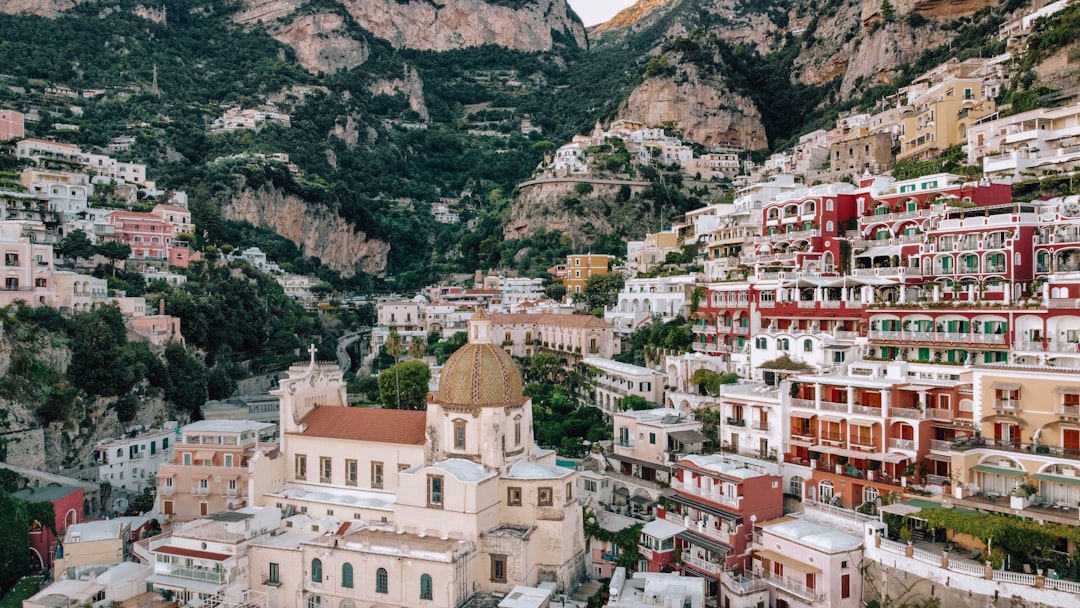
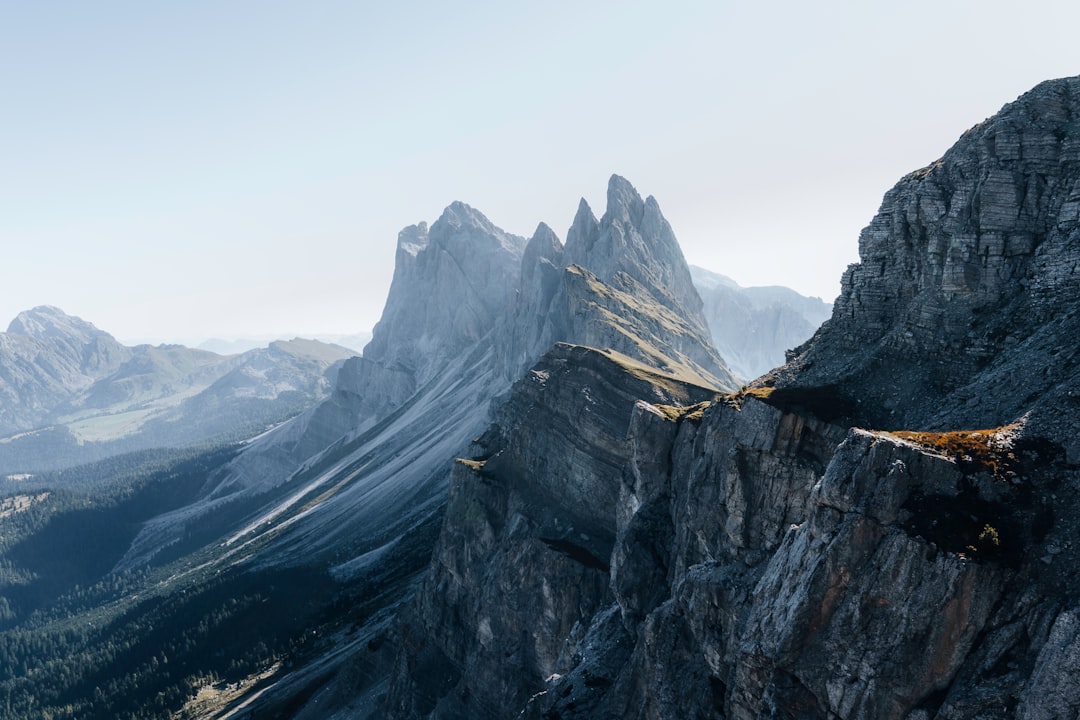
If the hill-town rhythm suits you, Italy has more of it. The Amalfi Coast trades vineyards for sea cliffs on a tighter, busier road south of Naples, while the Dolomites swap Tuscan gold for limestone peaks in the north. The Chianti Road also sits in our wine and food routes collection, alongside other drives built around what ends up in the glass and on the plate.
Frequently asked questions
How long is the Chianti Road and how many days do you need?
The drive is about 110 km from Florence to Siena, including the eastern extension around Radda and Gaiole. The distance is short, but two days lets you taste, eat and walk the hill towns properly instead of driving past them.
Can you drive the Chianti Road in one day?
You can cover Florence to Siena on the SR222 in a single day with one or two stops, but you lose most of the reason to come. Chianti rewards a slow pace, a booked tasting, and a night in the hills near Castellina.
When is the best time to drive through Chianti?
April to June and September to October. Spring brings wildflowers between the vines, and autumn brings the harvest and the vineyards turning colour, especially around Radda. Midsummer is hot and crowded, and businesses thin out around mid-August.
Do you need a car to visit the Chianti wine region?
A car is the practical way to link the villages and reach the estates, since public transport between them is thin. The route is rated easy and suits any vehicle, an EV included, so the real planning is a sober driver and parking outside the town walls.
What wine is the Chianti Road known for?
Chianti Classico, a sangiovese-based red made in the hills between Florence and Siena and sealed with a black rooster. Greve's Enoteca Falorni is a good place to compare producers in one stop before visiting a single estate.
Read the full Chianti Road route guide for the stop-by-stop plan, and open the interactive map to fit the SR222 into a longer Tuscan trip.