The best time to drive Route 66 is spring (April to May) or fall (September to October). In those windows the Southwest deserts are warm rather than dangerous, the higher stretches of Arizona and New Mexico are clear of snow, and northern Illinois has shaken off winter. You trade the crowds and the heat of high summer for mild days, cool nights, and the long golden light that makes the Mother Road photograph the way you remember it.
Route 66 runs 3,940 km from Chicago to the Santa Monica Pier, and a full drive takes two to three weeks. Because the road crosses eight states and climbs from prairie to high desert, no single month is perfect everywhere. The trick is to match your start date to the direction you are driving.
The short answer
- Best overall: late April to May, and mid-September to mid-October.
- Hottest and busiest: June to August, especially across the Mojave and the Texas Panhandle.
- Quietest and cheapest: November to March, but expect closures and snow on the northern and high-desert sections.
- Direction tip: if you start in spring, drive east to west so you reach the desert before it bakes. In fall, west to east keeps you ahead of the first northern cold snaps.
Route 66 season by season
Spring (April to May)
This is the classic window. Wildflowers cover the plains, the Petrified Forest and the New Mexico mesas are comfortable by day, and motels along the route are open but not yet full. Nights are still cool, so pack layers for the high country around Flagstaff.
Summer (June to August)
Summer is the busiest season and the one to plan around carefully. Daytime temperatures across the Mojave and around Oatman regularly climb past 40 C, which is hard on both travellers and older cars. If you go in summer, drive the desert legs early in the morning, carry extra water, and keep your fuel topped up through the long gaps the route is known for.
Fall (September to October)
Many drivers consider fall the single best time to go. The summer heat has broken, the light turns warm and low, and the crowds thin out after Labor Day. Diners and roadside attractions are still open, and the desert is at its most photogenic. Aim to finish the northern Illinois and Missouri stretches before late October.
Winter (November to March)
Winter is quiet, atmospheric, and cheap, but it asks more of you. Northern Illinois and the higher Arizona and New Mexico sections see snow and ice, and some seasonal attractions and motels close. A normal car is still fine on the paved route, but check forecasts daily and be ready to detour onto the Interstate when weather closes the old alignments.
How long do you really need?
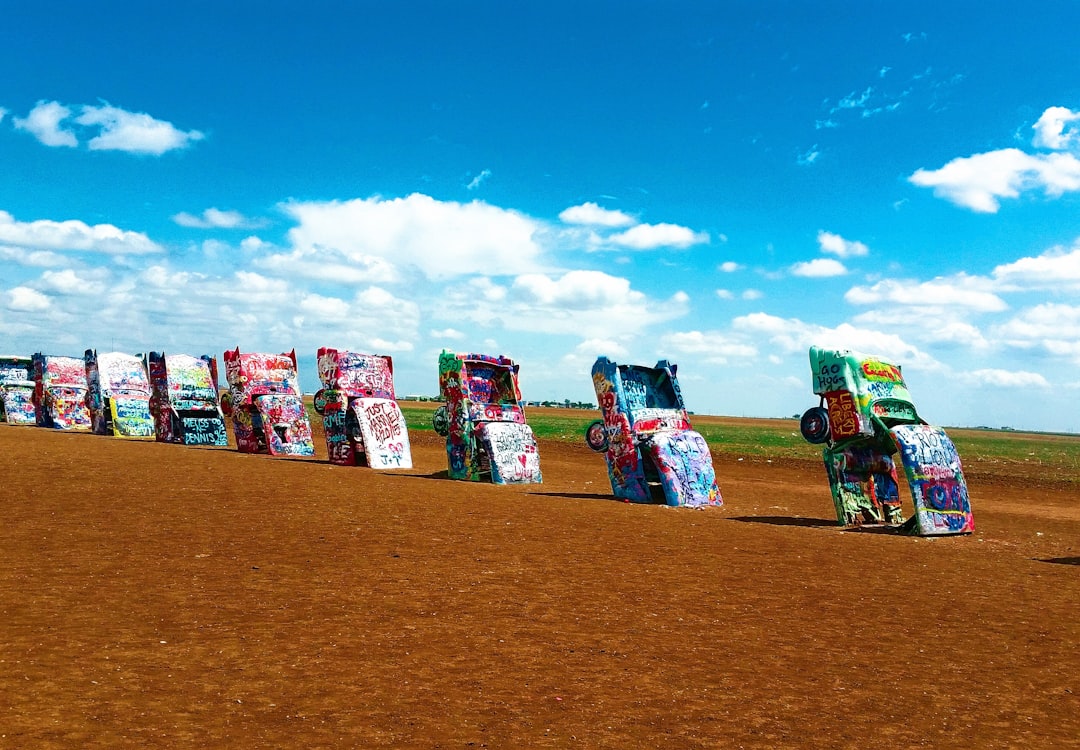
For the full Chicago to Santa Monica run, give yourself two to three weeks. That pace lets you actually stop at the places people remember: Cadillac Ranch outside Amarillo, the Gateway Arch in St. Louis, the ghost town of Glenrio, the Wigwam Motel, and the long climb down to the Santa Monica Pier.
If you only have a week, drive one strong segment instead of rushing the whole thing. The stretch from Albuquerque to the California coast packs in the most desert scenery and the most surviving neon, and it pairs well with a later return for the eastern half.
Month-by-month quick guide
| Month | Conditions | Verdict |
|---|---|---|
| Jan to Mar | Cold north, snow risk in the high desert | Off-season, plan detours |
| Apr to May | Mild, green plains, open motels | Excellent |
| Jun to Aug | Hot deserts, peak crowds | Doable with care |
| Sep to Oct | Warm light, thinning crowds | Best of all |
| Nov to Dec | Quiet, cheap, early snow | For flexible travellers |
What to plan around in the shoulder seasons
Even in the ideal months, the route rewards a little preparation:
- Layers, not bulk. Desert days are warm and desert nights are cold. The same is true in spring on the high plains.
- A loose fuel plan. Original alignments run far from services, so fill up when you can rather than when you must.
- Patience with signage. Many old sections have been bypassed by Interstates 55, 44, 40, and 15, so a mapped route saves a lot of guesswork.
Route 66 is entirely paved and easy to follow, which is what makes it such a forgiving first big road trip. The planning is less about the driving and more about the timing.
Frequently asked questions
What is the cheapest time to drive Route 66?
The cheapest time is the off-season, roughly November to March, when motel rates drop and the road is quiet. The trade-off is winter weather on the northern and high-desert stretches and a number of seasonal closures.
Can you drive Route 66 in winter?
Yes, but with care. The route stays paved and the Interstates that parallel it are kept clear, so you can always detour around snow. Watch the forecast for northern Illinois and the higher sections of Arizona and New Mexico, and keep your days short.
How many days do you need for Route 66?
Plan for two to three weeks to drive the full 3,940 km and still stop for the diners, motels, and roadside giants that define the trip. A single strong week covers one half of the route at a relaxed pace.
Is Route 66 good for an electric car?
It works well. Route 66 is EV-friendly, with charging coverage across most of its length, though the long desert gaps mean you should plan charging stops in advance on the western legs.
Plan your own Route 66 trip
See the full mapped itinerary, every stop, and the practical notes on our Route 66 route guide, or open it on the interactive map to plan your own pace.
Chasing more iconic American drives? Compare Route 66 with the Pacific Coast Highway, the Blue Ridge Parkway, and the Natchez Trace Parkway.