The best road trips for photographers are Iceland's Ring Road, Namibia's Namib Desert Circuit, and Bolivia's Salar de Uyuni, three drives where a single day can fill a memory card with glaciers, apricot dunes, and mirror-flat salt. This guide ranks eleven catalog routes not by how easy they are to drive, but by how many frame-worthy scenes wait between the stops, and when the light is at its best.
These are not simply pretty roads. They are the ones that reward you for stopping at dawn, for waiting out a passing squall, and for driving a little farther than the guidebook suggests. Several are also our most photogenic desert roads and mountain passes, so if a single subject pulls at you, start there. Otherwise, plan the whole trip on the interactive map.
The 11 best photography road trips, compared
| # | Route | Country | Distance | Duration | Best season |
|---|---|---|---|---|---|
| 1 | Ring Road | Iceland | 1,332 km | 9 days | Jun to Sep |
| 2 | Namib Desert Circuit | Namibia | 1,400 km | 6 to 8 days | May to Oct |
| 3 | Salar de Uyuni Circuit | Bolivia | about 900 km | 3 days | May to Nov (dry) |
| 4 | The Dolomites | Italy | about 145 km | 3 days | Jun to Oct |
| 5 | Icefields Parkway | Canada | 232 km | 2 days | Jun to Sep |
| 6 | Pacific Coast Hwy | United States | 1,055 km | 4 to 7 days | Summer to Fall |
| 7 | Cappadocia Valleys Loop | Türkiye | 300 km | 4 days | Apr to Jun, Sep to Nov |
| 8 | Milford Sound Drive | New Zealand | 240 km return | 2 days | Nov to Apr |
| 9 | Great Ocean Road | Australia | 660 km | 3 days | Nov to Apr |
| 10 | Trollstigen | Norway | about 105 km plus ferry | 1 day | May to Oct |
| 11 | Death Valley | United States | 480 km | 3 days | Oct to Apr |
If you only do one: Iceland's Ring Road
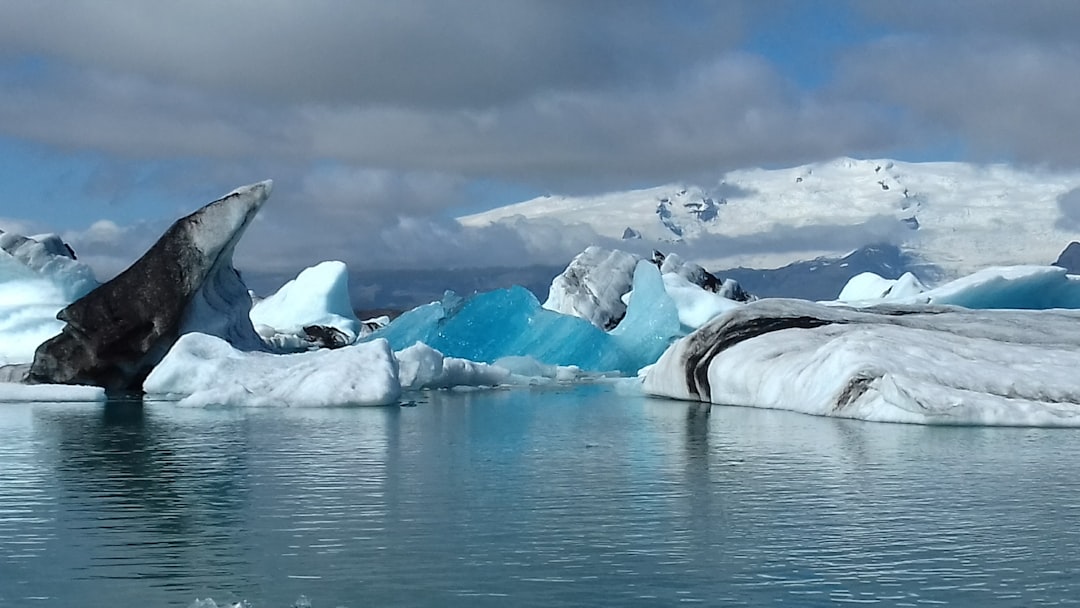
No single drive puts more variety in front of a lens than Iceland's Ring Road. In one nine-day clockwise loop of Route 1 you photograph the curtain of Seljalandsfoss, the icebergs drifting through Jökulsárlón glacier lagoon and washing up as jewels on the black sand of Diamond Beach, the volcanic country around Mývatn, and the fishing harbours of the north. Summer gives you near round-the-clock light, and the shoulder edges of the season add a chance of aurora. If you want one trip that teaches you every kind of landscape shot, this is it.
1. Ring Road, Iceland
The 1,332 km Ring Road is a nine-day circuit built for a camera. You can walk behind the falling water at Seljalandsfoss, shoot the blue-and-black contrast of Jökulsárlón and Diamond Beach, and frame the sea stacks and black beaches around Vík, all on the same highway. Drive it between June and September when the interior roads and side tracks are open, and use the long Icelandic evenings, when the sun barely sets, as your golden hour. An SUV handles the gravel spurs that lead to the quieter viewpoints.
2. Namib Desert Circuit, Namibia
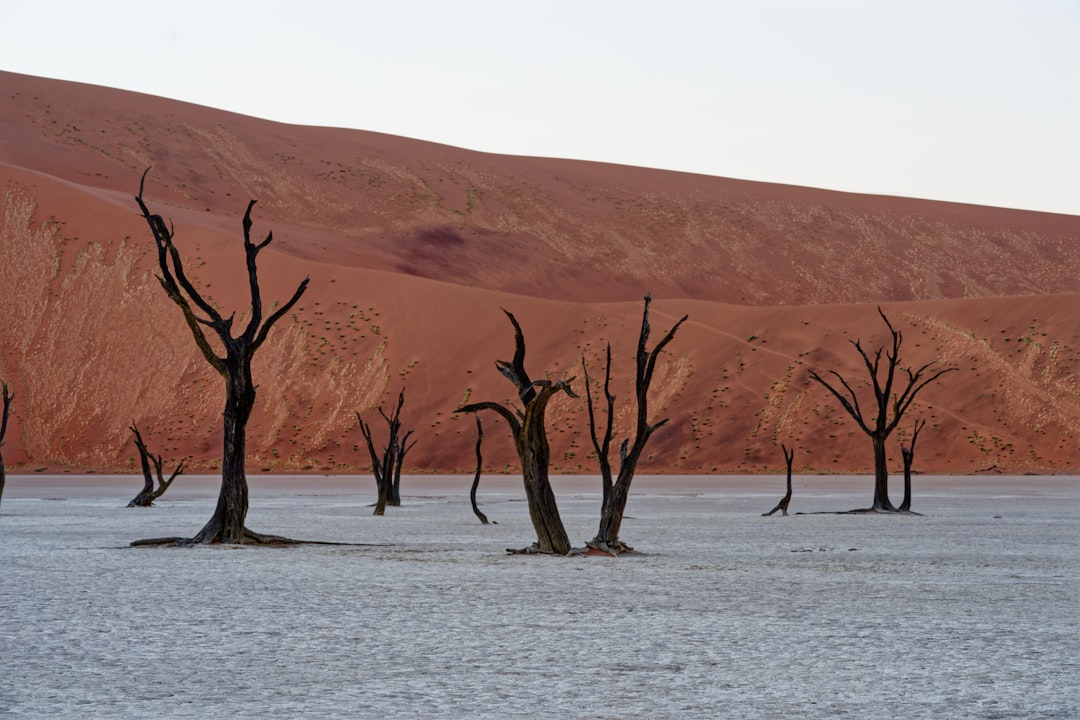
Namibia's Namib Desert Circuit is 1,400 km through the world's oldest and most photogenic desert. The 300 m apricot dunes of Sossusvlei glow at first light, and neighbouring Deadvlei sets bleached, 900-year-old camel-thorn skeletons against burnt-orange sand and a hard blue sky, one of the most photographed scenes on Earth. Add the sand-swallowed rooms of the Kolmanskop ghost town near Lüderitz and the vast gash of Fish River Canyon, and every day delivers a signature frame. Come between May and October in the dry season, shoot the dunes at dawn before the light flattens, and bring an SUV.
3. Salar de Uyuni Circuit, Bolivia
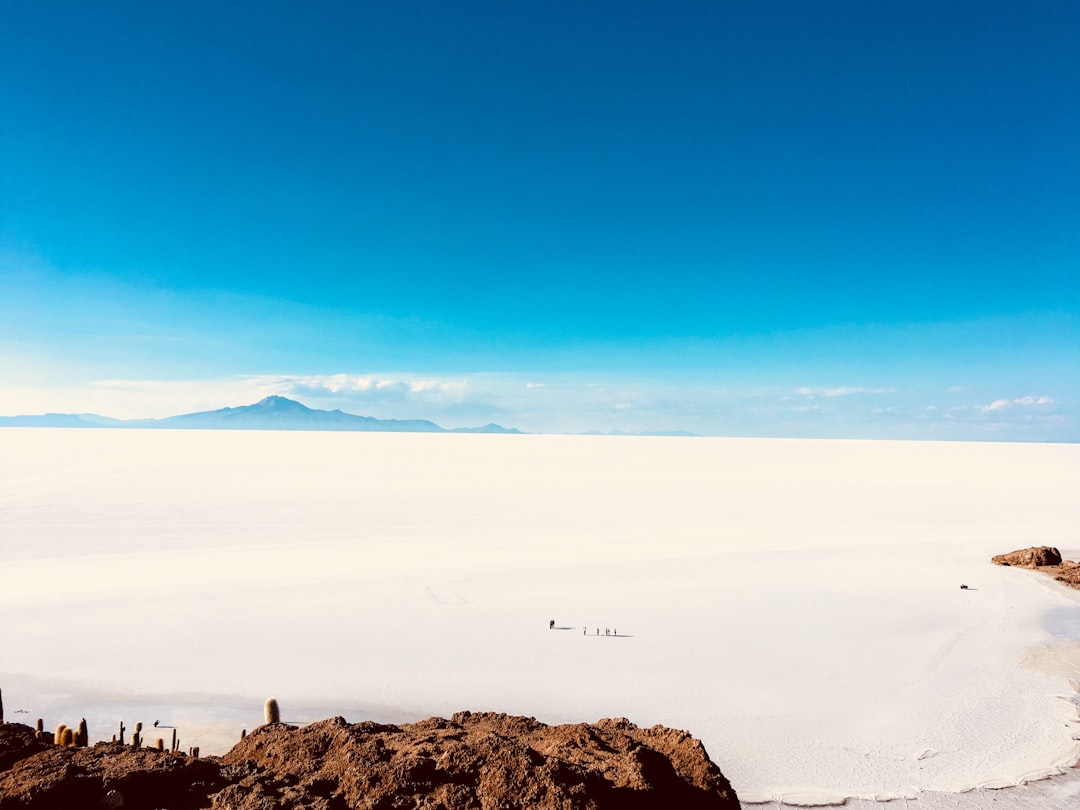
Bolivia's Salar de Uyuni Circuit crosses the largest salt flat on Earth, a 10,582 square kilometre sheet of white that plays with scale and perspective like nowhere else. In the May to November dry season you shoot the endless hexagonal salt tiles, the cactus-topped Incahuasi Island, and, farther south, the pink flamingos of Laguna Colorada and the deep tones of Laguna Verde beneath 5,000 m volcanoes. Time your visit for the wet months instead and the flat becomes a perfect mirror of the sky. This is a hard, high-altitude 4WD route best done with a guide, but photographically it has no equal.
4. The Dolomites, Italy
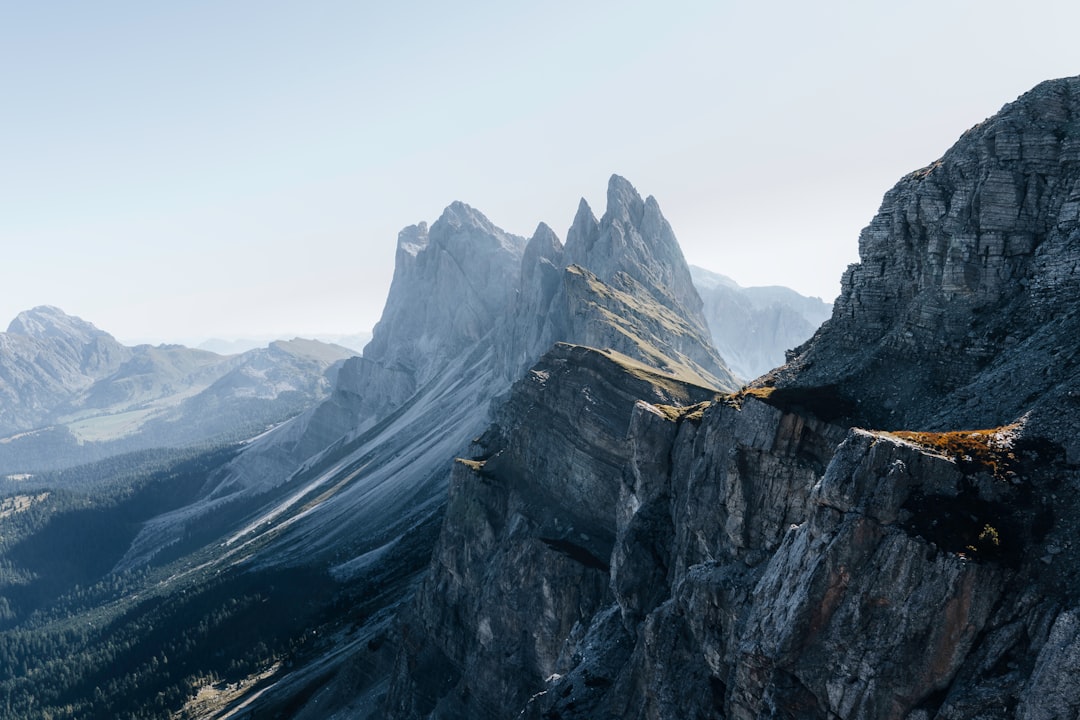
The Great Dolomites Road packs the drama of the Dolomites into about 145 km from Bolzano to Cortina d'Ampezzo. These pale limestone cathedrals catch a rose-gold alpenglow at sunrise and sunset that photographers plan whole trips around, and the switchbacks over Passo Pordoi and Passo Falzarego frame peaks above 3,000 m at every turn. Three unhurried days from June to October let you chase the light on the Sella massif and the Val di Fassa without rushing the passes.
5. Icefields Parkway, Canada
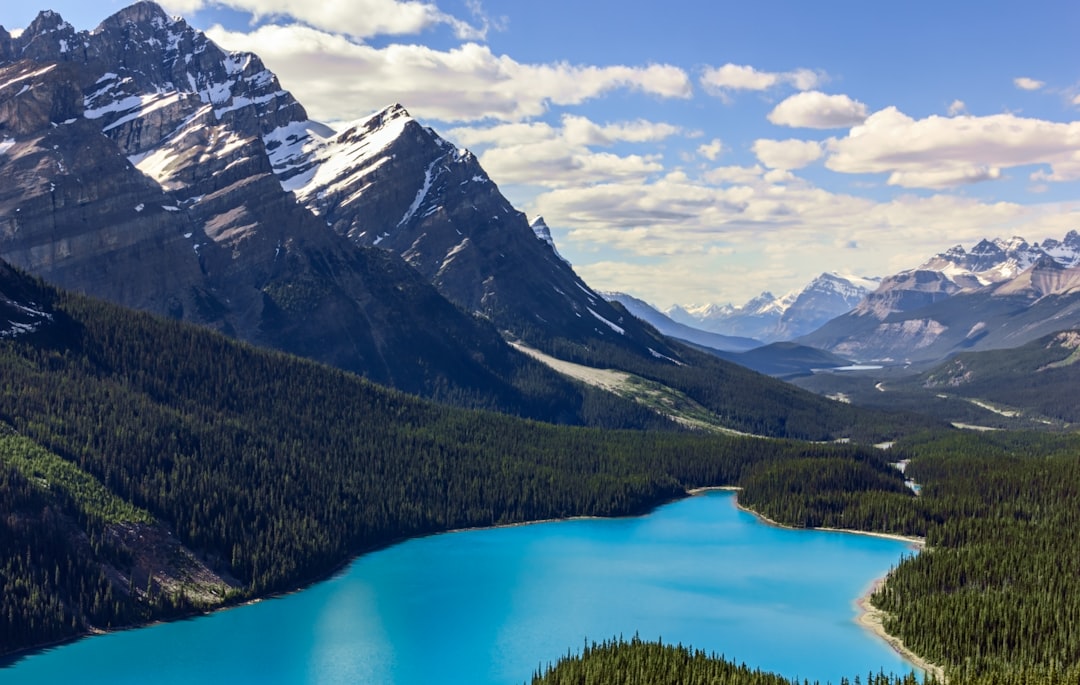
The 232 km Icefields Parkway between Lake Louise and Jasper strings together the most photographed lakes in the Canadian Rockies. Peyto Lake pools an unreal turquoise below a wolf-head headland, Bow Lake mirrors its glacier, and the shuttle-only Moraine Lake, run as a pre-trip extension, is the classic ten-peaks postcard. Athabasca and Sunwapta Falls add moving water, and the Columbia Icefield brings glacier ice to the roadside. Drive it from June to September when the high country and its short trails are clear.
6. Pacific Coast Hwy, United States
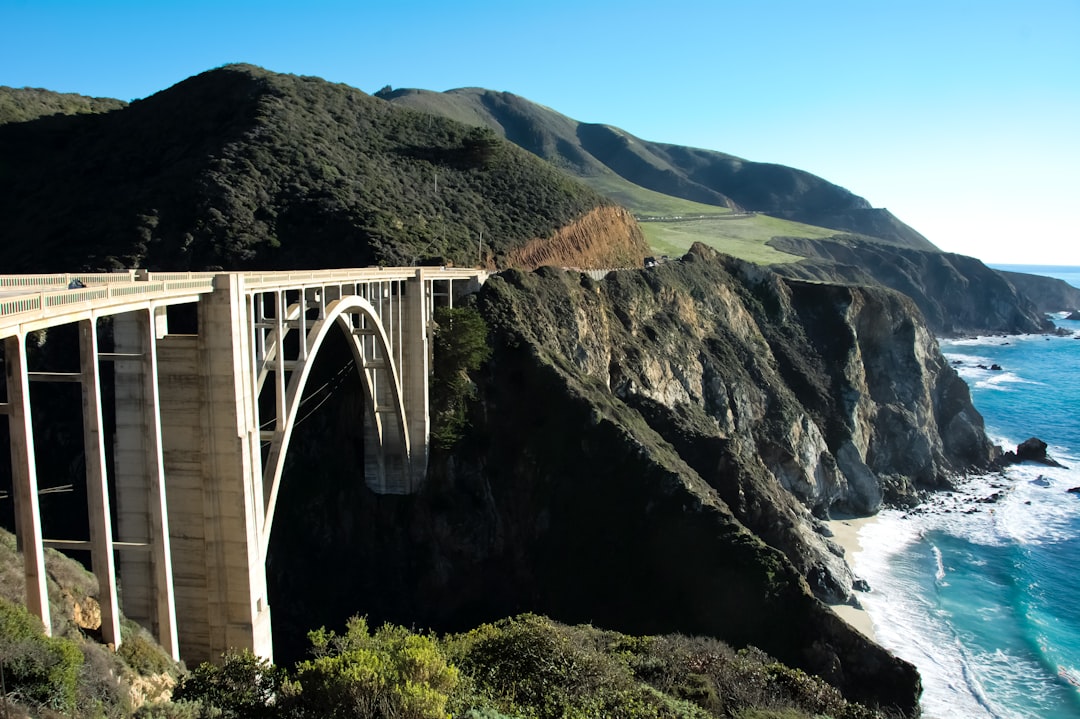
California Highway 1 was, in its maker's words, made for film shoots, and the 1,055 km Pacific Coast Highway still is. Bixby Creek Bridge arcs across a Big Sur canyon, McWay Falls drops straight onto a hidden beach, and the cliffs, redwoods, and coves between San Francisco and Los Angeles line up one coastal composition after another. Give it four to seven days, shoot the headlands at sunset when the Pacific haze turns gold, and start at the Golden Gate Bridge for the opening frame.
7. Cappadocia Valleys Loop, Türkiye
The 300 km Cappadocia Valleys Loop is built around the most surreal sunrise in travel photography: dozens of hot air balloons rising over the fairy chimneys of Göreme and Uçhisar. Beyond the balloons, the rock formations of Paşabağ, the cave villages, and the underground cities give you texture and shadow through the day. Come in April to June or September to November for stable ballooning weather and softer light, and set an early alarm, because the balloons launch at dawn.
8. Milford Sound Drive, New Zealand
The 240 km return Milford Sound Drive is Fiordland distilled into two days. The Mirror Lakes hold a flawless reflection of the Earl Mountains on a still morning, the Eglinton Valley opens into golden grass framed by peaks, and the road ends at Milford Sound, where Mitre Peak rises straight out of the water. It runs from November to April, and the region's famous rain is a feature, not a flaw: a downpour turns the fiord walls into a thousand temporary waterfalls.
9. Great Ocean Road, Australia
The 660 km Great Ocean Road delivers one of the world's most recognisable coastal frames, the Twelve Apostles, limestone stacks standing offshore in the Southern Ocean, best shot in the low light of sunrise or sunset when the crowds thin and the rock turns amber. The surf coast around Torquay and Lorne, the Otways rainforest, and the wilder shore out to Port Fairy fill the days between. Drive it from November to April in the Australian summer for the longest, warmest evening light.
10. Trollstigen, Norway
Short but ferociously scenic, the roughly 105 km Trollstigen climbs eleven hairpins on a steep gradient with the 180 m Stigfossen waterfall pouring alongside. The purpose-built viewing platform at the top looks straight down the switchbacks, the single most dramatic road photograph in Norway, and the route continues down to Geiranger and the Flydalsjuvet overlook above the fjord. It opens roughly from May to October, and a single day is enough to shoot it in both directions and both lights.
11. Death Valley, United States
The 480 km run from Las Vegas to Stovepipe Wells through Death Valley is a masterclass in desert light. Zabriskie Point at sunrise sets the standard, its rippled golden badlands catching the first sun, while Artist's Palette glows in mineral pinks and greens, Badwater Basin cracks into salt polygons 86 m below sea level, and the Mesquite Flat Dunes throw long shadows at either end of the day. Drive it between October and April to avoid the killing summer heat, and climb to Dante's View for the wide panorama.
Frequently asked questions
What is the best road trip for photography?
Iceland's Ring Road is the most complete photography road trip because a single nine-day loop covers waterfalls, glaciers, black-sand beaches, and volcanic country with long summer light. For pure desert drama, the Namib Desert Circuit and the Salar de Uyuni are close behind.
When is the best light for landscape photography on a road trip?
The hour after sunrise and the hour before sunset, often called golden hour, give the warm, low, directional light that flatters almost every scene on this list. Deserts like Namib and Death Valley reward dawn especially, before the midday sun flattens the dunes, while Iceland's near-midnight summer sun stretches golden hour across much of the evening.
Which of these routes is best for photographing the night sky?
The Namib Desert Circuit, Death Valley, and the Salar de Uyuni sit under some of the darkest skies on the planet, with dry air and almost no light pollution, so they are the strongest choices for Milky Way and star photography. Plan around a new moon and check each route's advisory before driving remote sections after dark.
Do I need a special vehicle to drive these routes?
Most of these drives, including the Pacific Coast Highway, the Great Ocean Road, and Trollstigen, are fully paved and fine in any car. The Namib Desert Circuit and Iceland's gravel spurs are best in an SUV, and the Salar de Uyuni is a hard 4WD route usually done with a guide, so match the vehicle to the route before you book.
Ready to build your shot list? Start with the full Iceland Ring Road guide, compare the rest on the interactive map, and let the light decide your itinerary.