The highest drives in Asia are a summer story
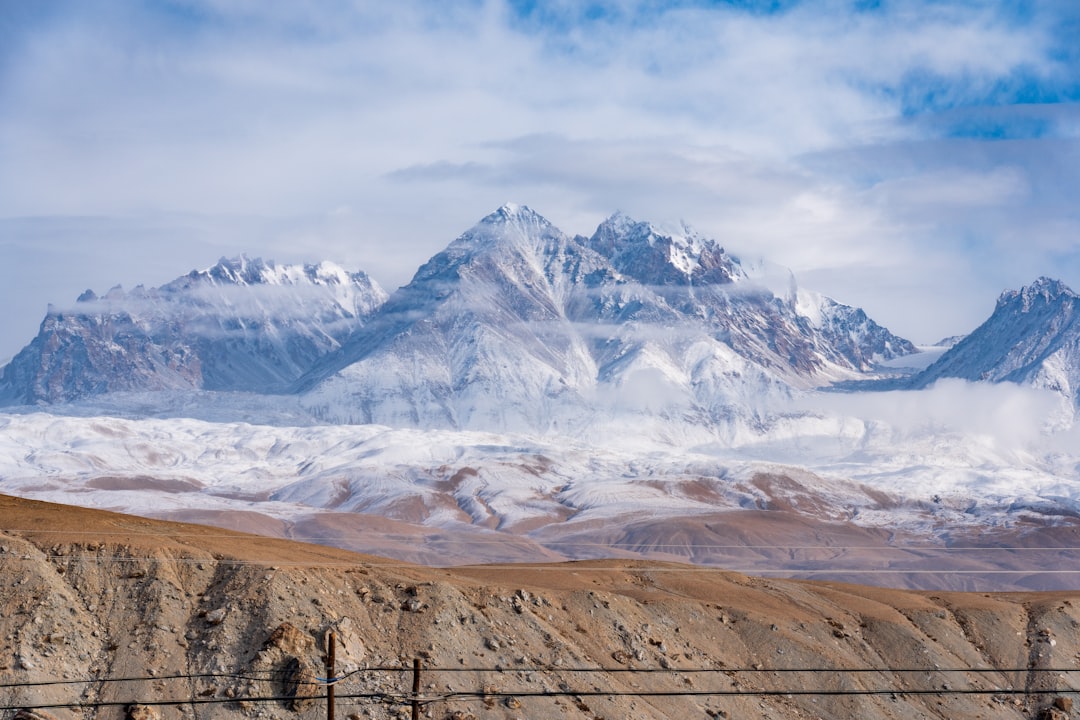
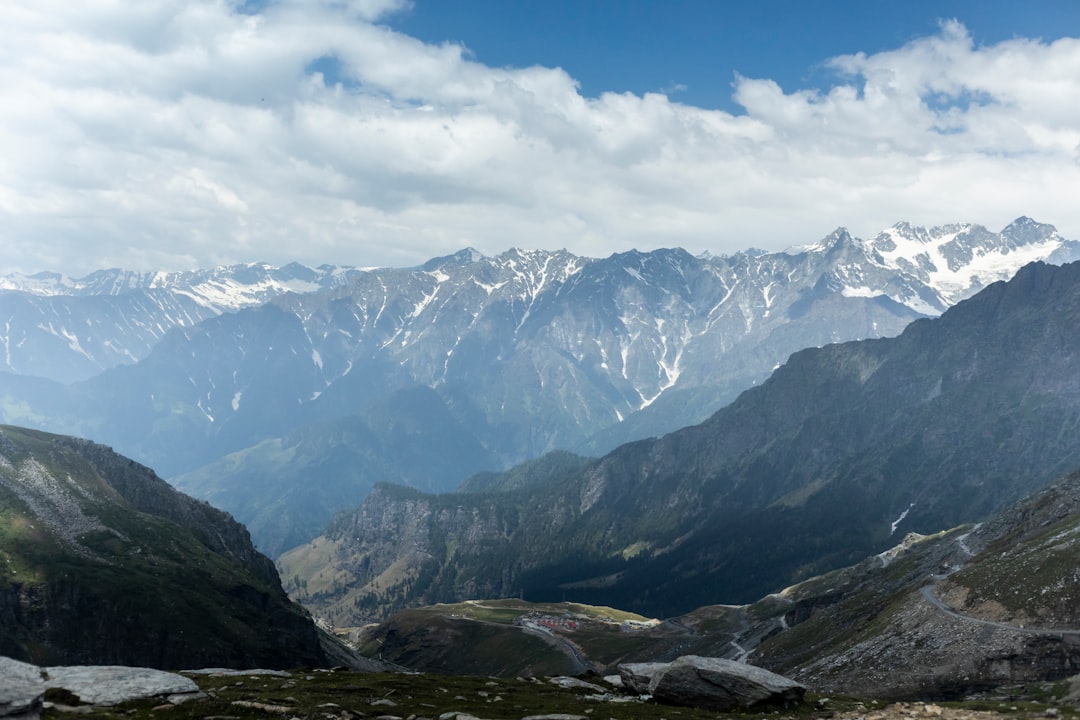
The best high-altitude road trips in Asia are the trans-Himalayan and Central Asian classics that only open once the snow clears. The G318 to Lhasa, the Leh to Manali Highway, the Karakoram Highway, and the Pamir Highway lead the field, and all four are at their reliable best from roughly June to September. Winter locks these passes behind metres of snow, so the short summer window is when the world's highest driveable roads become possible at all.
This is a ranked list of nine genuinely high roads across the Himalaya, the Karakoram, the Pamir, and the Tien Shan, built from real catalog data: distances, durations, and the months each road is dependably open. Every one links to its full route guide. If you want to browse the wider category, start with our Mountain Passes hub rather than treating this as the whole collection. Because these are the most demanding drives we cover, read each route's advisories carefully before you commit.
Ranked comparison table
| # | Route | Country | Distance | Duration | Best season |
|---|---|---|---|---|---|
| 1 | G318 Sichuan to Tibet Highway | China | 2,142 km | 16 to 18 days | May to Oct |
| 2 | Leh to Manali Highway | India | approx 475 km | 3 days | Jun to Sep |
| 3 | Karakoram Highway | Pakistan and China | approx 690 km | 7 days | May to Oct |
| 4 | Pamir Highway | Tajikistan | 1,252 km | 8 to 10 days | Jun to Sep |
| 5 | Srinagar to Leh to Manali Highway | India | approx 907 km | 6 days | Jun to Sep |
| 6 | Spiti Valley Circuit | India | approx 800 km | 10 days | mid Jun to Sep |
| 7 | Kyrgyzstan Loop | Kyrgyzstan | approx 1,600 km | 10 days | Jun to Sep |
| 8 | Wakhan Corridor Route | Tajikistan | approx 250 km | 4 to 6 days | Jun to Sep |
| 9 | Khardung La to Nubra Valley | India | approx 127 km one way | 2 days | May to Oct |
1. G318 Sichuan to Tibet Highway, China
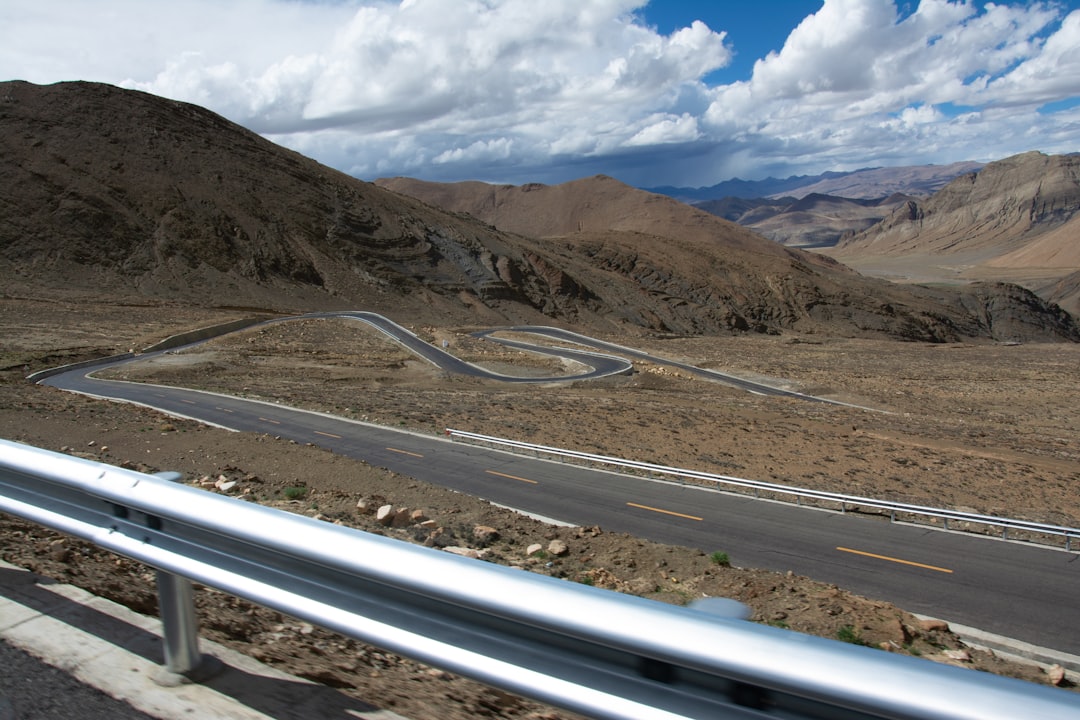
Called "the most beautiful road on Earth" by Chinese drivers, the G318 is the ceiling of this list in every sense. Over 2,142 km it climbs from the Chengdu basin through fourteen mountain passes above 4,000 m, crosses four great rivers, and finishes in Lhasa, the world's highest capital. The summer window runs May to October, and the sixteen to eighteen day schedule exists precisely to stage the ascent slowly through Kangding and Xinduqiao. Foreign travellers cannot do this as an independent rental trip: a licensed Chinese agency must arrange the fixed itinerary, guide, and Tibet Travel Permit, so plan it as an operator-led expedition, not a spontaneous drive.
2. Leh to Manali Highway, India
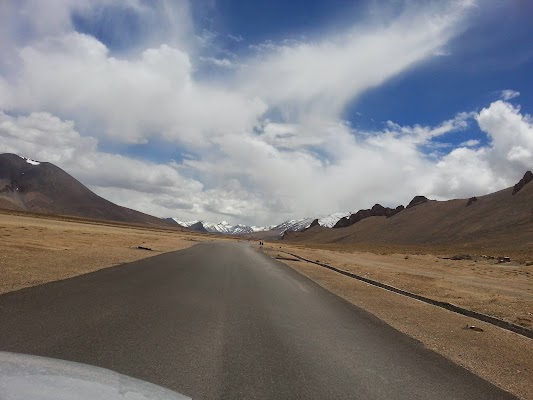
The Leh to Manali Highway is the classic high road of the Indian Himalaya, and the most attainable serious altitude drive here. In three daylight stages it runs over the More Plains and Tanglang La, past the Gata Loops and Sarchu, then through the reliable Atal Tunnel into Manali. Its usual season is June to September, once Baralacha La and Tanglang La are clear. The district administration advises at least 48 hours acclimatising in Leh before you set off, and this itinerary begins only after that. Snow, washouts, and construction can close sections without warning, so confirm the road each morning.
3. Karakoram Highway, Pakistan and China
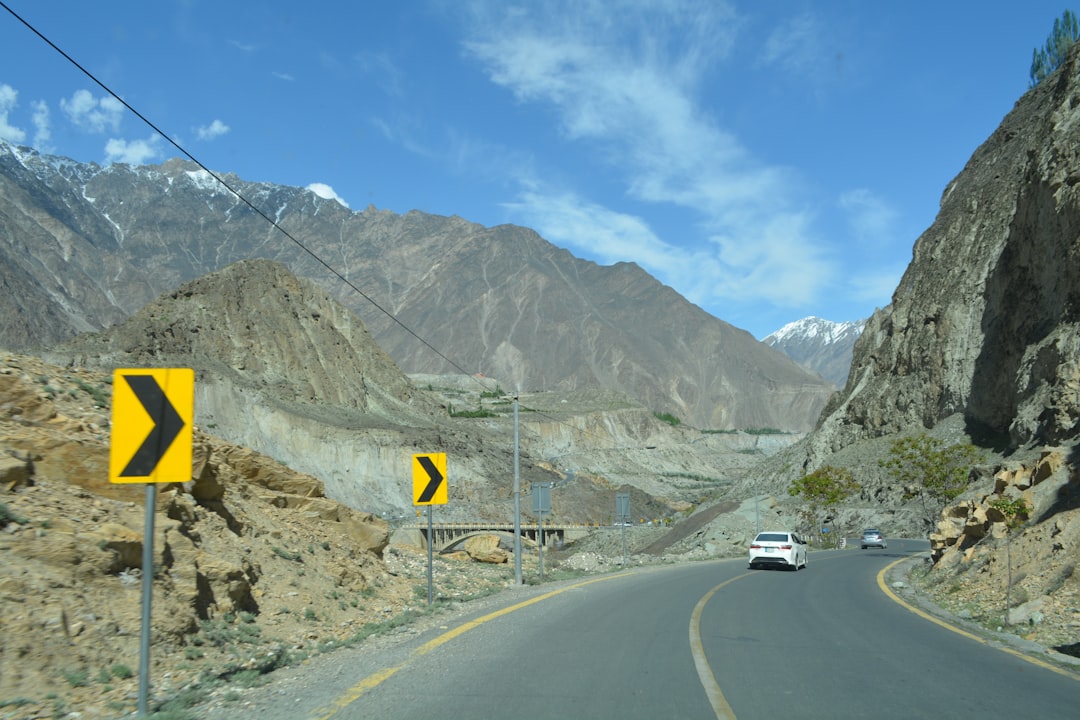
The Karakoram Highway is the great cross-border traverse of the world's most vertical mountains, a measured seven-day crossing from Gilgit through the apricot orchards of Hunza and Passu to Khunjerab Pass, then down to Tashkurgan, Karakul Lake, and Kashgar. Best driven May to October, it is an operator-led international vehicle crossing rather than an ordinary rental drive: China requires temporary import, registration, and a temporary Chinese licence arranged in advance. Khunjerab has run year-round since December 2024 but is normally closed on weekends, so reconfirm the exact day and hours before departure.
4. Pamir Highway, Tajikistan
The Pamir Highway is the roof of Central Asia, 1,252 km of thin air linking Dushanbe and Osh across the Ak-Baital Pass and the vast, treeless plateau around Murghab and Karakul. The classic west to east direction and an eight to ten day schedule preserve the normal western overnights and a high-plateau buffer for acclimatising. June to September is the window. A GBAO permit is required, and the route runs close to the Afghan frontier, where checkpoints and closures can appear at short notice, so carry spare fuel, water, cash, and a genuine weather buffer.
5. Srinagar to Leh to Manali Highway, India
If you want the whole trans-Himalayan traverse in one line rather than a single leg, the Srinagar to Leh to Manali Highway delivers 907 km from the Kashmir Valley over Zoji La to Sonamarg, Kargil, and Lamayuru, a full rest day in Leh, then the higher Leh to Manali leg to finish. Six days is the honest minimum, and the fourth day in Leh exists to supply the advised 48 hours of acclimatisation before the highest sections. June to September is the reliable season. Confirm Zoji La, Tanglang La, Baralacha La, and the Atal Tunnel status daily, because either highway can shut.
6. Spiti Valley Circuit, India
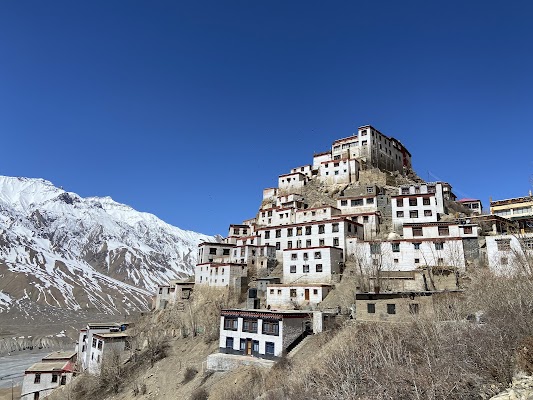
The Spiti Valley Circuit is the gentle way to gain altitude, a ten-day loop that climbs gradually through Kinnaur, Nako, and Tabo before giving Kaza, Dhankar, and the Pin Valley real time, then crossing Kunzum to Chandratal and Manali. That slow ascent is the point: it lets your body adjust where a faster route would not. The full circuit needs mid June to September, once Kunzum Pass and Chandratal are open. Foreign nationals should check the current Inner Line Permit for the protected Kinnaur and Spiti sections, and a high-clearance vehicle is essential for the broken, unpaved stretches.
7. Kyrgyzstan Loop, Kyrgyzstan
The Kyrgyzstan Loop is the most forgiving drive on this list, a 1,600 km national circuit through the Tien Shan that trades extreme passes for alpine meadows, yurt camps, and lakes. It runs from Bishkek to the high summer pastures of Song-Kul, the Silk Road caravanserai at Tash Rabat, and the south shore of Issyk-Kul before returning north. Rated moderate rather than hard, it still rewards June to September timing, and Song-Kul and Altyn Arashan need current road checks and high-clearance access. Ordinary cars should use licensed local transfers for the rough sections.
8. Wakhan Corridor Route, Tajikistan
The Wakhan Corridor Route is the Pamir's quieter, more atmospheric branch, a 250 km run along the Tajik side of the Wakhan from Khorog through Ishkashim to the fortresses of Kaahka and Yamchun, the hot springs at Bibi Fatima, and the ancient shrines of Vrang before ending at Langar. Four to six days lets the fortress and shrine days breathe. June to September is the season. This itinerary stays entirely in Tajikistan but follows the Afghan frontier closely, so a GBAO permit and a locally experienced driver-guide are required, and current advice warns of cross-border risks along the river.
9. Khardung La to Nubra Valley, India
Short, sharp, and unforgettable, the Khardung La to Nubra Valley crossing packs a legendary high pass into a two-day, 127 km out from Leh to Diskit and Hunder. Long famed as one of the world's highest motorable roads, Khardung La is not actually the record holder, but the drive up and over it onto the Nubra dunes is still one of the great short adventures in Ladakh. The season runs May to October. Spend the district-advised 48 hours acclimatising in Leh first, check the pass control that morning, and travel only in daylight on the broken upper surfaces.
If you only do one
Drive the Leh to Manali Highway. The G318 ranks first for sheer grandeur, but it is operator-only and needs almost three weeks, while the Karakoram and Pamir highways add international borders and permits. The Leh to Manali road gives you a genuine trans-Himalayan crossing over 5,000 m of passes in three days, on a route that a well-prepared traveller can organise without an agency. It is the most road-trip you can earn for the least logistics, and after two nights acclimatising in Leh it is ready to go the moment summer opens it.
Frequently asked questions
What is the best time for a high-altitude road trip in Asia?
Summer, roughly June to September, is the only dependable window for the highest Himalayan and Pamir roads. That is when passes such as Tanglang La, Baralacha La, Ak-Baital, and Khunjerab are clear of snow. A few routes stretch to May to October at their lower edges, but the peak passes need midsummer.
Which is the highest road trip in Asia?
By sustained altitude, the G318 to Lhasa is the highest on this list, crossing fourteen passes above 4,000 m and ending in the world's highest capital. For a single famous high point, Khardung La in Ladakh is the pass most travellers seek out, though it is not truly the highest motorable road despite the old signs.
Do you need a 4x4 for these Himalayan and Central Asian routes?
For most of them, yes, or at least a high-clearance SUV. The Pamir Highway, Kyrgyzstan Loop, and Wakhan Corridor are rated for 4WD, and the Indian Himalayan routes need a high-clearance vehicle for broken, unpaved, and water-crossing sections. Ordinary cars should use licensed local transfers on the roughest stretches.
How do you avoid altitude sickness on these drives?
Ascend slowly and build in acclimatisation. The Indian routes follow the Leh district administration's advice of at least 48 hours resting at altitude before the highest legs, and itineraries like Spiti and the Pamir deliberately gain height gradually. If you feel unwell, stop ascending, and on guided routes follow the operator's emergency plan.
Can you drive these routes independently or do you need a guide?
It varies by country. The Leh to Manali, Srinagar to Leh to Manali, Spiti, and Kyrgyzstan routes can be self-driven by prepared travellers, subject to permits. The G318, Karakoram Highway, Pamir Wakhan, and cross-border crossings are effectively operator-led or guide-required because of permits, vehicle-import rules, and frontier conditions.
Ready to plan your own summer at altitude? Read the full Leh to Manali Highway guide, browse the complete Mountain Passes collection, or plot a high route of your own on the interactive map.