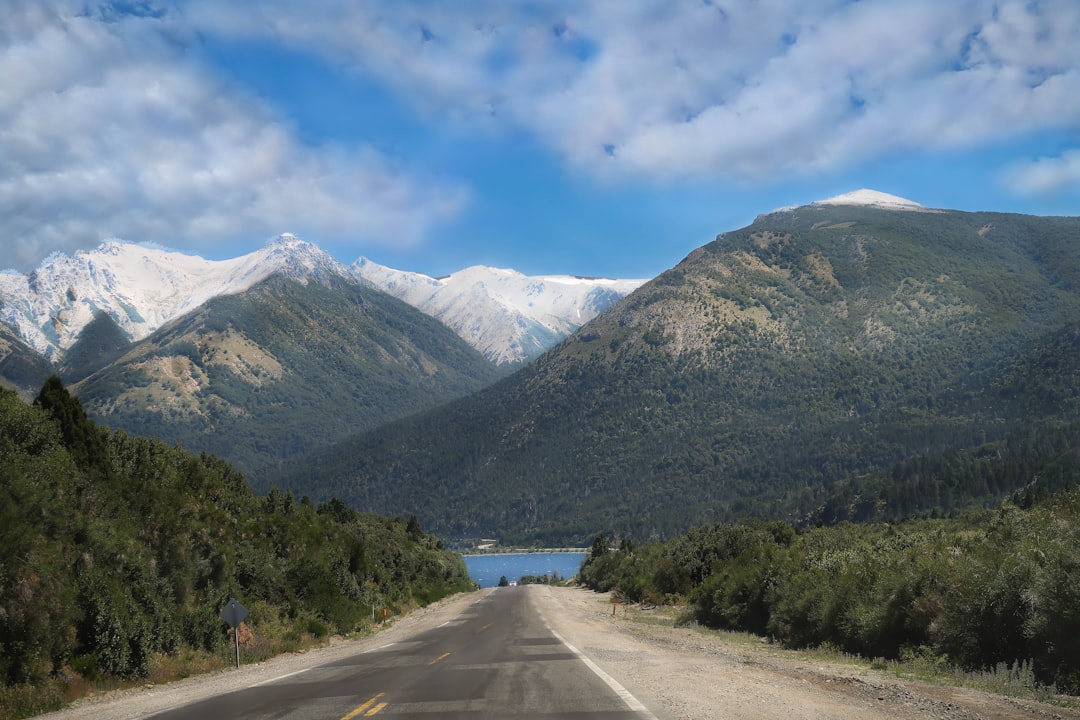
Bariloche Extension to the Route of the Seven Lakes
Argentina
In short: Bariloche Extension to the Route of the Seven Lakes is a about 193 km including Bariloche approach scenic road trip in Argentina, typically driven over 2 days, best in Nov–Apr. Highlights: Bariloche, Villa La Angostura, Lago Correntoso.
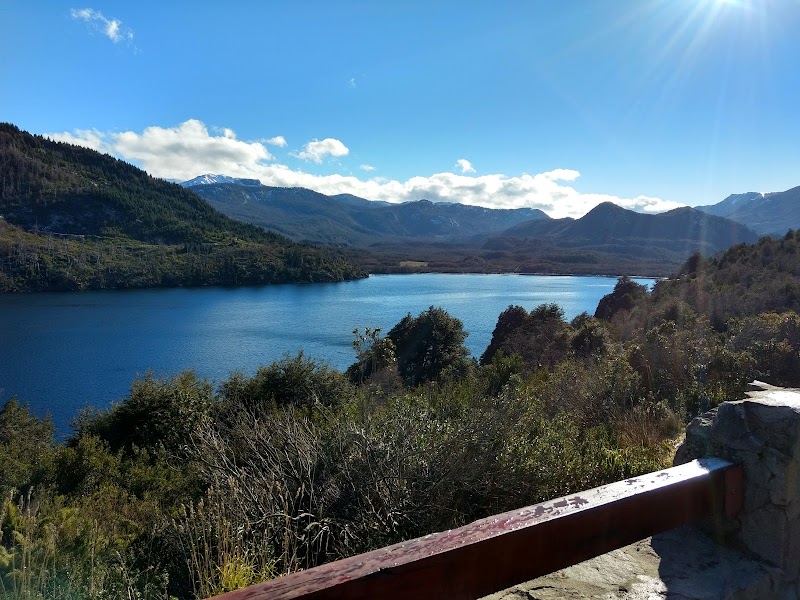
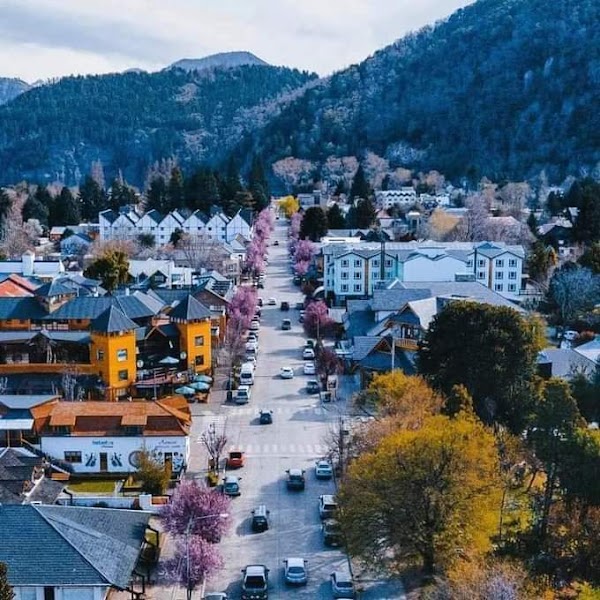
The most beautiful short drive in South America, Ruta Nacional 40 and Ruta Provincial 234 through the Andes foothills between Bariloche and San Martín de los Andes, threading through seven glacier-fed Andean lakes of extraordinary blue-green clarity: Nahuel Huapi, Espejo, Correntoso, Escondido, Villarino, Falkner, and Machónico. The Swiss Alps transplanted to Patagonia.
Make this route yours
Set your dates, pace, and taste, and RoadAtlas AI rebuilds this trip day by day with real, verified places.
Included with Traveler and Explorer plans.
Plan this trip
Third-party planning links may be affiliate links. RoadAtlas stays independent, and you should verify details with the provider.
Day-by-day itinerary
Day 1Bariloche to Villa La Angostura; reserved Los Arrayanes option
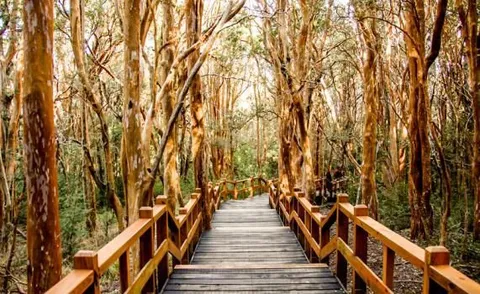
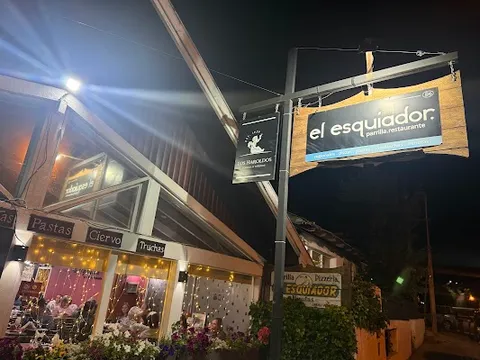
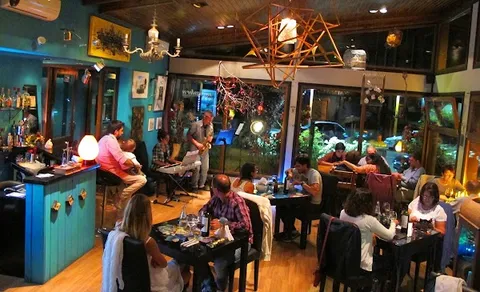
Los Arrayanes National Park · El Esquiador
Day 2Villa La Angostura to San Martín via the Seven Lakes corridor
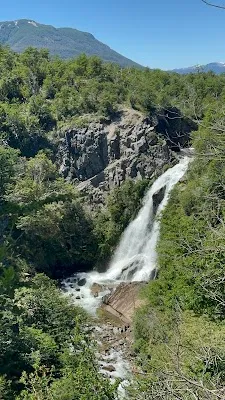
Cascada Vuliñanco · Lake Machónico signed viewpoint · Morphen
Stops along the route
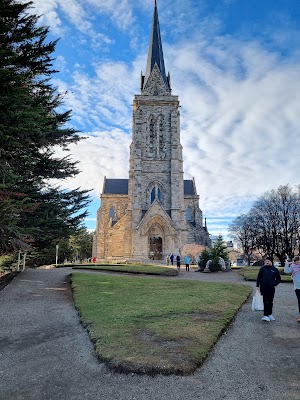
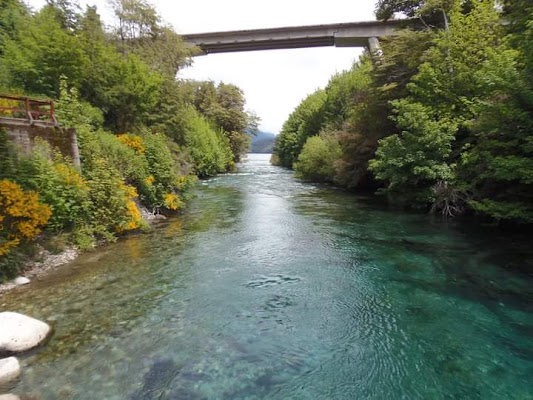
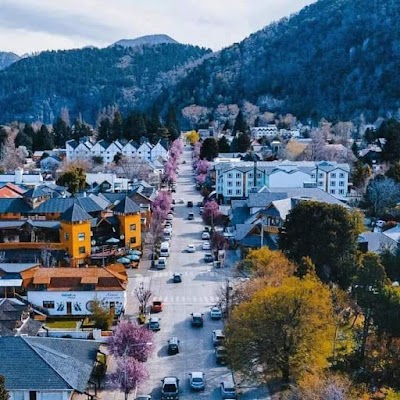
Things to Do
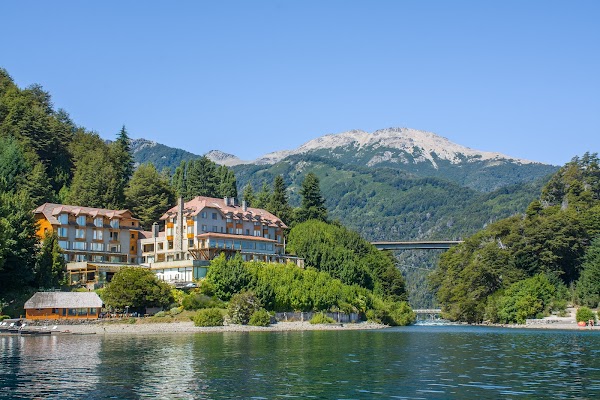
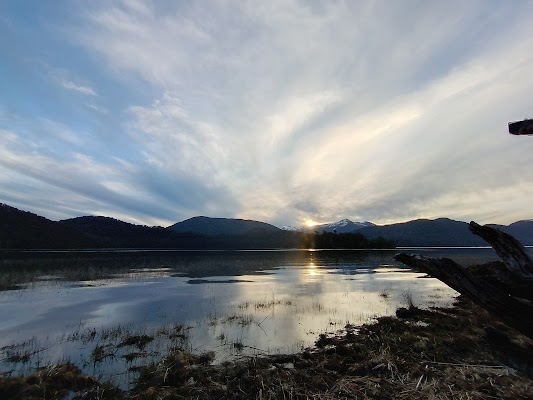
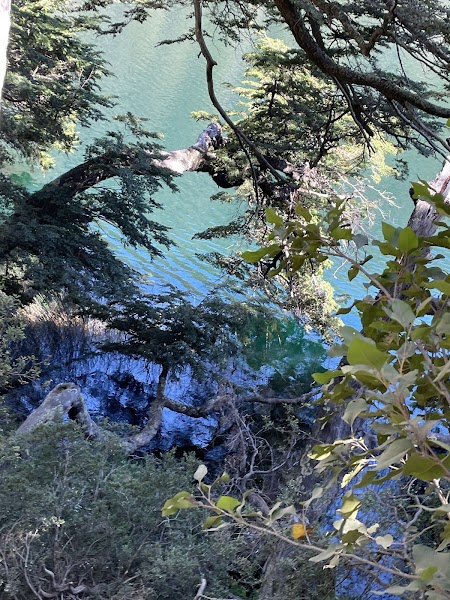
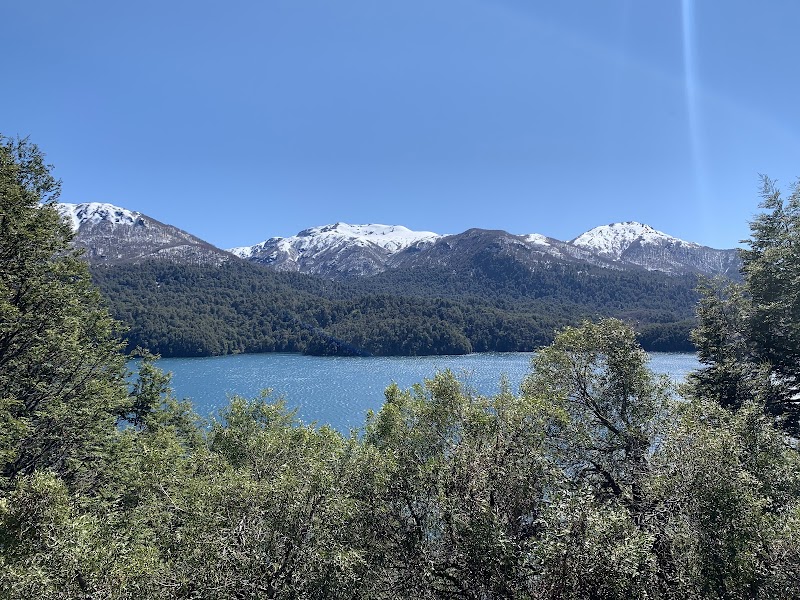
Show 3 more
Where to Eat
Nearby and similar drives
Frequently asked questions
How long is the Bariloche Extension to the Route of the Seven Lakes drive?
The Bariloche Extension to the Route of the Seven Lakes covers about 193 km including Bariloche approach from start to finish.
How long does the Bariloche Extension to the Route of the Seven Lakes take to drive?
Most travellers spend 2 days on the Bariloche Extension to the Route of the Seven Lakes, depending on stops and pace.
When is the best time to drive the Bariloche Extension to the Route of the Seven Lakes?
The recommended season for the Bariloche Extension to the Route of the Seven Lakes is Nov–Apr.
Where does the Bariloche Extension to the Route of the Seven Lakes start and end?
The Bariloche Extension to the Route of the Seven Lakes runs from Bariloche to San Martín de los Andes.
What are the main stops on the Bariloche Extension to the Route of the Seven Lakes?
The Bariloche Extension to the Route of the Seven Lakes passes through Bariloche, Villa La Angostura, Lago Correntoso.
How difficult is the Bariloche Extension to the Route of the Seven Lakes to drive?
The Bariloche Extension to the Route of the Seven Lakes is rated easy and is best handled with any vehicle.
Can I drive the Bariloche Extension to the Route of the Seven Lakes in a regular car?
Yes — the Bariloche Extension to the Route of the Seven Lakes is paved end-to-end and a regular car is fine in normal conditions.
Do I need a permit or border paperwork for the Bariloche Extension to the Route of the Seven Lakes?
Yes — the Bariloche Extension to the Route of the Seven Lakes requires permits, fees, or border paperwork. Plan ahead: The classic Villa La Angostura–San Martín segment is 110 km; this disclosed version includes the Bariloche approach. Prebook any Los Arrayanes navigation and obey the current 12 km trail entry cutoff. Check Vialidad/park weather and RN40 status the same day, carry chains when ordered, drive only in daylight and retain a closure alternative. Use formal pullouts only.
Is the Bariloche Extension to the Route of the Seven Lakes safe to drive?
The classic Villa La Angostura–San Martín segment is 110 km; this disclosed version includes the Bariloche approach. Prebook any Los Arrayanes navigation and obey the current 12 km trail entry cutoff. Check Vialidad/park weather and RN40 status the same day, carry chains when ordered, drive only in daylight and retain a closure alternative. Use formal pullouts only.
What scenic tier is the Bariloche Extension to the Route of the Seven Lakes?
The Bariloche Extension to the Route of the Seven Lakes is a legendary drive — The world's most extraordinary drives — once-in-a-lifetime road trips with cinematic scenery, legendary roads, and unmatched cultural depth.