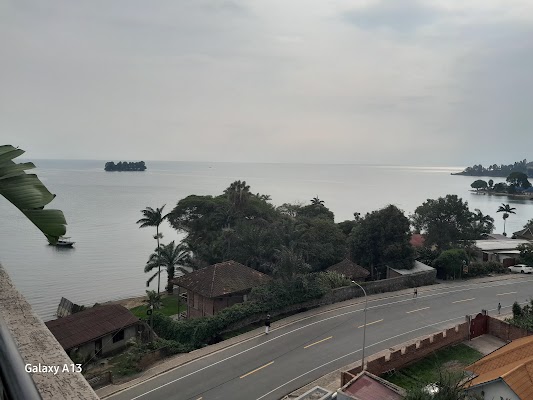
Lake Kivu Road Drive
Rwanda
In short: Lake Kivu Road Drive is a about 190 km to Nyamasheke scenic road trip in Rwanda, typically driven over 3 days, best in June to September. Highlights: Rubavu, Cyimbiri, Kinunu.
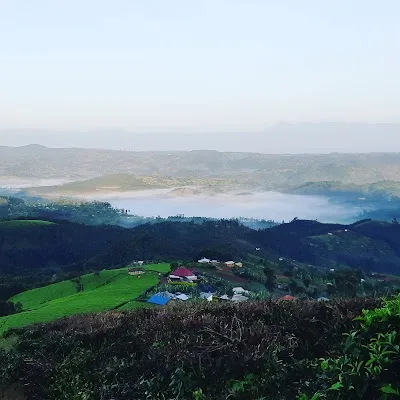
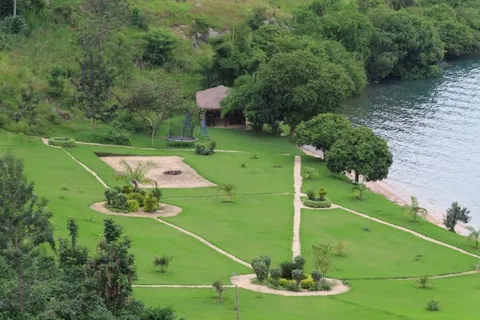
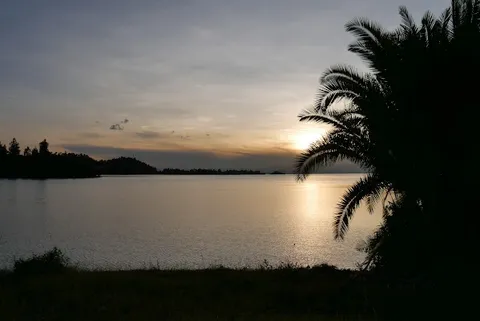
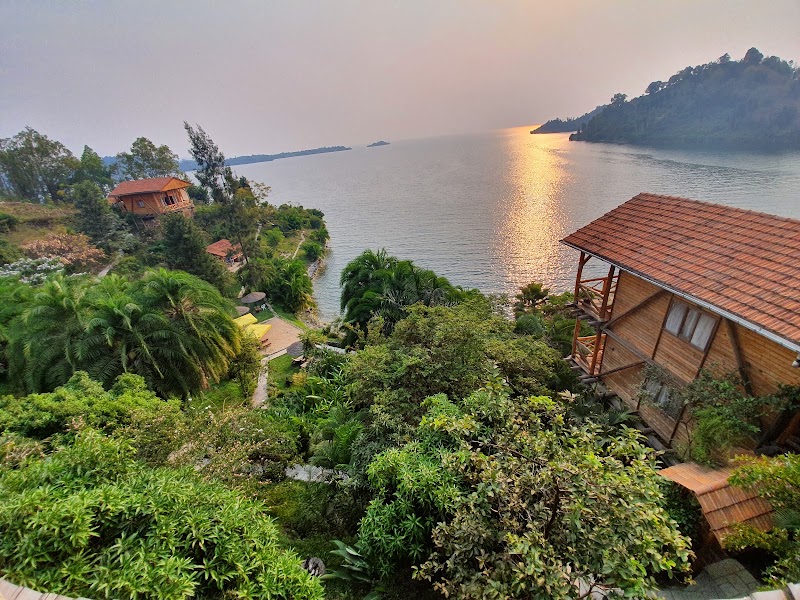
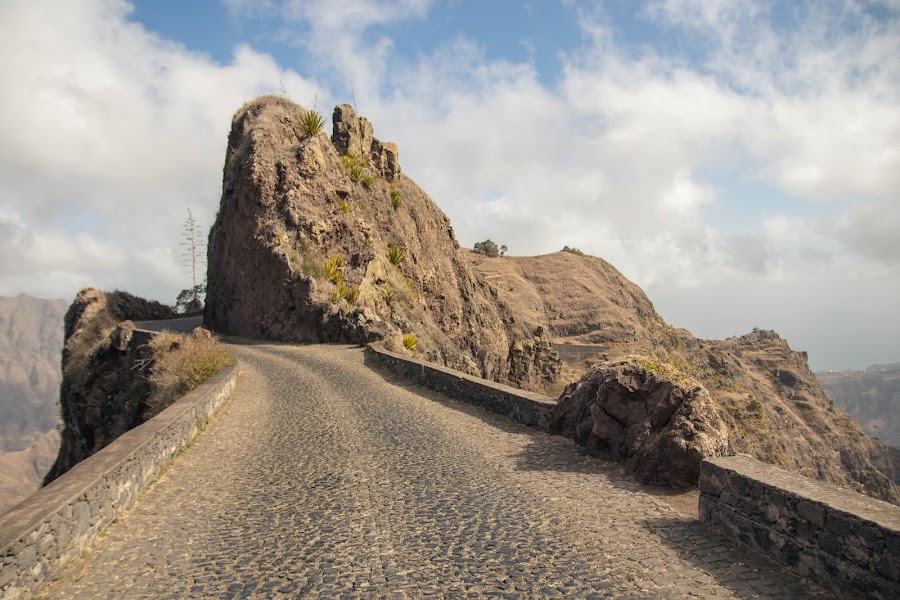
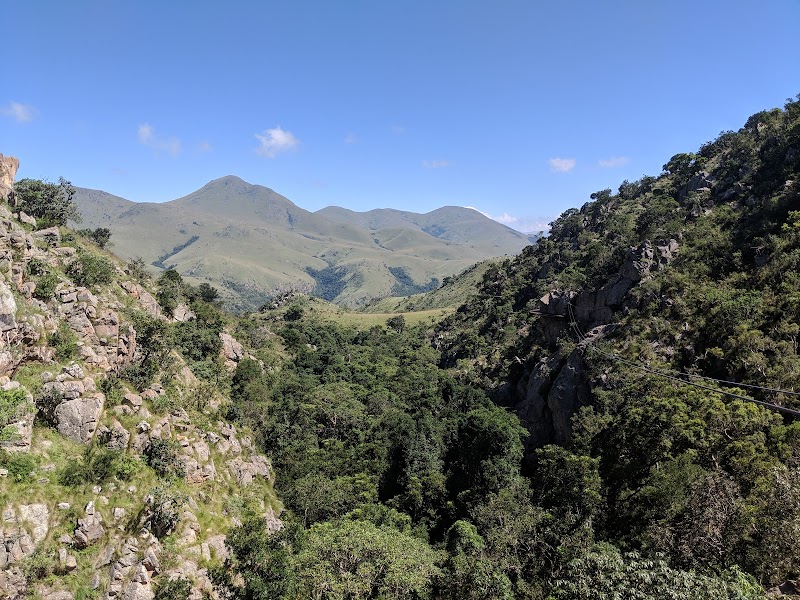
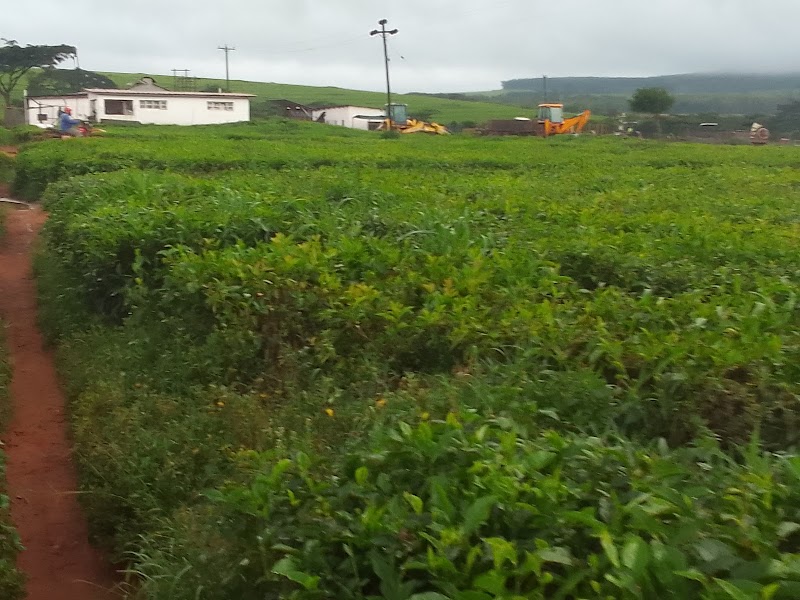
The Congo Nile Trail follows Rwanda’s lush western shore of Lake Kivu from Rubavu to Rusizi, winding through tea hills, lakeside villages, and ridge-top viewpoints. It is one of East Africa’s most scenic overland drives, with frequent stops for hiking, kayaking, and local guesthouses.
Make this route yours
Set your dates, pace, and taste, and RoadAtlas AI rebuilds this trip day by day with real, verified places.
Included with Traveler and Explorer plans.
Plan this trip
Third-party planning links may be affiliate links. RoadAtlas stays independent, and you should verify details with the provider.
Day-by-day itinerary
Day 1Rubavu to Kinunu via Cyimbiri
Prearranged Cyimbiri–Kinunu cycling stage · Coffee tour at Kinunu Washing Station · Kiyaga Restaurant at Lake Kivu Serena
Day 2Kinunu to Kibuye
Napoleon and Amahoro Islands, Kibuye · Cormoran Lodge restaurant
Day 3Kibuye to Nyamasheke endpoint
Nyungwe-adjacent tea hills viewpoints · Nyungwe Top View Hill Hotel restaurant
Stops along the route
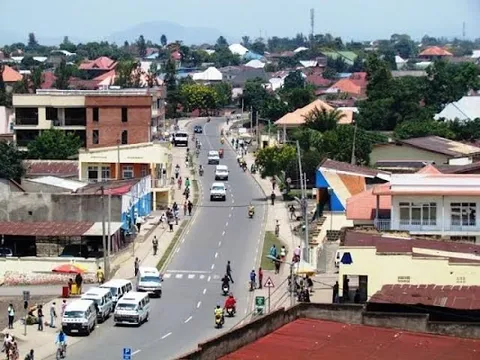
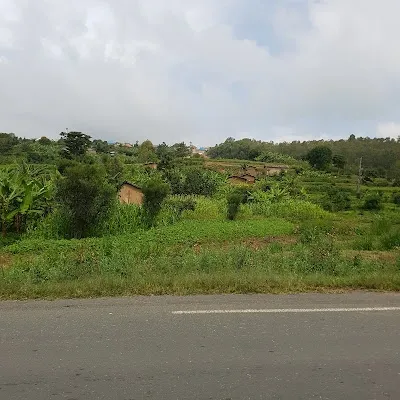
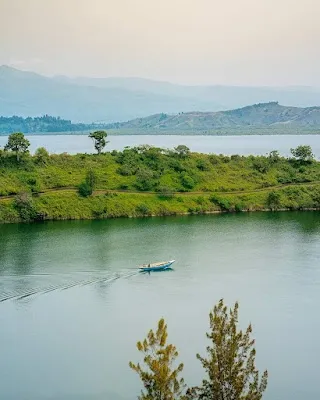
Things to Do
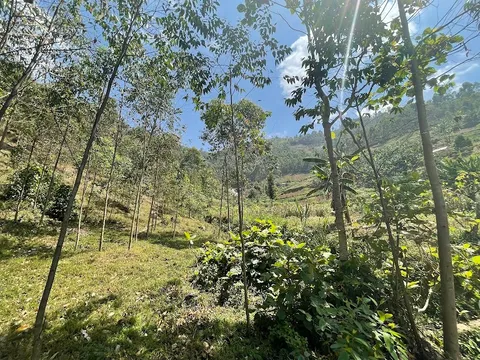
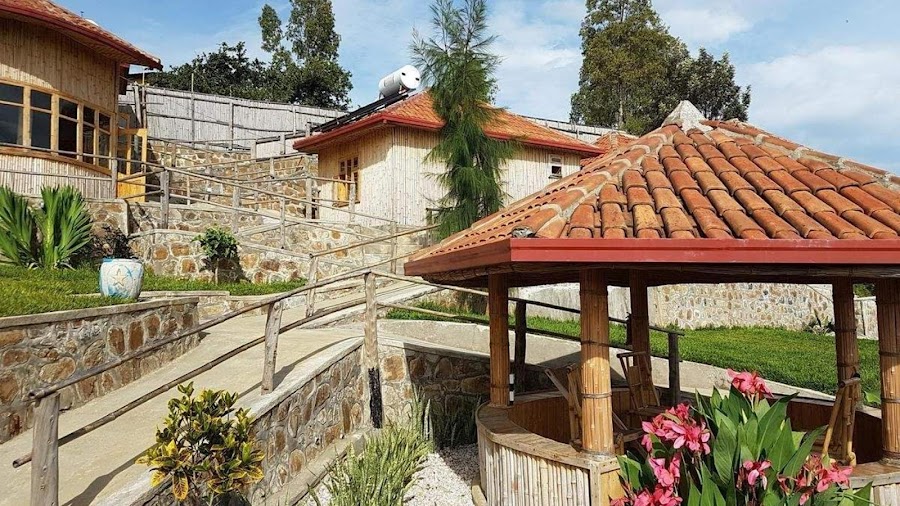

Show 2 more
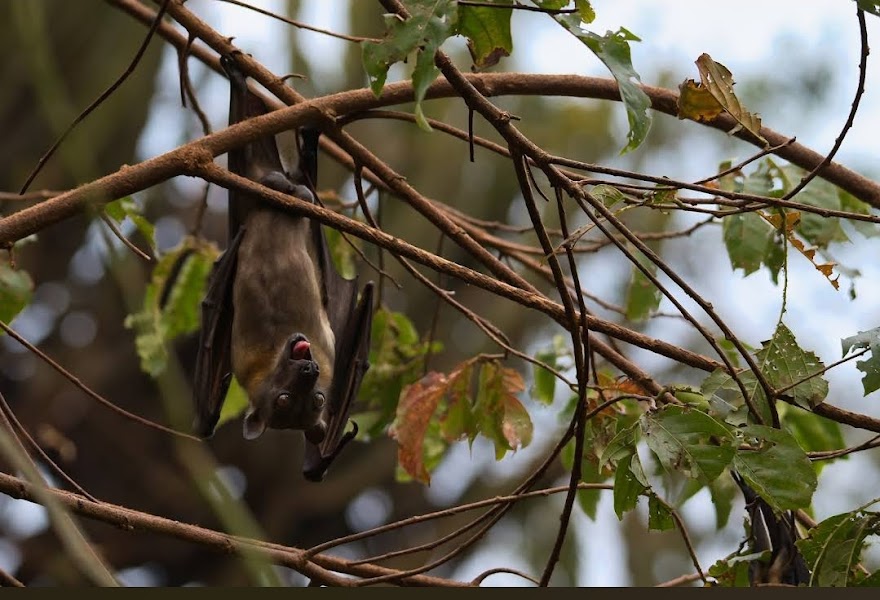
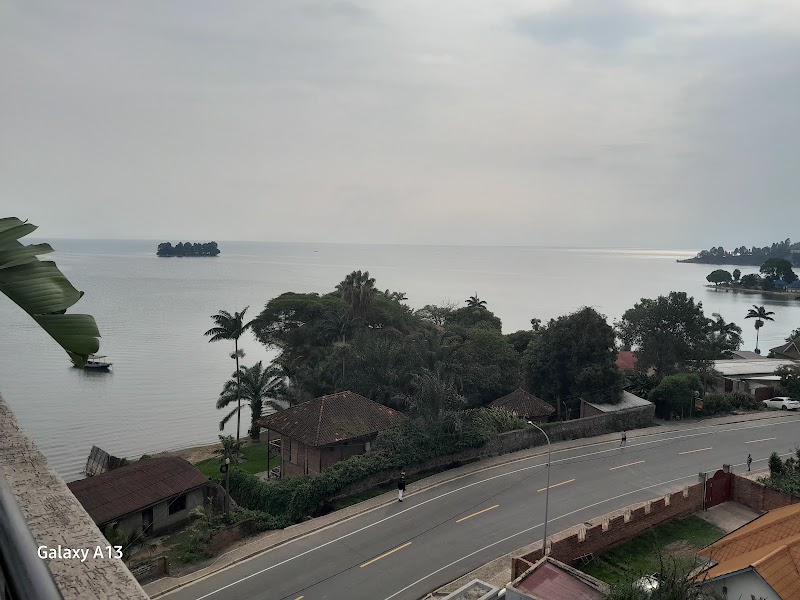
Where to Eat
Nearby and similar drives
Frequently asked questions
How long is the Lake Kivu Road Drive drive?
The Lake Kivu Road Drive covers about 190 km to Nyamasheke from start to finish.
How long does the Lake Kivu Road Drive take to drive?
Most travellers spend 3 days on the Lake Kivu Road Drive, depending on stops and pace.
When is the best time to drive the Lake Kivu Road Drive?
The recommended season for the Lake Kivu Road Drive is June to September.
Where does the Lake Kivu Road Drive start and end?
The Lake Kivu Road Drive runs from Rubavu to Nyamasheke.
What are the main stops on the Lake Kivu Road Drive?
The Lake Kivu Road Drive passes through Rubavu, Cyimbiri, Kinunu.
How difficult is the Lake Kivu Road Drive to drive?
The Lake Kivu Road Drive is rated moderate and is best handled with any vehicle.
Can I drive the Lake Kivu Road Drive in a regular car?
Yes — the Lake Kivu Road Drive is paved end-to-end and a regular car is fine in normal conditions.
Is the Lake Kivu Road Drive safe to drive?
This is a Lake Kivu road drive with one prearranged cycling stage, not the full official 227 km Congo Nile Trail. Coffee visits require advance arrangement. The route ends at Nyamasheke and does not continue to Kamembe, Rusizi, Lake Kivu islands in Rusizi District, or Kamembe Airport while advice warns against non-essential travel within 10 km of the DRC border there. Carry the original licence and a 1949 IDP, and check current DRC/Ebola border restrictions.
What scenic tier is the Lake Kivu Road Drive?
The Lake Kivu Road Drive is a iconic drive — Iconic road trips that anchor a region's reputation — postcard scenery, headline highways, and the routes most travellers want to drive.