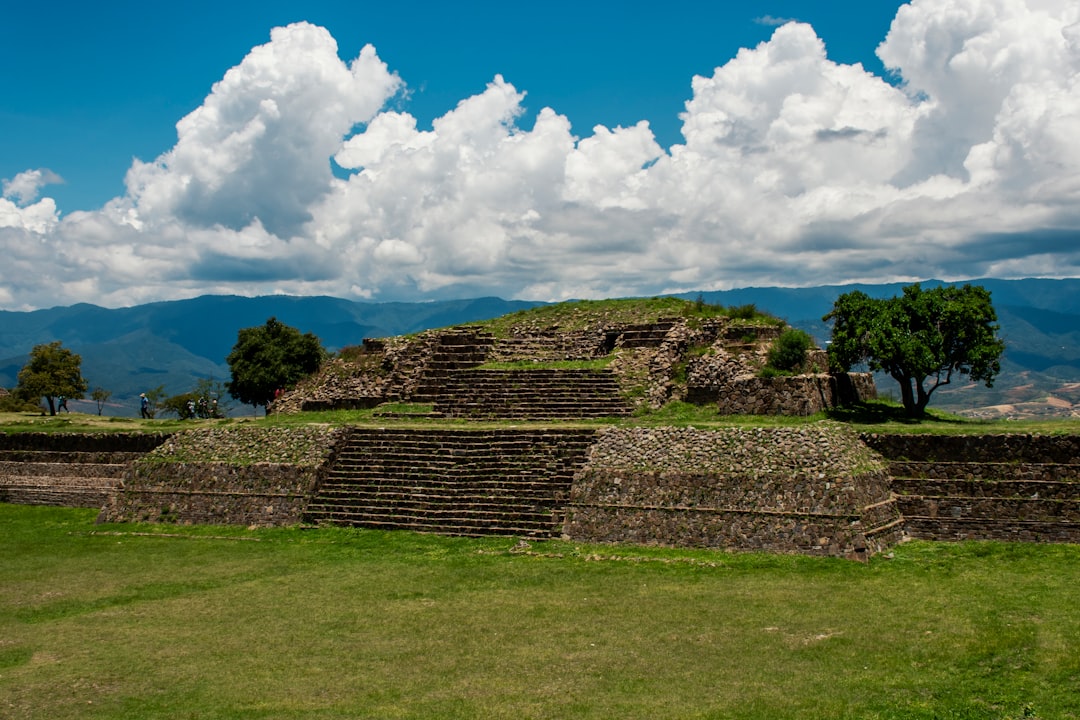
Oaxaca to the Pacific
Mexico
In short: Oaxaca to the Pacific is a 650 km plus coast excursions cultural road trip in Mexico, typically driven over 7 days, best in November – May. Highlights: Oaxaca City, Tlacolula, Mitla.
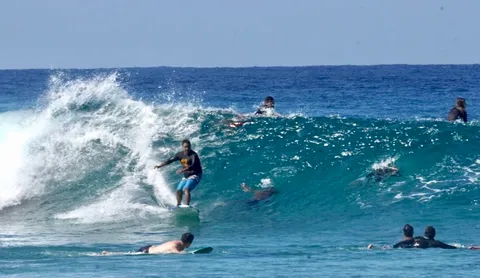
From 2,500-year-old Zapotec temples on cloud-wrapped peaks to mezcal villages in high pine valleys and world-class surf breaks, Oaxaca's mountain-to-coast road is Mexico's most culinarily and culturally intense drive.
Make this route yours
Set your dates, pace, and taste, and RoadAtlas AI rebuilds this trip day by day with real, verified places.
Included with Traveler and Explorer plans.
Plan this trip
Third-party planning links may be affiliate links. RoadAtlas stays independent, and you should verify details with the provider.
Day-by-day itinerary
Day 1Oaxaca City and Monte Albán
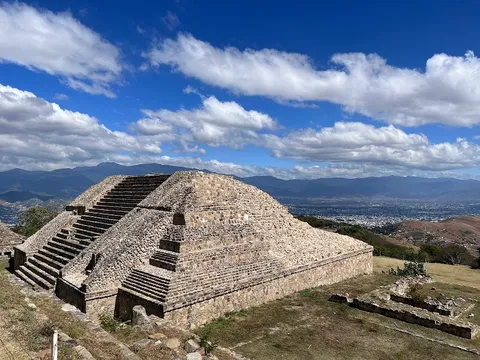
Monte Albán · San Bartolo Coyotepec black pottery workshops · Casa Taviche
Day 2Mitla, eastern valleys, and return to Oaxaca City
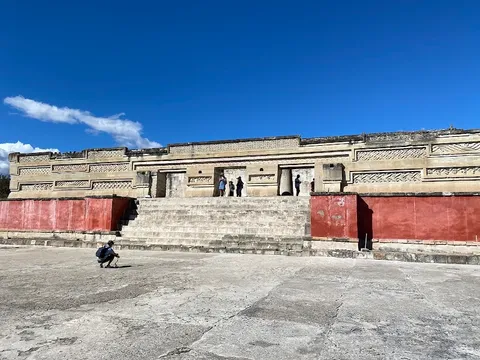
Mitla Archaeological Zone · Teotitlán del Valle weaving visit · Tlamanalli
Day 3Oaxaca City to the coast via Highway 175 and San José del Pacífico
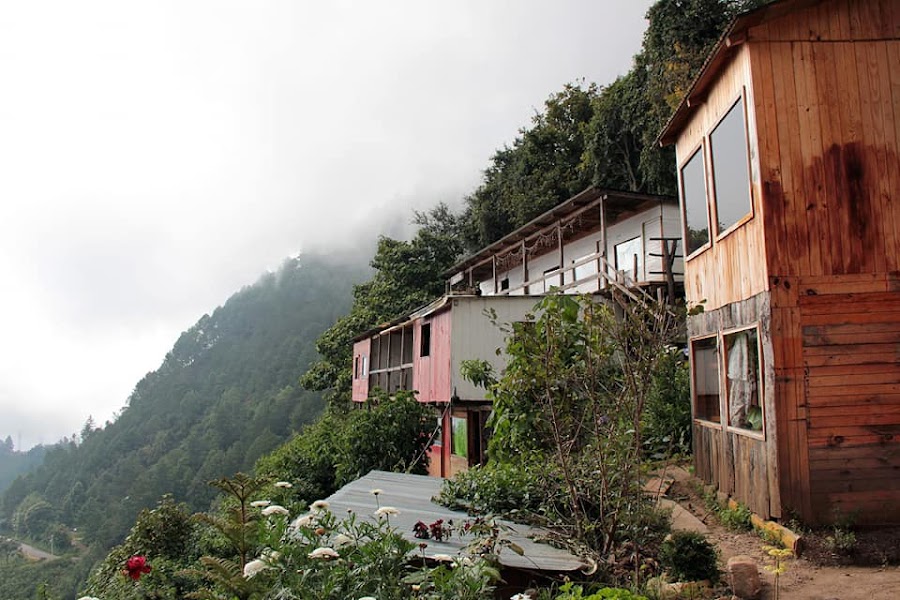
Pochutla market stop · Mirador de San José del Pacífico · La Montaña
Day 4Mazunte and San Agustinillo
Centro Mexicano de la Tortuga · Punta Cometa · Alessandro Mazunte
Day 5Puerto Escondido and nearby beaches
Playa Carrizalillo · Zicatela beach promenade · El Cafecito
Day 6Full-day guided Lagunas de Chacahua excursion
Community-guided Chacahua mangrove boat tour · Lagunas de Chacahua National Park · Operator-arranged Chacahua meal
Day 7Puerto Escondido to Oaxaca City via the current toll-road corridor
Barranca Larga–Ventanilla toll-road transfer · Oaxaca City arrival evening · El Cafecito departure breakfast
Stops along the route
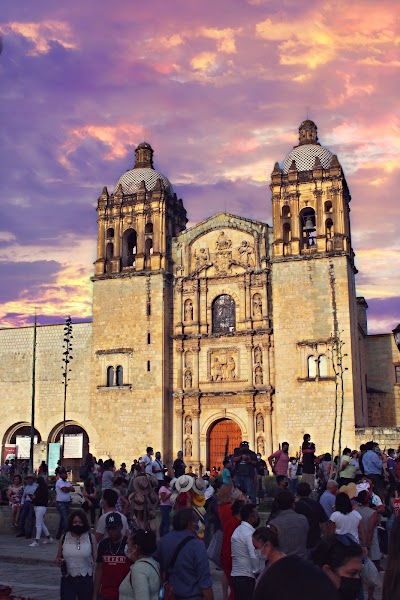
Things to Do
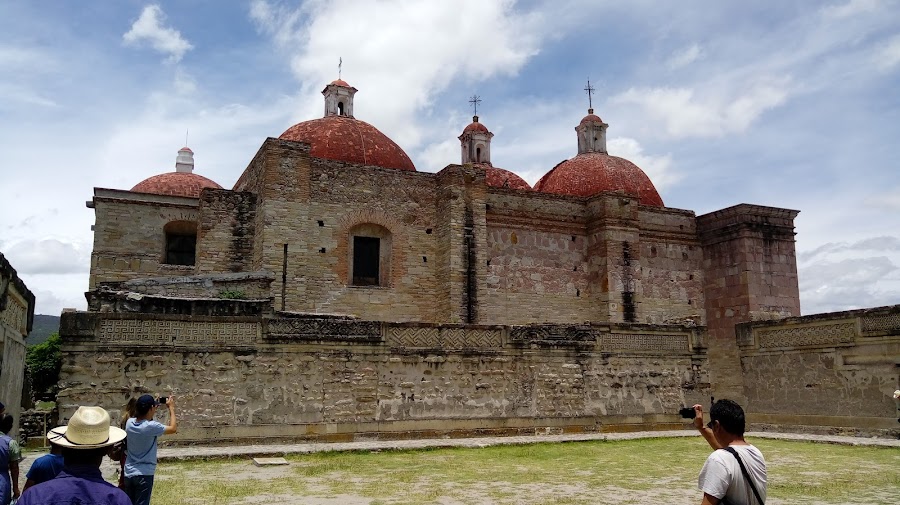

Show 1 more
Where to Eat
Nearby and similar drives
Frequently asked questions
How long is the Oaxaca to the Pacific drive?
The Oaxaca to the Pacific covers 650 km plus coast excursions from start to finish.
How long does the Oaxaca to the Pacific take to drive?
Most travellers spend 7 days on the Oaxaca to the Pacific, depending on stops and pace.
When is the best time to drive the Oaxaca to the Pacific?
The recommended season for the Oaxaca to the Pacific is November – May.
Where does the Oaxaca to the Pacific start and end?
The Oaxaca to the Pacific runs from Oaxaca City to Puerto Escondido.
What are the main stops on the Oaxaca to the Pacific?
The Oaxaca to the Pacific passes through Oaxaca City, Tlacolula, Mitla.
How difficult is the Oaxaca to the Pacific to drive?
The Oaxaca to the Pacific is rated moderate and is best handled with any vehicle.
Can I drive the Oaxaca to the Pacific in a regular car?
Yes — the Oaxaca to the Pacific is paved end-to-end and a regular car is fine in normal conditions.
How many fuel stops are needed on the Oaxaca to the Pacific?
Plan around 1 refuels (or about 2 EV charges) along the Oaxaca to the Pacific, based on its 650 km plus coast excursions length.
Is the Oaxaca to the Pacific safe to drive?
Check the current Oaxaca regional advisory and road blocks before departure. Carry legal entry and vehicle documents plus Mexico-valid insurance, drive only by day, and avoid improvised detours. Highway 175 is the slow scenic mountain crossing; the newer toll-road corridor is the faster alternative when officially open. Confirm Chacahua boat and operator access and weather rather than attempting an unsupported lagoon visit.
What scenic tier is the Oaxaca to the Pacific?
The Oaxaca to the Pacific is a iconic drive — Iconic road trips that anchor a region's reputation — postcard scenery, headline highways, and the routes most travellers want to drive.