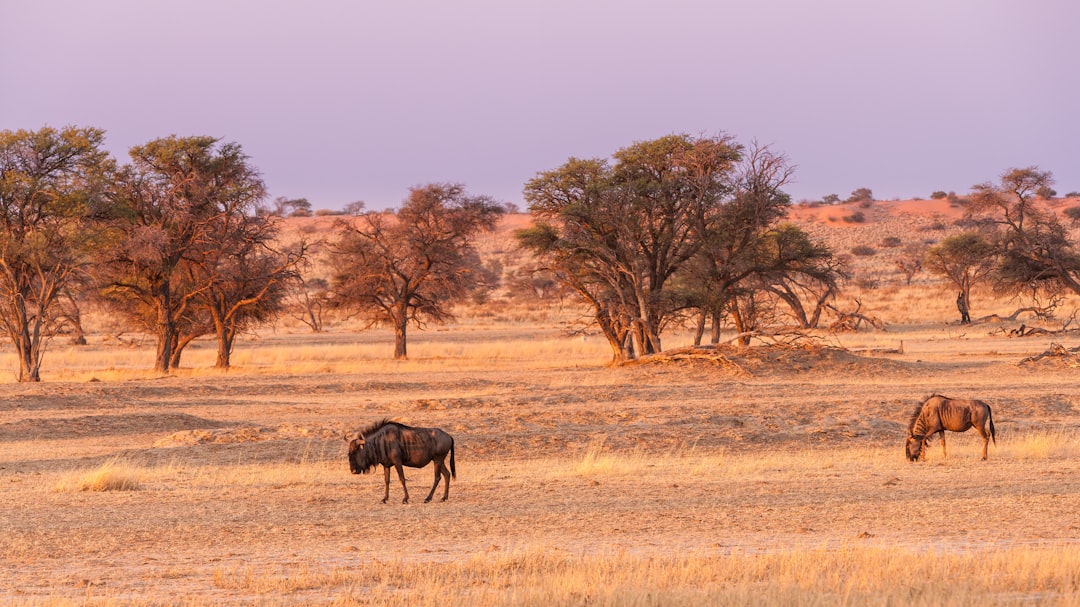
Kalahari Desert Drive
Botswana
In short: Kalahari Desert Drive is a 1250 km wildlife road trip in Botswana, typically driven over 6–8 days, best in Jun–Aug. Highlights: Gaborone, Jwaneng, Kang.
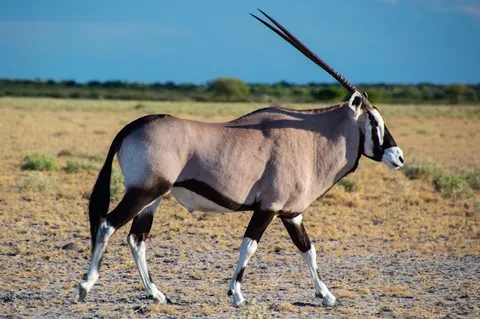
Cross the world's largest sand system from Gaborone west to the Central Kalahari, red dunes, black-maned lions, meerkats at sunrise, and skies so dark the Milky Way casts shadows on the sand.
Make this route yours
Set your dates, pace, and taste, and RoadAtlas AI rebuilds this trip day by day with real, verified places.
Included with Traveler and Explorer plans.
Plan this trip
Third-party planning links may be affiliate links. RoadAtlas stays independent, and you should verify details with the provider.
Day-by-day itinerary
Day 1Gaborone to Jwaneng
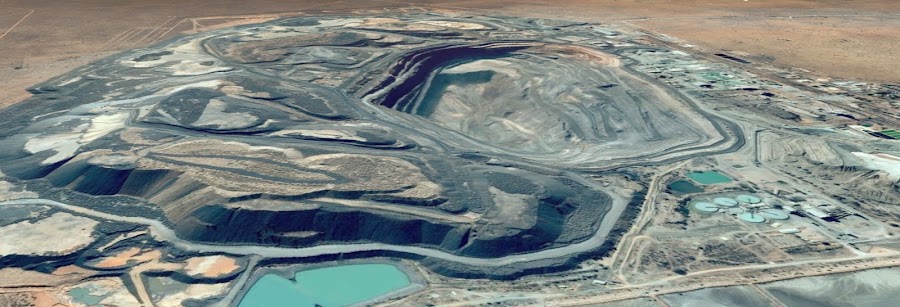
Jwaneng mine-town viewpoint and context stop · Jwaneng supplies and fuel · Jwaneng Cresta Hotel Restaurant
Day 2Jwaneng to Kang
Kang Rest Camp Sundowner Spot · Kang Ultra Stop
Day 3Kang to Ghanzi
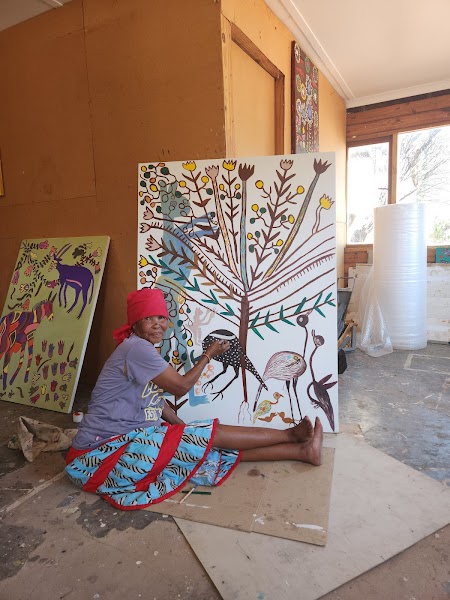
Kuru Art Project Gallery · Ghanzi Supply Stop · Kalahari Arms Hotel Restaurant
Day 4Ghanzi to Deception Valley via Xade Gate
Central Kalahari Game Reserve · Sunday Pan and Passarge Valley Game Drive · Deception Valley Bush Picnic
Day 5Deception Valley to Rakops via Matswere Gate
Boteti River Bank Walk · Deception Valley Bush Picnic
Day 6Rakops to Maun daylight transit
Maun Craft Market Browse · Rakops general store
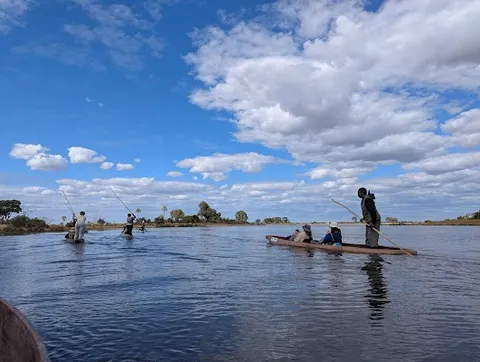
Day 7Maun prebooked Okavango mokoro excursion
Prebooked Okavango Delta mokoro excursion · Booked Maun lodge meal
Stops along the route
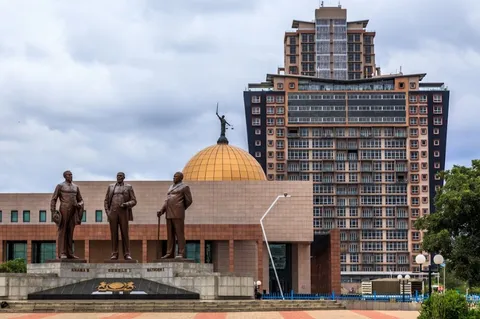
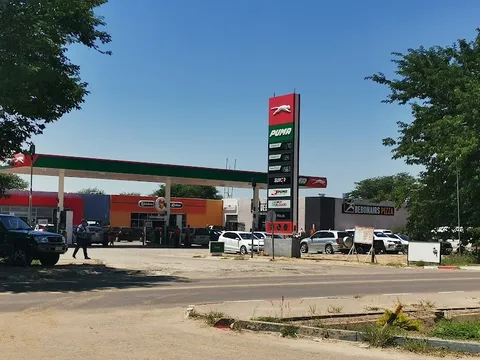
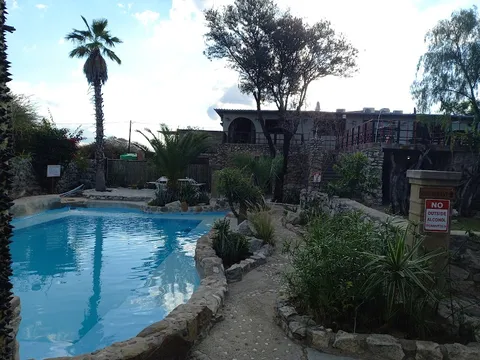
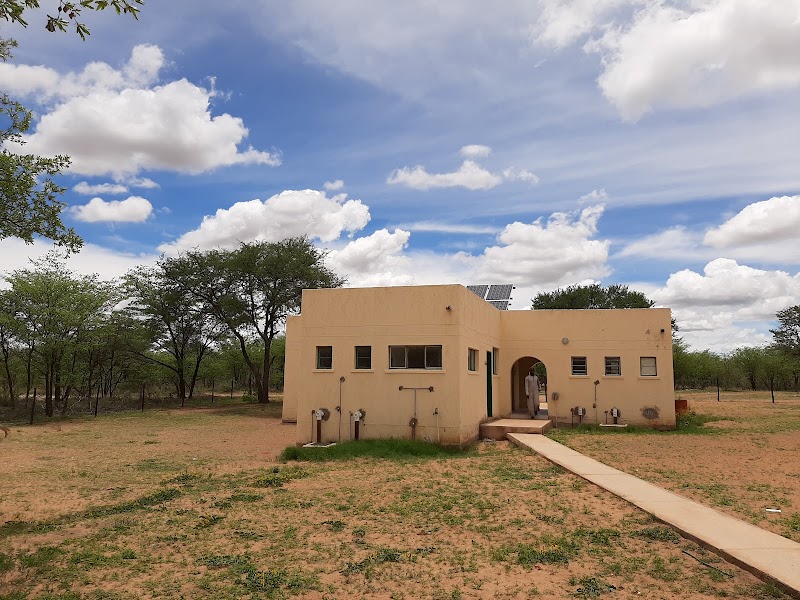
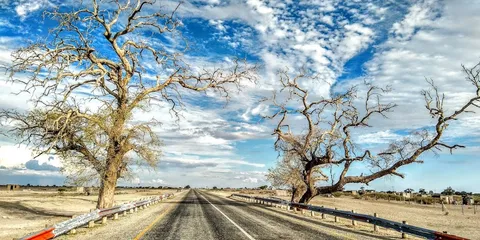
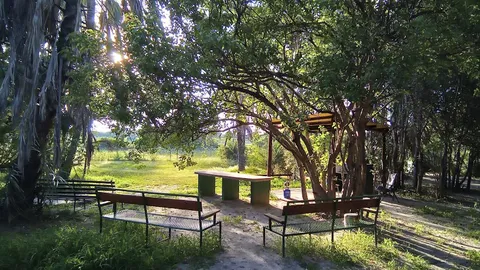
Things to Do
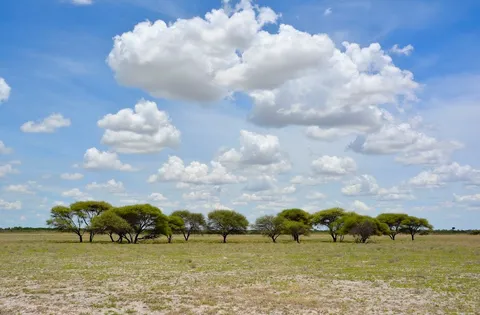
Where to Eat
Nearby and similar drives
Frequently asked questions
How long is the Kalahari Desert Drive drive?
The Kalahari Desert Drive covers 1250 km from start to finish.
How long does the Kalahari Desert Drive take to drive?
Most travellers spend 6–8 days on the Kalahari Desert Drive, depending on stops and pace.
When is the best time to drive the Kalahari Desert Drive?
The recommended season for the Kalahari Desert Drive is Jun–Aug.
Where does the Kalahari Desert Drive start and end?
The Kalahari Desert Drive runs from Gaborone to Maun.
What are the main stops on the Kalahari Desert Drive?
The Kalahari Desert Drive passes through Gaborone, Jwaneng, Kang.
How difficult is the Kalahari Desert Drive to drive?
The Kalahari Desert Drive is rated hard and is best handled with 4wd only.
Do I need a 4WD for the Kalahari Desert Drive?
Yes — the Kalahari Desert Drive includes off-road or rough sections that require 4wd only.
Do I need a permit or border paperwork for the Kalahari Desert Drive?
Yes — the Kalahari Desert Drive requires permits, fees, or border paperwork. Plan ahead: The Central Kalahari Game Reserve requires a paid entry permit booked in advance through Botswana's Department of Wildlife. Campsites inside the reserve are booked separately through private concessionaires and commonly sell out months ahead, so secure a site before relying on the entry permit alone. There is no direct road between Kang and Rakops; reach the reserve by driving north via Ghanzi and entering through Xade Gate, then crossing deep sand tracks to Deception Valley before exiting near Rakops via Matswere Gate. Tracks inside the reserve strictly require a 4WD vehicle with low-range capability, and night driving anywhere in this region is dangerous due to livestock and wildlife on the roads. There is no mobile signal inside the reserve, so travel with a second vehicle or a satellite communicator. Carry substantial fuel, water, and food as facilities are almost nonexistent. Kalahari winter nights can approach freezing even though the recommended Jun-Aug days are warm and dry, so pack and camp accordingly. The Maun/Okavango end of the route is a malaria-risk area; a prophylaxis check is worth doing before departure.
How many fuel stops are needed on the Kalahari Desert Drive?
Plan around 2 refuels (or about 4 EV charges) along the Kalahari Desert Drive, based on its 1250 km length.
Is the Kalahari Desert Drive safe to drive?
The Central Kalahari Game Reserve requires a paid entry permit booked in advance through Botswana's Department of Wildlife. Campsites inside the reserve are booked separately through private concessionaires and commonly sell out months ahead, so secure a site before relying on the entry permit alone. There is no direct road between Kang and Rakops; reach the reserve by driving north via Ghanzi and entering through Xade Gate, then crossing deep sand tracks to Deception Valley before exiting near Rakops via Matswere Gate. Tracks inside the reserve strictly require a 4WD vehicle with low-range capability, and night driving anywhere in this region is dangerous due to livestock and wildlife on the roads. There is no mobile signal inside the reserve, so travel with a second vehicle or a satellite communicator. Carry substantial fuel, water, and food as facilities are almost nonexistent. Kalahari winter nights can approach freezing even though the recommended Jun-Aug days are warm and dry, so pack and camp accordingly. The Maun/Okavango end of the route is a malaria-risk area; a prophylaxis check is worth doing before departure.
What scenic tier is the Kalahari Desert Drive?
The Kalahari Desert Drive is a notable drive — Notable scenic drives — strong character routes that locals know well and that reward travellers willing to step beyond the most-photographed roads.