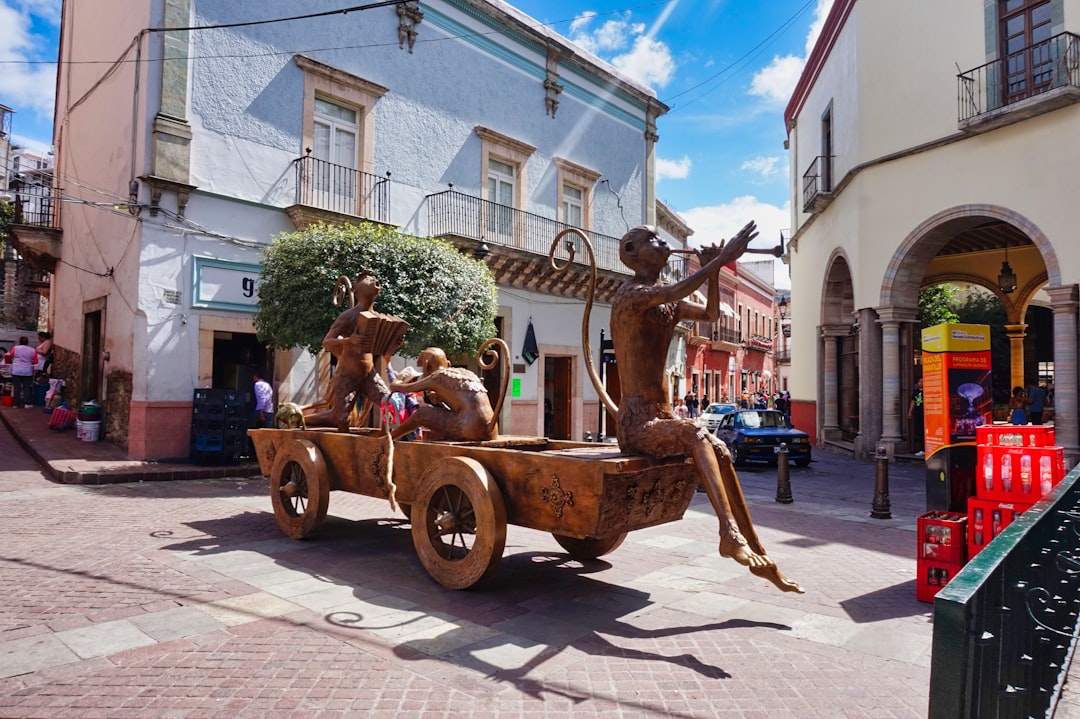
Mexikos koloniales Herzland
Mexiko
Kurz gesagt: Mexikos koloniales Herzland ist ein kulturell Roadtrip von 800 km in Mexiko, üblich in 5–7 Tage gefahren, ideal von Oktober – Mai. Highlights: Mexico-Stadt, Teotihuacán, Querétaro.
Die Silberstädte des Bajío, eine UNESCO-reiche Rundreise durch Querétaro, San Miguel de Allende und Guanajuato, wo die Pracht des 16. Jahrhunderts, bunt bemalte Gassen und Cantina-Kultur ihren mexikanischen Höhepunkt erreichen.
Machen Sie diese Route zu Ihrer
Wählen Sie Termine, Tempo und Vorlieben, und die RoadAtlas-KI baut diese Reise Tag für Tag mit echten, geprüften Orten neu auf.
Enthalten in den Traveler- und Explorer-Tarifen.
Diese Reise planen
Planungslinks von Drittanbietern können Affiliate-Links sein. RoadAtlas bleibt unabhängig; überprüfe die Details beim Anbieter.
Reiseplan nach Tagen
Tag 1Mexiko-Stadt und der südliche Rand des Talbeckens von Mexiko
Frida-Kahlo-Museum · Zócalo und Metropolitan-Kathedrale · Mercado de Coyoacán
Tag 2Mexico-Stadt nach Teotihuacán, dann direkt nach Querétaro
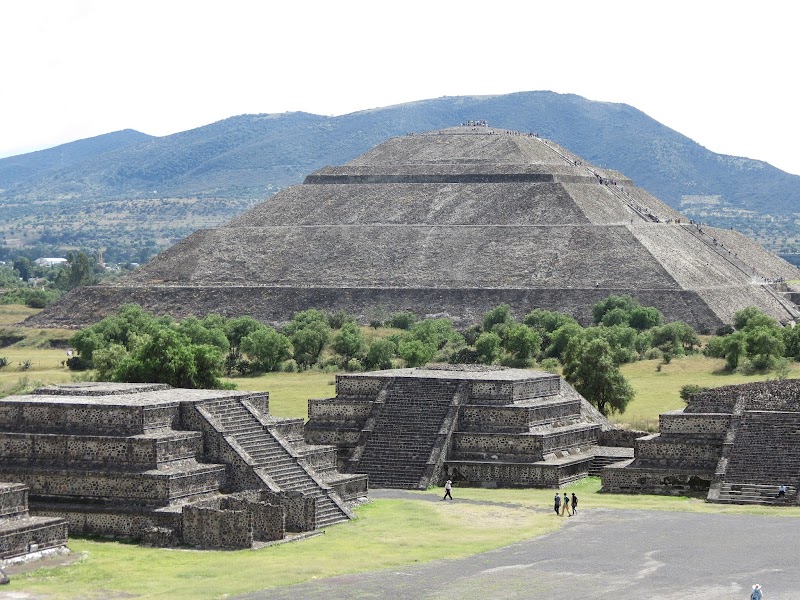
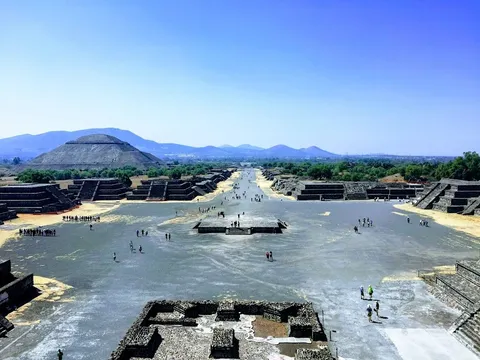
Archäologische Zone Teotihuacan · Peña de Bernal · La Gruta
Tag 3Querétaro
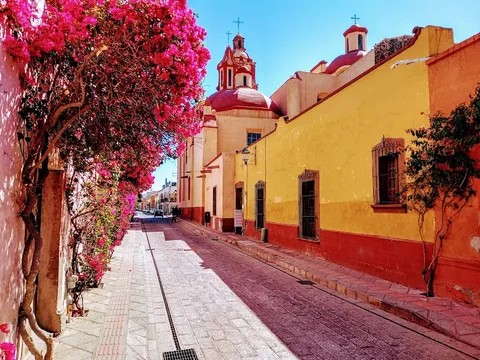
Historische Monumentenzone Querétaro · Aquädukt von Querétaro · Villa Romantik
Tag 4San Miguel de Allende und Dolores Hidalgo
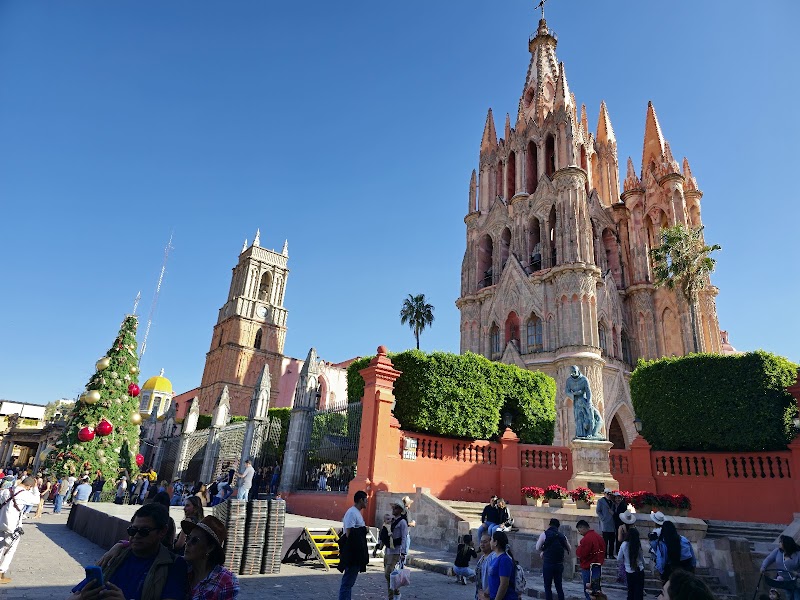
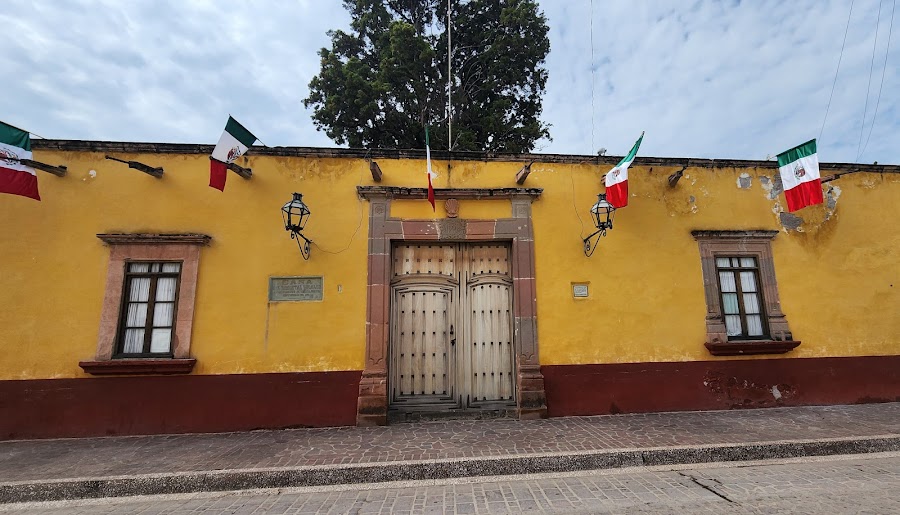
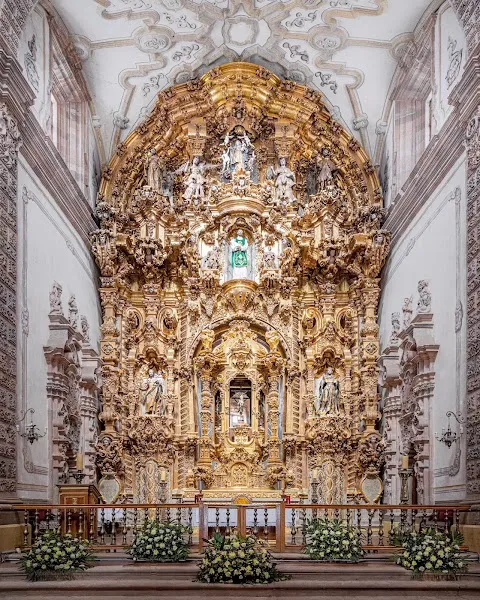
Pfarrkirche San Miguel Arcángel · Museo Casa de Hidalgo · The Restaurant
Tag 5Guanajuato
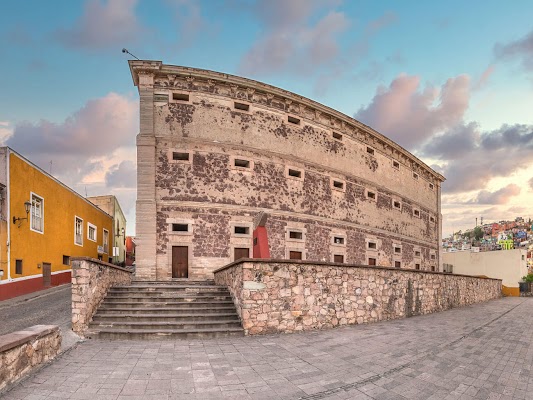
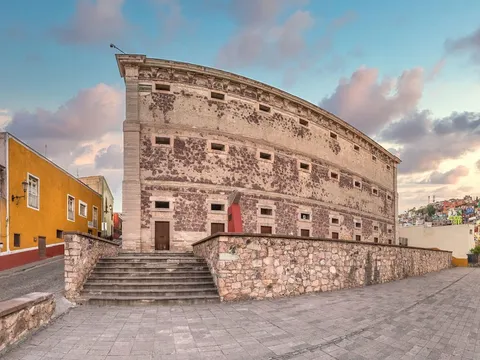
Alhóndiga de Granaditas · Callejón del Beso · Casa Valadez
Tag 6Morelia
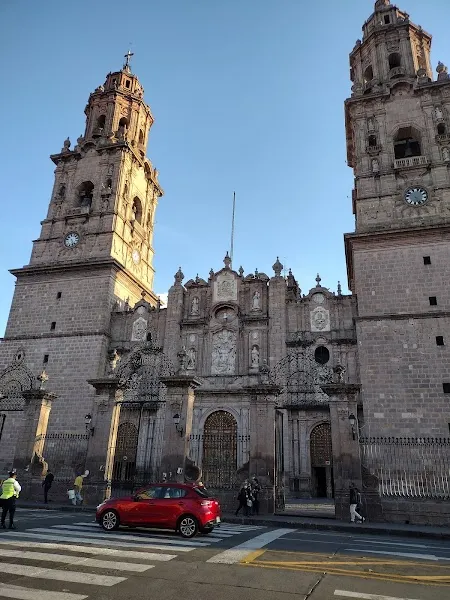
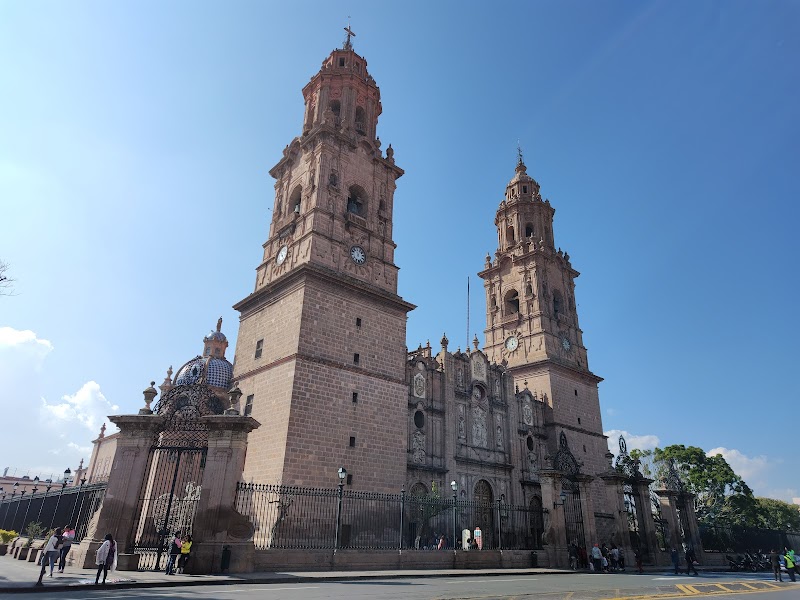
Kathedrale von Morelia · Aquädukt von Morelia · Los Mirasoles
Tag 7Pátzcuaro
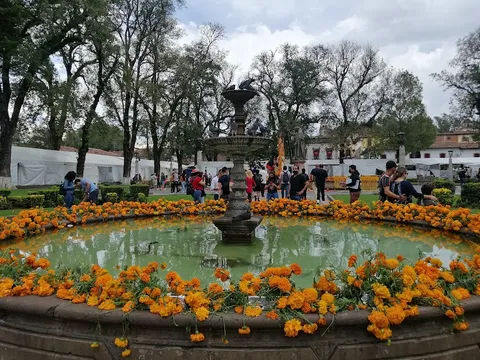
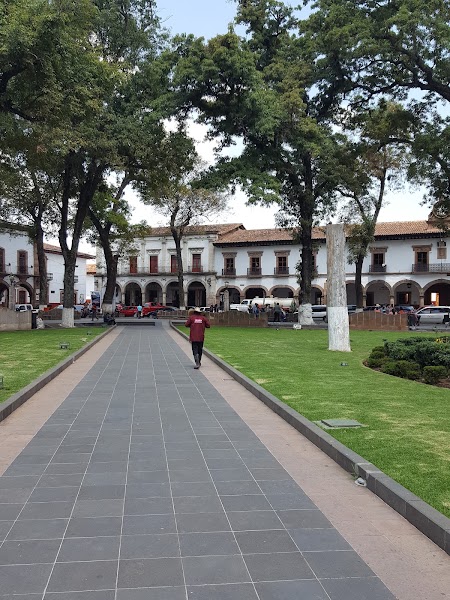
Insel Janitzio · Plaza Vasco de Quiroga · El Primer Piso
Stationen der Route
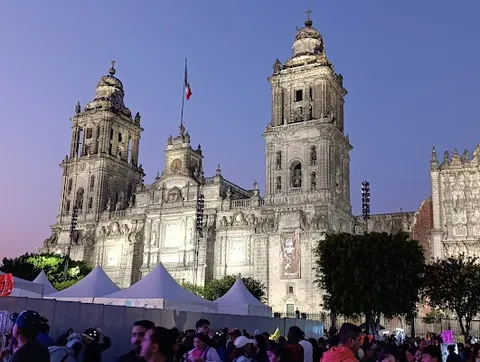
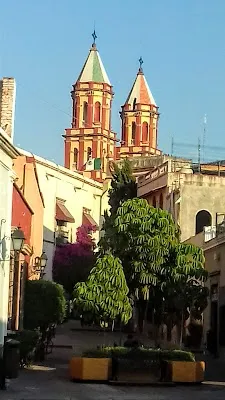
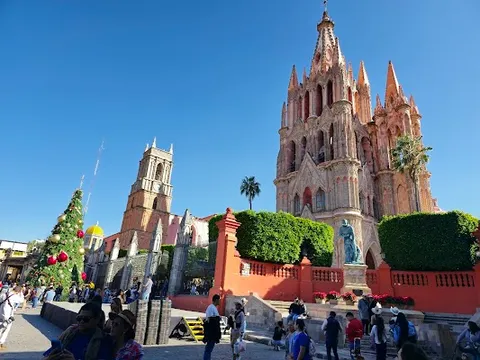
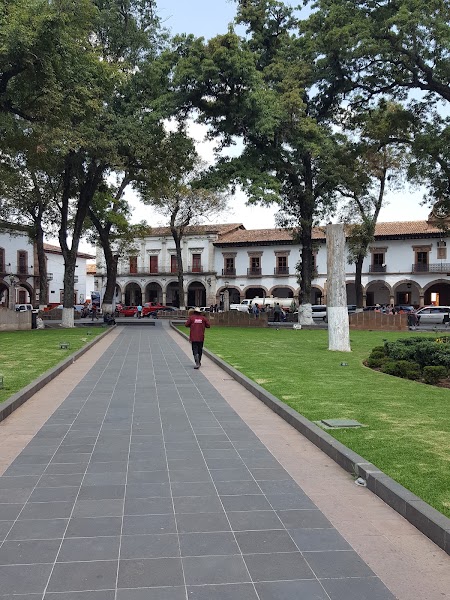
Sehenswürdigkeiten & Aktivitäten
Weitere 2 anzeigen
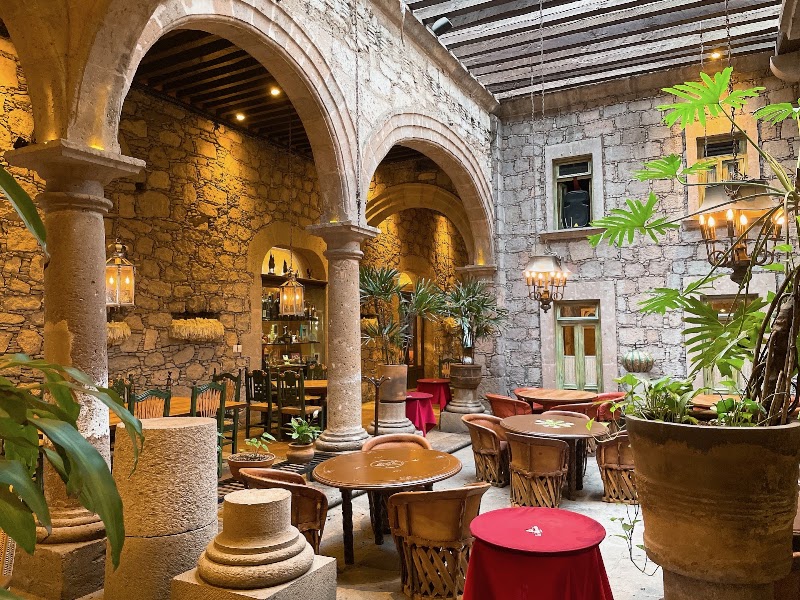
Wo man essen kann

Routen in der Nähe

Häufige Fragen
Wie lang ist die Mexikos koloniales Herzland?
Die Mexikos koloniales Herzland ist 800 km lang.
Wie lange dauert die Mexikos koloniales Herzland?
Die meisten Reisenden brauchen 5–7 Tage für die Mexikos koloniales Herzland, abhängig von Stopps und Tempo.
Wann ist die beste Zeit für die Mexikos koloniales Herzland?
Die empfohlene Reisezeit für die Mexikos koloniales Herzland ist Oktober – Mai.
Wo beginnt und endet die Mexikos koloniales Herzland?
Die Mexikos koloniales Herzland führt von Mexico-Stadt nach Pátzcuaro.
Was sind die wichtigsten Stationen auf der Mexikos koloniales Herzland?
Die Mexikos koloniales Herzland führt durch Mexico-Stadt, Teotihuacán, Querétaro.
Wie schwierig ist die Mexikos koloniales Herzland zu fahren?
Die Mexikos koloniales Herzland gilt als einfach und wird am besten mit jedes fahrzeug befahren.
Kann man die Mexikos koloniales Herzland mit einem normalen Auto fahren?
Ja — die Mexikos koloniales Herzland ist durchgehend asphaltiert und ein normales Auto reicht bei normalen Bedingungen aus.
Wie viele Tankstopps sind auf der Mexikos koloniales Herzland nötig?
Plane etwa 1 Tankstopps (oder ca. 2 E-Ladevorgänge) entlang der Mexikos koloniales Herzland ein, bei 800 km Länge.
Ist die Mexikos koloniales Herzland sicher zu fahren?
Vor der Buchung die aktuellen Reisehinweise für Mexiko-Stadt, Querétaro, Guanajuato und Michoacán prüfen; regionale Einschränkungen können stark voneinander abweichen. Reisepass- und FMM-Nachweise, Fahrzeugpapiere und eine in Mexiko gültige Versicherung mitführen, wo empfohlen Mautstraßen nutzen und bei Tageslicht fahren und das Auto außerhalb der Fußgängerzonen historischer Zentren auf einem bewachten Parkplatz abstellen.
Welche Panoramastufe hat die Mexikos koloniales Herzland?
Die Mexikos koloniales Herzland ist eine ikonisch-Route — Ikonische Roadtrips, die den Ruf einer Region prägen — Postkartenlandschaften, Vorzeigerouten und die Strecken, die fast jeder fahren möchte.