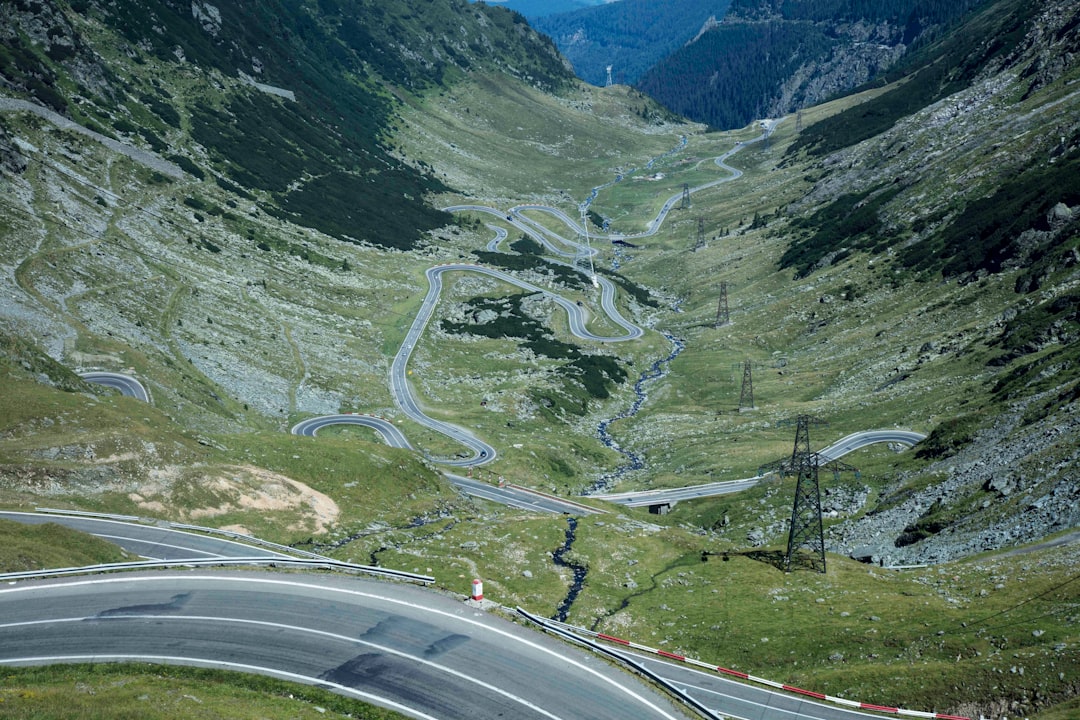
The Transfăgărășan is a 200 km mountain highway that crosses the Southern Carpathians from Wallachia into Transylvania, and the high section is only open from July to October because snow closes it the rest of the year. Jeremy Clarkson once called it the best driving road in the world, and the 90 km of hairpin bends, viaducts, and granite tunnels near the summit make a strong case. This is how to drive it, what to stop for, and exactly when the gates are open.
The Transfăgărășan is rated moderate and works for any vehicle, including EVs. The challenge is not technical difficulty but timing and patience: get the season right, fuel up early, and give yourself the daylight to enjoy the climb rather than chase it.
When is the Transfăgărășan open?
The catalog season is July to October. The road closes roughly November through June while snow buries the high passes, so a spring or early-summer plan is wishful thinking. Bâlea Lake sits at the 2,034 m summit, high enough that drifts linger long after the valleys have turned green.
That short window is the single most important fact for planning. Drive it in the height of summer for the warmest, clearest conditions, or aim for September into early October for thinner crowds and autumn colour on the lower forested slopes. Always check the official opening dates before you commit, because an early snowfall can shut the summit even inside the nominal season.
A note from the catalog advisory: the tunnel near the top is narrow and poorly lit, the gradients are steep, and services along the highway are limited. Fill the tank before you start the climb.
How long do you need?
The mountain crossing itself is a 1 to 2 day drive. Build in the wider loop from Bucharest, taking in Curtea de Argeș, Poenari Castle, and the city of Sibiu at the northern end, and you have a comfortable 4 to 5 day trip.
- Distance: 200 km, with 90 km of hairpins on the mountain section
- Time needed: 1 to 2 days for the pass, 4 to 5 with the Bucharest loop
- Difficulty: moderate, any vehicle, EV-friendly
- Best season: July to October
- Summit: Bâlea Lake at 2,034 m
Do not try to rush both directions of the climb in a single afternoon. The switchbacks are slow by design, summer traffic builds at the lake, and the viewpoints deserve more than a drive-by.
Driving the Transfăgărășan, stop by stop
The route runs north from the Wallachian foothills to the Saxon plains of Transylvania. Here are the stops worth building the drive around.
Curtea de Argeș
The medieval royal capital of Wallachia and the natural southern gateway. Its early 16th-century Episcopal Cathedral has an intricate stone-lace facade, and from here the highway climbs straight into forested foothills.
Poenari Castle
This is the real Dracula's fortress, reached by 1,480 steps up a cliff above the Argeș River. Unlike the tourist-oriented Bran Castle, Poenari has no gift shop and genuine ties to Vlad the Impaler. The climb is steep, but the ruin and the valley view are the payoff.
Vidraru Dam
A 166 m arch dam completed in 1965, one of Europe's largest, holding back Vidraru Lake in wild mountain scenery. The road then clings to the reservoir's western shore before the serious hairpin ascent begins.
Bâlea Lake
The summit, a glacial cirque lake at 2,034 m ringed by Făgăraș snowfields. An Ice Hotel is rebuilt here each winter once the road has closed, and in the warmer months cable cars rise from the northern valley. Nearby Bâlea Waterfall drops below the highest hairpins. This is the high point in every sense, so plan your lunch and your photographs here.
Sibiu
The drive ends among the Saxon towns of Transylvania, and Sibiu is the jewel: a baroque Large Square, the Brukenthal Museum dating to 1817, and rooftop dormers shaped uncannily like watching eyes. It was European Capital of Culture in 2007 and makes a fitting place to toast the crossing.
How it compares to Europe's other great alpine roads
The Transfăgărășan belongs to a small club of S-tier mountain drives. If you are choosing between them, or collecting them, here is how the headline numbers line up against the catalog.
| Drive | Country | Length | Open season | Why it's special |
|---|---|---|---|---|
| Transfăgărășan | Romania | 200 km | Jul to Oct | Hairpins, a granite summit tunnel, and Dracula's real castle at the foot |
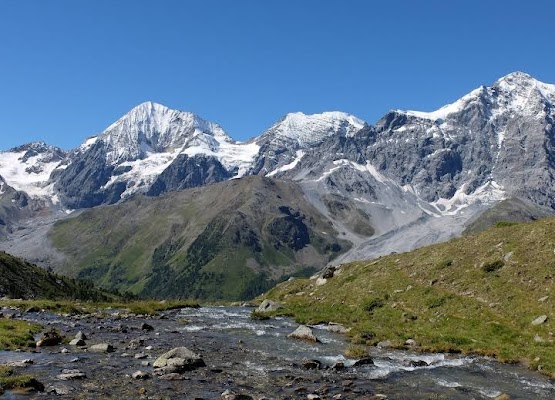
| Stelvio Pass | Italy | 90 km | Jun to Oct | A wall of tight switchbacks, an icon of European mountain driving |
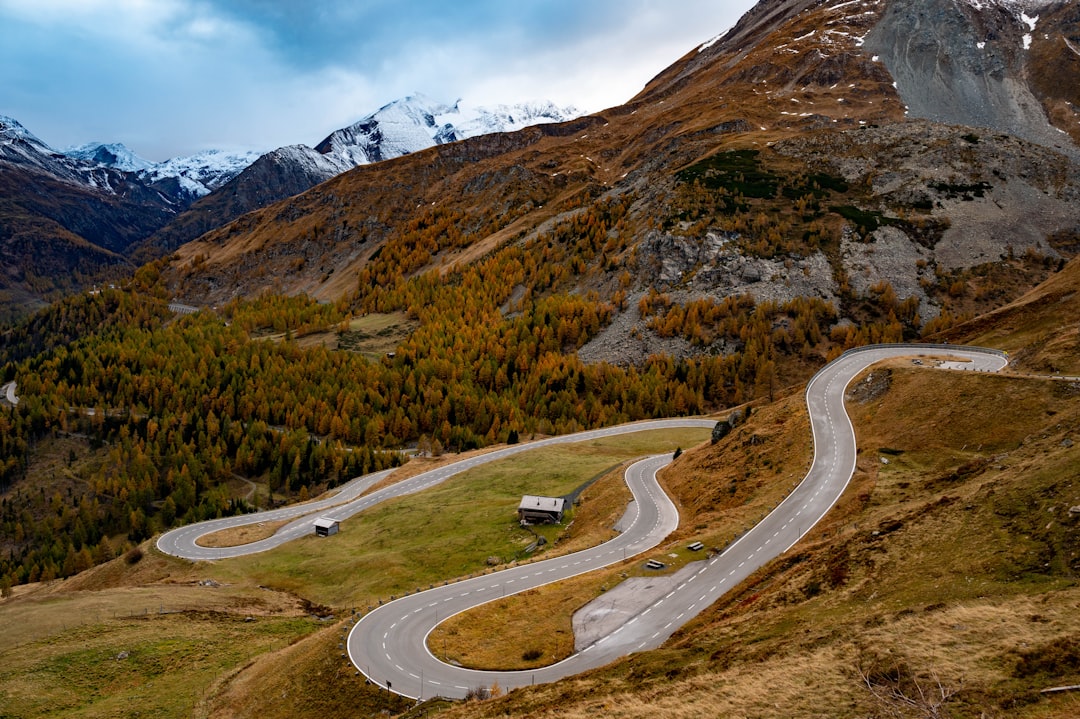
| Grossglockner | Austria | 96 km | May to Oct | A tolled showpiece road beneath Austria's highest peak |
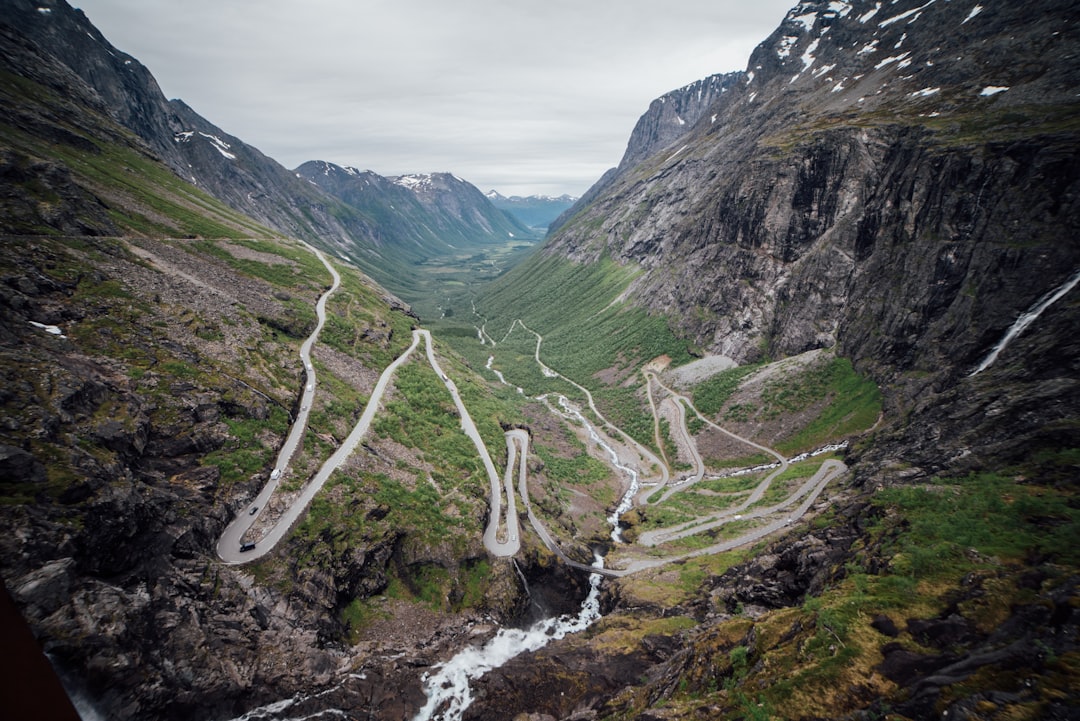
| Trollstigen | Norway | 100 km | May to Oct | Eleven hairpins on a 10% gradient between Norwegian fjords |
The Transfăgărășan is the longest of the four and the most story-rich, pairing the driving with a castle, a giant dam, and a glacial lake. It also has the shortest open season, which is exactly why so many travellers miss it. Get the timing right and it rewards you with all of that and far smaller crowds than the Alpine classics.
Tips for a smooth crossing
- Start early. Morning light is best for the hairpins, and you beat the worst of the day-tripper traffic at Bâlea Lake.
- Fuel up before the climb. Services along the highway are limited, so top up in the valley towns.
- Mind the tunnel. The summit tunnel is narrow and poorly lit, so slow down and switch your lights on.
- Pack a layer. It can be summer in the valley and close to freezing at 2,034 m.
- Watch the dates. Snow can shorten the season at both ends, so confirm the road is open before you drive up.
Frequently asked questions
When is the best time to drive the Transfăgărășan?
July to October, when the high section is clear of snow and open to traffic. The road closes roughly November through June. For the warmest, most reliable conditions choose midsummer, or go in September for autumn colour and fewer cars.
How long does it take to drive the Transfăgărășan?
The mountain crossing is a 1 to 2 day drive over 200 km, with 90 km of hairpins on the high section. Add the wider loop from Bucharest through Curtea de Argeș, Poenari Castle, and Sibiu and it becomes a relaxed 4 to 5 day trip.
Is the Transfăgărășan difficult to drive?
It is rated moderate rather than difficult, and any vehicle including an EV can do it. The hairpins and steep gradients demand attention, the summit tunnel is narrow and poorly lit, and services are limited, so the real skills are patience and planning rather than raw driving ability.
What is at the top of the Transfăgărășan?
Bâlea Lake, a glacial cirque lake at the 2,034 m summit, ringed by the Făgăraș snowfields. Cable cars rise from the northern valley in the warmer months, and an Ice Hotel is built on the frozen lake each winter once the road has closed.
Is the Transfăgărășan worth it?
Yes. It combines 90 km of dramatic hairpins with Dracula's real fortress at Poenari, one of Europe's largest dams at Vidraru, a high glacial lake, and the beautiful Saxon city of Sibiu at the far end. Few drives pack this much scenery and history into 200 km.
Plan your drive
Ready to map it out? See the full Transfăgărășan route guide for every stop in order, compare it with the Grossglockner High Alpine Road and Italy's Stelvio Pass, and build your own version on the interactive map.