The Swiss Alpine Passes route is a five-day figure-eight of about 450 km that starts in Lucerne, loops over Susten, Grimsel, Furka, Gotthard and Nufenen from a base in Andermatt, and finishes at car-free Zermatt below the Matterhorn. Drive it between June and October, the months when all five passes are reliably open.
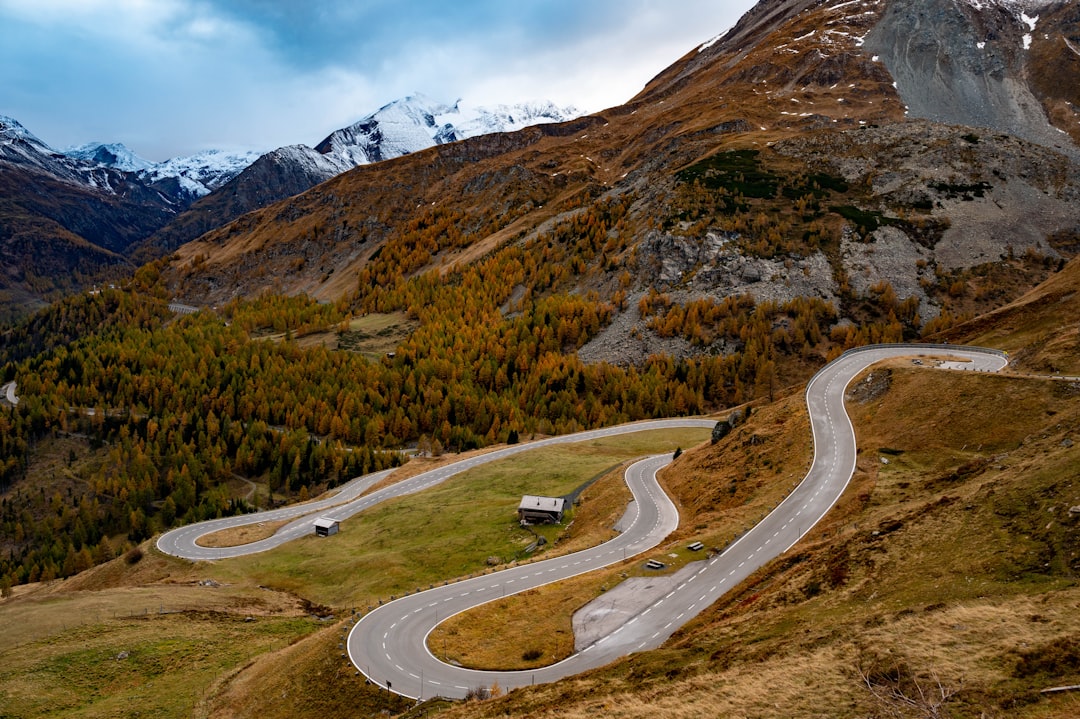
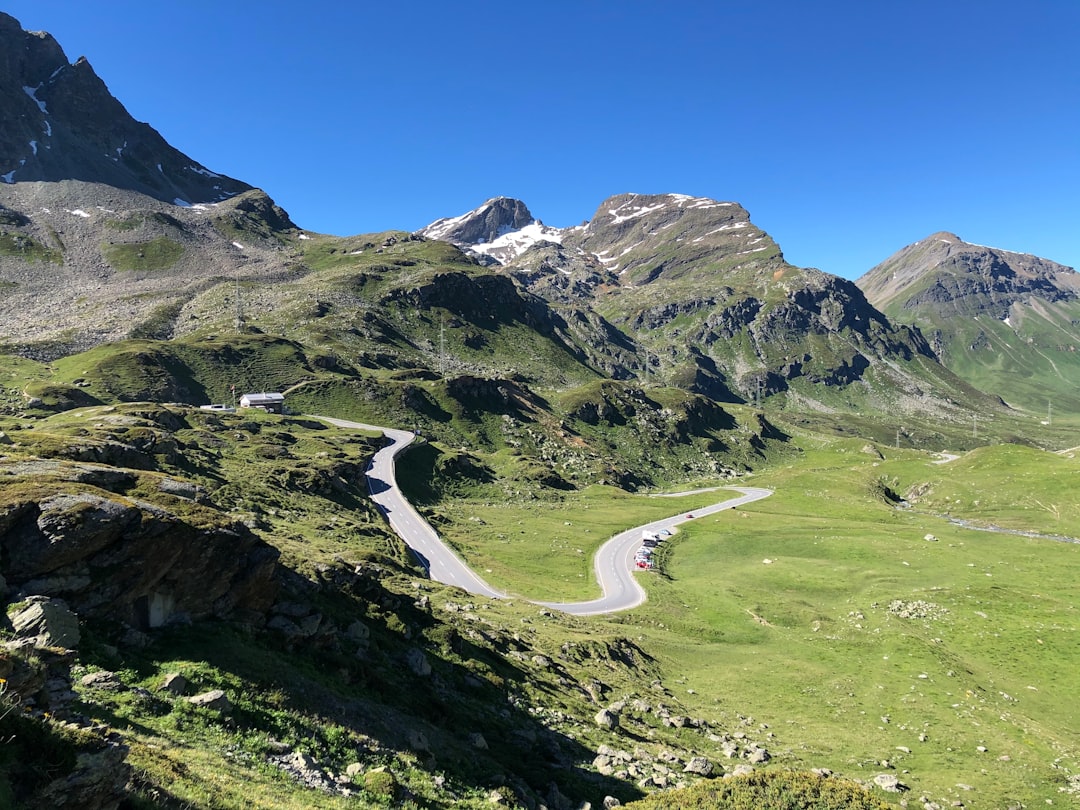
The plan works because Andermatt sits at the middle of the eight, so you sleep in the same valley twice and never backtrack over a pass you have already driven. Roads are paved and the driving is rated moderate, which here means long strings of hairpins and steep gradients rather than anything technical. The route is EV friendly, and it ends in an unusual way. Private cars cannot reach Zermatt, so you leave the car in Täsch and finish the trip on a shuttle train.
The five-day plan
| Day | Drive | Passes | Overnight |
|---|---|---|---|
| 1 | Lucerne to Andermatt | none | Andermatt |
| 2 | Andermatt to Meiringen | Susten | Meiringen |
| 3 | Meiringen to Andermatt | Grimsel, Furka | Andermatt |
| 4 | Andermatt to Brig | Gotthard, Nufenen | Brig |
| 5 | Brig to Zermatt via Täsch | none | Zermatt |
Day by day
Day 1: Lucerne to Andermatt
Lucerne is the practical gateway. Pick up the car, stock up, and drive south up the Reuss valley to Andermatt, the hub you will use for the signed westbound and eastbound pass stages. Before the high days begin, walk out to the Devil's Bridge and the Suvorov Monument in the Schöllenen gorge near Göschenen for the story of who fought over this crossing and why. Reserve dinner in Andermatt ahead of time; Gasthaus Skiklub is a reliable arrival meal.
Day 2: Andermatt to Meiringen over the Susten Pass
Head west out of the Reuss valley and climb the Susten Pass toward the Bernese Oberland. Stop at the signed viewpoints for the Steingletscher, then drop down to Meiringen for the night. If the railway and paths are running, the Reichenbach Falls above the town are worth an hour. Restaurant Victoria is a good bet for dinner; confirm the booking when you arrive.
Day 3: Meiringen back to Andermatt over Grimsel and Furka
This is the postcard day. Climb the Grimsel Pass past its chain of reservoirs, then cross straight over to the Furka Pass, the road that films know from its tight switchbacks above the Rhône valley. The Rhône Glacier and its carved ice grotto sit near the top of the Furka. Stop only if the official attraction lists it open, because the glacier and its access change from season to season. The Hotel Grimsel Hospiz can serve lunch, but check that it is running before you count on it. Grimsel and Furka join into one continuous eastbound run back to Andermatt for a second night.
Day 4: Andermatt to Brig over Gotthard and Nufenen
Turn south. The historic Gotthard Pass has an old cobbled road segment you can drive when it is open and in good shape, a slower and more interesting line than the modern route beside it. From the Ticino side at Airolo, climb the Nufenen Pass, the highest of the five, and descend into the Upper Valais to Brig for the night. Restaurant Walliserstuba is a solid Valais dinner near the arrival.
Day 5: Brig to car-free Zermatt via Täsch
The last drive is short and ends at a parking garage. Private cars cannot enter Zermatt, so leave the car in Täsch and take the shuttle train up the valley; give yourself margin for parking and luggage. In Zermatt, the Matterhorn Museum makes a good weather-independent stop, and any open village viewpoint will frame the peak on a clear afternoon. Book dinner at Schäferstube after you arrive.
When to drive, and the morning pass check
The season runs June to October. Early June can still see snow gates closed on the higher passes, and by late October the first storms start shutting them for winter. September is a strong window, because the summer railway and glacier attractions are usually still running and the crowds thin after the school holidays.
Check the FEDRO and cantonal pass status every morning of the trip, because the roads, the Furka mountain railway and the Rhône Glacier attraction all open and close on their own dates. The Furka steam railway and the Furka road cover the same stretch, so a booked railway day replaces the Day 3 drive rather than adding to it. Pick one.
How it fits with the wider Alps
Five passes in one loop makes this one of the most concentrated alpine drives in Europe, but it is not the only one worth the trip. Austria's Grossglockner High Alpine Road delivers a single toll climb to a glacier viewpoint, and Italy's Stelvio Pass stacks 48 numbered hairpins into one ascent. For more of them across the range, browse the mountain passes collection, or open the interactive map to see how the Swiss loop connects to drives in France, Italy and Austria.
Frequently asked questions
How many days do you need for the Swiss Alpine Passes?
Five days is the natural length. That covers the Lucerne arrival, the Susten crossing to Meiringen, the Grimsel and Furka loop, the Gotthard and Nufenen day to Brig, and the final shuttle into Zermatt, without rushing any single pass.
When are the Swiss alpine passes open?
The passes are dependably open from June to October. The exact dates shift each year with snowfall, so check the FEDRO and cantonal status on the morning you plan to cross each one.
Can you drive into Zermatt?
No. Zermatt is car-free. Park in Täsch and take the shuttle train for the last stretch up the valley, and plan time for parking and luggage at the terminal.
Is the Swiss Alpine Passes route hard to drive?
The driving is rated moderate. The roads are paved and open to any vehicle, including EVs, but expect long sequences of hairpins and steep gradients, so allow more time than the distance suggests.
What is the best pass on the route?
The Grimsel and Furka day on Day 3 is the highlight, with the reservoirs of the Grimsel and the switchbacks of the Furka above the Rhône valley. Time it for clear weather if you can move days around.
Ready to plan it in detail? Read the full Swiss Alpine Passes route guide for stops, food and advisories, and open the interactive map to build your own version of the loop.