The Stelvio Pass is a 49 km one-way climb from Prato allo Stelvio over a 2,757 m summit down to Bormio, and it is best driven west from Prato on a clear morning between June and October. This is the classic east-to-west ascent up 48 numbered hairpins, one of the highest paved passes in the Alps, and a rite of passage for anyone who loves mountain driving. Here is how to plan it, drive it, and time it right.
The Stelvio Pass at a glance
The Stelvio is short but relentless. From the South Tyrolean valley town of Prato allo Stelvio the road ladders up through Gomagoi, Trafoi and Franzenshöhe to a summit at roughly 2,757 metres, then drops west into Lombardy and the spa town of Bormio. At 49 km it looks like an afternoon on paper, but the gradients, the traffic of fellow pilgrims, and the sheer temptation to stop for photographs mean you should give it most of a day.
It rates an S scenic tier in our catalog and a moderate difficulty. Any car can do it, but the climb is unforgiving on brakes and nerves, so low gears and patience matter more than horsepower. Here is how it compares with two other great alpine drives you might pair it with.
| Drive | Country | Distance | Duration | Best season |
|---|---|---|---|---|
| Stelvio Pass | Italy | 49 km | 1 day | June to October |
| Grossglockner High Alpine Road | Austria | 48 km one-way | 1 day | Early May to early November |
| The Dolomites | Italy | About 145 km | 3 days | June to October |
The Stelvio is the single most concentrated climb of the three. The Grossglockner is its closest cousin in scale, while the Dolomites route trades one big pass for a multi-day string of them. If you have a week in the eastern Alps, the three together make an unforgettable loop.
Which direction, and how long?
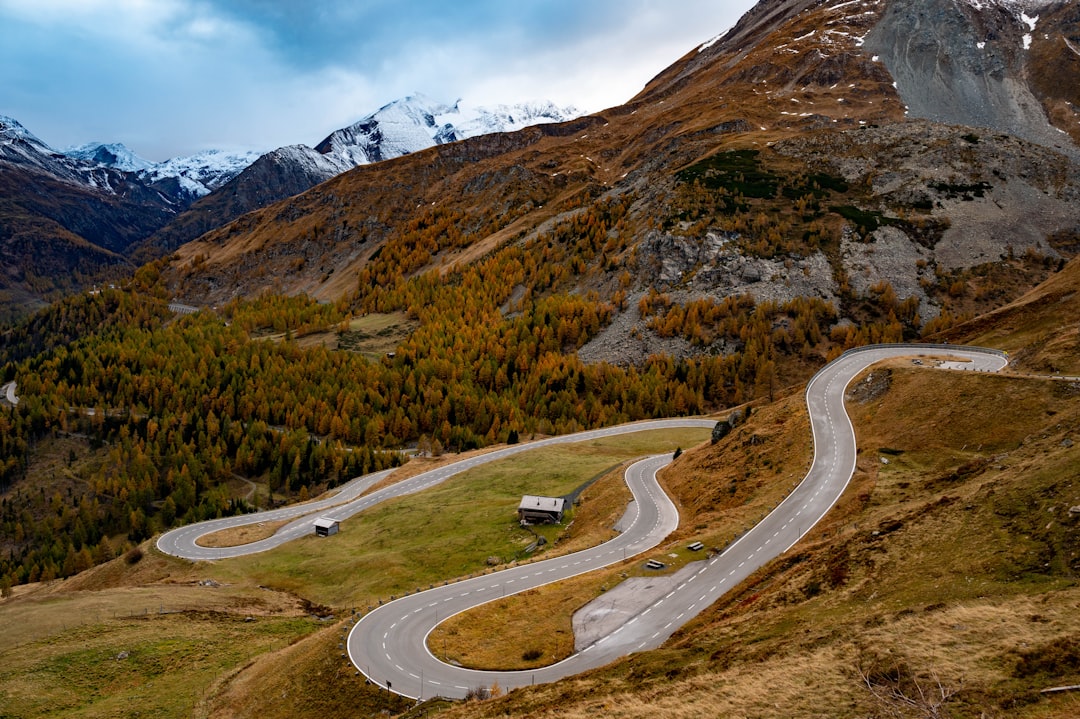
The classic run is east to west: Prato allo Stelvio up to the summit, then down to Bormio. Driving this way you climb the famous eastern face, where 48 numbered hairpin bends stack up the mountainside like a staircase carved for giants. Each bend is signed with its number, counting down as you near the top, which turns the ascent into a countdown you will remember.
Plan on a full day even though the raw driving time is only a couple of hours. The bends are tight, buses and motorcycles share the road, and you will want to pull over often. If you are basing yourself in Bormio, you can drive up and back, or make the pass one leg of a longer traverse toward the Swiss border and the Umbrail Pass.
Driving the Stelvio, stop by stop
The best of the Stelvio lives at the pullouts, not behind the windshield. Here are the waypoints in the order you meet them heading west.
Prato allo Stelvio
The eastern gateway and the start of the numbered bends. Fuel up here, because services thin out fast once you begin to climb. This is a good place to check conditions before committing to the ascent.
Gomagoi and Trafoi
The lower hairpins begin in earnest through Gomagoi and the hamlet of Trafoi, where the road tips upward and the forest gives way to open mountainside. Views back down the valley open up with every switchback.
Franzenshöhe
A natural pause before the final push to the summit. The Berghotel Franzenshöhe is the classic stop for a South Tyrolean plate and a coffee with a view of the switchbacks you are about to climb. Verify seasonal opening hours before you count on it.
Stelvio summit
At around 2,757 metres, the summit is a cluster of kiosks, sausage stands and cyclists catching their breath. Stop only where it is legal and safe, never in the carriageway, and take in the ladder of bends dropping away on both sides. On a clear day it is one of the great high-mountain panoramas in Europe.
Bormio
The western finish is a genuine destination in its own right: a historic spa town with thermal baths, a walkable old centre, and Valtellina cooking. Reward the descent with dinner here before you head on.
When is the best time to drive the Stelvio Pass?
The Stelvio is a summer road. Its reliable open window runs June to October, and it closes with the first serious snow, so July, August and September are the safe bets. Early June and late October can still surprise you with ice near the top.
Because the pass is so popular, timing your day matters as much as timing your season. Start early to beat the mid-morning crush of tour buses, motorcycles and cyclists, and to have the light on the eastern bends. Crucially, a normal open window does not guarantee vehicle access on any given date: the Stelvio hosts cycling events and race stages that close the road to cars entirely. Always check Bormio's live alpine-pass page and the local events calendar the same day you plan to drive, and defer without hesitation in ice, snow, poor visibility, or any posted closure.
What to eat along the way
Two catalog-anchored stops bookend the drive. Up high, the Berghotel Franzenshöhe serves South Tyrolean food at the last major pause before the summit. Down in Bormio, Ristorante La Rasiga is a reliable choice for Valtellina cooking after the descent, think pizzoccheri and hearty mountain fare. Reserve or at least check hours for both, since seasons and mountain schedules shift.
Frequently asked questions
How long does it take to drive the Stelvio Pass?
The Prato allo Stelvio to Bormio crossing is about 49 km and the driving itself takes roughly one and a half to two hours. In practice, budget most of a day so you can stop for the hairpins, lunch at Franzenshöhe, and the summit.
Is the Stelvio Pass difficult or dangerous to drive?
It is rated moderate. The road is fully paved and any car can manage it, but the 48 tight hairpins demand low gears, calm nerves, and respect for heavy motorcycle and cycling traffic. Start early, use engine braking on the descent, and never stop in the carriageway.
When does the Stelvio Pass open and close?
The reliable season is June to October, with the pass closing for the first heavy snow. Summer months are safest. A seasonal open window still does not guarantee access on race or cycling-closure dates, so check the live pass status before you leave.
Which way should I drive the Stelvio Pass?
The classic route is east to west, from Prato allo Stelvio up the numbered eastern hairpins to the summit, then down to Bormio. This puts the most dramatic bends on your climb and finishes in a town worth an overnight.
Plan your Stelvio drive
Ready to go? Study the full Stelvio Pass route guide for the stop-by-stop map, browse more high-mountain drives on our Mountain Passes hub, and open the interactive map to plot it into a longer alpine tour through the Dolomites and beyond.