A road trip costs roughly 100 to 250 US dollars per person per day once you add fuel, a place to sleep, food, and a few activities. The single biggest variable is not the distance you drive. It is where you sleep. Camp and self-cater and you can spend under 80 dollars a day. Stay in hotels and eat out and you can pass 220. This guide breaks a trip into five real costs, shows you how to estimate each one, and uses actual catalog routes so the numbers are grounded rather than guessed.
The five costs that make up a road trip
Every road trip budget is the same five buckets. Get these right and you can price any drive in the world before you leave home.
- Fuel. The one cost you can calculate almost exactly.
- The vehicle. Your own car, a rental, and any one-way fee.
- Where you sleep. The biggest lever in the whole budget.
- Food. Steady, predictable, and easy to control.
- Everything else. Activities, tolls, parking, insurance, and data.
Daily budget by travel style
The table below is a per-person, per-day estimate that excludes the car itself and long-haul fuel. Treat the ranges as illustrative starting points, not fixed prices, since costs swing by country and season.
| Travel style | Where you sleep | Food | Typical day, per person |
|---|---|---|---|
| Shoestring | Campsites and hostels | Mostly self-catered | 45 to 80 |
| Mid-range | Motels and 3-star hotels | Cafes plus some cooking | 100 to 180 |
| Comfort | Boutique and 4-star hotels | Restaurants most nights | 220 and up |
How to estimate fuel cost
Fuel is the only line you can nail down in advance. Take the distance, divide it by 100, multiply by your car's litres per 100 km, then multiply by the local fuel price. That is it.
Distances come straight from the catalog, so they are exact. Here is what the formula produces on real routes, assuming a mid-size petrol car burning about 8 litres per 100 km:
- Route 66 runs 3,940 km. That is roughly 315 litres of fuel. At a US pump price near 1 US dollar per litre, budget about 320 dollars one way, or 400 to 450 once you count detours to the neon motels and ghost-town alignments.
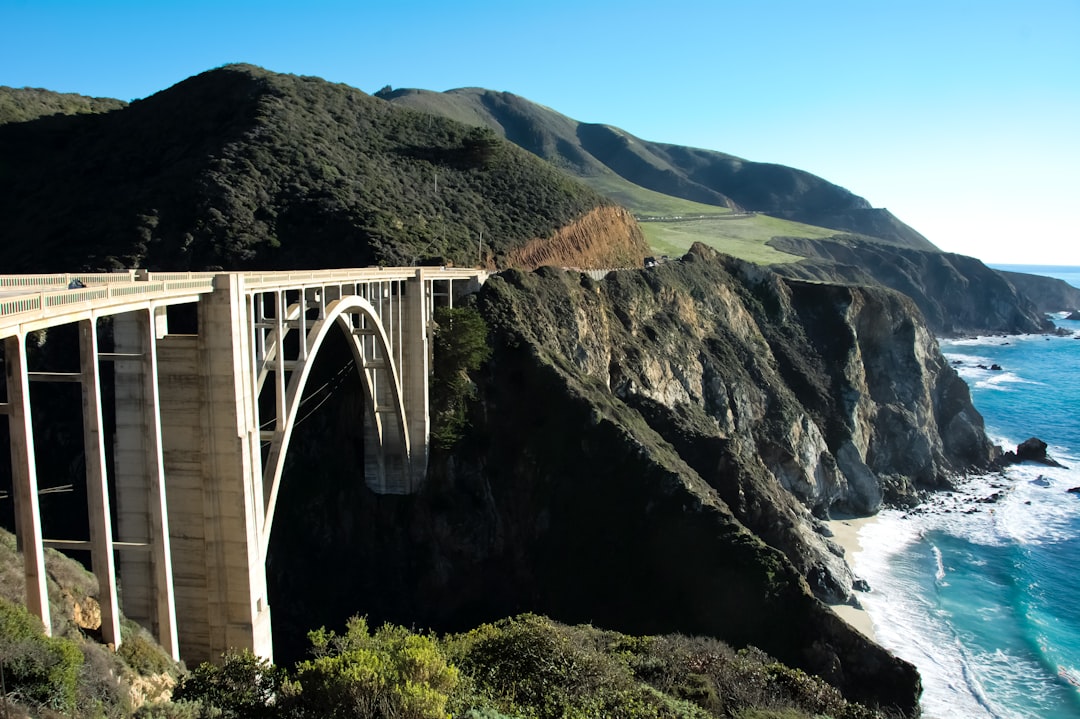
- Pacific Coast Highway is 1,055 km, close to 85 litres, so well under 150 dollars of fuel for the whole California run.
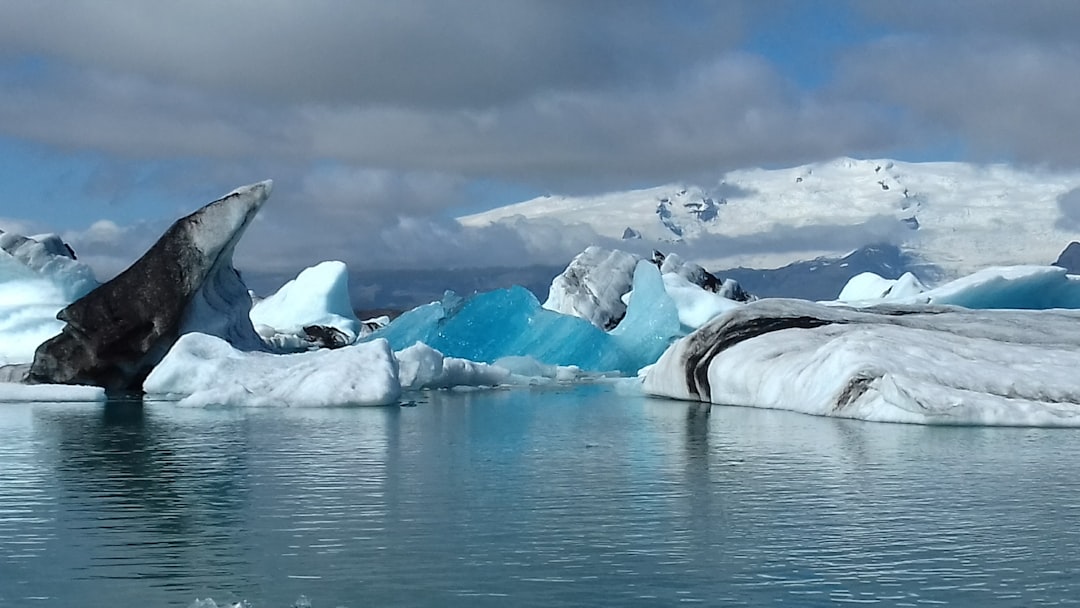
- Iceland's Ring Road is 1,332 km, only a third longer than the PCH, yet fuel there sits near 2 dollars per litre. That pushes the same 9-day loop past 250 dollars. Distance is not the only driver. The local pump price matters just as much.
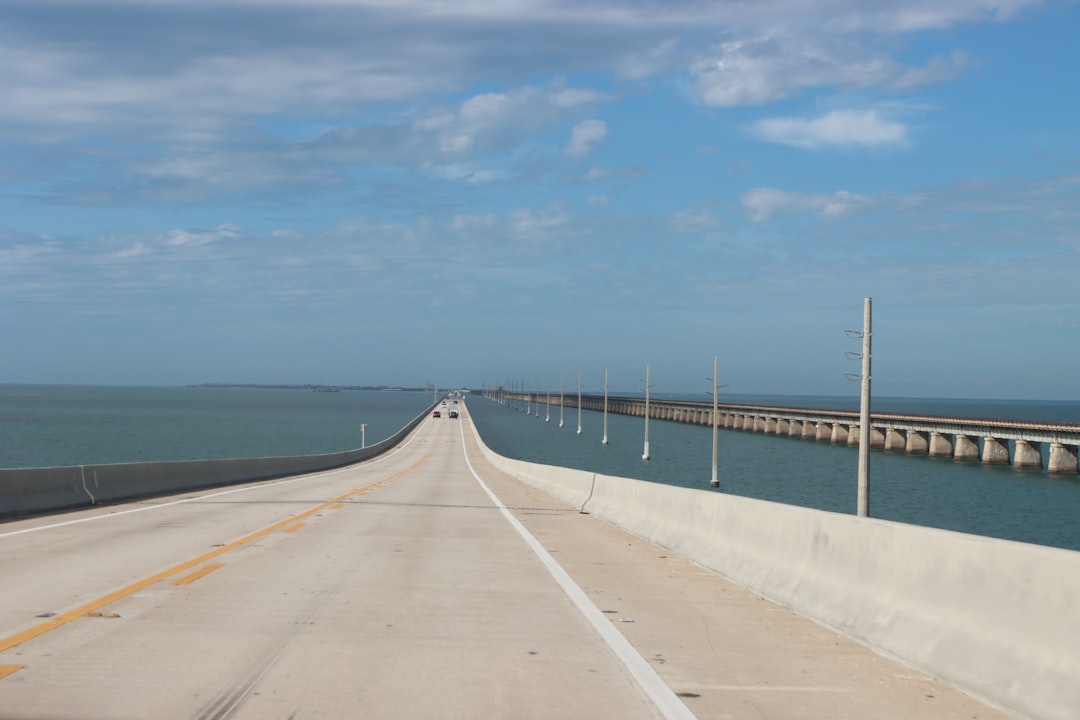
- The Overseas Highway through the Florida Keys is just 230 km. At under 20 litres it is barely a tank, so fuel is a rounding error on a Keys trip.
The lesson: a short drive in an expensive country can cost more fuel than a long one in a cheap country. Always multiply distance by the local price, never distance alone. An electric car changes the math entirely, which is why we keep a separate hub of EV-friendly road trips where home and hotel charging can drop the fuel line close to zero.
The vehicle: rent or drive your own?
If you already own a suitable car, driving it is almost always cheaper. Your only extra costs are fuel, wear, and perhaps a service before you leave.
Renting makes sense when you are flying to the start, when your car is not up to the terrain, or when you want to avoid putting thousands of kilometres on your own vehicle. When you rent, watch three things:
- The daily rate, which climbs fast in peak season and for larger vehicles.
- Insurance, where the counter upsell can double the headline price. Check what your credit card or travel policy already covers.
- The one-way fee. Dropping a car in a different city than you collected it can add a large surcharge. This is why loop routes are quietly cheaper than point-to-point ones. A drive that returns to its start, like most island and parkway loops, avoids the fee completely.
Where you sleep is the real budget
Sleep is where two people on the same route can spend wildly different amounts. A campsite might cost 20 to 40 dollars a night. A roadside motel runs 80 to 140. A boutique hotel in a honeypot town in high season can be 250 or more. Over a 10-day trip, that gap alone is the difference between a 400-dollar trip and a 2,500-dollar one.
Three moves keep this line under control. Book the popular stops early, because scarcity, not luxury, drives the highest prices. Travel in shoulder season, when the same room can cost a third less. And mix your nights: a couple of splurge stays surrounded by simpler ones gives you the memory without the full bill.
Food, tolls, and the small stuff
Food is the most controllable cost of all. A cooler, a camp stove, and a supermarket run can cover breakfast and lunch for a few dollars a day, saving your budget for one good dinner. Eating every meal out is comfortable but easily doubles your daily food spend.
The last bucket is easy to forget and adds up:
- Tolls on bridges, tunnels, and motorways.
- Parking, especially in national parks and popular coastal towns.
- Park and attraction passes. In the US, an annual national parks pass often pays for itself in two or three stops.
- Connectivity, such as a local SIM or roaming plan for navigation.
Set aside 10 to 20 dollars a day for this bucket and you will rarely be caught out.
How to cut the cost without cutting the trip
- Pull the sleep lever first. It is the biggest number, so a small change here beats saving on anything else.
- Choose a loop over a one-way. No drop-off fee, and you only pay for the car once.
- Go in shoulder season. Lodging, ferries, and rentals all soften either side of peak, and the roads are quieter too.
- Self-cater the ordinary meals. Spend on the one dinner you will remember, not the three you will not.
- Consider an EV on routes with reliable charging, where the fuel line can nearly disappear.
Frequently asked questions
How much does a week-long road trip cost?
For one person, budget roughly 700 to 1,750 dollars for a seven-day trip, plus fuel and the car. A shoestring week camping and self-catering lands near the bottom of that range. A mid-range week of motels and cafe meals sits in the middle. Two people sharing a room and a car spend far less than double, because lodging and fuel are shared.
Is it cheaper to rent a car or drive your own?
Driving a car you already own is almost always cheaper, since you skip the daily rate and insurance upsell. Renting wins only when you are flying to the start, when your own car cannot handle the route, or when you want to spare your vehicle a few thousand kilometres.
How do I estimate fuel cost for a road trip?
Divide the route distance by 100, multiply by your car's litres per 100 km, then multiply by the local fuel price. A 1,000 km drive in a car using 8 litres per 100 km burns about 80 litres, so at 1.50 per litre that is roughly 120 in fuel.
What is the single biggest cost on a road trip?
Lodging, on almost every trip. The gap between camping and hotels dwarfs the gap in fuel or food, which is why choosing where you sleep is the fastest way to move your total up or down.
Can you do a road trip on a budget?
Yes. Camp or hostel, cook most meals, drive a loop to avoid drop-off fees, and travel in shoulder season, and a comfortable trip can run under 80 dollars per person per day before fuel.
Price your route before you pack. Start with a flagship like Route 66 to see distance, duration, and season in one place, then open the interactive map to sketch your own stops and let the fuel math fall out of the distance.