Three days is the sweet spot for the Great Ocean Road. That gives you time to drive all 660 km from Melbourne to Portland, linger at the Twelve Apostles in soft morning light, and still pull over for surf beaches, rainforest, and koalas without feeling rushed. You can do the highlights in two days, but the road rewards anyone who slows down.
This is a stop-by-stop plan for the classic three-day version, built around the real towns and lookouts along the Great Ocean Road. It is an easy, fully sealed drive that suits any vehicle, including EVs, so the only real planning is where to stop and when to go.
The Great Ocean Road at a glance
The road was built by returning World War I veterans as a living memorial, and it still feels like a monument: a ribbon of asphalt pinned between the Otway rainforest and the wild Southern Ocean. Most people picture the Twelve Apostles, but the drive is really three landscapes stitched together, the surf coast, the forested ranges, and the limestone cliffs of the shipwreck coast.
- Distance: 660 km, Melbourne to Portland
- Time needed: 3 to 5 days (3 is ideal for first-timers)
- Difficulty: easy, sealed road, any vehicle
- Best season: November to April (Australian summer)
- EV-friendly: yes, with chargers in the larger towns
A quick note on direction: drive west, from Melbourne toward Portland, so you are on the ocean side of the road for the best views and the easiest pull-offs.
How many days do you need?
The honest answer depends on how much you want to stop. Here is what each length of trip realistically buys you.
| Trip length | What you fit | Best for |
|---|---|---|
| 2 days | Torquay, Lorne, Apollo Bay, Twelve Apostles, back to Melbourne | A fast weekend from Melbourne |
| 3 days | All of the above plus Cape Otway, Loch Ard Gorge, an unhurried Apostles sunrise | First-timers who want the full coast |
| 4 to 5 days | The full run to Warrnambool and Portland, whale season, detours into the Otways | Slow travel and photographers |
A two-day loop that turns around at the Twelve Apostles and races back to Melbourne is the most common mistake. The far western section past Port Campbell is quieter, wilder, and often empty of tour buses, so build in the time to reach it.
Day 1: Melbourne to Lorne (the surf coast)
Leave Melbourne early and aim for breakfast in Torquay, the birthplace of Quiksilver and Rip Curl and the spiritual home of Australian surf culture since the 1970s. The Australian National Surfing Museum is a quick, worthwhile stop before the beaches.
Just down the coast is Bells Beach, Australia's most famous surf break and host of the Rip Curl Pro every Easter since 1961. Even on a flat day the amphitheatre of cliffs is worth the short detour. From here the official Great Ocean Road begins to hug the cliffs.
Finish the day in Lorne, a chic coastal town with good restaurants, waterfalls in the Otway Range behind it, and a legendary summer scene. It makes an easy, comfortable first night.
Day 2: Lorne to Port Campbell (rainforest and the Apostles)
This is the big scenery day. Push on to Apollo Bay, the last proper town before the rainforest, where the harbour serves fresh crayfish and the Otway hinterland begins. Pick up a scallop pie at the Apollo Bay Bakery for the road.
Detour inland to Cape Otway Lighthouse, mainland Australia's oldest lighthouse, built in 1848. The access road is one of the most reliable places in the country to spot wild koalas, sleeping high in the manna gums. Back on the coast, the road climbs through the Otways before opening onto the limestone country.
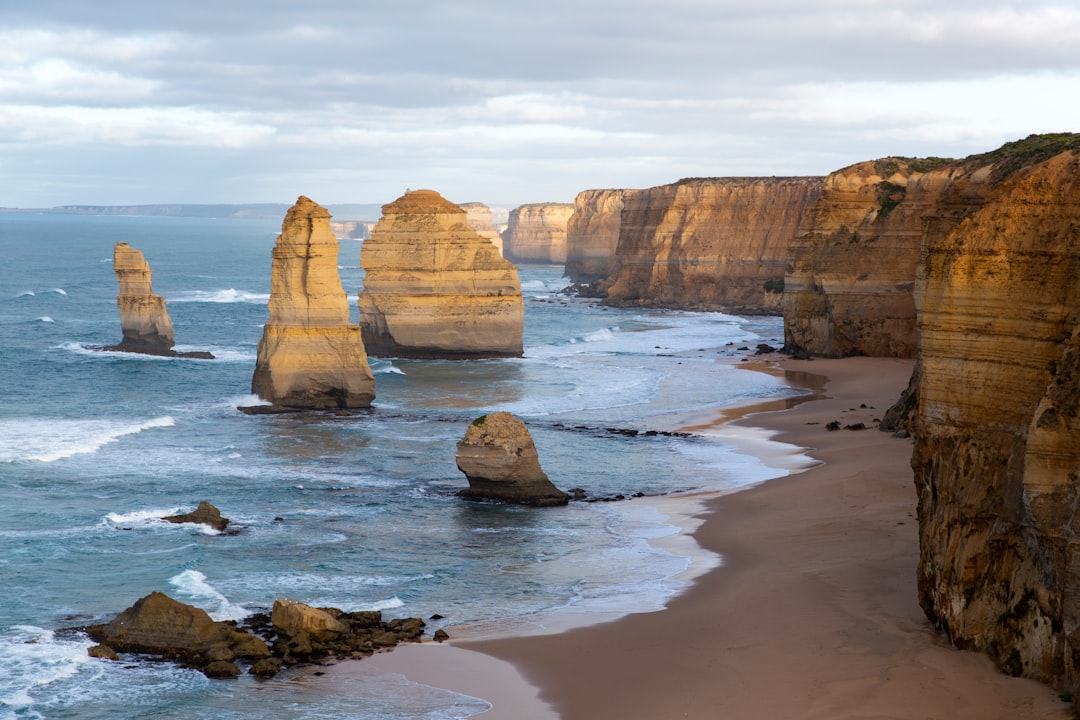
Then comes the headline act: the Twelve Apostles, towering limestone stacks rising straight out of the Southern Ocean surf, the most photographed place in Australia. Time your arrival for sunrise or late afternoon, when the crowds thin and the rock glows gold. A few minutes further is Loch Ard Gorge, where only two people survived the 1878 Loch Ard shipwreck and swam ashore. The haunting cliffs and sheltered cove are quieter and, to many, more beautiful than the Apostles themselves. Overnight in Port Campbell.
Day 3: Port Campbell to Portland (the shipwreck coast)
The final stretch is the one most visitors skip, which is exactly why it is worth doing. Drive on to Warrnambool, where southern right whales come to calve at Logans Beach between June and September. If you are travelling in those months, the viewing platform lets you watch mothers and calves from the cliff. Flagstaff Hill Maritime Village tells the shipwreck history that defines this coast.
End at Portland, Victoria's oldest permanent European settlement, where wild volcanic sea cliffs at Cape Nelson mark the end of the road. From here you can loop back inland to Melbourne or carry on west toward the South Australian border.
When to drive it
The catalog season is November to April, the Australian summer, when the days are long and the beaches are at their best. That is also peak crowd season around the Twelve Apostles, so start each day early and fuel up in the larger towns before the gaps between services widen.
Winter has one big trade-off in its favour: it is whale season. If watching southern right whales at Warrnambool matters more to you than swimming weather, June to September is the time, just pack for strong coastal winds and sudden weather changes.
Frequently asked questions
How many days do you need for the Great Ocean Road?
Three days is ideal. It lets you drive the full 660 km from Melbourne to Portland, see the Twelve Apostles without rushing, and explore Cape Otway and the shipwreck coast. Two days covers the highlights if you turn around at the Apostles, while four to five days suits slow travel and whale season.
Which direction should you drive the Great Ocean Road?
Drive west, from Melbourne toward Portland. That keeps you on the ocean side of the road for uninterrupted sea views and makes the scenic lookouts easy left-hand pull-offs rather than awkward crossings.
Is the Great Ocean Road suitable for any car?
Yes. The route is fully sealed and rated easy, so any vehicle handles it, including EVs, which can charge in the larger towns. The main challenges are tourist traffic in summer, strong coastal winds, and sudden weather, not the road itself.
When can you see koalas and whales on the Great Ocean Road?
Wild koalas sleep in the trees along the Cape Otway Lighthouse access road year-round. Southern right whales calve at Logans Beach in Warrnambool between June and September, viewable from a dedicated cliff-top platform.
Can you drive the Great Ocean Road in one day?
You can, but you should not. A single day means racing to the Twelve Apostles and back to Melbourne with little time to stop, missing the rainforest, the western cliffs, and the slow coastal towns that make the drive special. Give it at least two days, ideally three.
Plan your drive
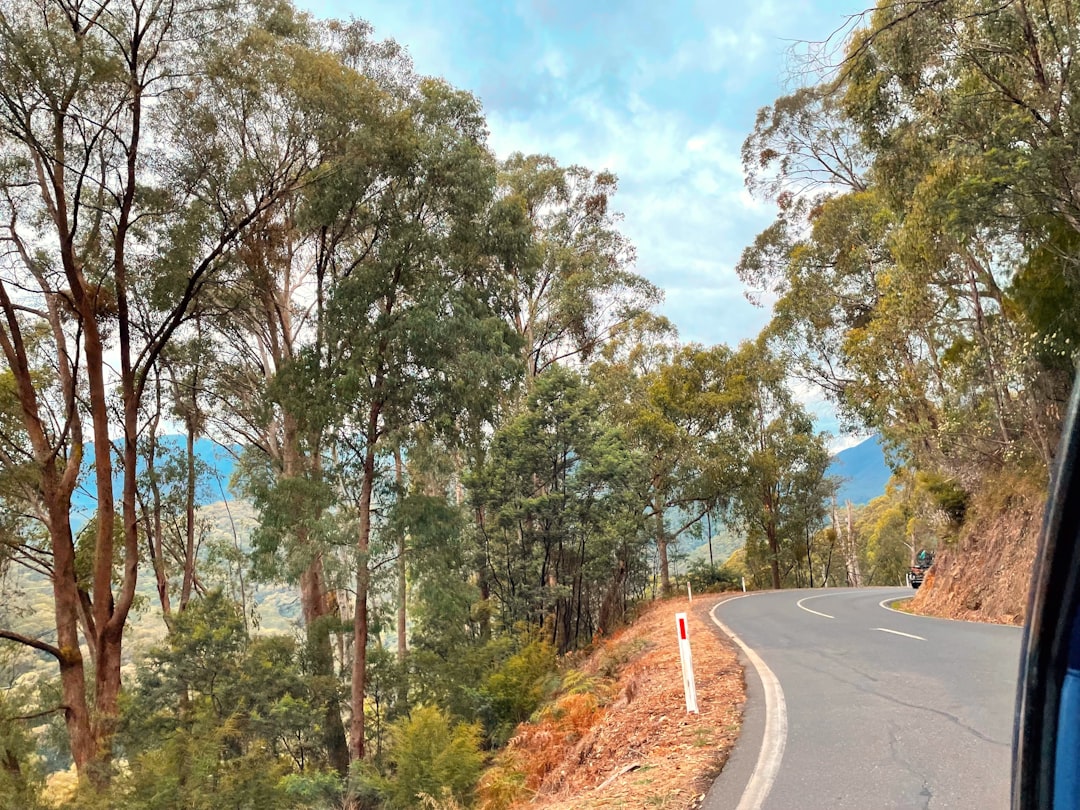
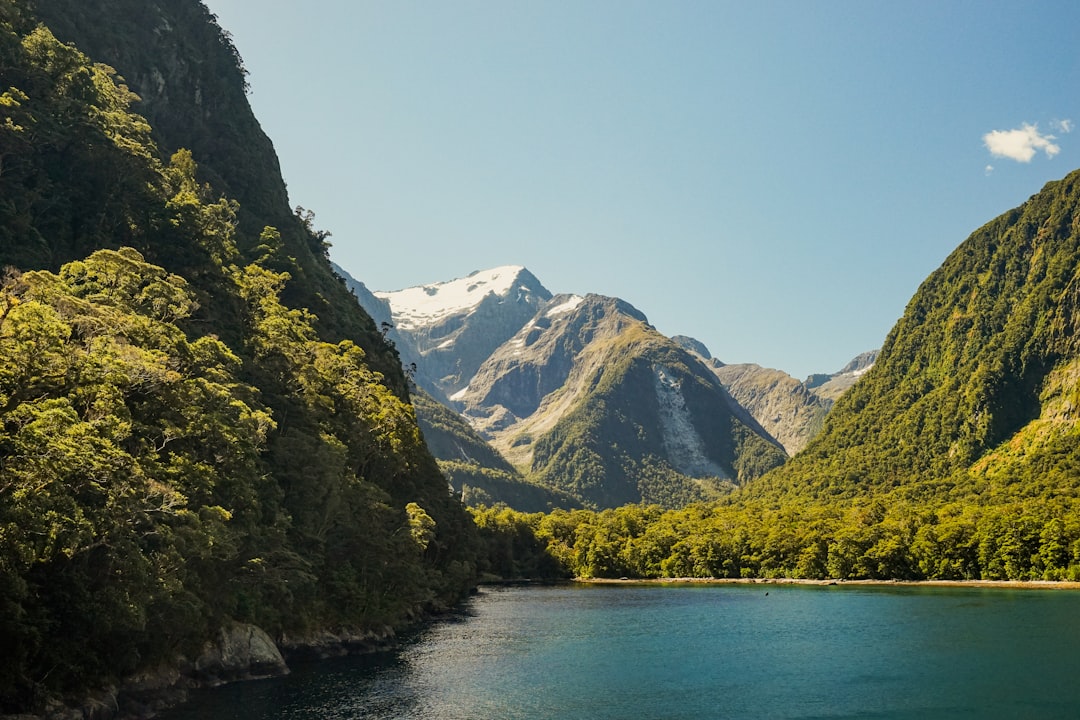
Ready to map it out? See the full Great Ocean Road route guide for every stop in order, compare it with Australia's high-country Great Alpine Road or New Zealand's Milford Sound drive, and build your own version on the interactive map.